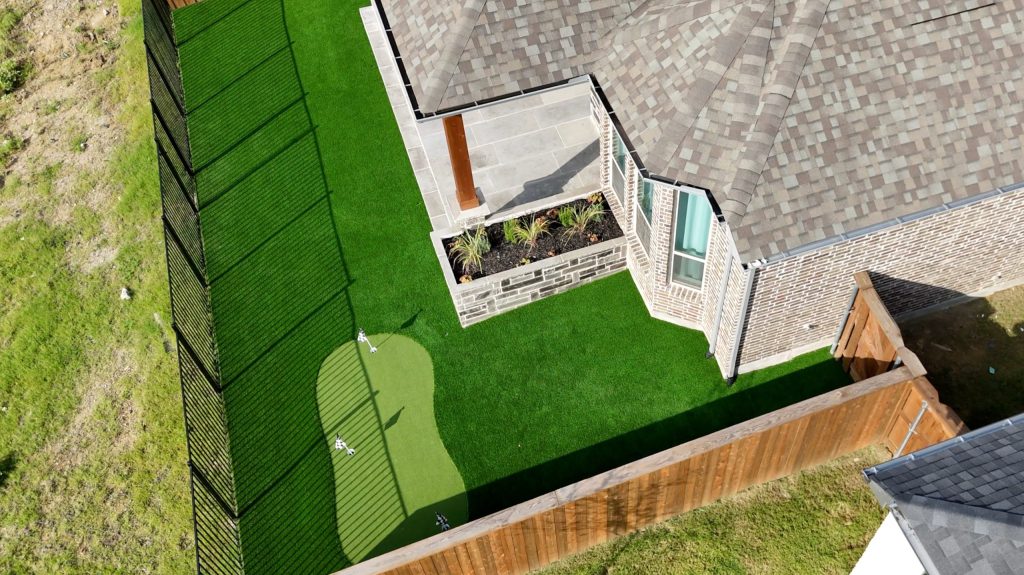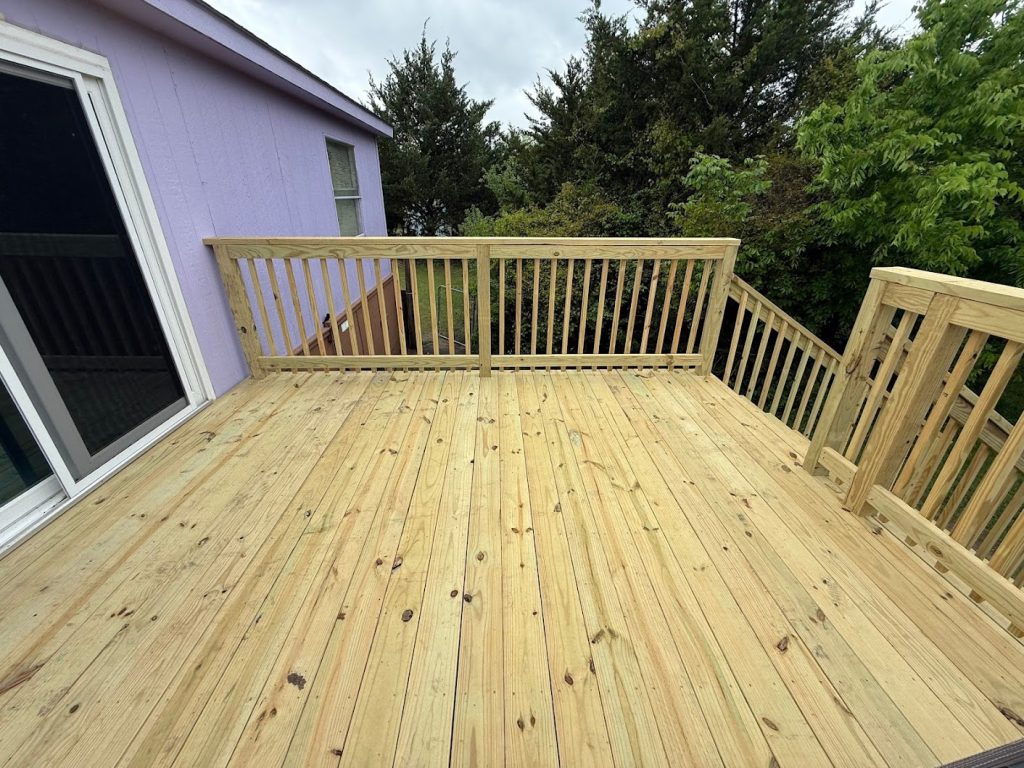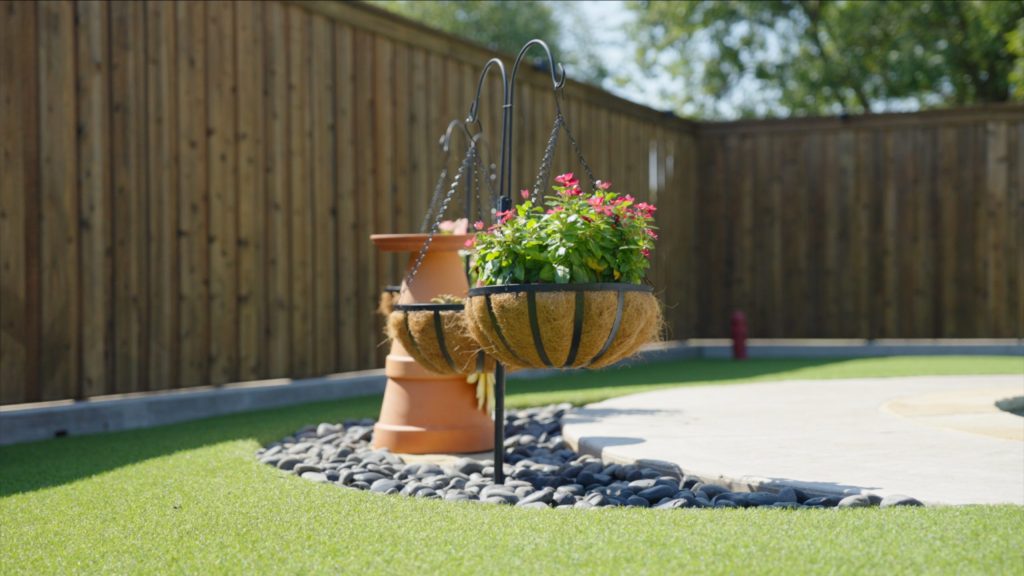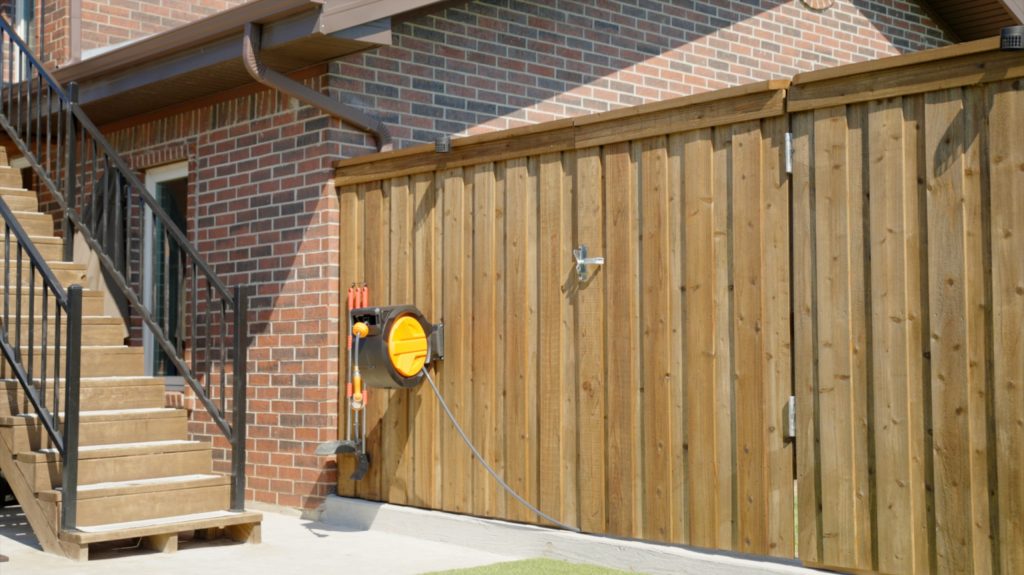
Expertise in Fence Installation for Homeowners

Most homeowners underestimate fence installation in the same way people underestimate hanging a door: it looks straightforward until you live with the crooked gap and sticky latch every single day. The most common mistake is assuming that expertise in fence installation is just about owning a post-hole digger and a free weekend. In reality, the choices you make before a single post goes into the ground will determine whether your fence stands straight and secure for 20 years or starts leaning after the first North Texas storm blows through Sherman.

Another thing people get wrong is thinking that “a fence is a fence” and that all installation methods are basically the same. They are not. Soil conditions, slope, wind exposure, material type, property layout, and even neighborhood rules all change how a fence should be designed and installed. What works on a flat suburban lot in another state may fail completely in the clay-heavy, expansive soils around Sherman, TX. True expertise means understanding those variables and building a fence that is tailored to your property, not just following a generic diagram from a big-box store.

Expert fence installation for homeowners is really about combining design, engineering, local knowledge, and craftsmanship. A company like Lowery Fence & Patio doesn’t just “put up boards”; they create a structure that has to withstand weather, protect your privacy, keep kids and pets safe, and complement the look and value of your home. When you view fence installation through that lens, you start to see why expertise matters as much as the materials you choose.

Why Expertise Matters

At first glance, a fence seems simple: posts, rails, pickets, maybe a gate. But every one of those components has to be measured, aligned, spaced, and anchored correctly. An experienced installer understands how load is transferred from pickets to rails to posts and finally into the ground. If the posts are too shallow or not properly set in concrete, the fence will move. If rails are spaced incorrectly, boards will sag. These aren’t cosmetic issues; they affect how long your investment lasts and how well your fence performs.

In Sherman, TX, the soil and weather add another layer of complexity. Expansive clay soils can shift when they get wet and then dry out, causing posts to move if they’re not installed to the proper depth with the right footing. Strong winds sweeping across open lots can put serious pressure on tall privacy fences. Expertise means knowing how deep to set posts, what kind of concrete mix to use, and how to orient the fence to reduce wind load. A company like Lowery Fence & Patio draws on years of local experience to make those decisions correctly the first time.

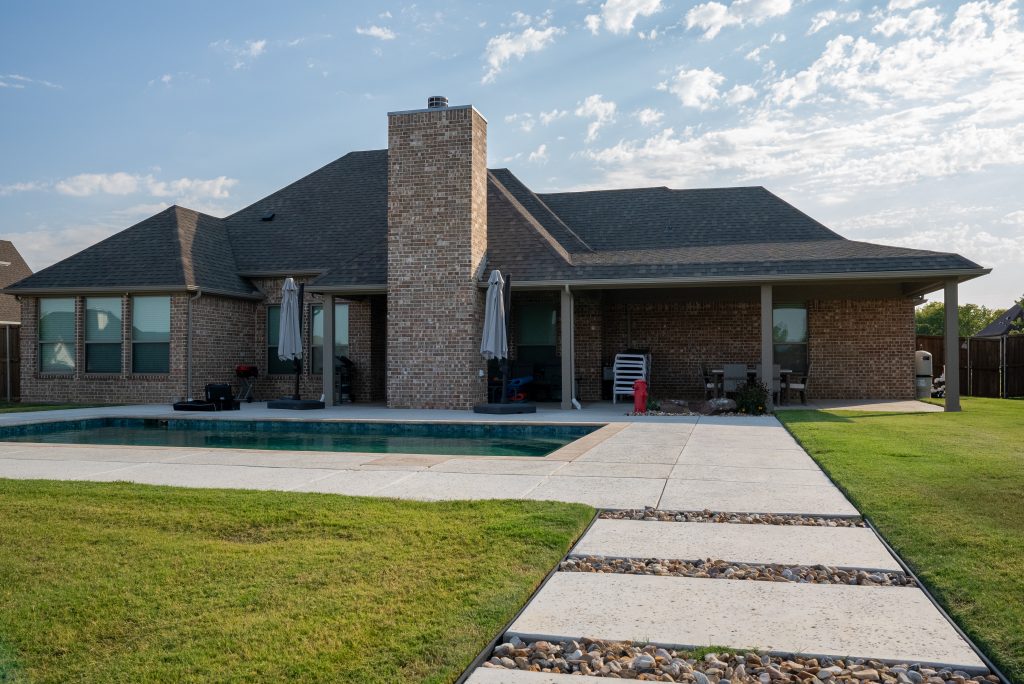
There is also a safety and compliance angle that many homeowners overlook. Local codes, HOA rules, and utility easements all influence where and how a fence can be built. An expert installer understands setback requirements, height limits, pool barrier regulations, and underground utility locations. Getting these wrong can mean fines, forced removal, or dangerous conditions. When you hire experienced professionals, you’re not just paying for labor; you’re paying for the knowledge that keeps your project legal, safe, and neighbor-friendly.

Planning The Right Fence

Expert fence installation starts long before anyone digs a hole. The planning phase is where many DIY projects go off track because homeowners skip critical questions: What is the primary goal of this fence? How long do I expect it to last? What maintenance am I realistically willing to do? Lowery Fence & Patio spends time on these questions because the answers shape everything from material selection to post spacing and hardware choices.

For example, a family with dogs and small children may need a fence that prioritizes security and containment, with no gaps underneath and sturdy gates that don’t sag. A homeowner focused on curb appeal may want a decorative design like a board-on-board or shadowbox fence. In Sherman’s hot summers, someone may want more airflow, leading to a design with spaced pickets rather than a solid wall. An expert installer listens carefully and then translates those needs into a buildable plan that makes sense for your property and budget.

Site evaluation is another critical part of planning. A professional walks the property line, looks for grade changes, drainage paths, tree roots, existing structures, and potential obstacles. They identify where step-downs or racked panels might be needed to follow the slope. They consider how water will flow after the fence is in place so you don’t end up with puddles along the line. In Sherman, where sudden downpours can cause runoff issues, this kind of foresight is essential to prevent erosion and premature rot around posts.

The planning stage also includes a conversation about long-term value. A slightly higher upfront investment in better posts, corrosion-resistant fasteners, or upgraded gate hardware can prevent costly repairs later. Expertise isn’t about pushing the most expensive option; it’s about explaining trade-offs clearly so homeowners can make informed decisions and avoid false savings that lead to headaches down the road.

Materials And Methods That Last

Many homeowners focus on the visible part of the fence—the boards or panels—without realizing that what they can’t see is just as important. Posts, fasteners, and installation methods determine how well the fence stands up to time and weather. In Sherman, TX, where temperature swings and moisture cycles can be tough on wood, material choices and construction techniques need to be deliberate, not random.

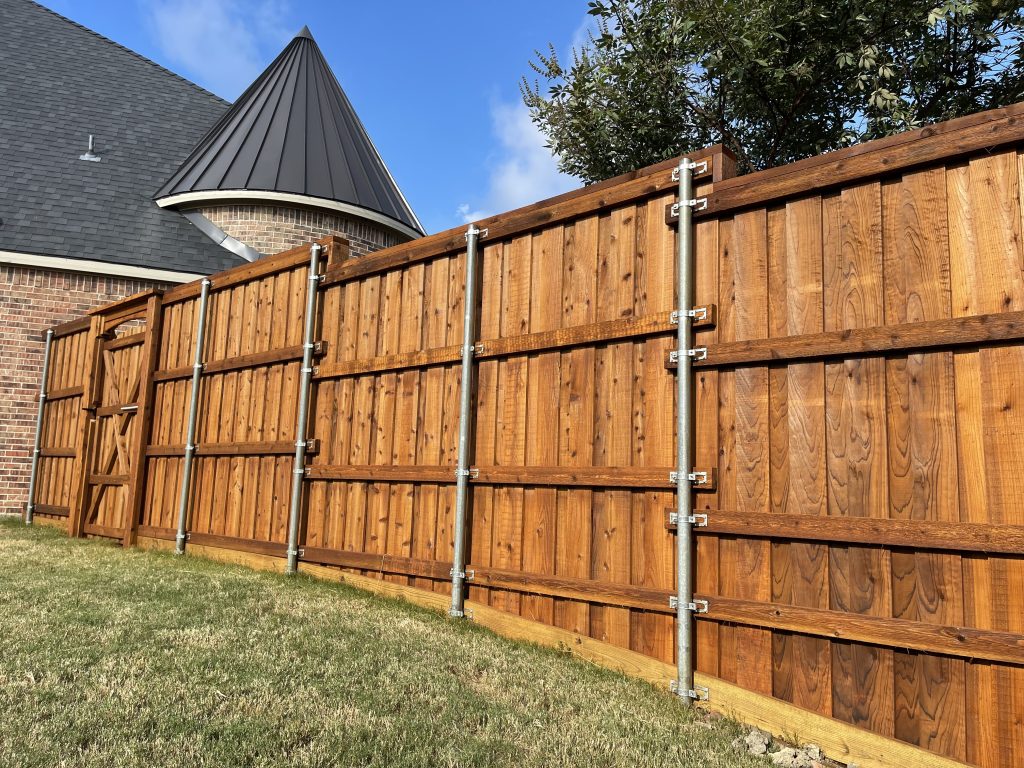
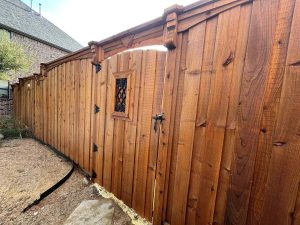
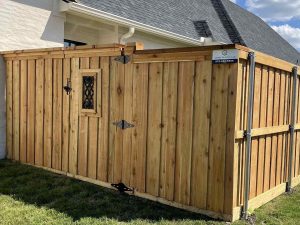
Pressure-treated pine and cedar are common wood options, each with strengths and weaknesses. Cedar naturally resists decay and insects and tends to stay straighter, which is great for appearance and longevity. Pressure-treated pine is more budget-friendly and can be very durable if properly installed and maintained, but it may be more prone to warping if not handled correctly. An expert installer helps you understand how each material will behave in your specific yard, taking into account shade, irrigation patterns, and exposure to wind and sun.

The way the fence is assembled also matters. Using the right type of galvanized or coated screws instead of generic nails can dramatically reduce rust and board loosening over time. Proper spacing between pickets allows for expansion and contraction, reducing cracking and buckling. Solid, well-set posts with the correct concrete bell at the base anchor the entire structure. Lowery Fence & Patio applies proven methods that fit Sherman’s conditions, rather than cutting corners that might not be obvious on day one but will show up a year or two later.

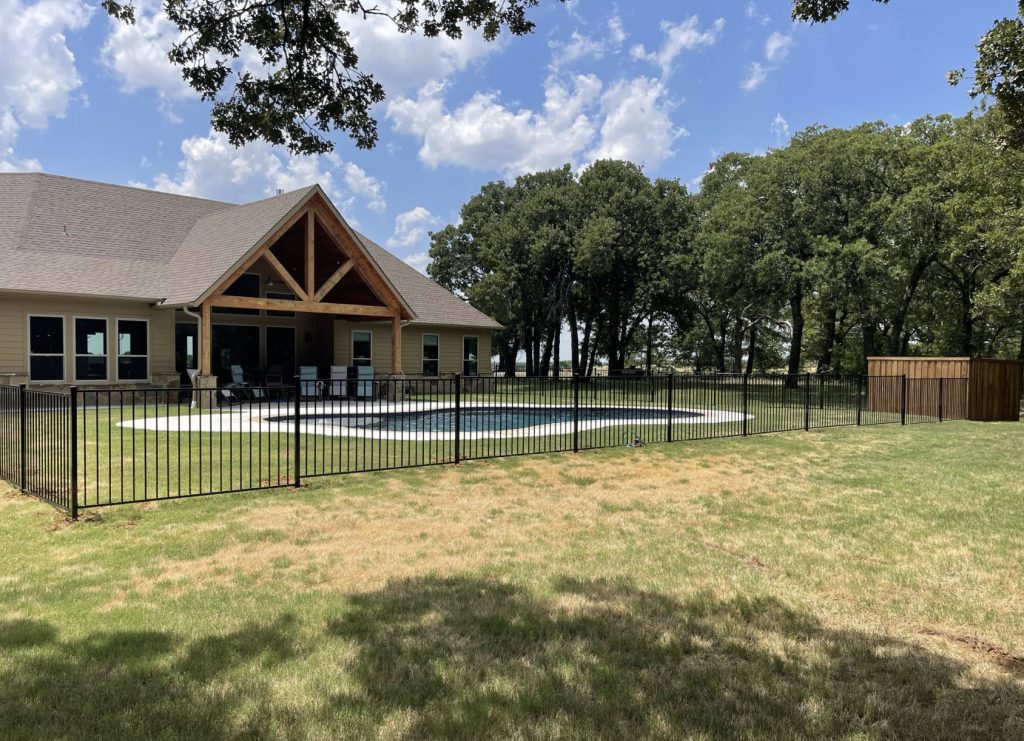
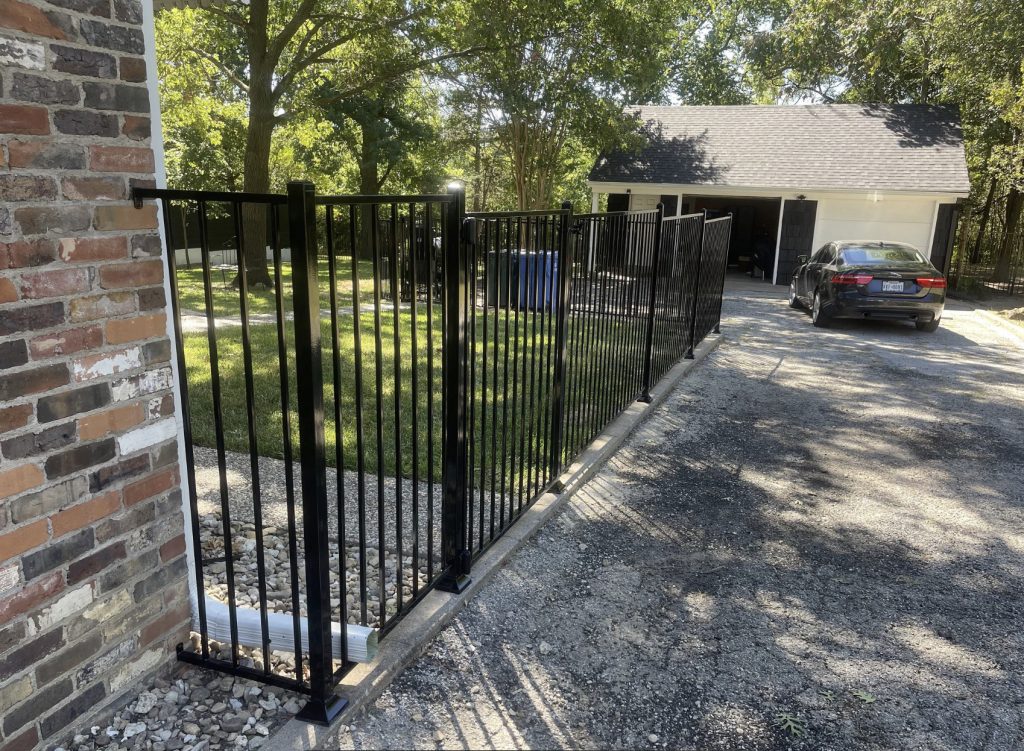
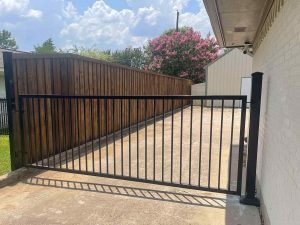
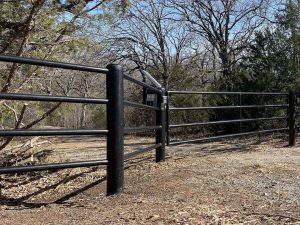
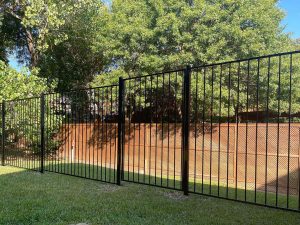
Beyond wood, many homeowners in North Texas consider alternatives like vinyl, ornamental iron, or composite fencing. Each has its own installation nuances. Vinyl requires precise post spacing and bracing, while ornamental iron must be carefully aligned, especially on slopes. Composites can be heavier and require stronger support. Expertise means understanding not just how to assemble each system, but how to adapt it to your terrain and usage so it doesn’t just look good in a brochure—it performs in your actual backyard.

Working With Sherman’s Climate And Terrain

Local expertise is not a marketing buzzword; it is a practical advantage. Sherman, TX has a climate and terrain that shape how fences should be built. Hot summers, occasional freezes, high humidity, and clay-heavy soils all interact with wood, metal, and concrete in specific ways. An installer who knows this environment can anticipate problems that a generic guide or out-of-town contractor might miss.

Clay soil, which is common in the Sherman area, expands when wet and contracts when dry. This movement can push posts up or allow them to lean if they’re not set deeply enough or if the concrete footing isn’t shaped correctly. An expert installer calculates proper post depth based on fence height, wind exposure, and soil conditions. They may also adjust hole size and concrete volume to create a stable base that resists shifting over time.

Drainage is another issue that affects long-term fence performance. Water that constantly pools at the base of posts accelerates rot and weakens the structure. A knowledgeable installer will grade the soil slightly away from posts, leave appropriate clearance at the bottom of boards where needed, and ensure that your new fence doesn’t unintentionally block natural drainage paths. In some yards, minor grading or small retaining solutions are integrated into the fence plan to manage both appearance and water flow.

Wind exposure is often underestimated. A tall, solid privacy fence acts like a sail in strong gusts. In open areas around Sherman, this can put tremendous stress on posts and rails. Expertise means adjusting post spacing, depth, and sometimes design (such as using a shadowbox style or decorative gaps) to allow some airflow while still providing privacy. This kind of thinking transforms your fence from a fragile barrier into a durable structure designed for local conditions.

Gates, Hardware, And Everyday Use

Many fences fail at their weakest point: the gate. A beautifully built fence with a poorly designed or installed gate will frustrate you daily. Gates bear extra weight, get constant use, and are more exposed to movement and sagging. Expertise in fence installation includes treating gate design and construction as a priority, not an afterthought.

An experienced installer like Lowery Fence & Patio considers gate width, hinge placement, latch type, and support structures from the start. Wider gates for driveways or lawn equipment need reinforced posts, stronger hinges, and sometimes steel frames to prevent sagging. Even a standard walk gate benefits from diagonal bracing and high-quality hardware that resists rust and loosening. In Sherman’s weather, cheap hardware can corrode quickly, leading to sticking latches and misaligned gates.

Security and convenience also come into play. Families with kids or pets need latches that are secure yet easy for adults to operate. Pool areas require self-closing and self-latching gates that meet safety codes. Some homeowners want to integrate driveway gates, keypad entry, or even Automatic gate installation for added convenience and security. Expertise ensures that these systems are not just bolted on, but integrated into the fence structure for reliability and long-term performance.

Finally, everyday usability matters. Gates should swing freely without dragging on the ground, even as the soil shifts slightly over time. They should open in directions that make sense for how you move through your yard. An expert installer anticipates these real-life details, making your fence and gates feel like a natural extension of your home rather than an obstacle you constantly work around.

Partnering With A Professional Installer

For homeowners, expertise in fence installation is not about learning every technical detail yourself; it is about choosing a partner who already knows them and applies them to your project. When you work with a professional contractor in Sherman, TX, you’re buying peace of mind as much as materials and labor. The right company will guide you through design choices, explain code requirements, handle permits where necessary, and stand behind their work.

Lowery Fence & Patio, serving the Sherman area, brings together local knowledge, hands-on experience, and a focus on craftsmanship. That combination shows up in the little things: straight, consistent lines; clean transitions on slopes; well-set posts; smoothly operating gates; and materials chosen to match your priorities and budget. A good installer also respects your property, minimizing disruption during construction and leaving the site clean when the job is done.

Communication is a key part of expertise. A professional should be able to explain why a certain post depth is recommended, why one design might handle wind or pets better than another, or how different materials will age over time. They should welcome your questions and help you weigh options rather than pushing a one-size-fits-all solution. This collaborative approach ensures that the finished fence reflects both professional standards and your personal goals.

In the end, a fence is a long-term investment in your home’s security, privacy, and appearance. Cutting corners on expertise can lead to repairs, replacements, and daily frustration. Partnering with a knowledgeable local company ensures that your fence is not just installed, but engineered and crafted to serve your family well in Sherman’s unique environment for years to come.

Frequently Asked Questions

How deep should fence posts be set in Sherman, TX? In the Sherman area, most residential fence posts should be set at least one-third of the post’s above-ground height into the ground, often around 24 to 30 inches deep for a typical 6-foot fence. However, local soil conditions, wind exposure, and fence design can require deeper holes. Professional installers like Lowery Fence & Patio evaluate your specific site and may go deeper, especially for gates or taller sections, to ensure long-term stability in clay soils that expand and contract.

What type of wood is best for a privacy fence? Cedar and pressure-treated pine are the most common choices. Cedar offers natural resistance to decay and insects, holds its shape well, and has an attractive appearance, making it a popular upgrade for homeowners focused on longevity and aesthetics. Pressure-treated pine is more budget-friendly and can last many years if properly installed and maintained, but it may be more prone to warping and checking. An expert installer will help you choose based on your budget, desired look, and how much maintenance you are willing to perform over time.

How long does a professionally installed fence typically last? The lifespan of a fence depends on materials, installation quality, and maintenance. In Sherman, a well-built wood fence with quality materials and proper sealing or staining can often last 15 to 20 years or more. Vinyl, ornamental iron, and composite fences can last even longer with minimal upkeep. Poor installation, shallow posts, cheap hardware, or lack of maintenance can cut that lifespan in half, which is why professional expertise is such an important part of protecting your investment.

Do I need a permit or HOA approval for a new fence? Many homeowners in Sherman, TX are subject to city codes and homeowners’ association rules that govern fence height, location, style, and materials. Some projects require permits, especially around pools or along public right-of-ways. HOAs often have specific guidelines for front-yard fences, shared property lines, and appearance. A professional installer familiar with local regulations can help you navigate these requirements, provide necessary drawings or descriptions, and build a fence that complies with both city and HOA standards.

How can I make sure my fence is safe for kids and pets? Safety starts with design choices. For kids and pets, you want minimal gaps at the bottom and between pickets, sturdy posts, and gates that latch securely but are convenient for adults to operate. For pools, self-closing and self-latching gates and code-compliant heights are critical. An expert fence installer will ask about your family’s needs, recommend appropriate heights and styles, reinforce gates, and ensure there are no easy footholds for climbing. This combination of thoughtful design and solid construction helps keep your loved ones safely contained while you enjoy your yard.

Leave a Comment

Your email address will not be published. Required fields are marked *

Scroll to Top