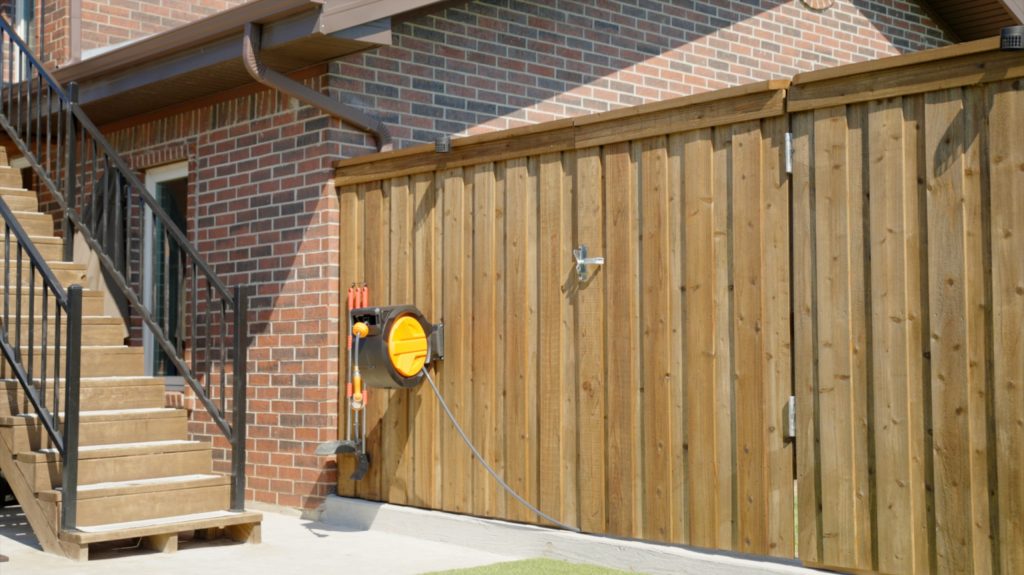
Fence Installation Techniques for Lasting Quality

By the time a fence starts sagging, leaning, or losing boards to the North Texas wind, most homeowners in Sherman realize something important: the way a fence is installed matters just as much as the materials themselves. Posts that weren’t set deep enough begin to wobble, gates stop latching properly, and sections that once looked straight and strong start to ripple like a wave. It’s not that the fence was doomed from the beginning; it’s that the installation techniques didn’t match the demands of our local soil, climate, and day-to-day use.

Lasting fence quality is never an accident. It’s the result of careful planning, correct measurements, proper footing, and attention to details that most people never see once the fence is finished. In a place like Sherman, TX, where clay soils expand and contract and storms can roll through with fierce winds, cutting corners during installation almost guarantees problems later. That’s why homeowners and property managers who work with professionals like Lowery Fence & Patio care less about “fast and cheap” and more about “installed right the first time.”

Understanding fence installation techniques for lasting quality isn’t about turning you into a contractor; it’s about giving you the knowledge to recognize whether a fence is being built to stand tall for years or just long enough to look good on day one. From how deep the posts go, to how concrete is mixed and cured, to the way rails and pickets are fastened, each step has a direct impact on how your fence will perform in the long run.

Knowing Your Site

Every long-lasting fence in Sherman, TX starts with a clear understanding of the property and the ground it stands on. Before a single post hole is dug, a professional installer will walk the fence line, looking for grade changes, drainage patterns, and obstacles like tree roots, buried utilities, or existing structures. This isn’t just a quick glance; it’s a detailed assessment that determines where water flows after a heavy rain and where soil tends to stay soft or erode. Ignoring these conditions can lead to posts heaving out of the ground or sections washing out over time.

Sherman’s soil is often a blend of heavy clay and loam, which expands when wet and contracts when dry. This movement can literally push fence posts up and out of alignment if the installation doesn’t account for it. A knowledgeable team like Lowery Fence & Patio adjusts post depth, hole width, and footing design to work with the soil, not fight against it. In some areas, that might mean going deeper than the “standard” depth; in others, it might mean using gravel at the base of the post hole to improve drainage and reduce frost or moisture heave.

Site evaluation also includes property boundaries and local codes. A quality installation means the fence is not only strong but also correctly placed and compliant with Sherman’s regulations and HOA guidelines. That includes height limits, setback requirements, and visibility rules near driveways and intersections. Taking time to confirm these details up front prevents costly relocation or modification later, which can damage the fence and shorten its lifespan.

Setting Posts For Strength

If the fence is a skeleton, the posts are the bones that hold everything together. Weak or improperly set posts are the number one cause of leaning, sagging, and premature failure. For lasting quality, professional installers focus on three critical aspects: post depth, footing design, and alignment. In North Texas, going at least one-third of the post length into the ground is a common rule of thumb, but experienced installers often go deeper when dealing with taller fences or known problem soils.

Concrete footing is where many shortcuts occur. Some installers dump dry concrete mix into the hole and rely on soil moisture to cure it over time. While that may be faster, it’s far less reliable. For a durable fence, concrete should be properly mixed with water to the right consistency, poured around the post, and carefully worked to eliminate air pockets. Lowery Fence & Patio pays attention to creating a slight slope at the top of the concrete so water sheds away from the post rather than pooling around it, which helps prevent rot in wood posts and corrosion around metal ones.

Equally important is post alignment. A fence line that looks straight from a distance but has posts slightly twisted or out of plumb will start to show problems as the structure settles. Using string lines, levels, and consistent spacing ensures the posts form a true, rigid framework. This careful alignment makes it easier to attach rails and panels securely and evenly, which reduces stress on fasteners and keeps the fence from moving independently at different points along the line.

Choosing And Treating Materials

Even the best installation techniques can’t compensate for poor-quality materials. Lasting fence performance depends on selecting the right wood, metal, or composite products for the specific environment in Sherman, TX. For wood fences, that usually means pressure-treated posts and durable species like cedar for pickets and rails. Pressure-treated lumber is designed to resist decay and insect damage, especially in the below-ground portions where moisture and organisms are most active.

Treatment doesn’t end at the lumberyard, though. Cutting, drilling, and trimming boards during installation exposes fresh wood that hasn’t been treated. Quality-focused installers seal cut ends and drilled areas when appropriate, especially on posts and rails, to maintain protection against moisture and rot. This extra step is often skipped by rushed crews but can add years to the functional life of a wood fence.

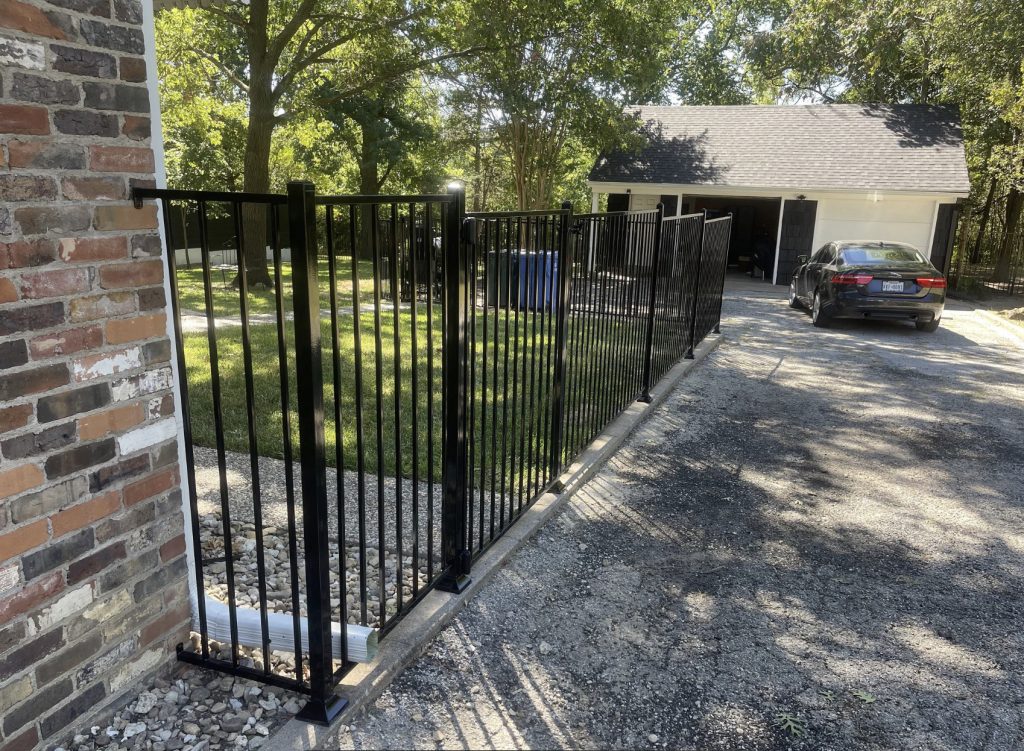
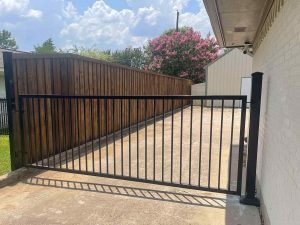
For metal and ornamental fences, coating quality and corrosion protection are key. Powder-coated steel, galvanized components, and stainless fasteners significantly reduce rust and deterioration. In areas of a property where sprinklers hit the fence regularly or where water tends to pool, these details become especially important. A professional like Lowery Fence & Patio will match the material and finish to the conditions, ensuring your fence doesn’t simply look good at installation but continues to resist the elements season after season.

Building A Stable Fence Structure

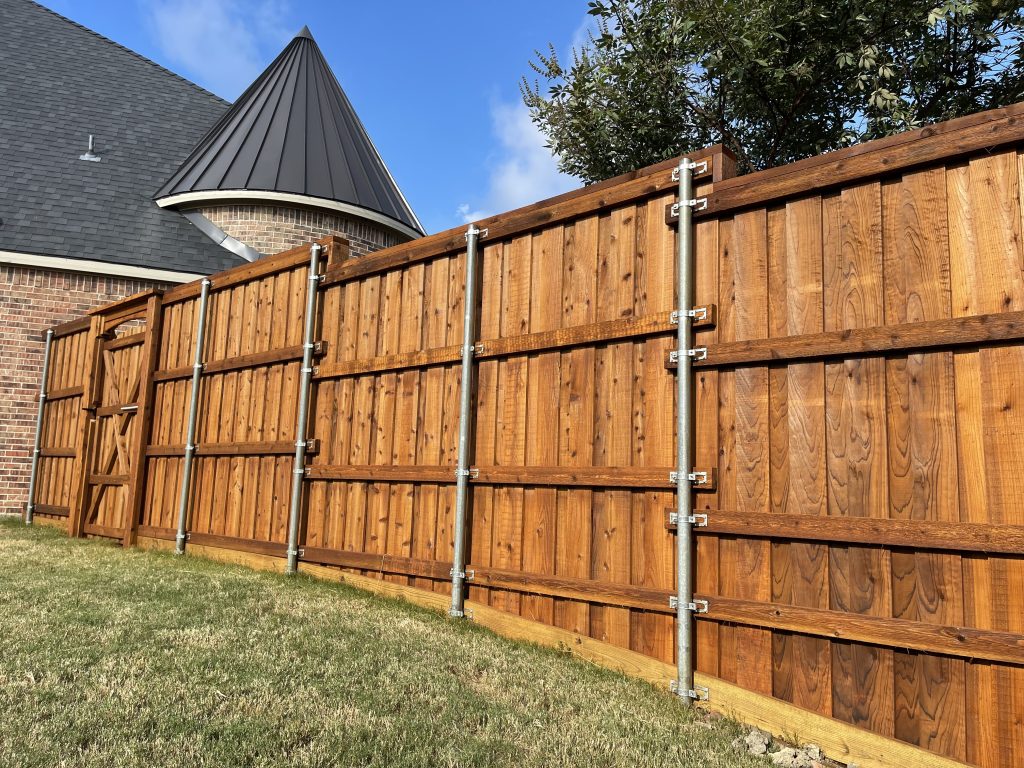
Once the posts are secure, the real structure of the fence takes shape through rails, panels, and pickets. Lasting quality comes from how these components are connected and how they distribute loads such as wind, impact, and daily use. Horizontal rails must be properly spaced and firmly attached to posts; too few rails can cause pickets to warp and bow, while poorly secured rails can pull away under pressure. In most residential wood fences, three rails are standard for six-foot heights, but on taller or more exposed stretches, an additional rail or metal reinforcement may be used.

The way pickets are attached to rails significantly impacts longevity. Using corrosion-resistant screws rather than nails, or at least ring-shank nails, helps keep pickets from loosening over time. Screws provide a tighter grip, especially important in Sherman’s climate where wood expands and contracts with temperature and humidity changes. Careful spacing between pickets allows air circulation and accommodates this movement, reducing warping and cracking.

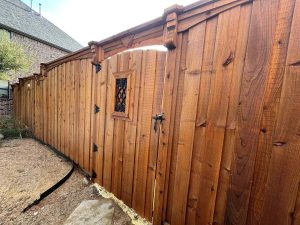
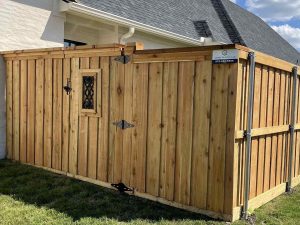
Gate construction is another critical structural element that often determines how satisfied a homeowner feels with their fence years later. A gate is the only part of the fence that regularly moves, so it must be braced properly, hung on strong posts, and supported by hardware rated for its weight and size. Quality installation includes diagonal bracing to prevent sagging, properly aligned hinges, and latches that close securely without forcing. Lowery Fence & Patio pays special attention to gate design and installation, knowing that a sagging or sticking gate can make an otherwise solid fence feel like a constant annoyance.

Accounting For Drainage And Movement

Water is one of the biggest threats to fence longevity, especially for wood systems. Proper installation techniques anticipate how water will move across and through the property. That means avoiding fence lines that trap runoff against the base of the fence, providing small gaps under certain sections for water to pass through, or stepping the fence along slopes instead of forcing it to follow the ground exactly. These practices help prevent soil erosion around posts and reduce long-term rot at the base of pickets and rails.

Expansion and contraction, both in soil and in materials, are a constant reality in Sherman, TX. Experienced installers leave appropriate clearances where necessary, such as between gate frames and posts, or between panels and hard surfaces. Wood components are installed with the understanding that they may shrink slightly as they dry out, so spacing is planned accordingly. This attention to the natural movement of materials prevents binding, cracking, and unnecessary stress on fasteners.

Ventilation is another subtle but important factor. Fences installed too tightly against structures or landscaping that traps moisture can deteriorate more quickly. Leaving small, intentional gaps and avoiding soil contact where possible allows wood to dry out after rain and reduces the conditions that promote mold, mildew, and decay. These techniques don’t change the fence’s primary function of privacy, security, or containment, but they quietly add years to its service life.

Professional Craftsmanship And Local Expertise

Tools and materials may be similar from one installer to another, but the mindset and craftsmanship behind the work make a significant difference. A crew that understands Sherman’s climate, soil, and neighborhood expectations brings a level of local expertise that can’t be replicated by generic instructions or out-of-town contractors. Lowery Fence & Patio has built and repaired enough fences in the area to know which techniques hold up best under our specific conditions and which shortcuts lead to callbacks.

Professional craftsmanship shows up in the little things: posts set exactly on line, rails cut to fit snugly, fasteners driven cleanly without splitting the wood, and top lines that flow smoothly even across changing grades. These details contribute not only to appearance but also to structural integrity. A fence with tight, accurate joins is less likely to rattle, loosen, or twist over time.

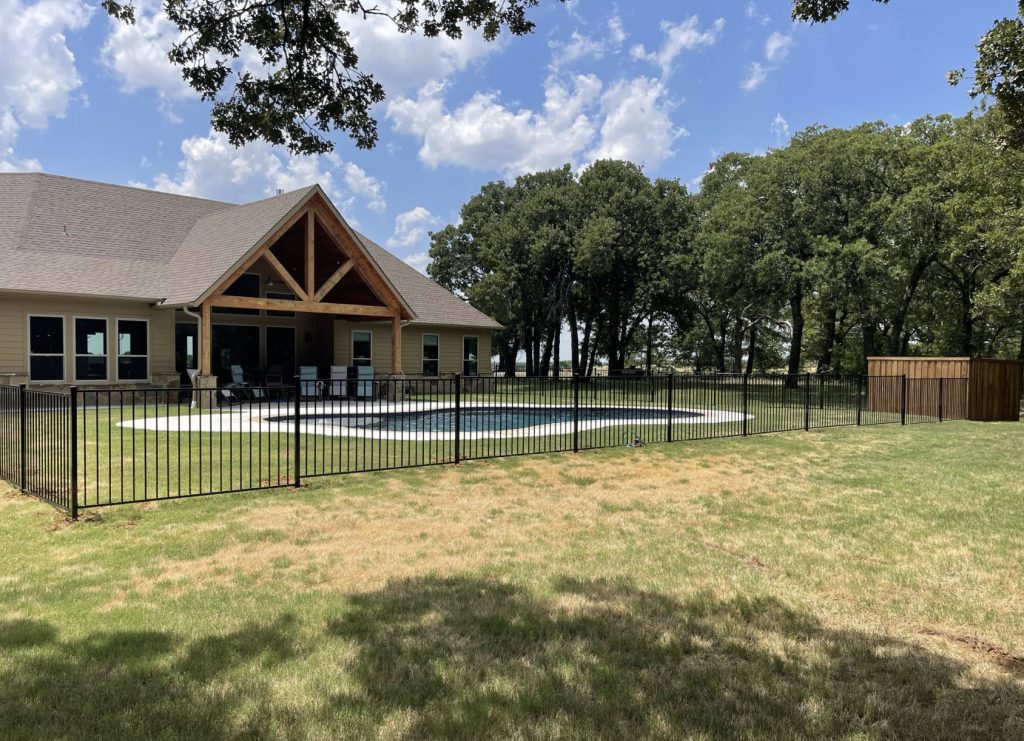
Clear communication with the homeowner is also part of long-lasting quality. Explaining why certain choices are made—such as deeper posts in certain areas, different hardware for gates, or a particular footing style—helps you understand the value you’re getting. It also means the fence is tailored to how you plan to use your space, whether that’s keeping pets secure, creating privacy, or adding a decorative boundary around a patio or pool.

Frequently Asked Questions

How deep should fence posts be set for long-lasting stability? In general, fence posts should be set at least one-third of their total length into the ground, but in Sherman’s clay soils, going deeper is often wise for taller fences or high-wind areas. For a typical six-foot residential fence, that usually means a post hole depth of 24 to 30 inches, sometimes more. Professionals like Lowery Fence & Patio also consider soil type, fence height, and gate locations when determining final depth. The goal is to create a footing that resists both vertical movement and lateral forces from wind and everyday use.

Is concrete always necessary around fence posts? While some light-duty or temporary fences can be set without concrete, a long-lasting, full-height residential or commercial fence almost always benefits from properly mixed and placed concrete footings. Concrete locks the post in place, spreads loads into the surrounding soil, and reduces the risk of posts leaning or heaving. In some cases, gravel may be used at the bottom of the hole for drainage, with concrete above it. Skipping concrete or using it improperly (like dumping it in dry) is one of the most common reasons fences fail sooner than they should.

What kind of maintenance does a well-installed fence need? Even with excellent installation, every fence needs periodic maintenance to achieve its full lifespan. For wood fences, this includes sealing or staining every few years, checking for loose fasteners, trimming vegetation away from the fence line, and addressing any signs of rot early. Metal fences benefit from occasional cleaning, touch-up of scratched coatings, and lubrication of hinges and latches. A fence installed with quality techniques will respond better to maintenance and often require fewer major repairs over time because its foundational elements—posts, rails, and hardware—were done right from the start.

Can portable or temporary fencing be installed with lasting quality in mind? Yes, even temporary barriers can be installed using principles that promote stability and safety. The key is choosing the right system, such as well-designed Portable fence panels with secure bases and proper anchoring. While they’re not meant to be permanent, quality temporary fences still rely on correct spacing, bracing, and attention to ground conditions. Lowery Fence & Patio can recommend options that balance flexibility with durability so your temporary solution doesn’t become a constant hassle.

Why should I choose a local installer like Lowery Fence & Patio in Sherman, TX? A local installer brings firsthand knowledge of regional soil conditions, weather patterns, and code requirements, all of which directly affect fence performance. Lowery Fence & Patio understands how Sherman’s clay soils behave, what wind loads are typical, and what styles and materials hold up best in this climate. That experience translates into smarter installation techniques, fewer surprises, and fences that are built specifically for the demands of North Texas, not just for generic conditions found in a manual or online tutorial.

Leave a Comment

Your email address will not be published. Required fields are marked *

Scroll to Top