
Securing What’s Important

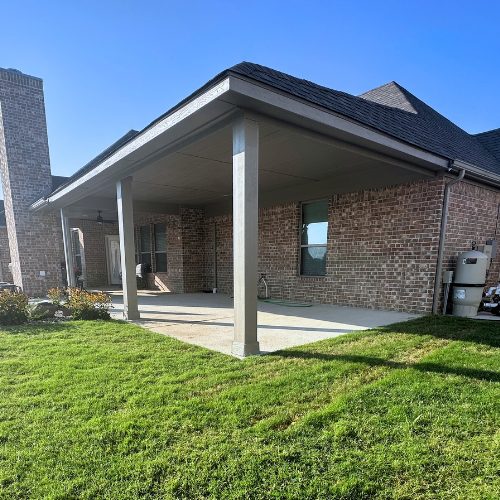





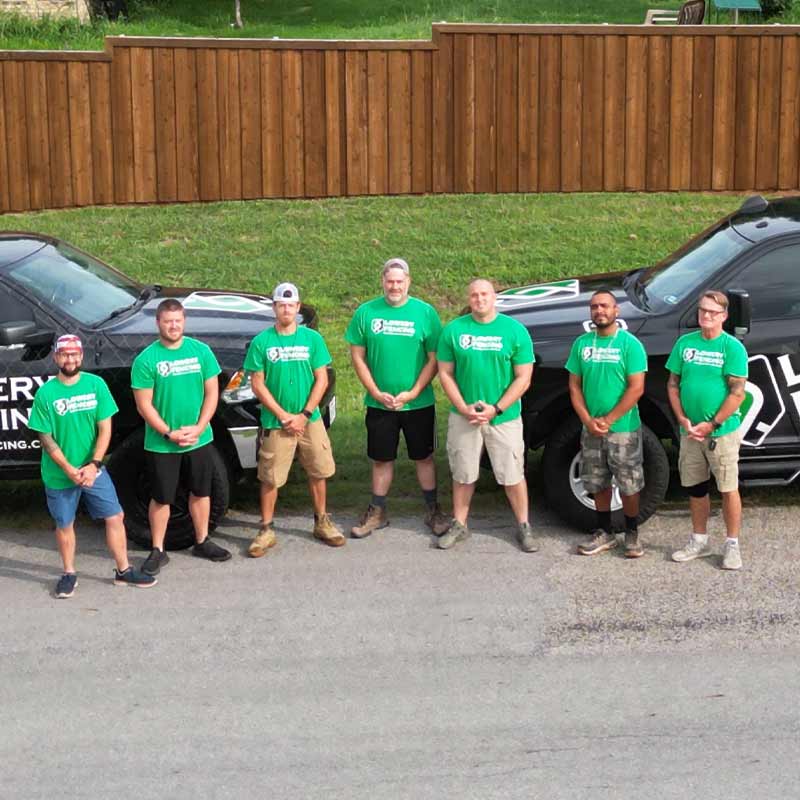

About Lowery Fence & Patio
High-Quality Fencing Solutions & More!
Contact Us Today!

American Fence Association Proud Member
American Fence Association membership connects our team with industry education, standards, events, and professional resources.

Fence Workers Association Member Badge
This membership supports continued learning, trade connections, and professional growth within the fence industry.

No Dig Fence Pro Trained & Certified
No Dig Fence Pro training expands our knowledge of installation methods designed to reduce excavation and site disruption.

FENCETECH / METALfab 2022 New Orleans
FENCETECH / METALfab 2022 provided access to product education, equipment, installation methods, and industry best practices.

FENCETECH 2026 Indianapolis
FENCETECH Indianapolis 2026 represents continued investment in trade education, new technology, and professional connections.

2024 Quality Business Awards Winner
Recognized by the Quality Business Awards for strong customer satisfaction and service quality in 2024.

2025 Quality Business Awards Winner
A second consecutive year of recognition from the Quality Business Awards, reflecting continued service quality and customer satisfaction.

Google Reviews 600+ Combined Reviews
Across Lowery Fence & Patio locations, Google review totals now display 600+ combined reviews with a 5.0 overall rating.

Facebook 5.0 Rating
Lowery Fence & Patio maintains a 5.0 rating on Facebook. The current Facebook review count can be added once confirmed.

Yelp
Lowery Fence & Patio is also represented on Yelp, giving homeowners another place to review the company and compare customer feedback.

Bonham Area Chamber of Commerce
The Building a Better Bonham badge reflects local chamber involvement and connection with the Bonham business community.

OSHA 10 Hour Construction Outreach Training
OSHA 10 Hour Outreach training reinforces awareness of common jobsite hazards and safer work practices.

BBB Accredited Business With an A+ Rating
Lowery Fence & Patio is a BBB Accredited Business with an A+ rating, demonstrating a commitment to trust, transparency, and responsive customer service.

LiftMaster Access Control Solutions
LiftMaster products support dependable automated gate and access control solutions for residential and commercial properties.

HomeAdvisor Screened & Approved
This badge reflects Lowery Fence & Patio’s participation in HomeAdvisor’s screening program when it was awarded.

HomeAdvisor Top Rated
Top Rated recognition reflects strong homeowner feedback on the HomeAdvisor platform.

HomeAdvisor Elite Service
Elite Service recognition highlights service quality, responsiveness, and professionalism reported through HomeAdvisor.

Google Guaranteed Service Provider Legacy Badge
This legacy badge documents prior participation in Google’s Local Services screening program; it is not presented as a current guarantee.

Sherman Chamber of Commerce
Sherman Chamber membership keeps us connected with the local businesses and community we call home.

Denison Area Chamber of Commerce
Denison Chamber membership strengthens relationships across the area and supports local business involvement.

Pottsboro Area Chamber of Commerce
Pottsboro Chamber membership keeps us connected with customers, businesses, and leaders around Lake Texoma.

McKinney Chamber of Commerce
McKinney Chamber membership supports stronger business relationships throughout Collin County.

2022 Nextdoor Neighborhood Favorite
Lowery Fence & Patio was named a 2022 Nextdoor Neighborhood Favorite through recommendations from local neighbors and customers.

2023 Nextdoor Neighborhood Fave
The 2023 Neighborhood Fave recognition reflects another year of positive recommendations across the communities we serve.

2024 Nextdoor Neighborhood Faves
This 2024 Nextdoor honor highlights continued neighborhood trust in our service, communication, and craftsmanship.

2025 Nextdoor Neighborhood Fave
The 2025 badge marks four consecutive years of recognition from local Nextdoor communities.
Our Services

Why Choose Lowery Fence & Patio?
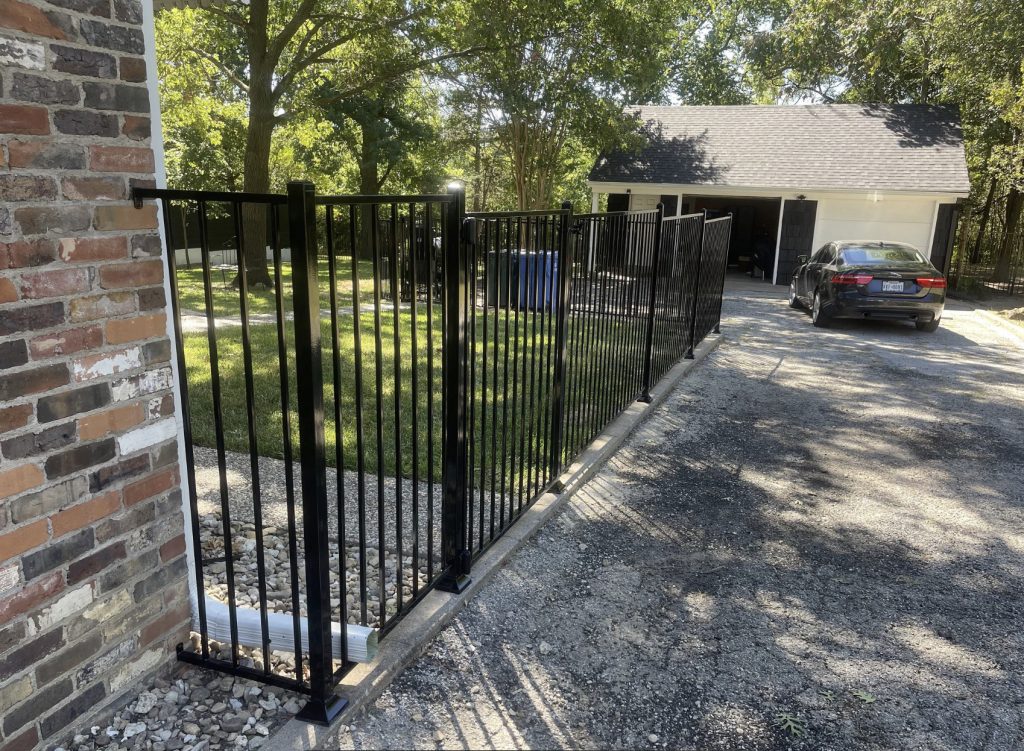
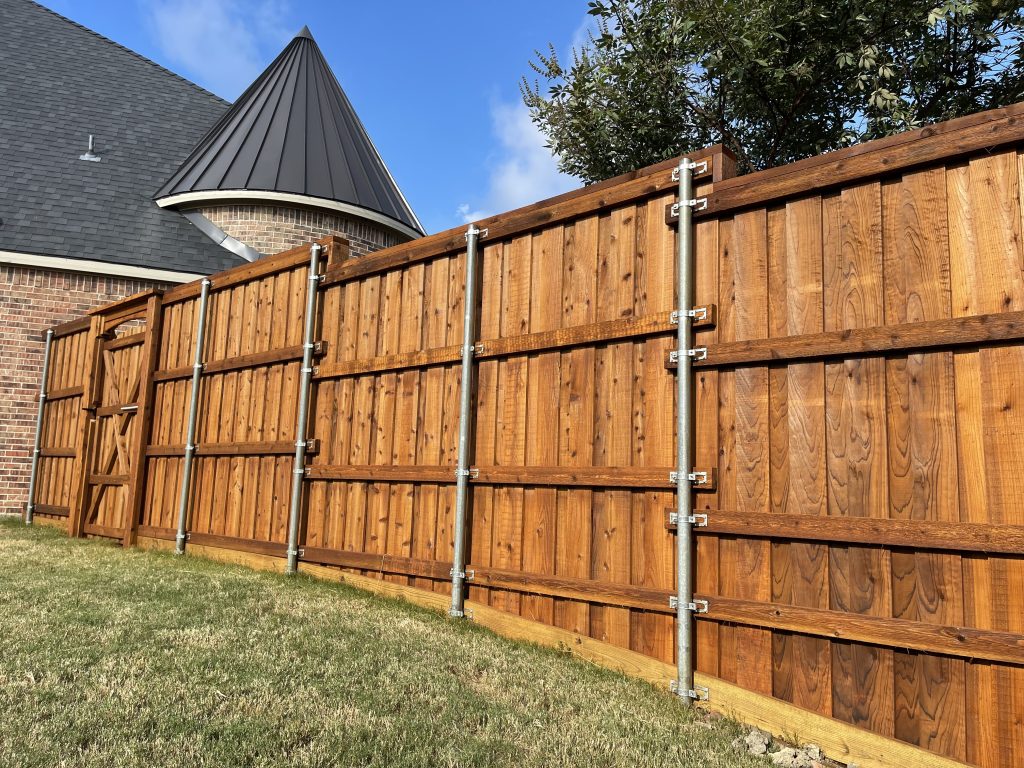
Preferred Fencing Contractors & More
Project Gallery

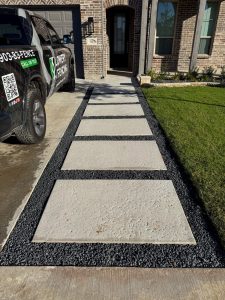
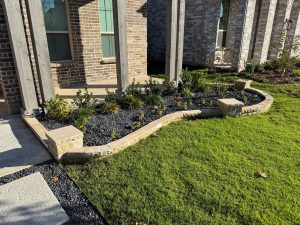
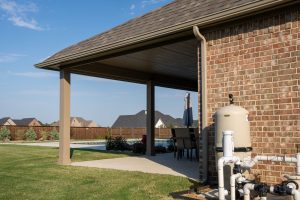
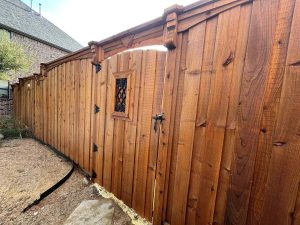
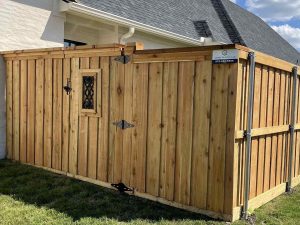
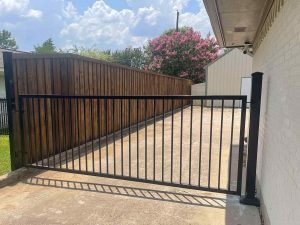
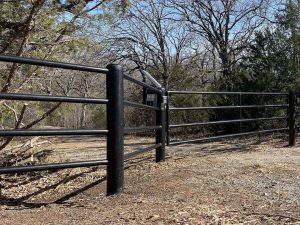
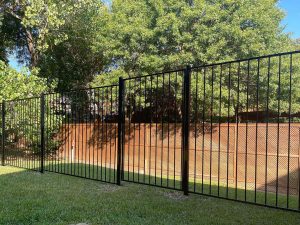
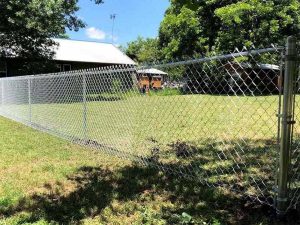
Our Easy Process
Bring your Dream Fence to Reality!

Measure Your Property
Before we begin any project, our first step is thorough research. Whether it’s through our expert team or on your own, having the right dimensions is essential in determining how much material is required. Every project starts off with precise measurements, allowing us to offer accurate estimates and setting the foundation for transparent and reliable service.

Select a Fence Style
Our knowledgeable design team is here to help you find the style that fits best with your needs and preferences. With a wide selection of fencing types, you can be sure to choose one that looks great and serves its purpose.

Delivery and Installation
Once the details are finalized, our team brings your vision to life, using high-quality materials and expert techniques. We prioritize precision and craftsmanship to ensure that the final product exceeds your expectations. Effective communication is a cornerstone of our process; we want you to feel confident from beginning to end. During and after the production phase, we provide regular updates, eliminating the need for follow-up calls.
Frequently Asked Questions

Our Service area
RECENT ARTICLES
The latest projects and outdoor living tips from our crew
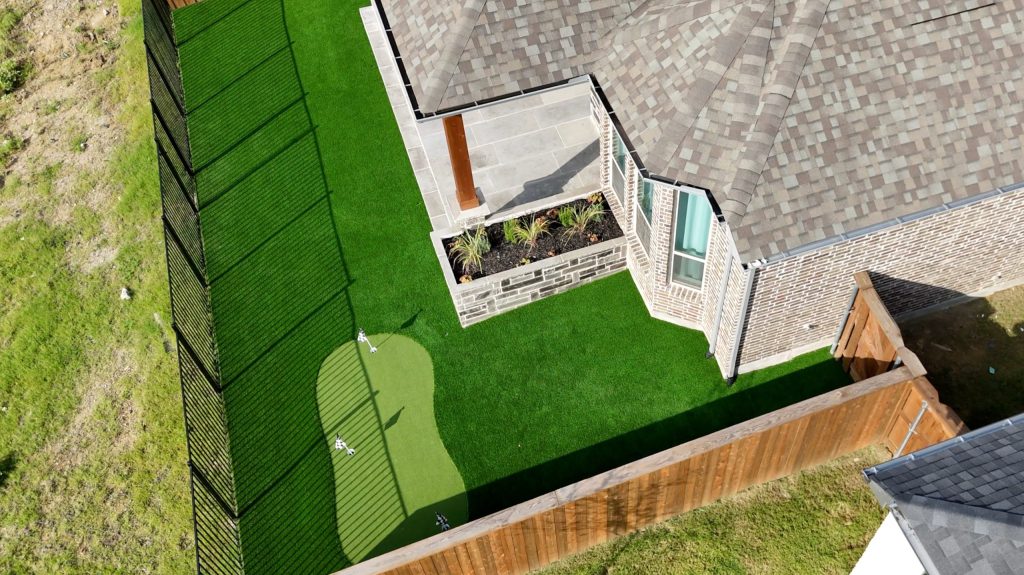
Outdoor living patio maintenance schedule and upkeep tips
Outdoor Living Maintenance for Sherman, TX Outdoor living patio maintenance schedule and upkeep tips If…
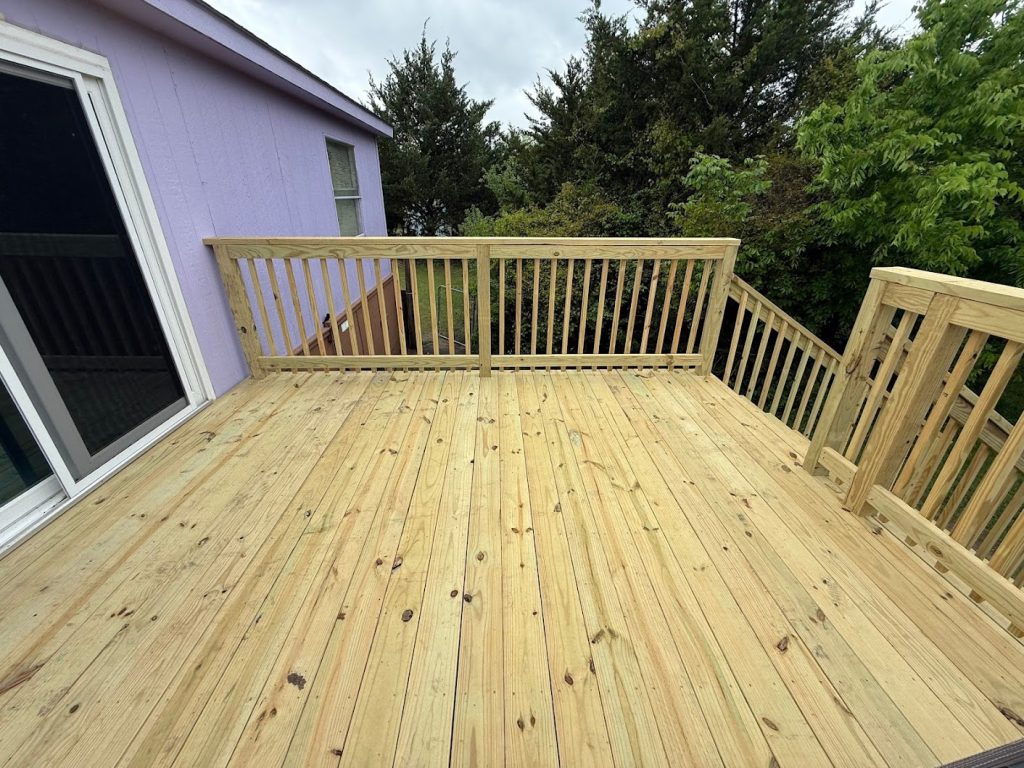
How Often Deck Installation Requires Maintenance Aftercare
Deck care after installation How Often Deck Installation Requires Maintenance Aftercare If your new deck…
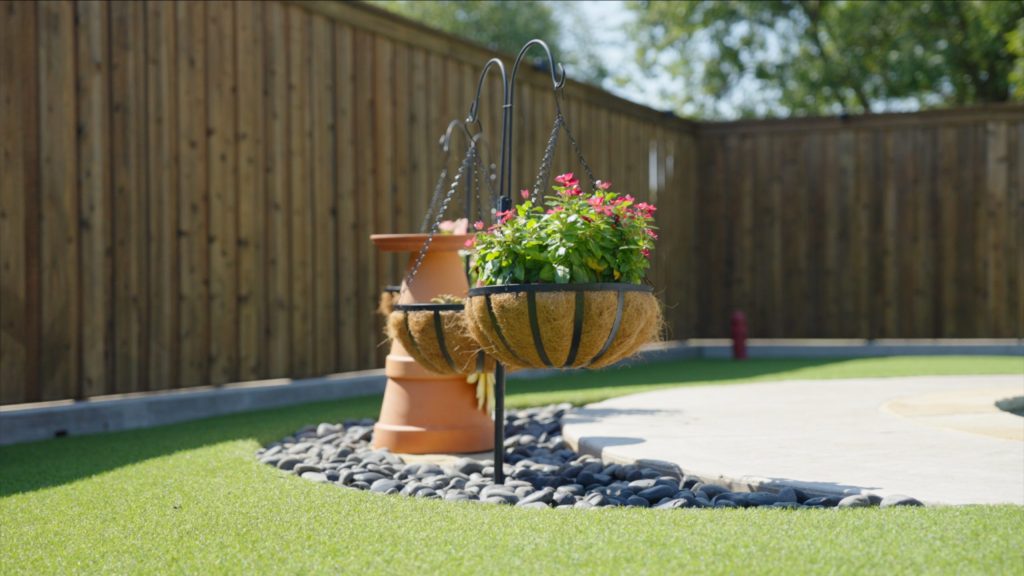
Patio Builder Maintenance Tips for Long-Term Outdoor Living
Patio + fence maintenance guide Patio Builder Maintenance Tips for Long-Term Outdoor Living If your…
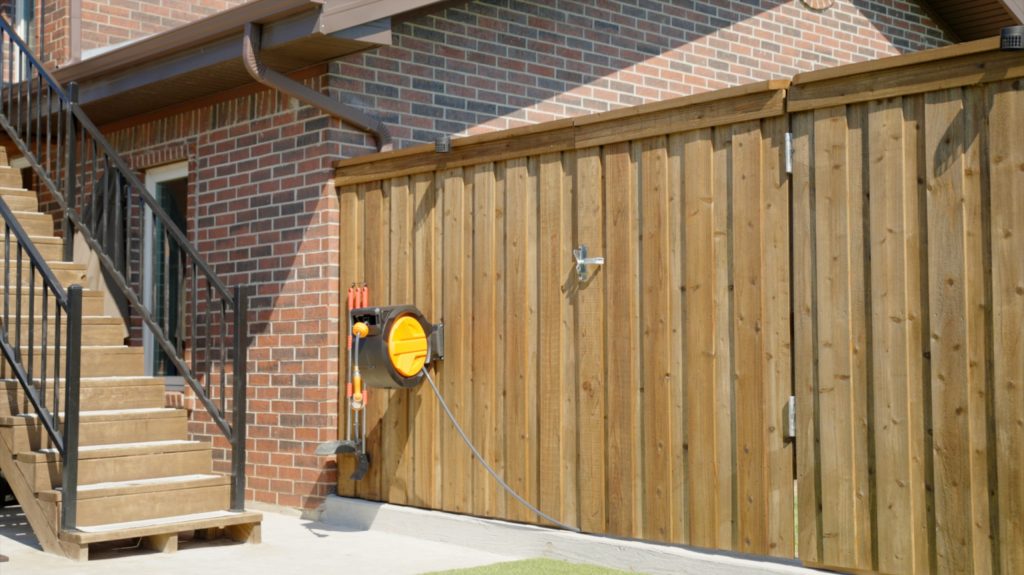
Comparing Fence Materials: Vinyl vs Wood vs Metal
Fence Material Match-Up Comparing Fence Materials: Vinyl vs Wood vs Metal If you are planning…
How Often Should You Schedule Fence Installation Maintenance?
Fence & Outdoor Living Maintenance How Often Should You Schedule Fence Installation Maintenance? If you…
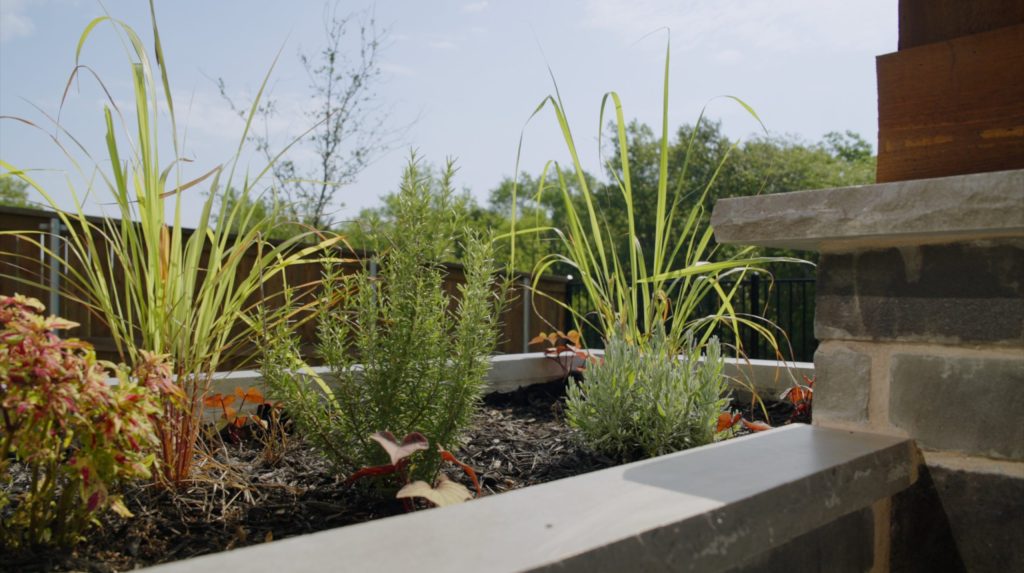
How much does outdoor living patio building cost
Outdoor Living Patio Building in Sherman, TX How much does outdoor living patio building cost?…
ElevatE Your Property
Schedule Your Free Fencing Estimate Today!
A new fence can have a significant impact on your privacy, security, and curb appeal. At Lowery Fence & Patio, we guarantee your next fence installation will not only enhance the look of your property but also create a safe, secure area for your family and friends. Make sure you get the right fence for your home by working with our trusted fence company in the Sherman area. No matter what type of fence you’re interested in installing, you can count on our team to install it correctly!