
How much smoother would your patio project feel if everyone involved knew exactly what you wanted, how you lived in your outdoor space, and what challenges your yard presents before the first post hole was ever dug? Successful patio builder collaborations rarely happen by accident; they come from clear expectations, smart planning, and consistent communication between you and your contractor. When homeowners in Sherman, TX work with a professional like Lowery Fence & Patio, the difference between a stressful project and a smooth one often comes down to a handful of best practices followed from day one.
Patio projects may look simple from the outside, but they involve design decisions, permits, drainage planning, materials sourcing, scheduling around Texas weather, and often the integration of fences, shade structures, and landscaping. Without a strategy for collaboration, small misunderstandings can snowball into delays or changes you never wanted. With a strategy, the process feels more like a guided partnership, where your ideas and your builder’s expertise work together to create a space that truly fits your home and lifestyle.
This guide walks through practical, real-world best practices for collaborating with a patio builder, with a special focus on how homeowners in the Sherman, TX area can get the most from working with Lowery Fence & Patio. From the first conversation to long-term maintenance, every stage offers opportunities to communicate better, plan smarter, and protect your investment.
Clarify Your Vision Early
Every strong collaboration starts with a clear vision, even if that vision is still rough around the edges. Before you contact a patio builder, spend some time thinking about how you want to use your outdoor space. Do you picture quiet mornings with coffee, big family barbecues, or a low-maintenance retreat that doesn’t demand weekend upkeep? Writing down your goals and priorities will give your builder a concrete foundation to work from, instead of vague statements like “I just want something nice.”
It also helps to gather visual inspiration. Save photos, sketches, or even quick phone snapshots of patios you like—materials, colors, shapes, lighting, and furniture arrangements. When homeowners in Sherman bring this kind of reference material to Lowery Fence & Patio, it shortens the discovery phase and reduces guesswork. Your builder can quickly see patterns in what you like: maybe you prefer clean lines and modern finishes, or perhaps you’re drawn to rustic stone and warm wood tones.
Just as important as what you want is what you don’t want. If you dislike certain materials, colors, or design styles, say so from the start. Maybe you know that dark pavers get too hot under the North Texas sun, or that you don’t want a raised patio because you need a smooth transition for accessibility. Clear “no-go” items are invaluable to your builder and help them avoid suggesting options that won’t fit your lifestyle or preferences.
Finally, think about how the patio connects to the rest of your property. In Sherman, many homes have existing fences, side yards, or sloped backyards that affect design choices. Sharing this context early helps your builder design a patio that feels integrated with your fence lines, gates, and existing landscaping rather than an afterthought tacked onto the back door.
Communicate Budget And Priorities
Open and honest budget conversations are one of the most critical best practices in any patio collaboration. Many homeowners hesitate to share a specific number, worrying it will be treated as a target to spend every dollar. In reality, reputable companies like Lowery Fence & Patio use your budget as a boundary to design within, helping you get the most value instead of pushing unnecessary upgrades.
Rather than simply stating a total amount, break your budget into priorities. For example, you might say that long-term durability and shade are more important than fancy built-in seating, or that you’re willing to invest more in a high-quality concrete foundation but can live with simpler lighting for now. When your builder understands what matters most, they can suggest adjustments—such as alternative materials or phased construction—to keep the project on track financially without sacrificing your core goals.
Ask for transparent, itemized estimates and take time to review them carefully. Look beyond the bottom line and pay attention to what is included: site prep, drainage solutions, permits, hauling off debris, and any coordination with fencing or other structures. In a place like Sherman, where soil conditions and drainage can vary a lot from yard to yard, skipping or underestimating these items can lead to hidden costs later. A detailed estimate is a sign that your builder is thinking through the whole project, not just the visible surface.
It is also wise to discuss a contingency plan. Outdoor projects can run into surprises—hidden utilities, unexpected soil issues, or design changes midstream. Setting aside a small percentage of your budget as a contingency and agreeing with your builder on how any changes will be approved and documented keeps everyone on the same page if something unexpected comes up.
Plan For Sherman’s Climate And Site Conditions
Best practices in patio collaboration always include planning around local conditions, and Sherman’s climate should shape many of your decisions. Summers are hot, winter cold snaps can happen, and sudden storms are not unusual. When you and your builder talk openly about how these realities affect materials, layout, and construction, you end up with a patio that performs well in real life, not just on paper.
Shade is a major consideration in North Texas. Discuss options like pergolas, roof extensions, or shade sails, and how they might tie into existing structures or fences. Lowery Fence & Patio can help you weigh the pros and cons of each: permanent shade vs. flexible options, maintenance requirements, and how they handle wind and weather. Planning for shade early also affects where you place seating areas, cooking zones, or pathways.
Drainage is another critical topic to address collaboratively. Ask your builder how water will move across and away from the patio, especially during heavy rains. Inadequate drainage can cause standing water, slippery surfaces, or even damage to your home’s foundation or nearby fencing. A good patio builder will talk about slopes, drains, and how the patio interacts with your yard’s existing grade. Sharing any past drainage problems you’ve noticed—like soggy spots or erosion—helps them design a more resilient solution.
Soil type, existing trees, and property lines also affect design and construction. Large tree roots might limit where you can place certain features, and clay-heavy soils may require specific preparation to prevent cracking or shifting. Sherman homeowners benefit when they walk the site with their builder, point out concerns, and ask how each factor is being addressed in the design. That shared understanding reduces surprises and builds trust in the final plan.
Coordinate Fences, Patios, And Other Features
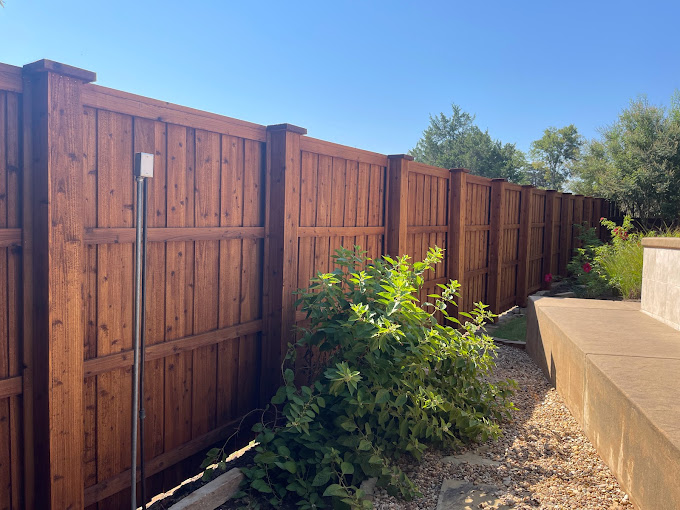
Outdoor spaces rarely exist in isolation. Patios, fences, walkways, and even features like Decorative iron fences work together to create the overall feel and function of your yard. One of the best collaboration practices is to talk about these elements as a unified whole instead of treating each project separately. This is a particular strength when working with a company like Lowery Fence & Patio that understands both fencing and patio construction.
Start by discussing how people will move through your yard. Where will guests enter from? How will you bring out food from the kitchen? Where will kids play, and how will pets be contained? These questions help shape the relationship between the patio and your fence lines, gates, and any future additions like decks or garden beds. Coordinating these pieces from the beginning avoids awkward layouts or blocked pathways down the road.
Privacy and views are also part of this coordination. Perhaps you want a cozy, private dining nook shielded from the street or neighboring yards, while still preserving a view of open fields or trees common in and around Sherman. Collaborating with your builder on fence height, materials, and placement relative to the patio can achieve both goals—privacy where you need it, openness where you want it. When these decisions are made together, the finished space feels intentional instead of pieced together.
Finally, think about long-term plans. If you know you’ll eventually add a hot tub, outdoor kitchen, or additional fencing, share that vision early. Your builder can incorporate conduit runs, extra electrical capacity, reinforcement, or layout choices that make those future upgrades easier and more cost-effective. Good collaboration looks beyond the current project and sets you up for a backyard that can evolve gracefully over time.
Agree On Process, Timeline, And Communication
Even the best design can become frustrating if the process is chaotic. A key best practice is to work with your patio builder to define how the project will unfold before construction starts. Ask about the sequence of steps: design approval, permits, material ordering, demolition, construction, inspections, and final walkthrough. Having a shared roadmap gives you realistic expectations and reduces anxiety when you see work happening (or temporarily not happening) in your yard.
Timelines should be discussed in terms of both ideal schedules and realistic allowances. In Sherman, weather can influence concrete curing times and outdoor work days. When Lowery Fence & Patio outlines a schedule, ask which parts are flexible and which are fixed. Understanding where delays might occur—such as waiting on specific materials—helps you plan your own life around the project and avoids misunderstandings if the schedule shifts slightly.
Communication methods and frequency matter just as much as the timeline itself. Decide how you prefer to receive updates: phone calls, emails, text messages, or scheduled on-site check-ins. Establish a single point of contact on the builder’s side and clarify who in your household will make decisions. This avoids mixed messages and ensures that questions, change requests, or concerns are handled promptly and clearly.
Another smart practice is to agree on how changes will be managed. Even with careful planning, you may decide to adjust something once you see it taking shape. A written change order process—outlining cost impacts, schedule implications, and what exactly is being modified—protects both you and your builder. It keeps the project organized and prevents confusion about what was requested or approved.
Focus On Quality, Safety, And Long-Term Care
Collaboration does not end when the last paver is laid or the final post is set. Working well with your patio builder includes talking about quality standards, safety, and ongoing maintenance. Ask what quality checks are performed during and after construction. For example, how are slopes measured, how is concrete reinforced, and what standards are used for setting posts or installing railings? When you discuss these details, you gain confidence that the work meets or exceeds local codes and professional best practices.
Safety is especially important if your patio connects to pools, elevated areas, or yards used by children and pets. Discuss railings, steps, lighting, and surface textures to minimize slips and falls. In a place like Sherman, where weather can quickly turn from sunny to wet, a slightly textured surface or strategic lighting on steps can make a big difference. A collaborative builder will welcome these conversations and offer suggestions rather than treating safety as an afterthought.
Before the project wraps up, take time for a thorough walkthrough with your builder. This is your chance to ask questions about how things work, verify that details match the plan, and understand how to care for your new patio and any related fencing. Request written care instructions and warranty information. Knowing how to clean surfaces, when to reseal, and what signs of wear to watch for will help your investment last longer and look better.
Finally, view your relationship with your patio builder as ongoing rather than transactional. If you notice small issues after living with the space—such as a minor drainage concern or a question about expansion—reach out. A company with deep roots in the Sherman, TX community, like Lowery Fence & Patio, wants projects to stand the test of time and often appreciates the opportunity to fine-tune or advise. That continued dialogue is the mark of a truly successful collaboration.
Frequently Asked Questions
How should I prepare before meeting with a patio builder? Before your first meeting, think through how you want to use your patio, gather photos or examples of spaces you like, and walk your yard to notice any issues like standing water or uneven ground. Have a realistic budget range in mind and a list of “must-haves” and “nice-to-haves.” In Sherman, it also helps to note how the sun moves across your yard and where you currently get the most shade or wind exposure. Bringing this information to Lowery Fence & Patio or any builder gives them a strong starting point to design a space tailored to your needs.
Why is discussing drainage and slope so important? Proper drainage and slope are critical to the long-term performance and safety of your patio. Without them, water can pool on the surface, create slippery areas, or even flow back toward your home’s foundation or fence line. In North Texas, heavy rainstorms can expose any weaknesses quickly. Collaborating with your builder to understand how water will move across and away from the patio ensures that the design protects both your new outdoor space and your home, reducing future maintenance and repair costs.
How can I avoid unexpected costs during my patio project? The best way to minimize surprises is through detailed planning and transparent communication. Ask for a written, itemized estimate that includes site preparation, materials, labor, permits, and cleanup. Share any known issues with your yard, such as poor soil, previous construction, or utility locations. Agree on a clear change order process so that any requested adjustments are documented with updated pricing and timeline information. Setting aside a small contingency budget and talking openly with your builder, like Lowery Fence & Patio, about potential variables will help keep your project financially predictable.
What makes a good patio builder collaboration in Sherman, TX specifically? In Sherman, a strong collaboration means taking local climate, soil, and neighborhood patterns into account. A good builder will talk with you about shade needs, heat, winter conditions, and storm drainage, as well as how your patio will coordinate with existing fences and property lines. They will be familiar with local codes and common yard layouts in the area. When both you and your builder bring local knowledge to the table and communicate clearly, the result is a patio that feels naturally suited to your home and community.
How do I know if my builder is truly listening to my needs? You can usually tell by how they respond to your questions and ideas. A builder who is listening will restate your goals in their own words, ask follow-up questions, and explain how their proposed design addresses your specific concerns. They will adjust plans when you raise issues and provide clear reasons for any recommendations they make. When working with a company like Lowery Fence & Patio, you should feel like a partner in the process, not just a bystander watching decisions being made. If you consistently feel heard and informed, that is a strong sign of a healthy collaboration.