
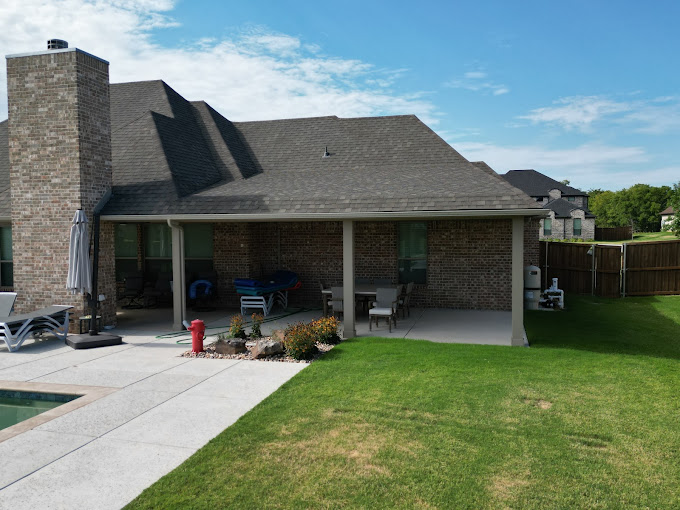
By the time the sun dipped behind the trees, the plain concrete pad behind the house had already transformed into something else entirely. String lights traced the outline of a new deck, steps wrapped around a mature oak, and a built-in bench framed a fire pit that seemed to invite conversation. What was once an awkward, sloped backyard in Sherman, TX had become the most-loved “room” of the house—thanks to a creative deck design that worked with the yard instead of fighting it.
Many backyards in North Texas are anything but cookie-cutter. Sloping lots, existing trees, drainage swales, odd property lines, and mixed-use spaces (for pets, kids, and entertaining) make it challenging to drop in a standard rectangular deck and call it done. That’s where creative deck installation becomes powerful. Instead of forcing a generic layout, a well-planned deck can respond to every quirk of your yard and turn it into a signature feature. Lowery Fence & Patio has seen this over and over again in Sherman: the most unique backyards often end up with the most memorable decks.
Creative deck installation is not just about choosing a trendy railing or a different stain color. It’s about rethinking how you move through your outdoor space, how each level of your yard can serve a purpose, and how the deck can tie everything together. When design and construction are handled thoughtfully, a deck becomes more than a platform—it becomes a bridge between your home and the landscape, tailored to your lifestyle, your property, and the way you actually live outside.
Reading Your Backyard First
Before choosing materials or sketching shapes, the most important step in creative deck installation is reading the backyard. Every property in Sherman, TX tells a story: where the water flows during a thunderstorm, where the shade falls at 4 p.m. in August, and where the breeze naturally funnels through. A deck that ignores these clues can end up too hot, too wet, or rarely used. A deck that respects them feels naturally comfortable from day one.
Lowery Fence & Patio often starts by walking the yard at different vantage points. They look at grade changes, existing trees, fence lines, neighboring houses, and how doors and windows line up with potential deck locations. On a sloped yard, for example, a single-level deck might feel disconnected, while a multi-level deck can gently step down the hill, creating different “zones” without heavy retaining walls. In a tight urban lot, the design might emphasize vertical interest—planter boxes, privacy screens, or pergolas—to make the space feel larger.
Sun and shade patterns are another critical factor. In Sherman’s hot summers, a deck blasted by direct afternoon sun might see less use than a partially shaded design. Creative solutions might include wrapping the deck around a shade tree, adding a pergola or overhead lattice, or orienting seating to capture prevailing breezes. Rather than fighting the climate, the deck can be oriented to work with it, keeping you outside longer and more often.
Finally, understanding how you intend to use the space drives many layout decisions. Families with young kids may prioritize a clear line of sight from the kitchen to the play area, while avid grillers might want the cooking station close to the back door and away from prevailing winds. By blending these functional needs with the physical realities of your yard, designers can start to imagine a deck that feels like it belongs there from the start.
Shapes, Levels, And Layouts
Once the yard has been “read,” the fun part begins: exploring creative shapes, levels, and layouts. Traditional rectangular decks still have their place, but unique backyards often demand something more responsive. Curved edges, angled corners, and multi-level platforms can soften hard lines and make a deck feel more like an organic extension of the landscape than a rigid add-on.
Multi-level decks are especially effective in Sherman’s varied terrain. A raised main deck off the back door might transition to a mid-level lounging platform, then down again to a ground-level fire pit or garden area. Each level can have a distinct personality—dining on one, lounging on another, and play space on a third—while still feeling connected. This layered approach can also minimize the need for massive stairs, making the deck more comfortable and visually interesting.
Angled layouts can respond neatly to odd property lines or existing structures. Instead of fighting a diagonal fence line or a corner-set pool, a deck can echo those angles and turn them into design features. For example, a deck in Sherman might fan out from the back door at a 45-degree angle to frame a view of the pasture beyond, while built-in benches follow the same geometry to create a cohesive, custom look.
Even small backyards benefit from thoughtful layout. In tight spaces, creative installation might mean wrapping a narrow deck along two sides of the house, incorporating built-in seating to save space, or using floating steps to connect to a lower patio. The key is to treat the deck as a three-dimensional puzzle: working with height, depth, and flow to make every square foot count.
Blending Decks With Nature
One of the most striking ways to make a backyard deck feel unique is to weave it directly into the natural elements on site. Mature trees, rock outcroppings, existing gardens, and even small ponds can become anchors for the design rather than obstacles to work around. Lowery Fence & Patio often helps homeowners in Sherman see these “problems” as opportunities for standout features.
For example, instead of cutting down a healthy shade tree, a deck can be built around it, with a generous opening for the trunk and branches. This not only preserves shade but creates a distinctive visual centerpiece. Similarly, a boulder or rock ledge can be integrated into a lower deck level, serving as a natural seat or backdrop. These kinds of details make the deck feel grounded in the landscape instead of perched awkwardly above it.
Planting beds and planters are another powerful tool. Rather than leaving all the greenery at ground level, creative deck designs might include integrated planters along railings, at the edges of steps, or as dividers between zones. These planters can host herbs near the outdoor kitchen, colorful annuals near the seating area, or even dwarf shrubs for privacy. Over time, the plants soften the structure and make the deck feel like part of the garden.
Water and wildlife also play a role. In some Sherman yards, a small water feature near the deck—such as a bubbling urn, a narrow rill, or a pond—adds sound and movement. Bird feeders or butterfly-friendly plantings around the deck can turn morning coffee outside into a small wildlife-watching ritual. When a deck is designed to embrace nature, it becomes more than a platform; it becomes a front-row seat to the outdoors.
Materials, Details, And Personality
Creative deck installation is just as much about the small details as it is about the big layout moves. The materials you choose, the style of railing, the pattern of the boards, and the built-in features all contribute to the character of your backyard space. In Sherman, TX, where weather can swing from intense sun to heavy rain and occasional ice, material choices have both aesthetic and practical implications.
Homeowners often choose between natural wood and composite materials. Wood, such as cedar or pressure-treated pine, offers warmth and a more traditional look, but requires regular maintenance to keep it in good shape. Composites and PVC boards provide durability and lower upkeep, with a wide range of colors and textures that can mimic wood grain. Lowery Fence & Patio helps homeowners weigh these trade-offs based on how much time they want to spend maintaining their deck versus simply enjoying it.
Board patterns can also set a deck apart. Instead of all boards running in a single direction, a creative design might incorporate picture-frame borders, diagonal inlays, or herringbone sections to define different areas. These patterns can subtly guide foot traffic, highlight a focal point, or visually separate a dining zone from a lounging area—without the need for walls or railings.
Built-in elements add both function and personality. Benches along the perimeter can double as seating and safety barriers in place of traditional railings. Integrated storage boxes keep cushions, toys, or grilling tools close at hand and out of the weather. Planter boxes, privacy screens, and even built-in lighting all contribute to a deck that feels tailored. In the evenings, carefully placed LED lights on steps, railings, and under benches can transform the deck into a welcoming, usable space long after dark.
Connecting Decks To The Rest Of The Yard
A truly creative deck doesn’t exist in isolation; it connects gracefully to the rest of the backyard and to the home itself. That connection can be physical—via steps, pathways, and gates—and visual, through consistent materials and lines of sight. In Sherman, where many properties blend lawn, garden, play areas, and sometimes even livestock spaces, thoughtful transitions can make the entire property feel more cohesive.
One common approach is to pair a raised deck with a lower patio or gravel area. The deck might host the dining set and lounge chairs, while the lower area accommodates a fire pit, outdoor kitchen, or kids’ play zone. Wide, comfortable steps between levels can function as casual seating during gatherings. When designed by professionals like Lowery Fence & Patio, these transitions feel seamless rather than like separate, unrelated projects.
Connections to side yards and front yards also matter. A narrow side path from the driveway to the deck, for instance, can make it easier to bring groceries out to the grill or move between spaces without cutting through the house. Fencing and gates, another specialty of Lowery Fence & Patio, help define boundaries, keep pets safe, and direct traffic, while still visually tying into the deck’s style and materials. In rural or semi-rural properties near Sherman, that broader site planning might even include coordinating with other improvements like Agricultural Fencing.
Inside the home, doors and windows influence how the deck feels. A deck that lines up with large windows or sliding doors can extend the interior visually, making living rooms or kitchens feel larger. Matching or complementing the home’s trim color, roofline, or architectural style ensures that the deck looks like it belongs to the house, not like an afterthought. When exterior and interior spaces are aligned, stepping onto the deck feels like a natural continuation of daily life.
Working With A Local Deck Professional
Designing and installing a creative deck in a unique backyard can quickly become complex. Structural considerations, local codes, permitting, and long-term durability all need expert attention. In Sherman, TX, partnering with a local company like Lowery Fence & Patio means working with people who understand regional soil conditions, climate patterns, and neighborhood expectations.
Experienced installers know how to place footings for stability on sloped or expansive soils, how to handle drainage so water flows away from the house and deck, and how to choose hardware and fasteners that can stand up to North Texas weather. They also stay current on local building codes, including railing heights, stair dimensions, and load requirements, so your deck is not only beautiful but also safe and compliant.
Just as important is the collaborative design process. A good local deck builder will ask detailed questions about your lifestyle, preferences, and budget, then propose options you may not have considered. They can show you examples from other Sherman-area projects to spark ideas, and they understand how certain designs age over time in this specific climate. That local knowledge makes creative experimentation less risky and more rewarding.
Finally, having a nearby professional means long-term support. Decks are investments, and over the years you may want to add features, expand the layout, or refresh finishes. Working with a company rooted in the community gives you a trusted partner for the life of your outdoor space, ensuring your unique backyard continues to evolve with you.
Frequently Asked Questions
How do I know if my backyard is suitable for a creative deck design? Almost any backyard can benefit from a creative deck design, even (and especially) those with challenges like slopes, odd shapes, or existing trees. A professional will evaluate your yard’s grade, soil, sun exposure, drainage, and access points, then propose solutions that work with those conditions. In Sherman, TX, many of the most successful decks have started with “problem” yards that simply needed a more thoughtful approach.
Will a multi-level deck cost significantly more than a single-level deck? Multi-level decks can involve more framing, stairs, and railings, which can increase cost compared to a simple single-level structure. However, they can also reduce the need for extensive grading or retaining walls in sloped yards, which may offset some expenses. A local contractor like Lowery Fence & Patio can walk through different design options and help balance creativity, functionality, and budget to find the right solution for your property.
What materials are best for decks in Sherman’s climate? Sherman experiences hot summers, occasional freezing conditions, and significant sun exposure, so durability and low maintenance are important considerations. Many homeowners choose composite or PVC materials for their resistance to fading, warping, and insect damage, while others prefer the natural look of cedar or treated lumber with regular sealing and staining. The best choice depends on your desired appearance, maintenance tolerance, and budget; a local professional can explain how each option performs over time in North Texas conditions.
How long does it typically take to design and install a creative deck? Timelines vary based on design complexity, permitting requirements, and weather, but a typical process might range from a few weeks to a couple of months from initial consultation to completion. The design phase includes site evaluation, layout planning, and material selection, followed by permitting if needed. Once construction begins, many decks are completed within one to three weeks, though larger or more intricate projects can take longer. Your contractor should provide a clear schedule and keep you updated as the project progresses.
Can I add features like lighting, seating, or planters later, or should they be included from the start? Many features can be added after the main deck is built, but planning them from the beginning usually leads to better integration and can reduce costs. For example, wiring for lighting is much easier to install during construction than after the deck is finished. Built-in benches, planters, and privacy screens can also be structurally and visually integrated more effectively when they are part of the initial design. When working with a company like Lowery Fence & Patio, it’s wise to discuss both your immediate needs and any future features you might want so the deck can accommodate those plans gracefully.