
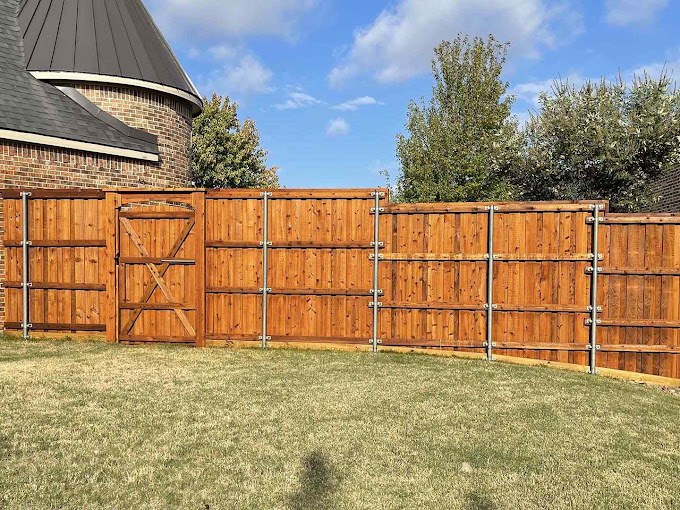
Designing the ideal fence for your property is about much more than drawing a line around your yard. The right fence becomes part of the way your home feels and functions every single day. It influences how private your backyard is when you’re grilling with friends, how safe your kids and pets are when they’re playing, and even how your home looks from the street. In a place like Sherman, TX, where outdoor living is a big part of daily life, a fence is not just a boundary; it is an extension of your home’s personality and a practical tool for comfort and security.
Right now, homeowners are paying closer attention to how their properties work for them. Rising interest in outdoor entertaining, remote work, and home improvement means people are investing in spaces that feel tailored, not generic. A thoughtfully designed fence plays directly into that trend, offering a way to define your yard, control views, and even reduce noise from nearby streets. When you plan your fence with intention, you avoid common frustrations like mismatched materials, awkward transitions on sloped lots, or a style that clashes with your home’s architecture.
For residents in and around Sherman, working with a local company like Lowery Fence & Patio can make the design process more grounded in reality. Local expertise helps you navigate soil conditions, neighborhood expectations, and North Texas weather patterns. Instead of guessing what might hold up or look good, you can design a fence that is tuned to your property, your lifestyle, and your long-term plans.
Clarifying Your Fence Goals
Before you start comparing wood stains or metal finishes, the most important step is deciding what you need your fence to do. Homeowners often jump straight to style, but function should always lead design. Ask yourself: Is privacy your top priority, or are you more concerned about containing pets? Do you want to create a quiet backyard retreat, or are you simply trying to mark your property line in a clean, attractive way? Your answers will shape everything from fence height to material selection.
For example, if you live on a busier street in Sherman, TX, you may want a solid, taller fence to act as a visual and sound buffer. In contrast, if you back up to a scenic pasture or greenbelt, you might prefer a more open design that preserves the view while still defining your space. A family with small children might focus on climb-resistant designs and secure gates, while someone with a dog that likes to dig might need deeper posts and strategic footing solutions.
It also helps to think about how your needs might change over time. Maybe you do not have children now, but you plan to in a few years. Perhaps you are considering adding a pool or patio down the road. Sharing these plans with a professional like Lowery Fence & Patio can lead to design choices that adapt easily, such as gate locations that can later serve as access points to future features, or fence lines that leave room for patios, sheds, or garden expansions.
Finally, consider your maintenance tolerance. Some homeowners enjoy caring for a wood fence, re-staining it every few years as a weekend project. Others know that once the fence is up, they want to forget about it. Being honest about how much time and energy you will devote to upkeep is part of defining your goals and will steer you toward the right material and finish options.
Choosing Materials That Make Sense
Once your goals are clear, material selection becomes much easier. Each fencing material brings its own strengths, weaknesses, and visual character. In North Texas, climate plays a major role: heat, sun, humidity, and the occasional storm all test your fence over time. Choosing materials that suit Sherman’s conditions is essential for a fence that looks good and performs well for years.
Wood remains a favorite for many homeowners because it feels warm, natural, and versatile. Cedar and treated pine are common choices, with cedar offering excellent resistance to insects and decay. Wood can be cut, detailed, and arranged in countless patterns, from classic vertical pickets to horizontal slats that feel more contemporary. The tradeoff is maintenance: to keep a wood fence in top shape, you will need periodic staining or sealing, especially under the Texas sun.
Metal options like ornamental steel or aluminum bring a different set of benefits. They are strong, durable, and require far less maintenance than wood. These fences are great when you want security and structure without completely blocking views, making them ideal along driveways, pool areas, or property lines that border scenic spaces. They can be paired with masonry columns or low retaining walls for a more upscale look, blending function and curb appeal.
Vinyl and composite fencing have grown in popularity due to their low maintenance requirements. They do not need painting or staining, and they resist rot, insects, and warping. While their upfront cost can be higher than basic wood, many Sherman homeowners appreciate the long-term savings in time and upkeep. A conversation with Lowery Fence & Patio about your specific yard conditions, budget, and aesthetic preferences can help you weigh the pros and cons of each material realistically.
Balancing Privacy, Security, And Curb Appeal
A well-designed fence must strike a balance between how it looks, how much privacy it offers, and how secure it feels. Too often, homeowners overemphasize one element and end up regretting the compromise. For instance, a tall, solid fence may give excellent privacy but make a small yard feel closed in. On the other hand, a low, decorative fence may look beautiful from the street but do very little to provide seclusion or control access.
Start by thinking about privacy zones around your home. Areas where you entertain, such as patios and decks, usually benefit from more screening. You might opt for a solid or semi-solid fence in those sections. Side yards that are mostly used for access or storage can be more utilitarian, with simpler designs. Front yards in Sherman neighborhoods often have more restrictions, so a lower, more open style may be necessary to meet local standards while still enhancing curb appeal.
Security is another layer. If you want to discourage trespassers, a fence that is difficult to climb, with sturdy posts and secure gates, is essential. This does not mean the fence has to look harsh or unwelcoming. Thoughtful design can integrate security features like self-closing gate hardware, tall posts, and limited footholds without sacrificing style. Lowery Fence & Patio can recommend gate latches, hinges, and lock options that match your fence design while improving safety.
Curb appeal comes from proportion, detail, and how well the fence complements your home’s architecture. A craftsman-style house might look best with a fence that echoes its lines and trim details, while a modern home could pair naturally with clean horizontal boards or sleek metal panels. Color matters too. Stain or paint tones that harmonize with your roof, trim, or masonry will create a unified look that feels intentional rather than random.
Working With Your Property’s Layout
No two properties in Sherman are exactly alike. Some lots are flat and straightforward, while others slope, curve, or back up to creeks and greenbelts. A successful fence design takes these site conditions seriously instead of forcing a one-size-fits-all solution. Ignoring grade changes, drainage paths, or existing vegetation can lead to fences that sag, shift, or cause water problems over time.
On sloped yards, you generally have two visual options: stepping the fence or racking it to follow the ground. Stepped fences maintain level panels, but each section drops down in increments, creating a stair-step effect. Racked fences angle the panels to match the slope, offering a smoother top line. The best approach depends on the degree of slope and the style of fence you have chosen. A local installer like Lowery Fence & Patio can walk the property with you and show how each option would look and perform.
Drainage is another critical factor. Water needs clear paths to move off your property without pooling against fence posts or panels. Proper post depth, concrete footings, and sometimes small gaps at the bottom of panels can help manage water flow. In some cases, integrating short retaining walls or adjusting fence alignment slightly can prevent future erosion or standing water issues.
Existing trees and landscaping also influence fence design. Mature trees add beauty and shade, but their roots and canopies must be respected. Instead of cutting through root systems or crowding trunks, a thoughtful fence layout will jog around key trees or create small alcoves that protect both the tree and the fence. This kind of planning not only preserves your landscape but also gives your fence line a custom, intentional feel.
Navigating Local Rules And Good Neighbor Practices
Even the best design can run into trouble if it does not respect local regulations and neighbor relationships. In and around Sherman, TX, there may be city codes, neighborhood covenants, or homeowners’ association rules that affect fence height, placement, and style. These are not just suggestions; ignoring them can lead to fines or being required to modify or remove your fence after installation.
Before finalizing your design, confirm your property lines and review any applicable guidelines. Some areas have limits on front yard fence heights or require specific materials along shared boundaries. Corner lots may face visibility requirements near driveways and intersections to keep sightlines clear for drivers. Working with a company familiar with Sherman’s standards, such as Lowery Fence & Patio, can help you avoid surprises later.
Beyond official rules, there are unwritten “good neighbor” practices that make fence projects smoother. It is wise to talk with adjacent property owners before you build, especially if you are replacing an old shared fence. Discuss height, style, and timing so everyone knows what to expect. While you may not need formal approval, giving neighbors a chance to ask questions or share preferences can prevent future tension.
Some homeowners even choose styles that look finished on both sides, providing an attractive view for neighbors as well as themselves. This consideration can be especially important in tight-lot neighborhoods or when fences sit close to windows and outdoor living areas. A well-designed fence should support a sense of privacy without feeling like a wall between you and the community.
Design Details And Professional Installation
The difference between an average fence and an exceptional one often lies in the details. Post caps, trim boards, lattice accents, and gate design all contribute to the overall impression. These elements do not just decorate the fence; they can also protect vulnerable areas from water intrusion or weathering. For instance, a simple cap board along the top of a wood fence helps shed water and prolongs the life of the boards beneath.
Gates deserve special attention because they are the most-used parts of the fence. A beautiful, well-balanced gate that swings smoothly and latches securely immediately elevates the whole installation. Consider the width you need for lawn equipment, trailers, or future projects. In some cases, double gates or integrated Driveway gate installation can make access easier while maintaining security when closed.
Professional installation also affects how your fence ages. Proper post depth, correct spacing, and quality hardware all contribute to long-term stability. In the clay-heavy soils found in parts of Sherman, setting posts correctly is crucial to avoid shifting and leaning as the ground expands and contracts with moisture changes. Experienced installers know how to account for these local conditions so your fence remains straight and strong.
Finally, think about how your fence will look five or ten years from now. Ask about finishes, fasteners, and maintenance recommendations during the design stage. Lowery Fence & Patio can guide you on sealing schedules, cleaning methods, and simple inspections that will keep your fence performing well. When design and installation are handled thoughtfully, your fence becomes a long-lasting asset rather than a recurring headache.
Frequently Asked Questions
How tall should my fence be for privacy? For most backyard privacy situations in Sherman, TX, homeowners choose fences between 6 and 8 feet tall. Six feet is usually sufficient to block typical sightlines from neighboring yards and alleyways. If your yard sits lower than adjacent properties or you have a two-story neighbor very close by, you may consider taller sections where allowed by local codes. Always confirm height limits with city regulations or your homeowners’ association before finalizing your design.
What is the best fence material for low maintenance? If minimal upkeep is a priority, metal, vinyl, and certain composites are strong contenders. Ornamental steel or aluminum offers durability and a classic look with little more than occasional cleaning. Vinyl and composite fences resist rot, pests, and warping, and they do not require painting or staining. The best choice depends on your budget, desired style, and how solid or open you want the fence to be; discussing these factors with Lowery Fence & Patio will help you land on the right option.
How long does a typical fence last in North Texas? Lifespan varies by material and maintenance. A well-built wood fence, properly sealed and maintained, can often last 15–20 years or more. Metal fences may last even longer, particularly when coated to resist rust. Vinyl and composite materials also offer long service lives, often two decades or more with minimal care. Quality of installation is critical: correctly set posts, good drainage, and appropriate hardware all extend the life of your fence in Sherman’s climate.
Do I need to talk to my neighbors before installing a fence? While it may not be legally required in every situation, it is highly recommended. Informing neighbors about your plans reduces the risk of misunderstandings over property lines, fence height, or style. If an existing fence sits on the shared boundary, a conversation can clarify whether you will replace it in the same location or adjust the layout. Good communication up front often leads to smoother projects and better long-term relationships.
Can I mix materials in one fence design? Yes, combining materials can be an excellent way to tailor your fence to different parts of your property. For example, you might use a solid wood or composite fence for backyard privacy and a more open ornamental metal fence along the front or near a view. Masonry columns paired with wood or metal panels can add a custom, high-end look. A professional designer or installer can help you transition cleanly between materials so the final result feels cohesive rather than pieced together.