
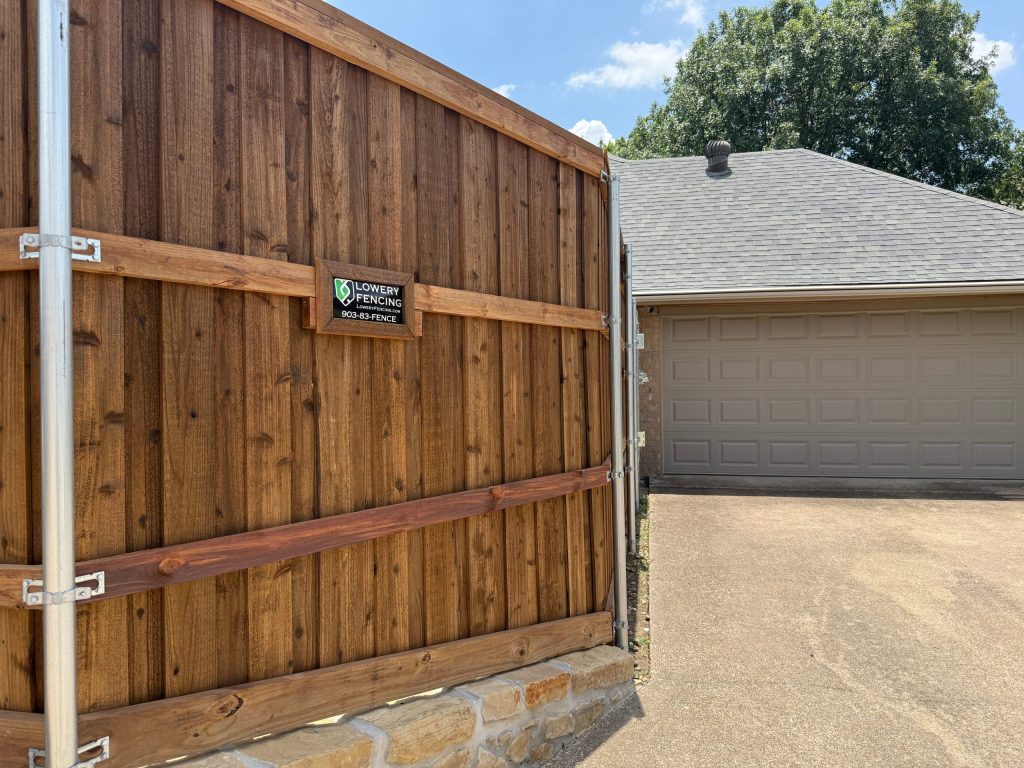
How many times have you driven past a leaning, faded, or rotting fence and thought, “That looked great just a few years ago—what happened?” In North Texas, fences don’t just mark property lines; they battle blistering sun, sudden storms, high winds, and shifting soil. Choosing durable materials for long-lasting fencing solutions isn’t just about appearance—it’s about protecting your investment and avoiding the cycle of constant repairs.
Durability starts well before the first post ever hits the ground. It’s a combination of material quality, design decisions, installation methods, and ongoing care. In a place like Sherman, TX, where summers are hot, winters can be unpredictable, and storms roll through with little warning, your fence has to be more than decorative. It needs to be engineered to last. That’s where understanding the strengths and limitations of different fencing materials becomes critical.
At Lowery Fence & Patio, homeowners and property managers often ask which materials truly hold up over time. The answer is rarely one-size-fits-all. It depends on priorities: Are you focused on low maintenance? Maximum privacy? High-end curb appeal? Security for kids or pets? By comparing wood, vinyl, metal, and composite options through the lens of durability, you can make a decision that pays off year after year.
Understanding Durability In Fencing
Durability is more than “how long a fence stands.” A truly durable fence retains its structural integrity and appearance with minimal intervention. That means posts stay plumb, rails stay secure, pickets don’t warp or crack, and finishes don’t peel away after the first harsh summer. In Sherman, TX, that durability is challenged by intense UV exposure, soil movement from clay-heavy ground, and seasonal swings in temperature and moisture.
When selecting materials, it’s important to separate marketing buzzwords from actual performance characteristics. Materials like pressure-treated pine, cedar, vinyl, aluminum, steel, and composite all claim to be strong or long-lasting, but they respond differently to heat, moisture, wind, and impact. A durable solution addresses both the visible parts of the fence and the hidden components like fasteners, posts, and footings. Inferior screws or poorly set posts can undermine even the highest-quality material.
Installation quality is often overlooked when people talk about durability, but it is absolutely central. The most rugged material can fail if posts aren’t set to the proper depth or if concrete footings don’t account for drainage and soil conditions. Lowery Fence & Patio understands the local environment in Sherman and surrounding North Texas communities, and that knowledge influences decisions about post spacing, depth, and hardware selection that directly impact how long your fence will last.
Wood Fencing That Stands The Test Of Time
Wood fencing remains a favorite choice for many homeowners because of its warmth, privacy, and classic appeal. However, not all wood fences age gracefully. The key to a long-lasting wood fence is choosing the right species, treatments, and construction methods. In Sherman, TX, cedar and pressure-treated pine are the most common options, each with its own advantages and considerations when it comes to durability.
Cedar naturally resists rot and insect damage, making it a strong candidate for long-term performance. Its tight grain and natural oils help it withstand moisture better than many other softwoods. Over time, cedar weathers to a silvery gray, which some homeowners love. With proper sealing and maintenance, a cedar fence can remain structurally sound and attractive for many years. The key is to protect it from direct soil contact, use corrosion-resistant fasteners, and apply quality stains or sealers on a regular schedule.
Pressure-treated pine is another popular choice because it is more budget-friendly and treated to resist decay and termites. For durability, it’s critical to use ground-contact-rated posts and ensure those posts are properly set in concrete. While pine can be more prone to warping or checking than cedar if not installed correctly, a well-built, pressure-treated fence can still deliver long service life. Lowery Fence & Patio pays attention to board selection, grain orientation, and spacing to help minimize issues that often shorten the lifespan of wood fences.
Maintenance plays a huge role in whether a wood fence is durable or temporary. Regular inspection for loose boards, early signs of rot, and failing hardware can prevent small problems from becoming big ones. Applying high-quality stain or sealant every few years protects against UV damage and moisture infiltration, both of which are significant concerns in Sherman’s climate. When homeowners commit to this level of care—and when the fence is professionally installed—wood can be a surprisingly long-lasting solution.
Vinyl Fencing For Low-Maintenance Longevity
For property owners who want durability without the ongoing maintenance that wood requires, vinyl fencing has become a standout option. Vinyl fences are crafted from PVC (polyvinyl chloride) and are designed to resist rot, insects, and peeling paint. In North Texas, where the sun can be brutal and sudden rainstorms are common, vinyl’s resistance to moisture and UV damage makes it especially appealing.
One of vinyl’s biggest strengths is its low maintenance profile. Unlike wood, vinyl doesn’t require staining, sealing, or painting. A quick rinse with a garden hose or gentle wash occasionally is usually enough to keep it looking clean. The color is integrated into the material, so you don’t have to worry about flaking finishes. Quality vinyl fencing is also engineered to resist fading and discoloration, maintaining its appearance for many years even under Sherman’s intense sun.
Durability, however, hinges on material quality and proper installation. Not all vinyl fences are created equal; cheaper products may be thinner, less UV-stable, or use inferior internal reinforcements. High-quality vinyl panels use thicker walls and sometimes internal aluminum or steel reinforcements in posts or rails to help resist wind loads and impact. In areas exposed to strong gusts or open fields, the structural design of the fence matters just as much as the material itself.
Lowery Fence & Patio helps homeowners in Sherman choose vinyl systems that are appropriate for local conditions, including proper post spacing and depth for wind resistance. When installed correctly, vinyl fences can last decades with minimal effort from the homeowner. For families who want a clean, modern look and don’t enjoy the idea of frequent maintenance, vinyl can be one of the most durable and hassle-free fencing materials available.
Metal Options: Steel, Aluminum, And Wrought Iron
Metal fencing offers a different kind of durability—one that emphasizes strength, security, and a refined appearance. Steel, aluminum, and ornamental iron-style fences are commonly chosen for properties where visibility, elegance, and longevity are priorities. In Sherman, these fences are often used around pools, front yards, commercial properties, or as decorative perimeter solutions that don’t block views.
Aluminum fencing is popular because it is lightweight, rust-resistant, and low maintenance. A high-quality powder-coated finish helps protect it from scratching and fading, even in harsh sunlight. Aluminum won’t rust like untreated steel, making it a strong choice for longevity. While aluminum is not as strong as solid steel in terms of impact resistance, its resistance to corrosion and low upkeep often make it the preferred option for residential properties seeking both durability and style.
Steel and traditional wrought iron offer superior strength and a classic, upscale appearance. Modern steel fences often use galvanized steel with a protective powder coat, combining corrosion resistance with exceptional rigidity. This makes steel a powerful choice where security and durability are paramount, such as around commercial sites, high-traffic areas, or properties that need a more robust barrier. In Sherman, where storms and high winds can be a concern, the rigidity and weight of steel can be a real advantage when properly installed.
To maximize durability, metal fences must be installed with attention to drainage, soil conditions, and protection of cut surfaces. Any exposed metal that isn’t properly coated can eventually become a weak point. Lowery Fence & Patio understands how to mitigate these issues through proper cutting, sealing, and installation techniques. When these details are handled correctly, metal fencing can last for decades with minimal structural degradation, offering one of the longest lifespans of any fencing material.
Composite And Hybrid Solutions
Composite fencing has emerged as a compelling option for those who want the appearance of wood without its intensive maintenance. Made from a blend of wood fibers and recycled plastics or polymers, composite boards are engineered to resist rot, insects, and many of the weather-related issues that plague traditional lumber. In Sherman, TX, this type of material can be especially attractive because it stands up well to humidity, direct sun, and temperature changes.
One of the biggest advantages of composite fencing is its stability. Unlike natural wood, composite boards are less prone to warping, splitting, or cupping. They maintain a more consistent appearance over time and often come with manufacturer warranties that speak to their expected lifespan. Many homeowners appreciate that composite fencing can deliver the look of stained or painted wood without the need to reapply finishes every few years.
Hybrid solutions combine materials to leverage the strengths of each. For example, you might see a fence with steel or aluminum posts and rails paired with composite or wood pickets. This approach can enhance durability by using metal for the structural components that bear the greatest loads, while still delivering the visual warmth or privacy of another material. In challenging soil conditions found in parts of Sherman, using metal posts can significantly extend the life of a fence, regardless of what infill material is chosen.
The upfront cost of composite and hybrid systems is often higher than standard wood, but the long-term savings in maintenance and replacement can make them more cost-effective over the life of the fence. Lowery Fence & Patio can help you evaluate whether a composite or hybrid solution makes sense for your property, budget, and long-term plans, especially if you prefer to invest more upfront to avoid ongoing maintenance.
Design, Hardware, And Installation Details
Even the most durable materials can fail if the design and installation are not carefully planned. A long-lasting fence starts with proper layout and structural design: post spacing, height, wind exposure, and soil type all influence how the fence should be built. In Sherman, TX, clay soils that expand and contract with moisture can put stress on posts and footings, so depth, concrete mix, and drainage are not minor details—they are critical to durability.
Hardware is another often-overlooked factor. Galvanized or stainless-steel fasteners, high-quality hinges, and properly coated brackets are essential to prevent rust and premature failure. Inferior nails or screws can loosen or corrode, causing boards to detach and sections to sag. Over time, this leads to costly repairs or even early replacement of the entire fence. Using the right hardware from the start is a relatively small investment that pays major dividends in longevity.
Design choices also affect how well a fence stands up to wind and weather. Solid privacy fences catch more wind than more open designs, which means they need stronger posts and possibly closer spacing to avoid leaning or blowouts during storms. In some cases, incorporating small gaps or decorative elements can reduce wind load while still delivering plenty of privacy. Lowery Fence & Patio takes these factors into account, tailoring designs to the specific site conditions and your aesthetic goals.
Finally, professional installation ensures that all these pieces come together correctly. Properly mixed and placed concrete, accurately set post heights, level rails, and tight, consistent picket spacing all contribute to a fence that not only looks good on day one but continues to perform year after year. In Sherman and the surrounding areas, having a local team that understands both the climate and the soil is key to building fences that truly last.
Frequently Asked Questions
Which fencing material lasts the longest in Sherman, TX? In terms of sheer lifespan, high-quality metal fences (such as galvanized steel or aluminum with a durable powder coat) tend to last the longest, often several decades with minimal structural issues. Vinyl and composite fences also offer excellent longevity, especially when installed with proper posts and hardware. Wood can last a long time too, but it typically requires more maintenance and careful material selection, such as cedar or properly treated pine, to approach the lifespan of metal or composite options.
Is wood still a good choice if I want a durable fence? Yes, wood can absolutely be a durable choice when done right. Using rot-resistant species like cedar, selecting ground-contact-rated posts, and ensuring professional installation are key steps. Regular maintenance, including staining or sealing every few years and checking for loose boards or early signs of rot, is also essential. In Sherman, where sun and moisture can be tough on wood, partnering with an experienced installer like Lowery Fence & Patio greatly increases the chances that your wood fence will remain sturdy and attractive for many years.
How much maintenance do vinyl and composite fences really need? Vinyl and composite fences are designed to be low maintenance, not “no” maintenance. You won’t need to paint, stain, or seal them, which is a big advantage over wood. However, occasional cleaning to remove dirt, mildew, or pollen buildup is recommended, especially in shaded or damp areas. A simple wash with water and a mild detergent is usually sufficient. Periodic inspections for loose components or damaged sections after storms will also help ensure these fences remain in top condition over the long term.
Are metal fences prone to rust in North Texas weather? Modern metal fences are engineered to resist rust through galvanization and high-quality powder coatings. Aluminum, in particular, does not rust, making it a very durable option. Galvanized and powder-coated steel fences also hold up well when cuts and welds are properly treated and sealed. Over many years, if coatings are damaged and bare metal is exposed, some rust can develop, but timely touch-ups and basic care usually prevent this from becoming a structural issue. Professional installation and quality materials are the best defense against premature corrosion.
How do I choose the best material for my property? The best material depends on your priorities: budget, desired appearance, privacy level, maintenance tolerance, and how long you plan to stay on the property. If low maintenance and long lifespan are top priorities, vinyl, composite, or metal may be ideal. If you value a natural look and are comfortable with some upkeep, wood can be an excellent choice. For commercial or high-security needs, metal is often preferred. Discussing your goals with a local expert like Lowery Fence & Patio, who understands Sherman’s climate and soil conditions, will help you match the right material and design to your specific situation. If you are considering business or multi-family applications, you can also explore options like Commercial Fencing to see what’s possible.