
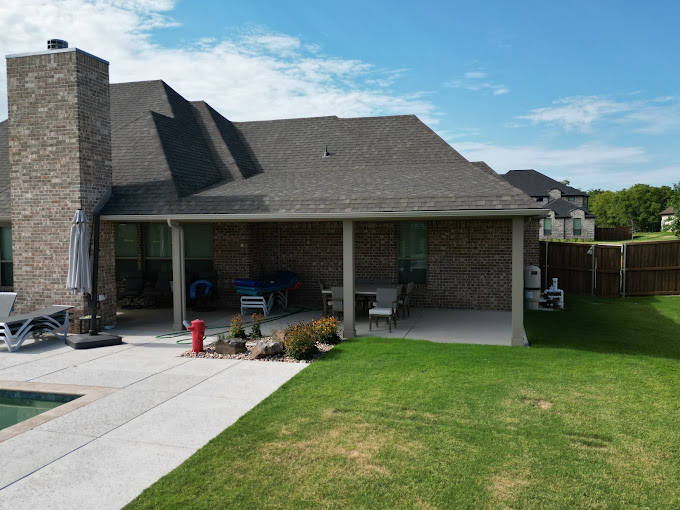
By the time the second spring storm rolled through Sherman, TX, the old wooden fence behind the house on Willow Street was leaning like a tired scarecrow. Each gust of wind pushed it a little farther, each rainstorm soaked the untreated posts a little deeper. The homeowner had a choice: patch it again and hope for the best, or finally invest in a fence that would actually last. That decision – to move from quick fixes to long-term solutions – is exactly where lasting fence installation begins.
Long-lasting fencing is not just about thicker boards or stronger posts; it is about planning, materials, installation technique, and matching the fence to the way a property is truly used. In a place like Sherman, TX, where hot summers, sudden storms, and shifting soil all compete to wear down exterior structures, durability has to be built in from the first conversation, not added as an afterthought. That is why homeowners, ranchers, and business owners alike turn to professionals who understand both the climate and the specific needs of each property.
Lowery Fence & Patio has seen nearly every fence failure imaginable: posts rotted off at ground level, rails warped by sun exposure, chain link sagging after just a few years, and gates that never quite latch again after the ground shifts. The common thread is almost always the same – the fence was never designed or installed with longevity in mind. When your goal is a fence that will serve you reliably for years, every decision, from material selection to post depth, matters. A long-lasting fence is not an accident; it is the result of careful, experienced planning.
Understanding What “Long-Lasting” Really Means
People often say they want a “good, solid fence,” but that phrase can mean very different things depending on who you ask. For some homeowners in Sherman, long-lasting means a privacy fence that stands straight and looks sharp for a decade or more with only minimal maintenance. For ranch and acreage owners, it might mean a perimeter fence that can withstand livestock pressure, weather, and daily use for 20 years. For businesses, durability often includes security features, visibility, and resistance to wear and tear from traffic and equipment.
True longevity starts with defining your expectations. Are you hoping for something that simply outlasts your current fence, or do you want a structure that you can confidently ignore for most of its life, aside from occasional checks? Lowery Fence & Patio works with clients to clarify how long they expect their fence to last and what kinds of stresses it will face. That conversation guides every subsequent choice, from post spacing to hardware selection, and it prevents unpleasant surprises down the road.
It is also important to understand that long-lasting does not always mean maintenance-free. Even the best-built fence in Sherman’s climate will benefit from periodic inspections, cleaning, and small repairs. The goal is not to eliminate all future work, but to choose materials and installation methods that dramatically reduce the frequency and cost of that work. A properly installed fence should age predictably and gracefully, not suddenly fail in a storm or warp beyond repair in a few summers.
Finally, longevity has a visual component. A fence can technically remain standing while still looking worn, faded, or crooked. When Lowery Fence & Patio talks about long-lasting fence installation, the focus is on structural integrity and appearance. A fence should not only remain functional; it should continue to contribute to curb appeal, property value, and overall satisfaction years after installation.
Matching Fence Types To Real-World Needs
No single fence style is right for every property, and trying to force a one-size-fits-all solution is one of the fastest ways to end up with a fence that disappoints. In Sherman, TX, neighborhoods, rural areas, and commercial sites all demand different strengths. A privacy fence that works beautifully in a subdivision might be a poor choice for a busy commercial lot where visibility and access are critical, while a simple wire fence that serves livestock well would not provide the noise buffer or aesthetic that a homeowner expects.
Wood privacy fencing remains a favorite for many Sherman homeowners because it offers warmth, natural beauty, and effective screening from neighbors or nearby roads. When built correctly, with quality lumber and proper post installation, it can last for many years. However, if a homeowner wants even longer life with less maintenance, Lowery Fence & Patio may recommend alternatives such as vinyl or metal options that mimic the look of wood but handle moisture and sun exposure more effectively.
For ranches, large lots, or properties with animals, long-lasting fence installation often points toward pipe fencing, woven wire, or specialized livestock systems. These fences must withstand not just weather, but also rubbing, pushing, and the occasional impact. Here, the choice of posts, bracing, and anchoring becomes critical. A weak corner or poorly set gatepost can cause a chain reaction of failures, while properly designed stretches can handle years of pressure with only minor adjustments.
Commercial and industrial properties around Sherman frequently need a balance of security, durability, and professional appearance. Chain link, ornamental iron, and other metal systems can be ideal when installed with longevity in mind. Correct gauge selection, anti-rust treatments, and sturdy gate assemblies make the difference between a fence that looks rundown in a few years and one that protects and represents the business well over the long term. For these clients, Lowery Fence & Patio can integrate durability with functional features such as secure gates, controlled access points, and, when needed, specialized Commercial Fencing solutions.
Why Installation Technique Matters More Than You Think
Many property owners focus almost entirely on fence style and material, assuming that once they choose “the good stuff,” the fence will last. In reality, installation technique is often more important to longevity than the material itself. A premium cedar fence installed with shallow posts and poor drainage can fail faster than a basic pine fence installed with care. Lowery Fence & Patio emphasizes that what happens below the surface of the soil is just as important as what you can see.
Post depth, concrete use, and soil preparation are critical in Sherman’s variable ground conditions. Clay-heavy soil, common in the area, can hold water and expand and contract with temperature and moisture changes. If posts are not set to appropriate depths or if the concrete is not bell-shaped or properly crowned, movement can cause tilting and loosening over time. Long-lasting fences take this into account from the start, with post holes sized, spaced, and reinforced to handle local conditions.
Hardware and fastening techniques also play a major role. Galvanized or coated screws and nails resist rust, while proper spacing and fastening patterns reduce the risk of boards warping or pulling away. Gates receive special attention because they concentrate movement and load in small areas. Reinforced hinge posts, high-quality hinges and latches, and thoughtful gate placement all prevent sagging and misalignment that can otherwise appear within just a few seasons.
Alignment, tension, and bracing may not be obvious to the casual observer, but they are the quiet heroes of long-lasting fence installation. Whether it is a line of chain link that must remain taut and straight or a stretch of wood privacy panels that should not ripple or bow, careful layout and bracing protect against both gravity and wind. In Sherman, where thunderstorms can produce strong gusts, a fence that is not properly braced may survive the first season but slowly twist and lean over time, turning an investment into an eyesore.
Choosing Materials Built For Sherman’s Climate
A fence that lasts in a cool, dry northern climate may fail quickly in North Texas. Sherman’s hot summers, intense sunlight, humidity, and occasional severe storms put unique stress on exterior materials. Long-lasting fence installation means choosing products that are not only strong but also designed to handle UV exposure, moisture, and temperature swings. Lowery Fence & Patio considers the entire life cycle of each material before recommending it to a client.
For wood fencing, species and treatment matter. Cedar naturally resists decay and insects better than many other woods, while pressure-treated pine can perform well when installed and maintained properly. Boards should be selected for straightness and quality, and posts must be rated for ground contact if they are to be set directly in soil or concrete. Using cheaper, non-rated lumber in critical areas may save a little at installation but often results in premature rot and failure at ground level.
Metal fences, whether chain link, pipe, or ornamental, depend on protective coatings to stand up to the environment. Galvanization, powder coating, and other finishes help prevent rust and corrosion. When Lowery Fence & Patio installs metal fences, attention is given not only to the visible surfaces but also to cut ends, welds, and hardware that can become weak points if left untreated. Selecting the correct gauge and post size for the application ensures that the fence can handle both daily use and occasional impacts.
Vinyl and composite materials offer another path to longevity, especially for homeowners who want a consistent appearance with minimal maintenance. These materials are designed to resist fading, cracking, and insect damage, but they must still be installed properly to avoid sagging or shifting. In Sherman’s heat, expansion and contraction are real factors; leaving appropriate spacing and using manufacturer-recommended hardware ensures that the fence remains stable and attractive over many years.
Planning For Maintenance And Future Changes
Even the most durable fence benefits from a thoughtful maintenance plan. Long-lasting does not mean untouched; it means easy to care for and unlikely to surprise you with sudden failure. Lowery Fence & Patio encourages property owners in Sherman to think about how they will inspect and maintain their fence before it is even installed. Simple habits, such as walking the fence line once or twice a year, tightening hardware, and addressing minor issues promptly, can add years to the life of a structure.
For wood fences, periodic cleaning and sealing or staining help protect against moisture and UV damage. A fence that is installed with maintenance in mind will allow easy access for these tasks and use materials compatible with common sealants. For metal fences, checking for chips in coatings, tightening bolts, and lubricating hinges keeps corrosion and wear at bay. Vinyl fences may only need occasional washing and inspection of posts to ensure soil has not eroded around them.
Future changes to a property should also be considered during the planning stage. Perhaps you expect to add a driveway gate later, expand a backyard patio, or reconfigure a pasture. A long-lasting fence is one that can adapt. Lowery Fence & Patio can design fence lines and gate placements with expansion in mind, leaving room for future openings or transitions between fence types without requiring full replacement.
Budget is another part of the longevity conversation. Spending slightly more upfront on better materials and installation practices can dramatically reduce long-term costs. It is often less expensive over 15 or 20 years to invest in a high-quality fence once than to replace a cheaper fence twice. When you factor in the inconvenience, potential security gaps, and appearance issues that come with early failure, the value of a well-built, long-lasting fence becomes even clearer.
Frequently Asked Questions
How long should a well-installed fence last in Sherman, TX? The lifespan depends on the material and how the fence is used, but with quality installation from a company like Lowery Fence & Patio, many wood privacy fences can last 12–20 years, while metal and vinyl options can often exceed 20 years. Factors like soil conditions, exposure to irrigation, and maintenance habits also play a big role. A fence that is inspected regularly and maintained as needed will almost always outlast a similar fence that is ignored.
What makes fences in Sherman fail sooner than expected? Common causes include shallow or poorly set posts, low-quality or non-rated lumber, inadequate drainage around posts, and hardware that rusts or loosens over time. Sherman’s clay soils and weather patterns can also stress fences that were not designed for movement and moisture. In many cases, the problem is not the fence style itself, but shortcuts taken during installation or a mismatch between the fence type and the property’s actual needs.
Is wood still a good choice for a long-lasting fence? Yes, wood can be an excellent long-lasting choice when the right species and treatments are used and the fence is installed properly. Cedar and pressure-treated pine, combined with appropriate post depth, quality fasteners, and periodic sealing or staining, can provide many years of service in Sherman. Lowery Fence & Patio helps homeowners weigh the natural beauty and cost of wood against lower-maintenance options like vinyl or metal, so the final choice fits both lifestyle and longevity goals.
How can I tell if my current fence needs replacement or just repair? Look for signs such as multiple rotted posts, extensive warping, recurring sagging gates, or widespread rust that compromises structural parts of the fence. If issues are limited to a few boards, a single post, or minor hardware problems, repair may be sufficient. However, when damage is widespread or the fence was poorly installed from the start, replacement with a properly designed, long-lasting system is often more cost-effective than repeated patchwork.
Why should I hire a professional instead of installing the fence myself? While DIY fencing can seem appealing, achieving a truly long-lasting installation requires experience with soil conditions, structural design, and material performance. Professionals like Lowery Fence & Patio bring knowledge of Sherman’s climate, access to higher-grade materials, and the tools and techniques needed to set posts, align fence lines, and brace structures correctly. The result is a fence that not only looks better on day one but also stands straighter, functions better, and lasts longer, protecting your investment over time.