
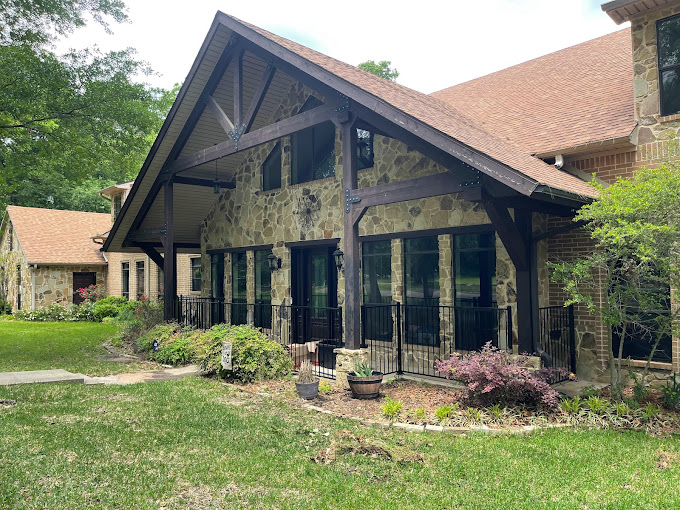
Professional Secrets for Patio Cover Building
North Texas sun can turn a beautiful patio into a space you only enjoy for a few weeks each year. In Sherman, TX, we regularly see summer days topping 95°F, and the UV index often hits “very high” from late spring through early fall. Yet, the right patio cover can turn that harsh heat into a comfortable, shaded outdoor room you’ll use almost every day.
Local homeowners and small businesses are investing heavily in outdoor spaces. Nationally, outdoor living projects have seen double-digit growth over the last few years, and in Texas, covered patios consistently rank among the top value-adding improvements. Done right, a patio cover doesn’t just add shade—it adds square footage to your lifestyle.
This guide pulls back the curtain on the professional secrets that separate a basic patio cover from a durable, beautiful, and code-compliant outdoor structure. You’ll learn how pros think about design, structure, materials, drainage, and long-term maintenance—plus how to avoid the most expensive mistakes we see in Sherman and the surrounding Texoma area.
Key Insight: A great patio cover is 50% design, 50% engineering—and 100% planning. The choices you make before building determine how long it lasts, how good it looks, and how much you actually use it.
Secret #1: Start with the Structure, Not the Style
Most people start with pictures: “I like this pergola” or “I want a solid roof like this.” Professionals start somewhere else—at the structure. In North Texas, wind, soil movement, and sun exposure are serious forces. Your patio cover has to handle all three.
A pro builder looks at:
- How your home is framed where the cover will attach
- The direction of prevailing winds
- Existing concrete thickness and condition
- Soil conditions and drainage around your foundation
In Sherman, we frequently see homes where the patio slab is only 3–4 inches thick and not designed to carry posts or beams. A DIY builder might bolt posts directly to that slab. A professional will core-drill or pour dedicated footings to transfer the load properly.
“If the footings and connections are wrong, the prettiest patio cover in the world is just an expensive liability.” — Senior Project Lead, Lowery Fence & Patio
We recently worked with a homeowner near Fairview Park who had a “builder-grade” patio cover added by a handyman. The posts were surface-mounted to a thin slab, and the ledger wasn’t properly flashed or fastened. After a bad storm, the entire structure shifted away from the house, pulling siding with it. We had to remove and rebuild the cover, add proper piers, and re-attach to the home’s framing per code.
Professional builders apply the same structural discipline to patio covers that good Residential Fencing and Commercial Fencing projects require: correct post spacing, proper footing depth, and the right hardware. The result is a cover that looks effortless—but only because the hard work is hidden inside the structure.
Secret #2: Design for Sherman’s Sun, Wind, and Storms
You don’t design a patio cover in Sherman the same way you would in Seattle. Our climate brings brutal sun, sudden thunderstorms, and seasonal temperature swings that are hard on outdoor structures.
Professionals think in terms of orientation and exposure:
- Sun path: Which direction does your patio face? West-facing patios get punishing late-afternoon sun. A solid roof or closely spaced pergola slats can dramatically reduce heat.
- Wind direction: North Texas storms often bring strong southerly and northerly winds. Roof pitch and overhangs should be designed to reduce uplift and channel wind, not catch it.
- Storm water: Heavy downpours can overwhelm gutters and flood patios if drainage isn’t handled from the start.
We recently designed a custom cover for a home just east of downtown Sherman with a west-facing backyard. The owners originally wanted an open pergola, but we walked them through how the sun moves on summer evenings. Instead, we built a hybrid: a solid, insulated roof over the main seating area, with a decorative pergola extension at the edge for filtered light. It turned their “too hot to use” slab into a comfortable evening retreat.
“Good patio design in Texoma is all about managing sun in July and water in April.” — Design Consultant, Lowery Fence & Patio
The same climate awareness applies to other outdoor structures. A well-planned patio cover often pairs with strategic Wood Fencing or Wrought Iron Fencing to block wind, add privacy, and create a “courtyard” feel. When all these elements are designed together, you get a backyard that feels intentional—not pieced together over the years.
Secret #3: Choosing the Right Materials for Texas Weather
Materials can make or break the life of your patio cover. In Sherman’s climate, you need products that can handle UV, humidity swings, and the occasional ice event without twisting, cracking, or rusting.
Common Patio Cover Material Options
| Material Type | Pros in Sherman, TX | Cons / Considerations | Typical Use Case |
|---|---|---|---|
| Pressure-treated wood | Affordable, strong, easy to customize | Needs regular Fence staining services and maintenance | Traditional covers, pergolas |
| Cedar | Naturally rot- and insect-resistant, beautiful grain | Higher cost, still needs sealing | High-end wooden structures |
| Steel posts/beams | Extremely strong, slim profiles | Requires quality coatings to prevent rust | Large spans, paired with wood accents |
| Aluminum | Lightweight, low maintenance | Less natural look, limited customization | Prefab patio systems |
| Composite panels | Resistant to rot and insects, good insulation | Higher upfront cost | Solid roof covers with finished ceilings |
A professional will often recommend mixing materials for performance and appearance. For example, steel posts with wooden beams and trim can give you the warmth of wood with the structural strength of steel. This approach mirrors what we do with Pipe Fencing and decorative wood in ranch-style properties around Grayson County.
We worked with a family outside Sherman who initially requested an all-wood structure. After discussing their long-term plans and how little time they had for maintenance, we recommended steel posts with cedar beams and a metal roof. We then applied a high-quality stain and sealant similar to what we use on Wood Fencing. Five years later, their cover still looks fresh, and they’ve only needed light cleaning.
“The cheapest material rarely gives you the lowest cost over 10–15 years. Durability and maintenance matter just as much as price per board.” — Project Estimator, Lowery Fence & Patio
Secret #4: Foundations, Footings, and Concrete Details Pros Never Skip
Because patio covers feel like “lighter” structures than houses, some installers cut corners on what’s under the ground. Professionals in Sherman know that expansive clay soils, shifting slabs, and poor drainage can slowly destroy a patio cover if the foundation isn’t right.
Key structural details that pros focus on:
- Independent piers or footings: Instead of relying solely on an existing slab, we often drill separate piers for posts, similar to what’s done for Chain Link Fencing or steel Steel pipe fencing.
- Proper depth: Footings must go below the frost line and into stable soil, usually 24–36 inches in this area, depending on the load and local conditions.
- Concrete quality and curing: The right mix and cure time are crucial. Setting posts in “dry mix” and expecting rain to do the work is a shortcut that leads to loose, shifting structures.
- Slab condition: If your existing patio slab is cracked, sloping toward the house, or too thin, a pro will address that with proper concrete services before building on top.
We recently helped a business owner near Texoma Parkway who wanted a covered outdoor seating area for customers. Their existing slab had been poured in sections with different thicknesses. Instead of just bolting posts wherever they fit, we scanned the slab, cut and repoured critical areas, and added new footings where needed. The result: a rock-solid cover that feels like it was always part of the original building.
“Anything that touches the ground is where future problems usually start. Get that right, and you’ve solved 80% of potential issues.” — Concrete Specialist, Lowery Fence & Patio
This foundation-first mentality is the same reason we take time with Chain Link fence installation and other structural projects. A little extra care below ground translates to decades of stability above it.
Secret #5: Integrating Your Patio Cover with the Rest of Your Outdoor Space
A patio cover shouldn’t feel like an afterthought. The most impressive outdoor spaces in Sherman feel cohesive—fencing, gates, hardscapes, and shade structures all working together.
Professionals look at your yard like a master plan, not a single project:
- Privacy and security: A new cover often pairs naturally with Driveway gate installation, Decorative iron fences, or Backyard fencing options to control views and access.
- Outdoor kitchens and fireplaces: If you think you might add an outdoor kitchen or outdoor fireplace later, it’s smart to plan utilities, clearances, and structural support now.
- Decks and levels: On sloped lots, a cover may tie into a raised deck. Coordinating with deck building from the beginning avoids awkward transitions and trip hazards.
- Traffic flow: Where will people walk? Where will pets run? Where do you need gates or pathways?
We recently completed a project just outside Sherman city limits where the homeowners wanted a covered patio, but also mentioned “maybe a kitchen later” and “we’ll need more privacy from the road.” Instead of just building a roof, we:
- Designed a cover with structural capacity for a future kitchen island
- Laid conduit under the slab for future gas and electrical
- Coordinated with a new Wooden privacy fences line to block road noise
- Added space for an arbor/pergola transition to the yard
Two years later, they called us back to add the kitchen and arbor. Because the groundwork was already in place, the second phase was faster, cleaner, and more cost-effective.
“Think of your patio cover as the anchor to an outdoor living plan, not a standalone project.” — Outdoor Living Designer, Lowery Fence & Patio
Secret #6: Visualizing the Result with 3D Design (Before You Build)
One of the most powerful “pro secrets” today is 3D visualization. Homeowners used to rely on 2D sketches and guesswork. Now, quality contractors use 3D renderings to show you exactly how your patio cover will look and feel before you ever pour concrete or set a post.
This matters more than most people realize:
- Scale and proportion: A cover that looks fine on paper might feel too low, too dark, or too massive next to your home. 3D views reveal that early.
- Shade patterns: With good software, you can simulate sun angles at different times of day and seasons. That’s critical in Sherman, where summer shade is non-negotiable.
- Material choices: See how different stain colors, roofing types, or column styles actually look on your house.
- Integration: Visualize how your cover connects to fencing, decks, outdoor kitchens, and landscaping.
We worked with a couple in west Sherman who were hesitant about adding a large solid-roof cover—they worried it would make their living room too dark. With 3D modeling, we showed them how a higher pitch, strategic skylights, and a lighter roof color would preserve interior light while still delivering deep shade outside. The 3D walkthrough gave them enough confidence to move forward.
“If you can’t see it clearly before you build, you’re relying on luck. 3D design turns ‘I hope it looks good’ into ‘I know exactly what I’m getting.’” — Design & Rendering Specialist, Lowery Fence & Patio
This design-first mindset is the same reason our Commercial fence contractors and Residential fence contractors often use visuals and layouts before installation. Seeing the plan reduces surprises and change orders.
What This Means for Businesses in Sherman, TX
For Sherman-area businesses—restaurants, boutiques, salons, and offices—these patio cover secrets translate directly into customer comfort and revenue.
Outdoor seating and waiting areas have become a competitive advantage. A well-designed, covered patio can:
- Increase usable seating capacity without expanding your building
- Create all-weather waiting areas that feel welcoming, not like an afterthought
- Host small events or pop-up markets under shade and protection
But businesses also face added challenges: higher traffic loads, safety standards, and liability concerns. That’s where professional-grade structural design, quality materials, and attention to codes matter even more.
A café near downtown Sherman added a simple, un-engineered cover a few years ago using basic posts and corrugated panels. It looked fine at first, but after a strong storm, panels began to lift, and water poured onto customers during heavy rain. They eventually replaced it with a properly engineered cover tied into their existing Commercial Fencing layout and security gate access control system. The difference in customer experience—and peace of mind—was night and day.
Professional planning also helps businesses comply with:
- Local building codes and wind load requirements
- ADA access routes around posts and steps
- Fire safety clearances for heaters and outdoor fireplaces
Sherman’s growing business community, especially along Texoma Parkway and in new developments, is competing for customers who value comfort and ambiance. A great patio cover is no longer a luxury—it’s part of the brand.
Frequently Asked Questions
Q: Do I need a permit to build a patio cover in Sherman, TX?
A: In most cases, yes. The City of Sherman and nearby jurisdictions typically require permits for attached patio covers, especially those tied into your home’s roof or structure. The permit process ensures your project meets structural, wind load, and setback requirements. Professional builders handle this for you, including drawings and any needed engineering. Skipping permits can cause problems when you sell your home or if there’s ever storm damage and an insurance claim. If your cover ties into other improvements like Residential fence installation or new concrete, it’s even more important to make sure everything is documented and compliant.
Q: How much does a quality patio cover cost in the Sherman area?
A: Costs vary widely based on size, materials, and complexity, but as a general guideline, a well-built, attached cover often starts in the mid four figures and can climb into the low five figures for larger, custom projects with finished ceilings, lighting, and integrated outdoor kitchens. Factors like steel versus wood posts, roofing type, and whether new concrete is required all affect price. While there are cheaper “handyman” options, those usually cut corners on structure and materials. Think of a patio cover as you would ornamental iron fencing or a driveway gate—it’s a long-term investment that should add value and last for decades.
Q: Can my existing patio slab support a new cover, or will I need more concrete?
A: That depends on the slab’s thickness, reinforcement, and condition. Many builder-grade patios in Sherman weren’t poured with a future cover in mind. A pro will evaluate your slab, check for cracks, measure thickness where possible, and determine if it can safely support posts. Often, we’ll add separate piers for posts, similar to what we do for Chain link fence contractors on structural fence lines. In some cases, we may recommend extending or replacing the slab using our concrete services so the new cover sits on a solid, properly sloped surface with good drainage away from your home.
Q: What kind of maintenance will my patio cover need over time?
A: Maintenance depends heavily on the materials you choose. Wood structures benefit from periodic cleaning and re-sealing or staining, much like Wood fence staining. Plan on reapplying a high-quality stain and sealant every few years to protect against UV and moisture. Metal components should be inspected for coating wear, especially near the ground. Gutters and downspouts need seasonal cleaning to prevent overflow. The good news: if your cover is built correctly—like a well-installed Commercial fence installation—most maintenance will be simple and infrequent. During your walkthrough, ask your builder for a maintenance schedule specific to your materials.
Q: Can I add a patio cover now and an outdoor kitchen or fireplace later?
A: Absolutely, and many Sherman homeowners do exactly that. The key is to plan for future features from the start. When we design covers, we can add structural support where a outdoor fireplace might go, run conduit for future electrical and gas lines, and position posts so they don’t interfere with appliance layouts. This phased approach is similar to how we plan multi-stage projects with Temporary Fence Panels and permanent fencing on larger properties. By thinking ahead, you avoid tearing into finished work later and keep your yard looking cohesive as it evolves.
Q: How do I make sure my patio cover doesn’t darken my home’s interior too much?
A: This is a common concern, especially on patios adjacent to main living areas. Professionals use several strategies: adjusting roof pitch and height to allow more natural light, incorporating skylights or translucent panels in specific sections, choosing lighter roofing colors, and designing the cover to stop short of certain windows. With 3D renderings, we can show you how different designs affect light and shade at various times of day. In some cases, a combination of solid cover and open pergola elements provides both deep shade where you sit and brighter areas closer to windows.
Q: Is it worth tying my patio cover into my fencing and gate system?
A: For many properties in and around Sherman, yes. Coordinating your cover with Custom iron gates, Commercial chain link fencing, or Agricultural Fencing helps control access, improve security, and create a unified look. For example, a covered side patio might double as a secure storage area when paired with the right gate and Temporary security fencing during construction phases. Businesses often integrate patio covers into their access control layouts, ensuring clear entry paths, protected waiting areas, and consistent branding from fence line to front door.
Ready to Get Started?
North Texas weather won’t wait, and neither will the wear and tear on your existing outdoor spaces. If you’re tired of a patio that’s too hot in summer, too exposed in storms, or simply underused, this is the perfect time to plan a professional-grade cover. Spring and fall are our busiest seasons in Sherman, and schedules fill fast—especially for projects that combine covers, fencing, and concrete work.
Taking the next step doesn’t lock you into anything. It simply gives you clear options, real numbers, and a vision you can react to. We’ll walk your property, talk through how you actually live and entertain, and show you how a well-designed cover can work with your existing Residential Fencing, gates, and outdoor features. If you’re considering future additions like an outdoor kitchen, fireplace, or deck, we’ll plan for those, too.
You’ll see your project in 3D, understand your material choices, and know exactly what’s happening under the ground and above your head. That’s the difference between “just a roof over the patio” and a true outdoor living upgrade.
About Lowery Fence & Patio
Lowery Fence & Patio has been serving Sherman and the greater Texoma region for years with thoughtfully designed, professionally built outdoor projects. From Wood Fencing and Chain Link Fencing to custom patio covers, decks, and outdoor kitchens, our team combines local knowledge with proven construction standards. We’re known for honest advice, detailed planning, and projects that look as good years later as they do on day one.