
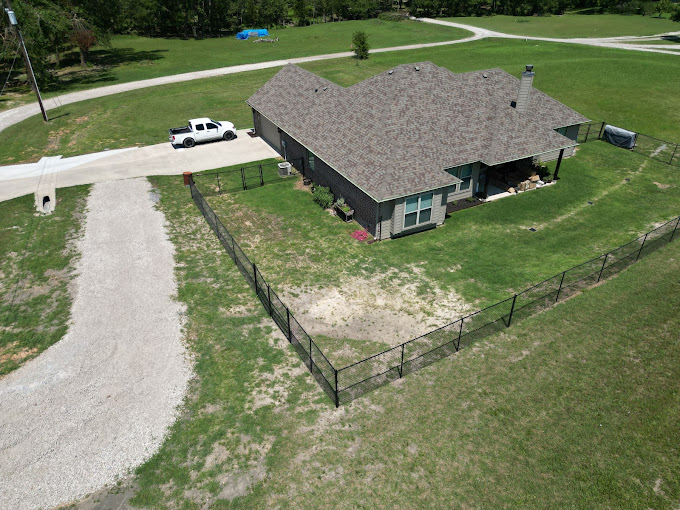
Few things are more frustrating than feeling like your yard is exposed. Maybe the neighbor’s dog keeps wandering into your grass, or you hesitate to let the kids play outside because there’s no real boundary between your property and the street. You may have already spent hours scrolling through fence ideas, only to realize you still don’t know what’s actually involved in getting a fence installed correctly. That’s where a clear, practical guide makes all the difference.
The ultimate guide to fence installation is about more than just picking a style you like. It covers how to choose the right materials for North Texas weather, what to expect from the installation process, how to avoid common mistakes that cost homeowners time and money, and how to work with a professional fence company like Lowery Fence & Patio in Sherman, TX. When you understand the steps from planning to final inspection, you can move forward confidently instead of guessing your way through an important investment.
Whether you’re trying to create privacy, keep pets safe, boost your home’s curb appeal, or define a property line, a well-installed fence becomes part of your daily life for years. This guide walks through each key decision, explains why it matters in the Sherman area, and shows how a professional approach turns what could be a headache into a straightforward, satisfying project.
Clarifying Your Fence Goals
Before you think about lumber, posts, or gate hardware, you need to be clear on why you want a fence in the first place. Homeowners in Sherman, TX often have overlapping goals: they want privacy from nearby houses, containment for pets or children, and a cleaner, more polished look from the street. Each of these priorities influences the height, style, and material that will work best in your yard. Skipping this step is one of the main reasons people end up disappointed with a fence that technically looks fine but doesn’t solve their real problem.
Privacy fences, for instance, usually require more height and tighter spacing between pickets to block sight lines. If your top priority is keeping your dog safe, you might focus more on secure gaps at the bottom of the fence, sturdy gates, and materials that can stand up to scratching or jumping. If curb appeal is most important, you may lean toward decorative designs such as ornamental iron or custom wood patterns that complement your home’s architecture.
Your goals should also account for long-term plans. Maybe you’re thinking about adding a pool later, building a patio, or planting a garden along the fence line. In that case, planning the fence with future projects in mind will help you avoid tearing out sections later. When Lowery Fence & Patio consults with Sherman homeowners, they ask targeted questions about how the yard is used today and how you hope to use it in five years. That kind of clarity at the start makes every other decision easier and more accurate.
Understanding Local Rules And Property Lines
Once you know what you want the fence to do, the next step is understanding what you’re allowed to build. Every city and neighborhood can have different requirements, and Sherman, TX is no exception. There may be rules about maximum fence height, how close you can build to the sidewalk, or special restrictions for corner lots where visibility for drivers is important. Ignoring these guidelines can lead to fines, forced changes, or disputes that drag on far longer than the fence installation itself.
It’s also crucial to know exactly where your property lines are. Many homeowners assume the existing old fence or a row of trees marks the boundary, but that’s not always accurate. Property surveys, plat maps, or documents from your home purchase are the best sources of truth. If there’s any uncertainty, it’s wise to clarify before putting new posts in the ground. A few inches over the line can become a serious problem if a neighbor objects or if you ever decide to sell the home.
Professional installers like Lowery Fence & Patio are familiar with local requirements and can help you navigate them. They can suggest fence heights and placements that respect Sherman’s codes while still accomplishing your goals. They also understand things like utility easements and where underground lines may run, which helps prevent costly mistakes like hitting a gas, water, or communication line during digging. This groundwork may not be exciting, but it’s the foundation of a smooth, trouble-free project.
Choosing The Right Fence Material
North Texas weather can be tough on outdoor structures, and your choice of fence material will determine how your fence handles sun, wind, rain, and temperature swings. Wood remains one of the most popular options in Sherman because it offers a warm, traditional look and can be customized with different stains, heights, and styles. Cedar is often preferred for its natural resistance to decay and insects, while pressure-treated pine is a cost-effective option that still holds up well when properly maintained.
For homeowners who want a low-maintenance solution, vinyl and composite fencing are attractive choices. They don’t require painting or staining, resist rot and insects, and can be cleaned with simple soap and water. While the upfront cost can be higher than some wood options, the long-term savings in maintenance can make them a smart investment, especially if you prefer not to spend weekends sanding, staining, or repairing boards.
Ornamental iron and steel fences appeal to those who value strength and classic style. These fences are ideal for front yards, pool enclosures, or situations where you want security without completely blocking the view. They can be powder-coated for durability and come in a range of designs from simple, clean lines to more decorative patterns. In some cases, homeowners combine materials—for example, a wood privacy fence along the sides and back of the yard, with an ornamental iron section in front—to get the best of both function and appearance.
Planning Layout, Gates, And Design
With your material selected, you can start thinking about how the fence will actually run across your property. A good layout respects the natural shape of the yard, avoids unnecessary jogs or awkward angles, and takes into account slopes or uneven ground. In Sherman’s varied neighborhoods, some lots are flat while others have noticeable grade changes. A professional installer will determine whether the fence should step down in sections or follow the contour of the ground to maintain both appearance and function.
Gates deserve special attention during planning. They are the moving parts of your fence and the spots that get the most daily use. You’ll want to think about where you need access: a main gate near the driveway, a side gate for trash cans, or a wider double gate if you might ever need to move lawn equipment, trailers, or construction materials into the backyard. Choosing high-quality hinges, latches, and posts for gate areas is critical to prevent sagging, misalignment, or difficulty opening and closing over time.
Design details also shape how your fence feels and looks. Options include different picket tops (flat, dog-ear, Gothic), decorative trim along the top, lattice accents, or alternating board patterns for extra visual interest. The color or stain you choose can coordinate with your home’s exterior or patio features. Lowery Fence & Patio often helps Sherman homeowners visualize these choices by discussing how the fence will look from both the street and inside the yard, since you’ll be seeing it every day from multiple angles.
What Professional Installation Actually Involves
Many people are surprised by how much careful work goes into a quality fence installation. It starts with precise measuring and marking of the fence line and post locations. Installers then dig post holes to the proper depth, which is especially important in areas like Sherman where soil conditions and wind load must be considered. Posts set too shallow can shift, lean, or fail prematurely, no matter how strong the boards or panels are.
Concrete is typically used to secure posts, and the way that concrete is mixed, placed, and allowed to cure affects the long-term stability of the fence. Installers must also consider drainage so that water doesn’t collect around post bases and speed up deterioration. Once the posts are solid, rails and pickets or panels are installed, with attention to consistent spacing, level lines, and secure fastening. This is where the difference between a rushed job and a professional installation becomes visible.
Throughout the process, an experienced crew keeps an eye on alignment, gate function, and overall appearance. They make small adjustments as needed to ensure the finished fence looks straight, even, and intentional from every angle. When Lowery Fence & Patio completes a fence installation in Sherman, TX, they also walk the homeowner through the finished project, checking that gates swing properly, latches work smoothly, and the fence meets the expectations discussed at the beginning. This final review helps catch any details that need fine-tuning before the job is truly complete.
Maintaining And Protecting Your New Fence
Once the fence is installed, your focus shifts from building to preserving. Wood fences generally require the most ongoing care. In Sherman’s sun and occasional storms, applying a quality stain or sealant helps protect against moisture, UV damage, and warping. Many homeowners schedule a first staining after the wood has had time to dry properly, then reapply every few years depending on exposure and product type. Keeping vegetation trimmed away from the fence also reduces trapped moisture and insects.
Vinyl, composite, and metal fences need less maintenance but still benefit from occasional cleaning and inspection. Dirt, pollen, and mildew can build up over time, especially in shaded or damp areas. A gentle wash with water and mild soap usually restores the original appearance. Checking for loose fasteners, damaged sections, or any signs of movement in the posts allows you to address small issues before they become larger repairs.
Seasonal inspections are particularly useful in North Texas, where storms can bring strong winds and heavy rain. After severe weather, walk the fence line and look for leaning posts, damaged panels, or debris that may have impacted the structure. When you work with a professional company like Lowery Fence & Patio, you have a resource to call if you notice problems. They can advise whether a simple repair will do or if a section needs more extensive attention to keep the fence safe and attractive.
Working With A Local Fence Expert
While some homeowners are tempted to make fence installation a weekend project, the reality is that a fence is a major, long-term investment. Partnering with a professional who understands local soil, weather, and regulations can save you from costly missteps. In Sherman, TX, a company like Lowery Fence & Patio brings experience with different neighborhoods, property types, and design preferences, which helps them recommend solutions that truly fit your home and lifestyle.
A good fence installer will start with a conversation, not a template. They’ll ask about your goals, budget, and timeline, then walk your property to spot any challenges such as slopes, trees, or existing structures. From there, they can suggest materials, layouts, and design options that balance function and appearance. They also handle logistics such as ordering materials, scheduling crews, and coordinating any required permits, so you don’t have to manage every moving part yourself.
Most importantly, a professional installation is backed by craftsmanship and support. If something isn’t right, you have a team to turn to rather than trying to troubleshoot alone. For many Sherman homeowners, that peace of mind is just as valuable as the fence itself. Whether you’re interested in privacy, security, or a complete backyard transformation, starting with an expert consultation helps you move from “I think I need a fence” to a finished project you’re proud of. To explore options, you can review services such as Residential Fencing and then schedule a visit to discuss your specific property.
Frequently Asked Questions
How long does a typical fence installation take in Sherman, TX? The timeline depends on the size of your yard, the type of fence, and site conditions, but most residential projects take a few days once work begins. The first day is often focused on setting posts, which then need time for the concrete to cure properly. After that, crews return to install rails, pickets or panels, and gates. More complex designs, multiple gates, or challenging terrain can extend the schedule slightly, but a professional company will provide a realistic timeframe before work starts.
What kind of maintenance should I expect after my fence is installed? Maintenance varies by material. Wood fences typically require periodic staining or sealing every few years to protect against moisture and sun damage, plus occasional replacement of any boards that crack or warp. Vinyl, composite, and metal fences need far less upkeep, usually limited to cleaning with water and mild detergent and checking hardware for tightness. Regardless of material, it’s wise to inspect your fence seasonally, especially after storms, to catch any issues early.
Do I need to talk to my neighbors before installing a fence? In many cases, it’s not legally required, but it is highly recommended. Letting neighbors know your plans can prevent misunderstandings about property lines, height, or style. Sometimes neighbors even choose to share costs for a boundary fence if it benefits both properties. A professional installer like Lowery Fence & Patio can help clarify where the fence will go and ensure it’s placed correctly on your side of the property line, which supports positive relationships with those living around you.
How do I choose the right fence height for my yard? The right height depends on your goals and local regulations. For privacy in a backyard, many homeowners in Sherman opt for fences around six feet tall, which provide a good visual barrier without feeling overwhelming. Front yard fences are often shorter for aesthetic and visibility reasons, and corner lots may have additional restrictions to keep sight lines clear for drivers. A local fence professional can recommend heights that comply with Sherman’s rules while still meeting your needs for privacy, safety, or curb appeal.
Is professional installation really worth the cost compared to DIY? While DIY can seem less expensive at first glance, it often comes with hidden costs like tool rentals, material waste, and the time required to learn proper techniques. Mistakes in post depth, alignment, or gate construction can lead to sagging, leaning, or premature failure, which then require repairs or even full replacement. Professional installation from a company experienced in Sherman’s conditions provides a fence that is correctly engineered, securely set, and built to last, turning your investment into a long-term asset rather than a recurring project.