
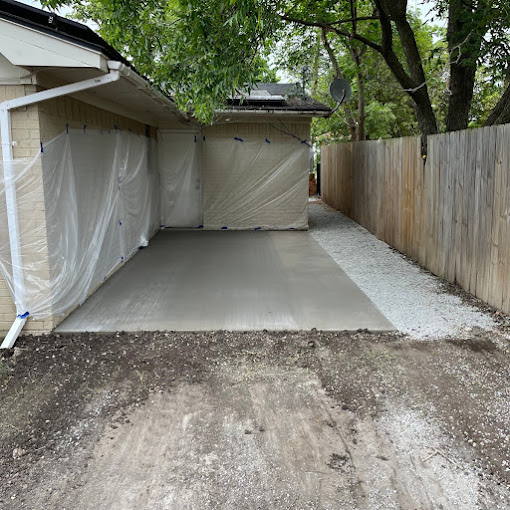
The first hint that the old fence had finally given up was not a broken board or a sagging post. It was the dog, nose pressed triumphantly through a widening gap, staring at the neighbor’s cat like he’d just discovered a secret passageway. By the time the homeowner in Sherman, TX walked the fence line, it was clear: patching and repairing were no longer enough. It was time for a new fence. But as soon as they started asking around about prices, they realized something surprising—the cost of fence installation wasn’t as simple as “price per foot.”
Many homeowners in the Sherman area start the fence process with a single number in mind, often based on a friend’s project or a quick online search. Then, when quotes start coming in, they see a range of prices for what seems like the “same fence.” That confusion can be frustrating. The reality is that fence installation is a layered project, and the final cost is shaped by material, design, terrain, labor, permitting, and even long-term maintenance. Understanding each of these pieces is the key to making a smart investment rather than just chasing the lowest upfront price.
Lowery Fence & Patio works with homeowners and property owners across Sherman, TX who are often surprised at how many decisions go into a fence project. The good news is that once you understand what drives the numbers, you can control your budget, prioritize what matters most to you, and avoid costly surprises. Instead of guessing, you can plan your fence like you’d plan any other home improvement—deliberately, with clear expectations and realistic cost ranges.
Material Choices And Price Ranges
Material is usually the first thing people think of when they consider fence costs, and for good reason: it’s often the single biggest factor in your total price. Wood, vinyl, chain link, ornamental iron, and composite all have different price points, lifespans, and maintenance needs. In Sherman, TX, wood fences remain extremely popular because they offer privacy, a traditional look, and an initial cost that fits many budgets. However, even within “wood,” there are meaningful cost differences between pressure-treated pine, cedar, and higher-end options, and those differences show up both at installation and over the fence’s lifetime.
Chain link is typically one of the most budget-friendly options for enclosing larger areas, such as backyards, side yards, or pet enclosures. It doesn’t provide much privacy on its own, but it offers durability and low maintenance at a relatively low cost per linear foot. Adding privacy slats or coatings will increase the price but can still keep it lower than many solid privacy fences. For homeowners who want security and functionality over aesthetics, chain link can be an excellent way to maximize coverage without breaking the bank.
Vinyl and ornamental metal (like steel or aluminum) come with higher upfront costs but can be more economical long-term depending on your goals. Vinyl is resistant to rot, insects, and warping, which means fewer repair and replacement expenses over time. Ornamental metal provides a high-end, open look ideal for front yards or pool enclosures and requires minimal maintenance compared to wood. Lowery Fence & Patio often helps Sherman homeowners weigh that trade-off: pay less now and more in upkeep, or invest more upfront and enjoy lower maintenance for years to come.
Height, Style, And Design Details
Once you’ve narrowed down the material, the next major driver of cost is the fence’s height, style, and design complexity. A simple 4-foot chain link fence will cost significantly less than a 6-foot solid privacy fence with decorative top rails and custom gates, even if they’re the same length. Taller fences require more materials, deeper post settings, and more labor, so a jump from 4 feet to 6 or 8 feet is more than just a visual change—it’s a budget shift.
Fence style also matters. A straightforward stockade or board-on-board privacy fence is cost-effective because it uses standard materials and simple construction methods. Decorative elements such as lattice tops, cap and trim designs, scalloped or arched sections, and custom spacing all add labor time and, often, specialty materials. Each of these details may only add a small amount on their own, but across an entire yard, they can noticeably increase the total price.
Gates are another design detail that many homeowners underestimate when budgeting. Every gate requires additional hardware, bracing, and careful installation to ensure it swings properly and doesn’t sag. Wider gates for vehicle access, double-drive gates, or custom arched gates require even more reinforcement and often heavier-duty posts. When Lowery Fence & Patio prepares estimates for Sherman, TX properties, gates are typically itemized because they are cost centers of their own within the larger project.
Property Conditions And Site Preparation
Two fences that look identical on paper can cost very different amounts in real life, simply because of the properties they’re installed on. Terrain, soil conditions, existing obstacles, and access to the fence line all impact labor time and material usage. A flat, open yard with easy access for equipment is faster and less expensive to work on than a sloped property with rocky soil, tree roots, and tight spaces between structures.
In Sherman, TX, soil conditions can vary from one property to the next. Hard, compacted soil or rocky ground can slow down post digging and may require specialized equipment or additional concrete to secure posts. If the fence line crosses areas with heavy tree roots, those roots may need to be cut back or worked around, adding labor hours. Similarly, if the yard has existing structures, landscaping, or old fence lines that must be removed before installation, that demolition and haul-off will be reflected in the final cost.
Access is a subtle but important cost factor. If installers can’t easily bring materials and equipment close to the fence line, they may have to carry everything by hand around the house or through narrow gates. That sounds minor, but over hundreds of feet of fencing, those extra steps translate into more labor time. Lowery Fence & Patio evaluates these site conditions during on-site consultations in Sherman to provide accurate estimates rather than generic “per foot” guesses that ignore real-world challenges.
Labor, Permits, And Local Requirements
Labor is a significant component of fence installation cost, and it’s one area where cutting corners can backfire quickly. Skilled installers understand how deep to set posts for our local weather conditions, how to maintain a straight and level line across varied terrain, and how to build gates that won’t sag or drift over time. Paying for experienced labor through a reputable company like Lowery Fence & Patio means paying for a fence that not only looks good on day one but still stands straight years later.
Permits and local regulations also influence overall cost, even if they aren’t always visible in the line items. Depending on where your property is in or around Sherman, TX, you may need a permit for certain fence heights, especially in front yards or near property lines. Some neighborhoods or HOAs have specific rules about materials, colors, and heights, and failing to follow them can lead to fines or being forced to remove a non-compliant fence. A professional installer familiar with local requirements can help you navigate these rules before construction begins.
Inspection requirements or utility locates (marking gas, water, and electrical lines) also play into the planning process. While having utilities marked is typically low or no cost to the homeowner, building around them may require adjustments to the fence layout or additional labor. When evaluating quotes, it’s worth asking whether permit research, compliance with local codes, and coordination with utility marking services are built into the price or left for you to manage on your own.
Long-Term Costs: Maintenance And Lifespan
Focusing only on the installation price can be misleading because fences are long-term structures. A lower initial cost doesn’t always mean you’ll spend less over the life of the fence. Wood, for example, usually has a lower upfront cost than vinyl or ornamental metal, but it will need regular maintenance. Staining, sealing, or painting every few years adds both material and labor costs, whether you do it yourself or hire someone. Neglecting that maintenance can shorten the fence’s lifespan and lead to earlier replacement.
Vinyl and metal fences tend to have higher upfront prices but lower maintenance demands. They don’t need painting or staining and are resistant to common issues like rot and insect damage. For homeowners planning to stay in their Sherman home for many years, investing more at the beginning may result in lower total ownership costs. When Lowery Fence & Patio discusses options with clients, they often frame the decision in terms of “total cost over 10–20 years” rather than just the installation day price.
Another factor is how well the fence is built from the start. Improperly set posts, poor drainage planning, or cheap hardware can shorten the life of any fence, no matter the material. Replacing warped panels, leaning sections, or failing gates adds repair costs over time. A slightly higher initial investment in quality construction, concrete, hardware, and design can save hundreds or even thousands of dollars in repairs or early replacement later on.
Budgeting, Comparing Quotes, And Finding Value
Once you understand the major cost drivers—materials, design, site conditions, labor, and long-term maintenance—you’re in a much better position to budget realistically. Start by clarifying your priorities: Is privacy the top concern? Are you mainly focused on containing pets or children? Is curb appeal a major goal? How long do you expect to live in the home? These answers will help you and your fence contractor choose the right combination of material and design that fits both your needs and your budget.
When you request quotes, make sure you’re comparing apples to apples. Two quotes with the same total price might include very different materials, post depths, concrete usage, hardware quality, and warranty terms. Ask for details: what kind of wood or vinyl is being used, how deep the posts will be set, what type of gates and latches are included, and whether haul-off of old fencing is part of the price. Lowery Fence & Patio provides detailed, transparent estimates for Sherman, TX homeowners so you can see exactly what you’re paying for.
It’s also wise to consider how the fence fits into your overall property plans. For example, if you’re planning a new patio, pool, or landscaping, coordinating the fence project with those upgrades can save money and hassle. Certain fence types, including specialized options like Agricultural Fencing, may be more cost-effective for large properties or specific uses. Thinking a few years ahead can help you avoid tearing out and redoing work, which is one of the most expensive “hidden” costs of all.
Frequently Asked Questions
How much does a typical fence cost per foot in Sherman, TX? There is no single “standard” price per foot because costs depend heavily on material, height, design, and site conditions. A basic chain link fence will generally cost much less per foot than a 6-foot wood privacy fence or a vinyl or ornamental metal system. In addition, factors like rocky soil, slopes, and the number of gates can significantly change the price. The best way to get an accurate number is to have a professional like Lowery Fence & Patio visit your property, measure, and discuss your specific goals.
Is it cheaper to repair my existing fence or replace it? Whether repair or replacement is more cost-effective depends on the fence’s age, the extent of damage, and the material. Replacing a few broken boards or a single leaning post may be very affordable and extend the life of a relatively young fence. However, if many posts are rotting, boards are warped across large sections, or the fence is nearing the end of its expected lifespan, repeated repairs can quickly add up. In those cases, investing in a new fence can provide better long-term value, improved appearance, and a stronger structure.
Do I need a permit for a new fence around my property? Permit requirements vary based on your location, fence height, and whether you’re working in a subdivision with an HOA or inside specific city limits. Some areas only require permits for front-yard fences or fences over a certain height, while others may have stricter guidelines. In and around Sherman, TX, it’s important to check local regulations before building. Lowery Fence & Patio is familiar with these requirements and can guide you through the process or help ensure your fence design complies with local codes.
Why are gates more expensive than the rest of the fence? Gates require additional materials, hardware, and craftsmanship compared to standard fence sections. They need extra bracing to prevent sagging, sturdy posts to support the weight, and quality hinges and latches to function smoothly and securely. Wider or double-drive gates for vehicle access add even more complexity and require stronger components. While they increase the overall project cost, well-built gates are essential for convenience, safety, and the long-term performance of your fence.
How can I control my fence installation costs without sacrificing quality? You can manage costs by prioritizing what matters most and where you’re willing to compromise. For example, you might choose a more economical material in less visible areas of your yard while upgrading the portion facing the street for better curb appeal. Simplifying the design, limiting decorative features, or reducing the number of gates can also lower the price. Working with an experienced installer like Lowery Fence & Patio allows you to explore different configurations, compare long-term maintenance costs, and design a fence that fits both your budget and your expectations.