
Patio Builder Insights For Perfect Designs
North Texas patios work hard. They’re shade when August heat hits 105°, a front‑row seat for Friday night football cookouts, and the quiet spot where you actually feel that first cool fall breeze. In Sherman and the surrounding Texoma area, more homeowners are turning blank backyards into true outdoor living spaces—and discovering that a patio is much more than a slab of concrete and a cover.
Done right, your patio becomes an extension of your home. Done wrong, it can feel like a hot, windy, rarely used space that never quite “fits.” Design is where that difference happens.
You’ll find that thoughtful planning, smart material choices, and a builder who understands our local climate and soil conditions are what separate a basic project from a patio you love for decades.
Key Insight: A perfect patio isn’t about copying a picture from the internet—it’s about blending design, structure, and lifestyle so your outdoor space looks great, feels comfortable, and works flawlessly in Sherman’s real weather.
Start With How You Live, Not Just How It Looks
The best patio designs begin with your daily life, not a catalog photo. Before talking shapes and finishes, a good builder will ask how you actually plan to use the space.
Are you picturing quiet mornings with coffee, or twenty people over for game day? Do you grill once a week, or do you want a full outdoor kitchens setup with storage, sink, and bar seating? Those answers drive everything from size and layout to lighting and electrical needs.
In Sherman, one family in the Fairview neighborhood thought they needed a small covered slab just off the back door. After walking their property together, it turned into a two‑zone design: a covered dining area near the kitchen for easy serving, and an open‑air space set further out with a fire feature for fall evenings. The result feels natural with the home and gets used almost every day.
“Form follows function, especially outdoors. If the layout doesn’t match your lifestyle, you’ll always feel like something’s off.” — Design Lead, Lowery Fence & Patio
Local lifestyle factors matter too:
- Many Sherman homes face west, so evening sun can be brutal on back patios.
- Wind across open lots or near farm fields can make uncovered seating uncomfortable.
- Neighborhood privacy varies—some yards need screening more than others.
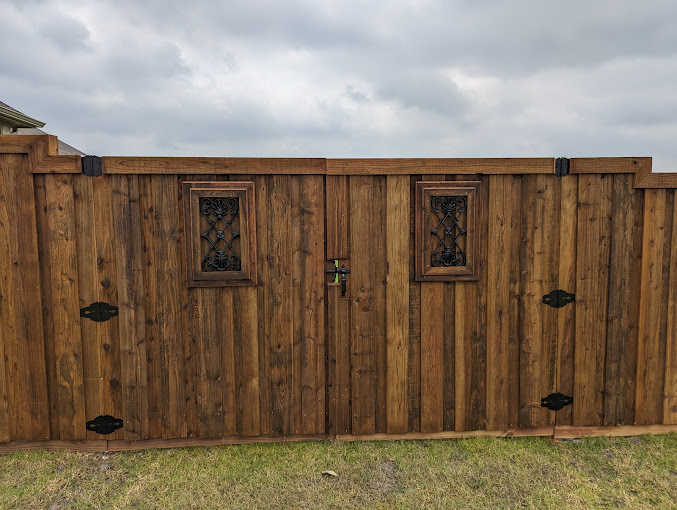
That’s where smart boundaries come in. A well‑placed Wood Fencing line or a tall row of shrubs can turn an exposed slab into a private retreat. If you back up to a busy road or commercial property, a solid Residential Fencing design can cut road noise and create a comfortable, enclosed feel around your patio.
A thoughtful designer will turn that “wish list plus reality check” into a clear plan so every square foot of your patio has a purpose—and nothing feels like an afterthought.
Designing for North Texas Weather: Shade, Drainage, and Durability
Sherman’s climate shapes good patio design more than most people realize. Our mix of intense sun, clay soils, and sudden storms calls for specific strategies if you want your patio to last and stay comfortable.
Shade and Heat Management
In July and August, uncovered concrete can feel like a griddle. That’s why custom custom-patio-covers are one of the most valuable upgrades you can add. They:
- Reduce surface temperatures dramatically
- Protect furniture and grill equipment
- Make the space usable even in mid‑afternoon
Pairing a solid cover with open structures like arbors-pergolas gives you a mix of full shade and dappled light. In one west‑facing home off Hwy 82, a solid roof tied into the house plus a pergola “transition zone” cut glare into the living room and made the back patio comfortable from late morning through sunset.
Drainage and Concrete Matters
Sherman’s expansive clay soils swell when wet and contract when dry. If you pour a patio like you would in another region, you’ll likely see cracks and shifting.
Partnering with a builder who understands local concrete-services is critical. Look for:
- Proper base prep and compaction
- Thoughtful slope for drainage away from the house
- Control joints placed for both function and aesthetics
In a Heritage Parkway project, a patio was designed with a gentle slope and integrated drains that tied into existing yard grading. Even during those heavy spring storms, water moves away cleanly instead of pooling near the foundation.
Weather-Ready Boundaries and Features
High winds on open lots can make outdoor dining a challenge. Strategic use of fencing and structures can help:
- A low Wrought Iron Fencing section can define space without blocking breezes.
- A taller Wood Fencing run can create a windbreak on the prevailing wind side.
- Integrating an outdoor-fireplaces feature adds warmth and a focal point for cooler months.
Patios that respect the realities of Sherman’s weather stay comfortable longer and require far fewer repairs over time.
Choosing the Right Structure: Covers, Pergolas, and Decks
Not every yard—or home—needs the same kind of patio structure. The right choice depends on your architecture, elevation, and how you want the space to feel.
Solid Covers vs. Pergolas vs. Open Sky
Here’s how the main options compare:
| Feature | Solid Patio Cover | Pergola / Arbor | Open Patio Only |
|---|---|---|---|
| Shade level | Maximum | Moderate / dappled | Minimal |
| Rain protection | Yes | Limited | None |
| Heat reduction | Excellent | Good with shade cloth | Low |
| Cost (Sherman typical range) | $$–$$$ | $–$$ | $ |
| Best for | All‑weather living, outdoor kitchens | Visual interest, partial shade | Budget builds, sun‑tolerant uses |
\Actual costs vary by size, materials, and site conditions.
In a neighborhood near Piner Middle School, a homeowner with a pool chose a hybrid design: a covered dining area attached to the house, plus a pergola over the lounge chairs. The solid cover made grilling and eating possible during summer storms, while the pergola gave the pool area resort‑style character.
When a Deck Makes More Sense
Not every property is flat. Some Sherman homes sit on sloped lots or have back doors higher than the yard. In those cases, deck-building can be a better option than heavy grading or tall steps.
Decks allow you to:
- Create a level entertaining space without major earthwork
- Step down gradually to the yard with integrated stairs
- Work around existing trees or features you want to keep
A recent project on a hillside lot combined a raised deck off the living room with a lower concrete patio at yard level. The upper deck handled dining and lounging, while the lower patio hosted a fire pit. The two levels are connected visually with matching rail and integrated lighting.
“Good patio structure design respects both the house and the land. Forcing a flat slab onto a sloped yard usually creates more problems than it solves.” — Project Manager, Lowery Fence & Patio
Thinking through these structure options early prevents costly changes later and helps your patio feel like it truly belongs to your home.
Integrating Fences, Gates, and Privacy Into Your Patio Plan
A patio doesn’t exist in isolation—it lives inside your yard and neighborhood. The way you handle fencing, gates, and access control can make the difference between a space that feels exposed and one that feels secure and inviting.
Privacy and Aesthetics
If your patio backs up to another home, a busy street, or a commercial property, privacy becomes a design priority. That’s where Residential Fencing options come into play.
Common choices around Sherman include:
- Wooden privacy fences for full screening and a warm, natural look
- Ornamental and Wrought Iron Fencing to define space without closing off views
- Mixed materials—like iron on the view side and wood on the neighbor side
For one home near Austin College, the patio overlooked a scenic greenbelt. The solution was a solid wood fence on the sides for privacy, and a decorative iron section along the back so the family could still enjoy the view. The patio feels protected, but not boxed in.
Gates and Access Control
How you move in and out of your outdoor space matters for both convenience and security. Thoughtful gate placement and hardware choices can simplify daily life:
- A side yard gate near the patio makes trash runs and lawn care easier.
- Wider gates accommodate mowers, trailers, or future projects.
- gates with upgraded latches or access control add peace of mind.
For homes with long driveways or acreage, pairing your patio project with a Driveway gate installation or security gate can create a cohesive outdoor environment—beautiful inside the fence, controlled access at the perimeter.
Matching Materials and Style
Your patio, fence, and gates should feel like part of a single design story:
- Match stain colors between patio posts and wood fences using professional fence-staining services.
- Echo metal finishes between iron railings, Custom iron gates, and decorative accents.
- Align fence lines to frame the patio, not cut awkwardly through sightlines.
When these elements are designed together, your yard feels intentional—more like an outdoor room than a patchwork of separate projects.
Bringing It All Together: Surfaces, Features, and Finishing Touches
Once the structure and layout are set, the details you choose will determine how your patio feels and functions day to day. This is where many designs either come alive or fall flat.
Surface Choices and Comfort
Concrete is the workhorse of patios, but it doesn’t have to look plain. Local concrete-services can add:
- Stamped patterns that mimic stone or pavers
- Integral color or stain for warmth
- Broom finishes for slip resistance around pools
Some homeowners combine a concrete core patio with border materials or inlays to break up large surfaces visually.
For raised sections or transitions, a small run of decking can soften the feel and add visual interest. In one Sherman project, a concrete patio anchored the outdoor kitchen and dining area, while a short deck platform with built‑in benches created a cozy conversation nook under a pergola.
Fire, Cooking, and Entertainment Zones
Adding features like outdoor-fireplaces or kitchens transforms a patio from “nice to have” into the heart of your home.
Common feature zones include:
- Grill or full kitchen with counter space and storage
- Fire pit or fireplace for cool evenings
- TV wall under cover for game days
- Bar seating along a counter facing the yard or pool
One Sherman family just off FM 691 wanted to host extended family regularly. Their patio now includes an L‑shaped outdoor kitchen with a smoker, a TV mounted under the patio cover, and a fireplace at the far end. Different age groups naturally spread out, but everyone stays in the same outdoor “room.”
“Think in zones: cook, eat, relax, and play. If each has a clear spot and easy flow between them, the patio will feel intuitive to use.” — Outdoor Living Designer, Lowery Fence & Patio
Lighting, Power, and Everyday Use
Patios that truly work are wired for real life:
- Outlets for fans, heaters, and phone chargers
- Dedicated circuits for grills and refrigerators
- Step and post lighting for safety and ambiance
It’s far easier and more cost‑effective to plan these during design than to retrofit later. A well‑designed patio lets you plug in a slow cooker, run a fan, and charge a speaker without tripping breakers or snaking extension cords across the floor.
These finishing choices move your patio from “project complete” to “space you never want to leave.”
Visualizing Before You Build: The Power of 3D Design
Outdoor projects involve a lot of imagination. It can be hard to picture how a 14′ x 20′ cover will feel, or whether the fireplace will block your view. That’s where modern design tools make a huge difference.
Using 3d-renderings, you can see your future patio from multiple angles before a single post is set:
- Walk virtually from your back door into the new space.
- Check sightlines from inside the home and across the yard.
- Compare different roof styles, column sizes, and layouts.
For a homeowner in west Sherman, 3D design revealed that their original plan put the outdoor kitchen in a spot that blocked the view of the kids’ play area. On screen, it was obvious. The layout was adjusted so the grill and counters shifted to the opposite side, preserving supervision while cooking. That change would have been expensive to fix after construction.
Traditional vs. 3D Design Experience
| Aspect | Traditional Sketch/2D Plan | 3D Rendering Approach |
|---|---|---|
| Visual clarity | Basic shapes and measurements | Realistic views, textures, and lighting |
| Catching layout issues | Often discovered during build | Usually caught and resolved before construction |
| Design changes | Harder to picture impact | Easy to compare options side‑by‑side |
| Homeowner confidence | “I hope it looks right” | “I know what we’re getting” |
3D tools don’t replace builder experience, but they do give you the confidence that your investment will deliver exactly what you’re imagining.
What This Means for Homes in Sherman, TX
Sherman is in the middle of real growth—new neighborhoods, updated older homes, and more people choosing to stay and invest in their properties instead of moving. A well‑designed patio is one of the smartest ways to add both daily enjoyment and long‑term value to your home.
Local conditions make thoughtful design especially important here:
- Climate: With hot summers and cool, windy winters, you need shade, airflow, and the option for warmth built into your plan.
- Soils: Our clay demands experienced concrete-services and proper structural planning.
- Lot layouts: Mixes of small city lots and larger edge‑of‑town or acreage properties call for different approaches to privacy and fencing.
You’re also designing for a community that spends a lot of time outdoors—Friday night cookouts before Bearcats games, family gatherings, and impromptu neighborhood get‑togethers. A good patio supports all of that.
Working with a local builder who also understands Residential Fencing, gates, and even Agricultural Fencing means your entire property can be planned as a cohesive whole—from backyard retreat to property perimeter.
The bottom line for Sherman homeowners: a patio isn’t just a project, it’s part of how you’ll live here for years. Taking the time to design it right, with local expertise, pays you back every single day you step outside.
Frequently Asked Questions
Q: How big should my patio be for comfortable outdoor living?
A: Start with how many people you regularly host and what you want to do outdoors. For a small family in Sherman, a 12′ x 16′ space might handle everyday dining and lounging. If you plan to add an outdoor-kitchens area, you’ll want more room for counters, appliances, and circulation—often 16′ x 20′ or larger. Also consider furniture footprints; a standard dining set needs at least 10′ x 10′ plus space for chairs to slide back. A good builder will lay this out to scale or show you via 3d-renderings so you can visualize how people will move through the space before construction begins.
Q: Can I add a patio cover to my existing concrete slab?
A: Often, yes—but only if the slab and footings are adequate. Many Sherman homes have basic builder‑grade slabs that were never intended to support a roof structure. A professional will assess thickness, condition, and whether separate footings or piers are needed for posts. In some cases, extending or replacing part of the slab is the safest route. This is also a great time to refresh the surface with updated concrete-services like staining or stamping, so the old and new areas blend seamlessly under your new cover.
Q: How do I keep my patio private without making my yard feel closed in?
A: Strategic privacy is the key. Instead of walling in the entire yard, focus on sightlines from neighbors’ windows and nearby streets. A run of Wood Fencing or Residential Fencing placed where people can see directly onto your patio can make a big difference. Combining solid fencing on one or two sides with lower or more open fencing—like Wrought Iron Fencing—on the view side keeps the yard feeling open. Landscaping, pergolas, and even outdoor fireplaces can also act as visual screens without closing you in.
Q: What’s the best way to tie my patio into the rest of my yard and fencing?
A: Think of your backyard as one connected environment. Your patio should feel anchored to the house, but also flow naturally toward the lawn, play areas, or pool. Matching materials and finishes is a big part of that—using similar stain colors on patio posts and fence-staining for your perimeter, or repeating metal elements from Custom iron gates in your railing. Pathways, lighting, and gate locations should support how you actually move through the space—taking trash out, mowing, watching kids, or bringing groceries in from the car.
Q: How long does a typical patio project take in Sherman?
A: Timelines vary with scope and weather, but a straightforward covered patio project often runs 3–6 weeks from breaking ground to final details, once permits and design are complete. More complex builds—those that include outdoor-kitchens, outdoor-fireplaces, or integrated Residential Fencing changes—can extend that window. The design and planning phase is critical and may add a few weeks up front, especially if you’re using 3d-renderings to refine the layout. A reputable local builder will provide a realistic schedule and keep you updated if weather or material delays arise.
Q: What patio upgrades add the most value to my home?
A: In the Sherman market, buyers consistently respond to usable, well‑finished outdoor spaces. Solid patio covers, quality concrete-services or decking, and integrated lighting tend to offer strong returns. Features like built‑in grills or simple outdoor-fireplaces can also stand out, especially when they’re part of a cohesive design. Equally important is curb appeal and overall property presentation—clean, well‑maintained Residential Fencing and attractive gates frame your outdoor space and reinforce the impression of a cared‑for home.
Q: How do I budget realistically for a custom patio in this area?
A: Start by identifying must‑haves versus nice‑to‑haves, then talk openly with a builder about your budget range. In Sherman, simple uncovered patios are on the lower end, while covered structures with upgraded finishes, deck-building, or integrated Residential Fencing will cost more. Don’t forget to include lighting, electrical, and finishing touches—they’re easy to overlook but make a big difference in daily use. A transparent estimate should break out structure, concrete or decking, features, and any fence or gate work so you can make informed decisions about where to invest and where to scale back.
Ready to Get Started?
North Texas weather doesn’t wait, and neither should the outdoor space you’ve been picturing. Designing and building a patio that truly fits your Sherman home takes a bit of planning, but the payoff is huge: more usable square footage, better everyday living, and a yard that finally matches how you want to use it.
Right now is an ideal time to start the conversation. Getting your design, 3d-renderings, and selections in place early helps you avoid seasonal backlogs and ensures materials and crews are reserved for your project. Whether you’re envisioning a simple shaded retreat or a full outdoor living area with kitchen, fireplace, and matching Residential Fencing, the first step is a quick consultation.
Lowery Fence & Patio has been helping Sherman and Texoma homeowners turn ideas into durable, beautiful outdoor spaces for years. You’ll get honest guidance, clear communication, and a design tailored to your home—not a one‑size‑fits‑all template.
Take the next step toward the patio you’ve been thinking about every time you step into the backyard.
About Lowery Fence & Patio
Lowery Fence & Patio is a locally owned outdoor living and Residential Fencing specialist based in Sherman, TX. With deep experience in North Texas soils, climate, and architectural styles, the team designs and builds patios, covers, decks, gates, and fences that stand up to real‑world use while looking great for years. From detailed 3d-renderings to final stain, every project is approached with craftsmanship and clear communication.