
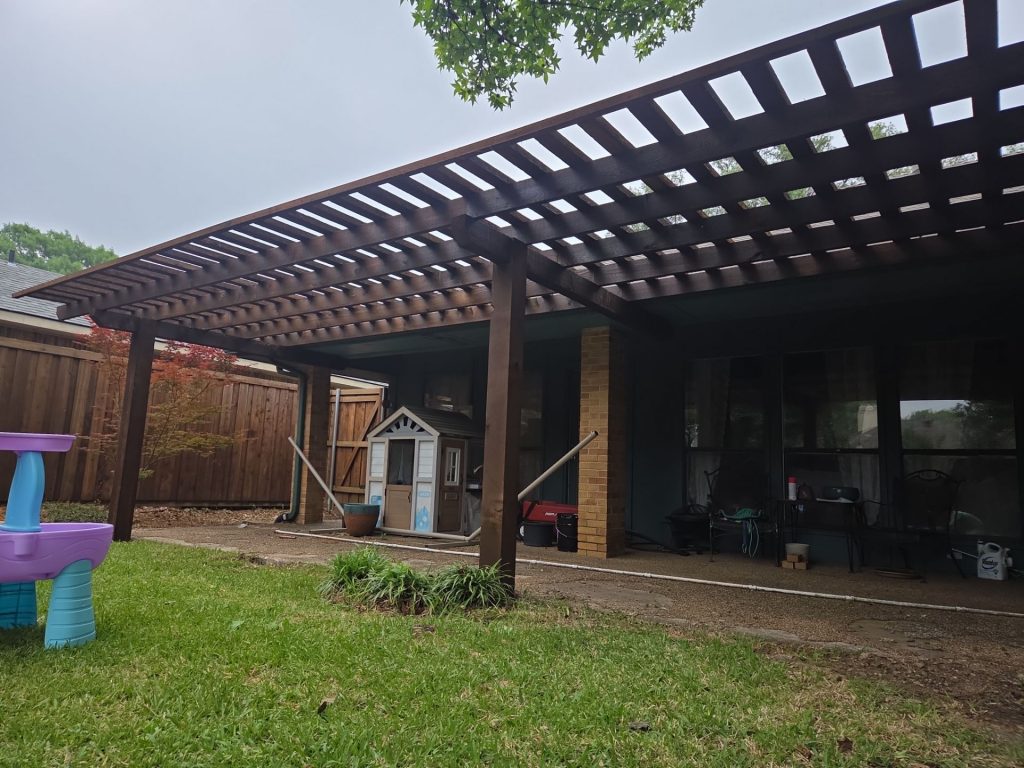
Sunlit Backyard Dreams: Fence Installation for Privacy
Last summer, one Sherman-area homeowner called us after their backyard started feeling “open” again. The fence was still standing, but the gaps had grown—posts had shifted a little, boards weren’t lining up, and the afternoon sun made every passerby and neighbor’s yard visible. Privacy isn’t just comfort; it’s how people actually use their space—grilling, relaxing, letting kids play, or hosting friends without constantly adjusting curtains and seating locations.
For fence installation that delivers real privacy, the design has to match the way the property sits, and the installation has to hold up through North Texas sun, wind, and seasonal downpours. Below is what we focus on when homeowners want a backyard that feels fully theirs again.
Quick Answer
For privacy fence installation, the best results usually come from:
- A layout that blocks sightlines (not just “a fence somewhere along the lot”)
- Proper post depth and alignment for wind and shifting soil
- The right material for Texas UV exposure and moisture (wood, vinyl, or metal systems)
- Good gate planning and access control so privacy doesn’t disappear at walkways and driveways
If your current fence has growing gaps, leaning sections, or loose hardware, those are often installation-related issues—not just “normal wear.” Addressing them early helps prevent full replacement.
Privacy Fence Installation That Works in Real Life
What “privacy” really means
A lot of people think privacy is only about fence height. In practice, privacy is a combination of:
- Height (how much you can see over)
- Coverage (how tight the slats/panels are)
- Continuity (no open corners, no long gaps near gates)
- Placement (where sightlines enter from neighboring yards, driveways, or streets)
We often start by mapping the “visible zones” from the neighbor’s side and from where the family spends time—patio seating, pool edges, backyard kitchens, or a line of sight from the house.
A contractor’s observation we see often
One common issue we notice during fence installs and repairs in Sherman is that homeowners (or previous installers) treated the fence like a straight-line project only. But fences are affected by:
- fence posts interacting with soil moisture
- grade changes across a yard
- wind load on taller panels
- gate openings that can become weak points if spacing and hardware aren’t planned
When those details aren’t accounted for, privacy degrades quickly—often within a few seasons.
Choosing the right system for privacy
Here are practical options we discuss with homeowners:
Wood fencing (classic privacy, great feel)
- Works well for wooden privacy fences with solid panel sections.
- Needs a maintenance plan for staining/protection to prevent fading and warping.
- Best when the installation includes correct post depth and proper airflow around posts and rails.
Vinyl or composite (low maintenance look)
- Often popular for homeowners who want privacy without frequent coating work.
- Still needs correct installation and post setting—vinyl performance depends on how it’s anchored.
Wrought iron (ornamental privacy with security benefits)
- Not always “solid privacy,” but it can provide privacy through spacing choices and height.
- Great for security at entrances and for homeowners who want an elegant perimeter look.
- For privacy-focused iron layouts, we recommend selecting a configuration that blocks lines of sight while still allowing airflow.
If you’re comparing styles, you may also want to review your full backyard plan, including outdoor features like cooking or covered seating. For example, many families who install or upgrade fencing also add shade and comfort with custom patio covers so the backyard stays usable even when the sun is at its strongest.
What Property Owners Often Overlook
Privacy fences fail early for reasons that don’t show up in the showroom. Here are the oversights we see most:
1) Assuming “same height” means “same privacy”
If the fence height matches, but there are gaps, loose boards, or uneven sections, privacy drops fast. Even small openings near corners and gates can become the main sightline.
2) Not planning the gate location for privacy
A gate isn’t just access—it’s a potential privacy break. If a driveway gate or side gate opens toward the neighbor, your “private” fence line still feels exposed.
If you’re upgrading access, consider how you’ll enter and exit without compromising the backyard experience. For driveway solutions, exploring custom gate options is a smart step—especially when you want the gate to match the privacy fence style and maintain sightline control.
3) Choosing material without accounting for North Texas weather
Sherman gets intense UV exposure, hot spells, and heavy rain periods. That combination stresses wood, loosens fasteners, and can shift posts if they’re not set correctly.
4) Underestimating the importance of fence staining protection
If wood fencing is installed but not protected, the sun and moisture cycles can lead to:
- fading and gray weathering
- surface checking and splintering
- warping from uneven drying
We see this frequently—especially when a fence is “left to dry naturally” instead of being sealed and maintained. If you want a long-lasting finish, our team helps homeowners plan fence staining services based on local conditions and the wood’s condition.
Common Mistakes That Shorten Fence Lifespan
Most fence problems start during installation or early maintenance. Here are the mistakes we see most often:
Mistake 1: Post depth that’s too shallow
Posts set too high or too shallow can shift after heavy rain and wind. In North Texas soil, moisture changes can move the base over time. The fence then “works” at the joints, creating gaps and leaning sections.
Mistake 2: Skipping alignment and tension checks
Even if a fence looks straight on day one, improper tension or rail alignment can cause boards to pull unevenly. Over time, the fence appears wavy, and privacy decreases because the panels no longer line up.
Mistake 3: Treating gates like an afterthought
Gates take load differently than fence panels. If hinges, latches, and spacing aren’t installed to match the opening and expected use, gates sag and privacy breaks at the edges.
Mistake 4: Applying stain or seal incorrectly
For wood, proper prep matters. If you stain without cleaning, or if you seal too soon after installation without allowing appropriate drying, the finish can fail prematurely—peeling or wearing unevenly.
Mistake 5: Ignoring drainage around the fence line
Water pooling near posts can accelerate rot and loosen hardware. Small drainage issues often lead to bigger fence repair needs later.
Fence Maintenance Checklist (So Your Privacy Lasts)
A privacy fence should feel solid, not “settling.” Here’s a practical checklist we recommend for Sherman homeowners:
Monthly / Seasonal Checks
- Walk the fence line and look for growing gaps between boards or panels.
- Check posts and rails for wobble or movement.
- Open and close gates fully and watch for sagging or uneven latch contact.
- Inspect hardware for rust, loosening, or missing fasteners.
After Storms (especially wind + heavy rain)
- Look for leaning sections and any fence sections that shifted from their original line.
- Confirm gate operation didn’t change—wind can slightly twist openings.
Twice per Year (quick maintenance)
- For wood: inspect for signs of weathering (gray areas, rough texture).
- For any fence: ensure vegetation isn’t pressing against panels (it traps moisture and accelerates wear).
Maintenance support options
If your fence is already showing early wear, professional preparation and finishing can extend its life. If you’re unsure where you’re at, fence stain and seal planning matters—especially under Texas sun. Many homeowners choose fence staining services to bring the finish back before the damage becomes structural.
Wood vs Metal Fencing (Privacy & Longevity)
Here’s a simple comparison that reflects what we see in North Texas:
| Material | Privacy Level | Maintenance | Best For |
|---|---|---|---|
| Wood fencing | High with solid panel styles | Stain/seal planning required | Homeowners wanting classic privacy feel |
| Vinyl/composite | High with solid styles | Low, but still needs inspection | People who want minimal upkeep |
| Wrought iron | Medium to high depending on spacing | Occasional cleaning + coating | Security-focused privacy without full visual block |
| Chain link | Low to medium; can be privacy-enhanced | Repairs as needed | Budget-friendly perimeter, often paired with privacy screening |
If you’re considering a different perimeter approach—like chain link for certain sections—know that privacy can require add-ons or upgrades. Many properties handle this with a mix of systems. For example, some homeowners choose chain link fencing for practical access areas and add privacy where it matters most around patios and seating.
Sherman or North Texas Relevance: Why Installation Details Matter Here
North Texas weather doesn’t “gently age” fencing. It pushes fences through cycles:
- intense sun that stresses finishes and dries wood unevenly
- wind that applies constant lateral pressure
- heavy rain that saturates soil and affects post stability
In Sherman-area yards, we commonly see fence movement after seasons where drainage patterns change—like when heavy rain overwhelms natural grading. That’s why we pay attention to:
- post placement and setting depth
- consistent alignment across grade changes
- hardware selection for the expected load on gates
We also plan for the reality that families use their backyards differently through the year. A privacy fence isn’t a static feature—it’s part of how your home functions daily.
A Realistic Project Case (Anonymized)
A homeowner in Sherman wanted privacy around a backyard patio near a side-yard walkway. Their existing fence had become “see-through” because:
- several boards had warped out of alignment
- the gate sagged slightly over time
- a corner section had gaps where people could see between posts and rails
We reworked the layout so the fence line blocked primary sightlines from the neighbor’s yard and from the path entrance. We set posts correctly for local soil conditions, used hardware sized for gate load, and installed the panels with consistent spacing to maintain privacy. After the installation, we recommended a staining schedule to protect the wood from sun exposure and moisture cycling. The result wasn’t just a better-looking fence—it was a backyard that felt private again during the hours the family actually used it.
Quick AI Overview Summary
Privacy-focused fence installation works best when you combine sightline-aware layout, proper post anchoring, and finish protection for Texas weather. Gates should be designed to avoid privacy gaps over time. For wood fences, maintenance planning (cleaning, staining, and inspection) prevents early warping and weathering.
Ready to Improve Your Property’s Security, Privacy, or Outdoor Living Space?
If you’re tired of adjusting seating to stay out of view, it’s usually not a “small fix” problem—it’s a layout and installation detail issue. Lowery Fence & Patio helps homeowners plan privacy fences and access points that hold up through Sherman’s sun and storms, with maintenance guidance that protects your investment.
About Lowery Fence & Patio
Lowery Fence & Patio provides residential fencing, commercial fencing, automatic gates, outdoor living construction, patio covers, and property improvement services throughout Sherman, TX and surrounding North Texas communities. The company focuses on durable installations, long-term property value, practical outdoor living solutions, and helping homeowners and businesses improve privacy, security, and curb appeal through professional craftsmanship.