
By the Lowery Fence & Patio team — serving Sherman, TX, and nearby areas.
Last fall, a homeowner near Sherman called after noticing a “wobble” in their fence line right after a windy front. It wasn’t a full collapse—just enough movement to worry them. A week later, another section started to lean, and the latch on the gate didn’t sit straight anymore. If you’ve felt that same sinking concern, you’re not alone: wind stress doesn’t just test the fence—it reveals whether the installation details were built to resist it.
This guide walks you through fence installation techniques that help create wind-resistant strength—what matters most in the post layout, bracing, gate hardware, and material choices. You’ll also get a practical checklist you can use when planning a residential or commercial fence installation in Sherman and throughout Collin County, Grayson County, Cooke County, and Fannin County.
Quick Answer
Wind-resistant fence strength comes down to three things: proper post installation (depth, spacing, and alignment), correct bracing (so the fence can resist push and pull), and gate hardware that matches the load. If those fundamentals are right, even strong gusts are less likely to cause leaning, racking, or latch failure.
Key takeaway: Many “wind problems” aren’t the material—they’re the installation details: under-set posts, missing bracing, and gate frames that weren’t anchored for the real forces on the property.
What to Check First
Before you decide whether you need fence repair services or a full fence installation, do a quick visual inspection. You’re looking for evidence of movement and poor load transfer.
- Check the fence line for racking: any diagonal movement between posts usually points to bracing or post-setting issues.
- Inspect gate alignment: if the gate drags, swings unevenly, or the latch won’t line up, the problem often starts at the gate posts and hinge placement.
- Look for post movement at the base: gaps around the bottom, tilting, or soil washout after heavy rain can weaken the system.
- Confirm the fence type matches wind exposure: solid privacy fence sections generally catch more wind than open styles.
Local tip: In the Sherman area, after a windy weather pattern and then a heavy rain, the soil can soften around fence bases. That combination is when “almost stable” fences tend to start leaning—so it’s worth checking post bases and gate anchors first.
Main Things Customers Should Understand
Wind-resistant fencing is engineered around how loads move through the structure. In practice, that means focusing on the fence’s “framework” (posts + bracing), not just the surface material.
1) Post depth, spacing, and embedment quality
Posts are the foundation for wind resistance. Even a strong fence material can fail if posts are set too shallow, spaced too far apart, or installed without solid embedment. For wind-prone runs, the installation should prioritize consistent spacing and secure embedment so the fence can resist both inward push and outward pull.
2) Bracing for lateral strength (the missing piece on many fences)
Wind doesn’t hit fences like a gentle breeze—it creates lateral pressure. Bracing ties the system together so each section can “share” the load instead of letting one post roll or one panel rack.
In real installs, bracing typically shows up through stronger end assemblies, proper tension at rails, and consistent structural connections along the run. If your fence line has long stretches with minimal bracing, it’s usually more vulnerable during gusty events.
3) Rail and panel fastening that won’t loosen under vibration
Over time, wind-driven movement can loosen hardware. Proper fastening—correct fastener type, correct placement, and tight connections—helps prevent gradual failures that show up as sagging rails, gaps, or panel misalignment.
4) Gate installation: hinge posts and latch alignment are load-bearing
Gates are often the first to show wind damage because they concentrate forces at a few points. Automatic gate installation and electric gate installers add complexity, but the mechanical foundation still matters: hinge side strength, post anchoring, and correct frame alignment.
If you’re considering access control systems or driveway gate installation, treat the gate posts like structural elements—not “just another post.”
5) Material choice: matching the fence to wind exposure
Different fence styles interact with wind differently:
| Fence style | How it behaves in wind | What helps most |
|---|---|---|
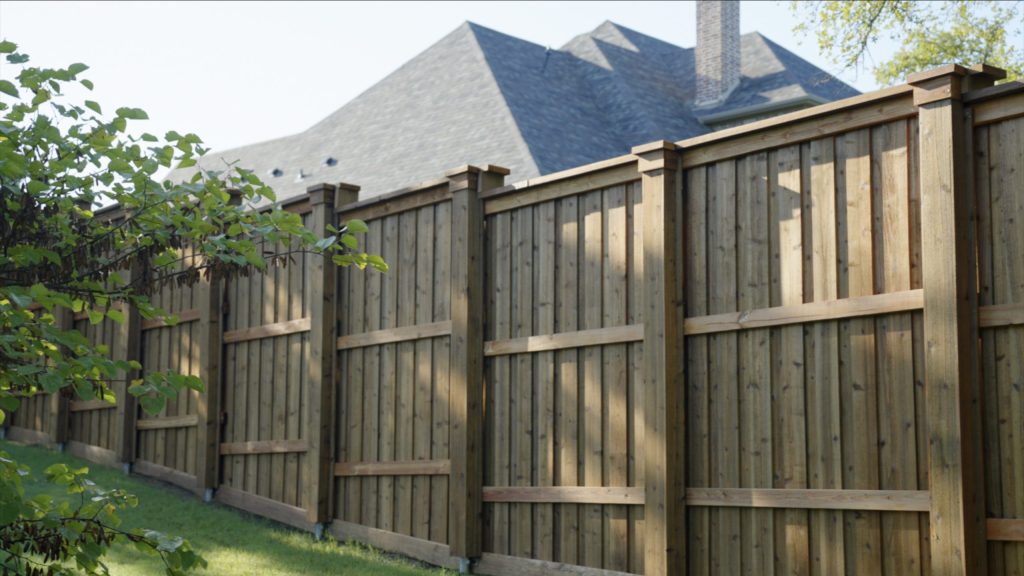
| Wood fencing / privacy fences | Solid or semi-solid surfaces can catch more wind pressure, especially on longer runs. | Robust post embedment, consistent bracing, and solid rail fastening. |
| Chain link fence installation | Open weave lets wind pass through, reducing pressure compared to solid panels. | Tensioning, strong terminal posts, and correct framework alignment. |
| Wrought iron fencing / ornamental iron | Typically more open than privacy boards, but still needs proper bracing for taller runs. | Quality framework connections and correct post setting. |
| Pipe fencing / steel pipe fencing | Often open, but wind forces act at the frames and connections. | Well-anchored posts and secure fittings at rails and corners. |
If you’re comparing options for a windy side yard or a property line exposed to prevailing winds, it’s worth thinking about the structure behind the surface. For example, if you want a more solid backyard fencing options look, the installation should compensate with stronger framework and bracing.
Planning a fence project for wind-resistant strength?
Lowery Fence & Patio helps homeowners and businesses in Sherman, TX and nearby counties choose practical fencing details—so your wood fence installation, chain link fence installation, or wrought iron fencing doesn’t just look good on day one.
Contact Lowery Fence & PatioWhy This Matters in Sherman, TX
Wind isn’t uniform across every property in Grayson and surrounding counties. In Sherman, we commonly see fencing lines exposed to open lots, corner lots, and properties with fewer natural wind breaks. Those conditions increase lateral pressure and make installation quality more obvious.
Another local variable is soil behavior. After heavy rains, the ground can soften, especially near drainage paths or where water flows along the fence base. When posts lose support, they don’t always fail immediately—they can shift gradually until a gust finishes the job.
That’s why wind-resistant strength is built into the installation method: consistent post embedment, correct bracing placement, and gate anchoring that accounts for real-world wind and movement.
If you’re thinking about access control as part of the fence system, you may also want to review gate options and installation considerations before finalizing your layout.
Common Mistakes to Avoid
Most “wind damage” stories start with one or more preventable issues. Here are the common mistakes we see when fences are installed without the right structural approach.
- Under-setting posts: shallow embedment can look fine initially, but it reduces resistance once wind and rain work together.
- Skipping bracing on long runs: a fence may hold for weeks, then rack when gusts hit—especially when panels have more surface area.
- Overlooking gate load: gate frames that aren’t anchored and aligned properly can cause latch failure and uneven swinging under pressure.
- Using the wrong fastening approach: loose or incorrectly placed hardware can gradually loosen from vibration and movement.
- Choosing a style without matching wind exposure: a privacy fence on a highly exposed side yard needs a stronger structural setup than the same look in a sheltered area.
Pro reminder: If you’re dealing with chain link fence repair or sagging panels after wind events, don’t assume the damage is “cosmetic.” Misalignment can mean the terminal posts or tension framework needs attention.
Customer Checklist
Use this checklist before you start a fence installation or after a wind event. It’s also helpful when discussing fence contractors and fence installation details with a team.
Wind-resistant strength checklist (quick walk-through)
- Are end posts and corner assemblies built to resist lateral loads (not just line posts)?
- Is the post spacing consistent along the exposed sections?
- Do rails and panels have solid fastening with correct placement?
- Are gate hinge posts anchored and aligned so the gate doesn’t rack?
- After rain, do you see soil washout or gaps near the bottom of posts?
- Is there visible bracing support where the fence is most exposed?
Frequently Asked Questions
How do I know if my fence problem is wind-related or something else?
Wind-related issues usually show up as diagonal movement (racking), leaning at posts after gusts, and gate latch misalignment. If the fence shifts mainly after strong wind events and you notice gaps or loosened hardware, wind and lateral stress are likely contributors. If you also see post base washout after rain, soil support may be part of the problem too. A site walk-through helps confirm whether you need fence repair services, bracing adjustments, or full section replacement.
What fence installation techniques create better wind-resistant strength?
The techniques that matter most are structural: correct post embedment, appropriate post spacing, terminal end strength, and bracing that resists lateral pressure. Fastening quality and gate anchoring are also critical. Whether you’re installing wood fencing, chain link fencing, or wrought iron fencing, the goal is the same—help the entire run act as a stable system under push-and-pull forces.
Can I fix a leaning fence myself?
Some minor adjustments may be DIY-friendly, like tightening hardware, re-aligning a latch, or replacing a small section. But if posts have shifted, embedment is compromised, or bracing is missing, DIY fixes often don’t last. The more the fence has moved, the more likely you’ll need professional fence contractors to reset posts correctly and restore structural integrity.
Does a privacy fence handle wind differently than chain link fencing?
Yes. Solid or semi-solid surfaces generally catch more wind pressure than open styles, so they need a stronger structural setup to prevent racking and leaning. Chain link fence installation often reduces pressure because wind passes through the weave, but it still requires proper tensioning, bracing, and strong terminal posts. Either way, installation details determine long-term performance.
When should I call a professional instead of waiting?
If you see fence line movement, widening gaps, rails pulling away, or a gate that won’t latch properly, don’t wait for the next wind event. Early intervention can prevent larger structural failures. Calling a professional also helps you choose the right next step—whether that’s targeted repairs, bracing upgrades, or a full replacement for heavily compromised sections.
Ready to Get Help From Lowery Fence & Patio?
If you’re planning a new Fence installation or dealing with Fence repair services after wind exposure, the best time to address the problem is before it spreads down the line. Lowery Fence & Patio brings practical, structurally focused fencing know-how for Sherman, TX and nearby areas—so your fence system is built to handle real conditions, not just ideal weather.
Talk through your fence plan with a local team
Lowery Fence & Patio serves Sherman, TX and the surrounding counties with residential fencing and commercial fencing solutions built for long-term performance.
Call 903-833-3623About Lowery Fence & Patio
Lowery Fence & Patio helps homeowners and businesses in Sherman, TX and surrounding areas with fencing and outdoor living solutions designed around real-world strength and maintenance needs. From Residential Fencing to Commercial Fencing, the team focuses on practical installation details—posts, bracing, and gate hardware—that support wind-resistant performance across wood fencing, chain link fencing, wrought iron fencing, and more.
Helpful next reads: Wood fence installation guidance, Chain link fence installation considerations, Outdoor living add-ons like custom patio covers.