
Outdoor Living Upgrades: Fence Installation for Curb Appeal
A few months after a heavy North Texas rain, one Sherman homeowner called us because their front yard looked “unfinished” even though the house itself was in great shape. The issue wasn’t the landscaping—it was the fence line. Sections had pulled away from the posts, the bottom rails were sagging, and the gate didn’t latch cleanly. From the street, the property felt open where it should’ve felt intentional and private.
That’s a common pattern we see here: curb appeal isn’t just paint and plants. A properly planned fence installation—with the right material, correct post depth, and gates that work smoothly—makes the whole property look more cared for while also improving security and daily usability.
Quick Answer
If you want curb appeal and long-term performance in Sherman, TX, focus on four things during installation:
- Post depth and alignment (so the fence doesn’t shift or sag)
- Material choice for heat and UV exposure (so it won’t warp or fade early)
- A gate plan that matches traffic flow (so it latches and operates reliably)
- Maintenance from day one (especially for wood fencing and stained surfaces)
For homeowners, privacy and style often drive the decision. For commercial property managers, it’s usually about controlled access and perimeter consistency.
Why the Right Fence Upgrade Changes More Than Looks
A fence does three jobs at once:
1. Frames the property
Straight, level runs and properly sized gates create “clean lines,” which is what most people notice first.
2. Defines usable outdoor space
Even a modest front-yard fence can make the space feel calmer and more private—without blocking light or views.
3. Improves day-to-day function
A gate that swings correctly, latches securely, and clears landscaping turns a “nice idea” into something you use every day.
Fence and Gate Installation That Works (Not Just Looks Good)
What we design around in Sherman-area properties
When we lay out a new fence line, we’re thinking about:
- Wind exposure and storm direction (North Texas gusts can stress weak points)
- Soil conditions that can shift over time
- Drainage patterns that can undermine post bases
- Walkway and drive access so gates don’t fight traffic or landscaping
A practical recommendation: match the fence type to the purpose
Here’s how we typically steer homeowners and business owners:
- Residential privacy fence installation works best when you want a clear boundary and reduced sightlines. If you’re also staining, we’ll plan for prep and weather windows so the finish lasts.
- Wrought iron fence installation is a great curb-appeal option when you want an elegant look with visibility. It also pairs well with driveway gate automation because the hardware can be set up for reliable operation.
- Chain link fence installation is often chosen for durability and practicality—especially for side yards, utility areas, or commercial perimeter needs where visibility matters.
- Wood fence installation is popular for traditional curb appeal, but it demands more intentional maintenance in Texas heat (and that includes proper staining and sealing).
If you’re planning gate upgrades too, start with function first. A pretty fence with an awkward gate becomes a daily annoyance.
For more on access points, explore custom gate installation services that fit your layout and traffic flow.
What Property Owners Often Overlook
Common mistake property owners make
One of the most expensive “small” mistakes we see is installing posts too shallow or without correcting the line during setup. On paper it sounds minor. In reality, shallow posts and slight misalignment can lead to:
- fence panels pulling out at the corners
- sagging rails within the first year
- gates that gradually stop latching cleanly
- a fence line that looks “wavy” from the street even if the boards were originally straight
North Texas heat accelerates movement. Then storms add the stress. If the foundation isn’t built to handle that cycle, the fence starts to look tired long before it should.
Another overlooked factor: finish planning for wood
For wood, people often choose a stain they like visually but don’t plan around:
- surface prep and drying time
- weather windows (humidity and rain timing)
- whether the fence was sealed appropriately after staining
That’s why we recommend pairing installation with a maintenance strategy—especially if you’re considering fence staining services designed for long-lasting color and protection.
Our Experience Installing Fences in Texas Conditions
We’ve installed fences across neighborhoods where the difference between “great first impression” and “we’ll need repairs soon” came down to details.
Firsthand observation from the field
A pattern we see repeatedly: fences that look level on install day can still fail early if the post spacing and rail alignment aren’t consistent. When panels are forced to fit slightly off measurements, they create stress points. Over time, that stress shows up as loose sections, bowed rails, and widening gaps—especially after seasonal temperature swings.
That’s why our installers measure twice, correct as they go, and treat gate openings as the critical “anchor” points for alignment.
Installation and Maintenance Checklist (Do This to Protect Your Investment)
Installation checklist (before sign-off)
- Confirm property line and layout so the fence runs where it should
- Verify post spacing matches panel or rail requirements
- Ensure post depth and base prep are appropriate for local soil conditions
- Check level and alignment at corners and gate openings
- Test gate operation: swing clearance, latch engagement, and smooth travel
- Confirm hardware is installed for long-term use (not just “tight today”)
Maintenance checklist (simple but effective)
- Rinse or remove buildup near the fence line (especially after storms)
- Inspect quarterly for:
- loose rails
- leaning posts
- hardware wear at hinges and latches
- For wood fences:
- plan staining and sealing based on sun exposure and weather patterns
- watch for early signs of fading or dry, rough texture
- Clear vegetation touching the fence to reduce moisture and trapped debris
If you’re curious about how maintenance affects longevity, consider fence stain and seal planning as part of the overall upgrade—not an afterthought.
Wood vs Metal Fencing (Quick Decision Guide)
| Option | Best For | Strengths | Maintenance Reality |
|---|---|---|---|
| Wood Fencing | Traditional curb appeal, privacy | Looks natural, great for classic neighborhoods | Needs periodic staining/sealing to resist UV and moisture |
| Vinyl Fence Installation | Low-maintenance privacy and clean lines | Doesn’t need staining; resists rot | Still needs correct installation and may require occasional cleaning |
| Chain Link Fencing | Practical boundaries, visibility, durability | Strong, efficient for larger runs | Can require tensioning and repairs over time |
| Wrought Iron Fencing | Ornamental curb appeal + security | Elegant, durable, strong barrier | Needs coating/finish care to prevent corrosion |
If you’re leaning toward a style upgrade with a more decorative look, wrought iron fencing often delivers the “finished” appearance people want for front-yard curb appeal.
What Actually Improves Long-Term Durability
A fence lasts when the installation and the finish work together. In North Texas, durability usually comes down to:
- Proper post setup (depth, alignment, and stability)
- Correct materials for sun and weather
UV exposure is relentless, and heat speeds up finish breakdown.
- Hardware quality and placement at gates
Gates take the most force during daily use.
- Preventive maintenance
Catching a loose rail early is far cheaper than replacing an entire run later.
A Realistic Project Example (Anonymized)
A local residential client in Sherman wanted a fence that looked “intentional” from the street, but they also needed better backyard privacy. Their old wood sections were fading and warping, and the driveway gate didn’t match the fence line visually.
We replaced the front perimeter with a design that matched their home’s style and reworked the gate opening for smoother access. For the backyard boundary, we recommended a privacy approach with a maintenance plan built in from the start. The result wasn’t just a cleaner look—it was a fence line that held its alignment through the next storm season and reduced day-to-day frustrations with gating.
Sherman and North Texas Relevance: Why the Details Matter Here
In Sherman and across North Texas, fences don’t just sit there—they cycle through:
- intense sun and UV exposure (color fade and finish breakdown)
- heavy rain and runoff (moisture near post bases and rails)
- heat-driven expansion and contraction (stress on alignment over time)
- wind gusts during storms (pressure on corners and gate hardware)
That’s why a fence contractor’s installation method matters as much as the material you choose. You want a system built for the way our weather actually impacts properties.
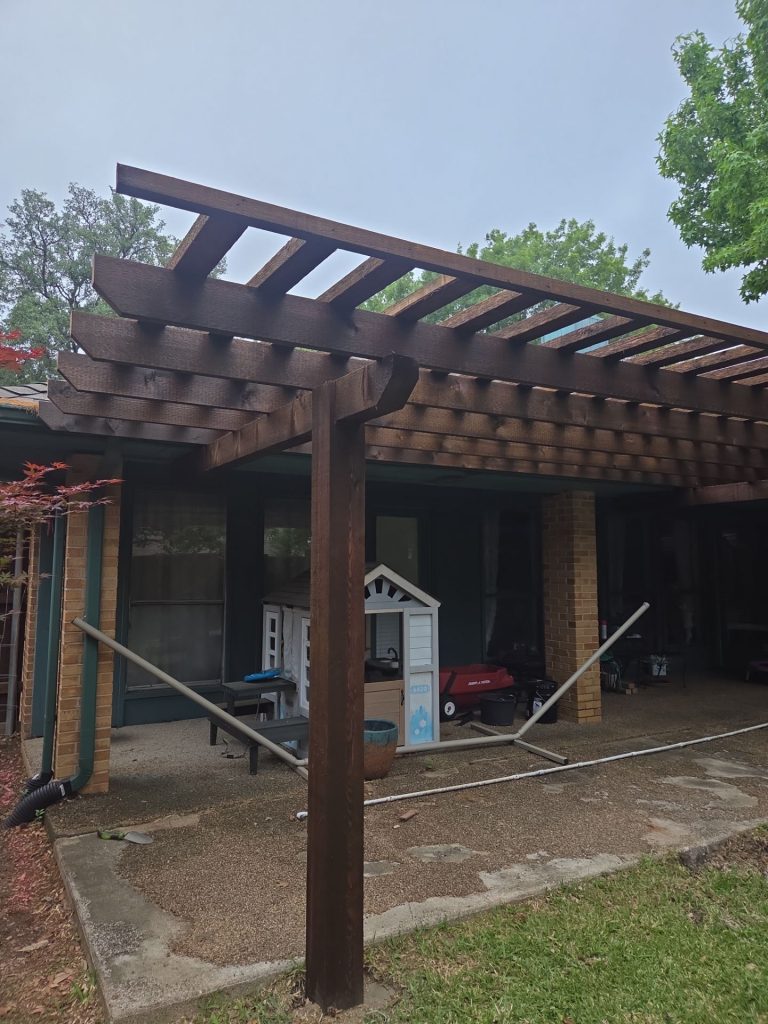
If you’re also planning other exterior improvements, coordinating the fence line with patio upgrades can make the whole yard feel cohesive. For additional outdoor structure ideas, you may like arbors and pergolas that pair well with fenced backyard layouts.
Quick Notes for Commercial Properties and Larger Lots
Commercial sites usually require consistent perimeter control, clear access points, and durable materials for ongoing use. If that’s your situation, it’s worth reviewing commercial fencing support early—especially if you’re planning controlled access.
We also help with access approaches such as concrete services when post bases, pads, or adjacent structures need a stable foundation for long-term gate performance.
Optional: Common Questions We Get on Fence Installation
How deep should fence posts be installed in North Texas?
Depth depends on soil conditions, fence type, and local drainage patterns. In many cases, deeper posts help reduce shifting from seasonal movement and storm saturation. We evaluate the layout and base prep during installation so the fence stays aligned through heat and rain cycles—especially at corners and gate openings.
What’s the best fencing option for curb appeal in Sherman?
For many homeowners, the best “curb appeal + function” combo is a fence style that matches the home’s architecture and includes a properly sized, aligned gate. Wrought iron can be a standout choice for decorative elegance, while privacy fencing can make the front and backyard feel more intentional. Material and finish planning are critical in Texas sun.
How often should a wood fence be stained?
Most wood fences benefit from staining based on sun exposure and weather exposure. If the boards look dry, feel rough, or the color is fading noticeably, it’s usually time to recoat. Proper prep and a weather-appropriate schedule matter just as much as the stain itself.
Are automatic gates worth it?
For many properties, automatic gates are worth it when daily access needs are consistent and the installation is done with the right hardware and drainage considerations. Gates must be aligned correctly, and the system needs stable mounting for reliable operation over time.
Ready to Improve Your Property’s Security, Privacy, or Outdoor Living Space?
A fence upgrade is one of the most visible (and most practical) ways to improve curb appeal—especially when it’s installed with local conditions in mind. If you want a fence line that looks sharp now and holds up after North Texas weather, start with the layout and post foundation plan.
About Lowery Fence & Patio
Lowery Fence & Patio provides residential fencing, commercial fencing, automatic gates, outdoor living construction, patio covers, and property improvement services throughout Sherman, TX and surrounding North Texas communities. The company focuses on durable installations, long-term property value, practical outdoor living solutions, and helping homeowners and businesses improve privacy, security, and curb appeal through professional craftsmanship.