
By Lowery Fence & Patio — serving Sherman, TX and surrounding areas including Collin County, Grayson County, Cooke County, and Fannin County.
You planned a cozy evening on the patio—lights up, grill ready, friends on the way. Then a sudden Texas storm rolls in, wind pushes rain sideways, and the seating area you thought was “protected enough” ends up getting soaked. A few days later, you notice water pooling near the edge and hardware starting to discolor.
That scenario is common in North Texas, and it’s exactly why weatherproof patio planning matters. This guide walks you through practical patio builder decisions that help you create cozy outdoor gatherings that hold up through wind, rain, and humidity—without guessing.
Quick Answer
If you want cozy, weatherproof patio gatherings in Sherman, TX, prioritize three things first: proper cover (patio covers/rooflines that block wind-driven rain), water management (drainage paths and sealed surfaces), and durable materials (finishes and details that can handle humidity and temperature swings). Then add comfort upgrades like screened or privacy-ready fencing and “stay-dry” layout choices for seating and cooking areas.
What to Check First
Before you pick a style, walk through your yard like you’re the storm: where does the wind usually come from, and where does water run after a heavy rain? Here’s what I recommend homeowners check on day one:
- Patio edges and slopes: Look for low spots where water collects after rainfall.
- Doorway and walkway clearance: Make sure a cover doesn’t trap water against the house or block normal traffic paths.
- Sun and shade patterns: Wind-driven rain might surprise you, but sun exposure will also affect finish life (especially on wood).
- Privacy and comfort needs: If you’re adding seating for gatherings, you’ll often need privacy fencing or screening so people actually enjoy being outside.
- Existing materials condition: If you’re upgrading an older patio, check how current concrete, wood, or hardware is holding up.
Pro tip: A patio cover isn’t just about shade. For weatherproof comfort, pay attention to the cover’s placement and how it lines up with typical rain angles—especially when wind picks up.
Main Things Customers Should Understand
When customers ask for “cozy,” they’re usually describing the feeling—warm lighting, comfortable seating, and a sense of shelter. But weatherproofing is what protects that vibe. Below are the key builder-level factors that make the biggest difference.
1) Choose the right cover design (and the right water path)
A patio cover should protect the seating zone, not just the grill. If the cover is too short or incorrectly aligned, rain can still blow in from the sides, and water can drip onto furniture or into walkways. Ask about:
- Coverage depth: Will the cover extend far enough beyond the seating area?
- Runoff direction: Where does water go after it leaves the roofline?
- Connection points: Flashing and junctions matter. Poor detailing is where leaks often begin.
If you’re considering a new structure, you may also want to review options for custom patio covers that fit your layout and comfort goals.
2) Plan for cozy lighting and “wind-friendly” setup
Outdoor gatherings depend on atmosphere. But in North Texas, wind can change how light fixtures behave and how items get blown around. To keep the patio cozy during weather shifts:
- Use fixtures rated for outdoor exposure and place them where they’re less likely to receive direct, sideways rain.
- Choose furniture that sits stable and doesn’t become a “splash zone” during storms.
- Keep pathways clear so you’re not stepping around pooled water or wet cords.
3) Material durability: wood, metal, and concrete need different care
Cozy patios often include wood accents, privacy fencing, or decorative metal. In Sherman’s climate, humidity and temperature swings can affect how finishes age—especially on wood. That’s why weatherproofing isn’t only about building—it’s also about maintenance planning.
For example, if you’re using wood elements, you’ll want a realistic plan for ongoing fence staining or staining for outdoor wood components. The goal is to protect against moisture intrusion and keep the surface looking good through the seasons.
4) Privacy and access: fencing helps both comfort and security
A cozy patio often needs privacy. It also needs to feel secure when you host. The fencing decisions you make around your yard can directly affect how usable your patio is during gatherings—especially when wind and weather push people to different areas.
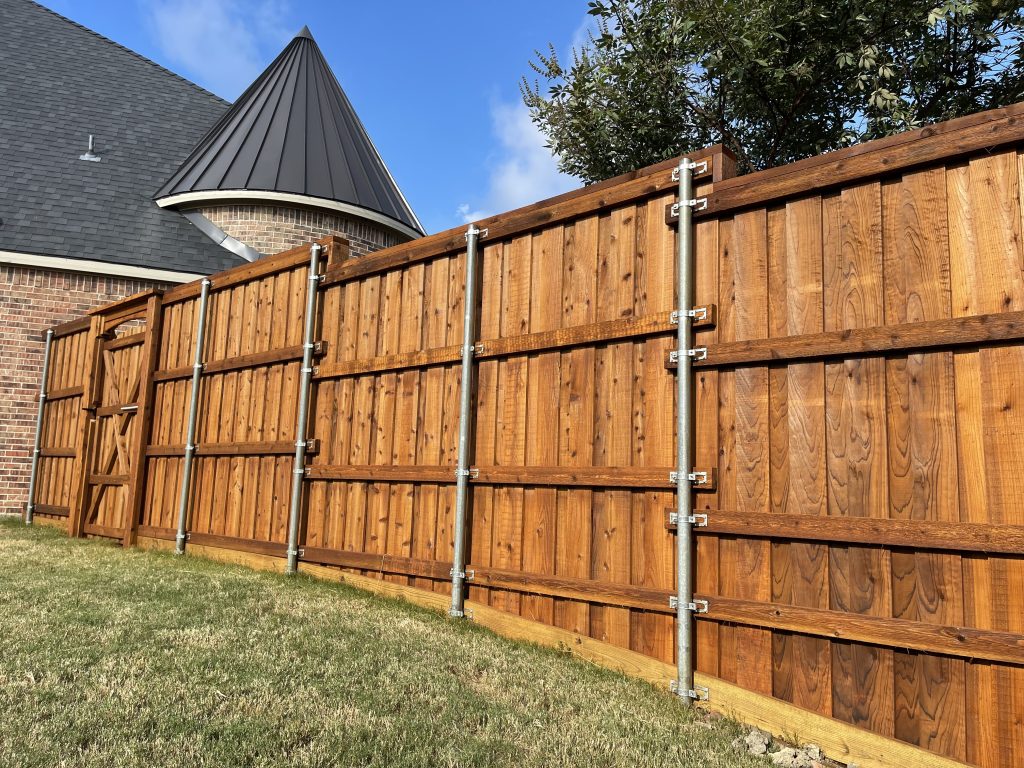
Depending on your property layout, you may want privacy-focused solutions like residential fencing that complements your patio zone.
5) If you’re adding outdoor cooking or fireplaces, protect the “heat + weather” zones
Grills and outdoor fireplaces create a natural gathering point, but they’re also where weatherproofing needs to be precise. You’ll want to think about:
- How smoke and heat move under the cover
- Whether the cover design keeps rain off the immediate cooking area
- Surface choices that handle heat and moisture
Some homeowners pair patio upgrades with features like outdoor fireplaces or plan for cooking zones alongside the cover. If that’s your direction, plan the layout early so the shelter and the focal point work together.
Want a patio layout that actually holds up in storms?
Lowery Fence & Patio helps homeowners in Sherman, TX and nearby areas choose weatherproof patio strategies—cover placement, durable materials, and privacy-focused fencing that supports comfortable hosting.
Call 903-833-3623Why This Matters in Sherman, TX
Sherman-area properties often blend older homes, mature trees, and established landscaping. That’s great for charm—but it can create tricky runoff paths and shaded areas where moisture lingers. Add to that the reality of sudden weather changes common across North Texas: wind-driven rain can find gaps quickly.
From what we see on local installs and upgrades, patios fail “quietly” first—water pooling near edges, finishes dulling faster than expected, and hardware discoloring after repeated exposure. Weatherproofing decisions you make during construction (or renovation) reduce the need for frequent fixes later.
| Patio factor | What to watch for | Best for local homeowners |
|---|---|---|
| Cover coverage depth | Side rain and dripping often show up when the cover doesn’t extend far enough beyond the seating zone. | Gathering areas with chairs, conversation seating, and dining tables |
| Water management | Pooling can happen where drainage isn’t directed away from the patio edge or where surfaces settle over time. | Patios near landscaping beds or established walkways |
| Outdoor material protection | Wood and other moisture-sensitive components typically need a finish and maintenance plan to stay looking great. | Wood-accent patios, privacy sections, and decorative elements |
| Privacy fencing alignment | Wind and rain can change how people use the patio—privacy that’s too open can reduce comfort during storms. | Backyards where you want both privacy and a protected feel |
Common Mistakes to Avoid
These are the mistakes we see most often when homeowners plan cozy outdoor spaces but don’t build for weatherproof comfort from the start:
- Choosing “pretty” cover lines without checking runoff: A roof that looks right can still drip onto seating or direct water toward the house if the path isn’t planned.
- Ignoring drainage and surface slopes: Even a great cover won’t help if water collects on the patio surface after storms.
- Underestimating wood maintenance needs: If wood is part of your patio plan, skipping a realistic finish/maintenance approach can lead to faster wear.
- Building privacy after the fact: If you add fencing later, your patio layout might not match how people actually host. Plan privacy early.
- Forgetting the “gathering zone” scale: Covers and furniture placement should protect the area where people sit, talk, and eat—not just the grill.
Customer Checklist
Use this quick checklist before you commit to a patio builder plan. It’s designed to catch the issues that cause patio upgrades to feel incomplete after the first storm.
Weatherproof patio planning checklist (Sherman-area friendly)
- □ Confirm the cover protects the seating area, not only the doorway or grill.
- □ Identify where rainwater runs after storms and choose the direction you want it to go.
- □ Check the patio surface slope and edge transitions (especially near doors and walkways).
- □ If wood is involved, plan for a maintenance approach like staining and protection.
- □ Decide what level of privacy you want for hosting, and align fencing with the patio layout.
- □ Place outdoor lighting and fixtures where they’re less likely to take direct sideways rain.
Important: If you already have a patio that’s showing water pooling, discoloration, or persistent dampness, don’t just add furniture and decor. Fixing the moisture path and protection strategy first is what keeps your gatherings comfortable.
Frequently Asked Questions
How do I know if my patio needs weatherproofing upgrades?
If you notice water pooling after rain, furniture gets repeatedly splashed, or you see discoloration on wood or nearby surfaces, that’s a strong sign the patio isn’t properly protected. Another clue is that people avoid certain parts of the patio during windy or rainy days—even though the patio “looks” covered. Weatherproofing upgrades usually focus on cover coverage depth, runoff direction, and protecting vulnerable materials.
What’s the most cost-effective weatherproofing change for a cozy patio?
For many homeowners, improving shelter coverage and adjusting layout so the gathering zone stays dry is the highest-impact move. Upgrading the cover design and ensuring the water path goes where you want it can reduce downstream issues like pooling and premature finish failure. If wood or privacy fencing is part of the patio plan, pairing the patio improvement with durable finishes can also prevent repeated repairs.
Can I DIY patio upgrades, or should I hire a pro?
Small cosmetic changes can be DIY, but weatherproofing is where details matter—cover placement, water runoff, junctions, and surface transitions. If you’re dealing with leaks, pooling, or structural adjustments, a professional approach helps you avoid “trial and error” that can cost more later. Lowery Fence & Patio can help you plan the right protection strategy for your patio and surrounding fencing.
What should I consider if I’m adding privacy fencing for patio comfort?
Think about how you host: where people sit, where they walk, and what parts of the yard need to feel more sheltered. Privacy fencing can also influence wind flow, which affects how rain behaves around the seating zone. Match the fence style to your patio layout and finish plan so the area looks cohesive and holds up over time. If you want to explore options, start with residential fencing.
How long does a patio weatherproofing project usually take?
Timelines vary based on whether you’re building a new patio cover, upgrading existing structures, adjusting drainage, or adding fencing. The most efficient path is planning the scope first—so the cover, surfaces, and privacy elements align. When you contact Lowery Fence & Patio, you’ll be able to discuss what you have now and what you want the finished gathering area to do during storms.
Ready to Get Help From Lowery Fence & Patio?
If your patio is close to “perfect” but fails the real test—wind-driven rain, water pooling, and comfort that disappears during storms—Lowery Fence & Patio can help you plan the right next step. We serve Sherman, TX and surrounding areas including Collin County, Grayson County, Cooke County, and Fannin County.
Get a practical plan for a cozy, weatherproof patio
Whether you’re upgrading a patio cover, refining privacy fencing, or planning outdoor gathering upgrades, Lowery Fence & Patio helps local customers make decisions that hold up season after season.
Visit Lowery Fence & PatioAbout Lowery Fence & Patio
Lowery Fence & Patio helps homeowners and businesses in Sherman, TX and nearby areas with fencing and outdoor living solutions built for real property needs—privacy, durability, and day-to-day comfort. From patio cover planning to fencing installation and maintenance support, we focus on practical guidance that helps you avoid preventable problems and build outdoor spaces you can enjoy in every season.