
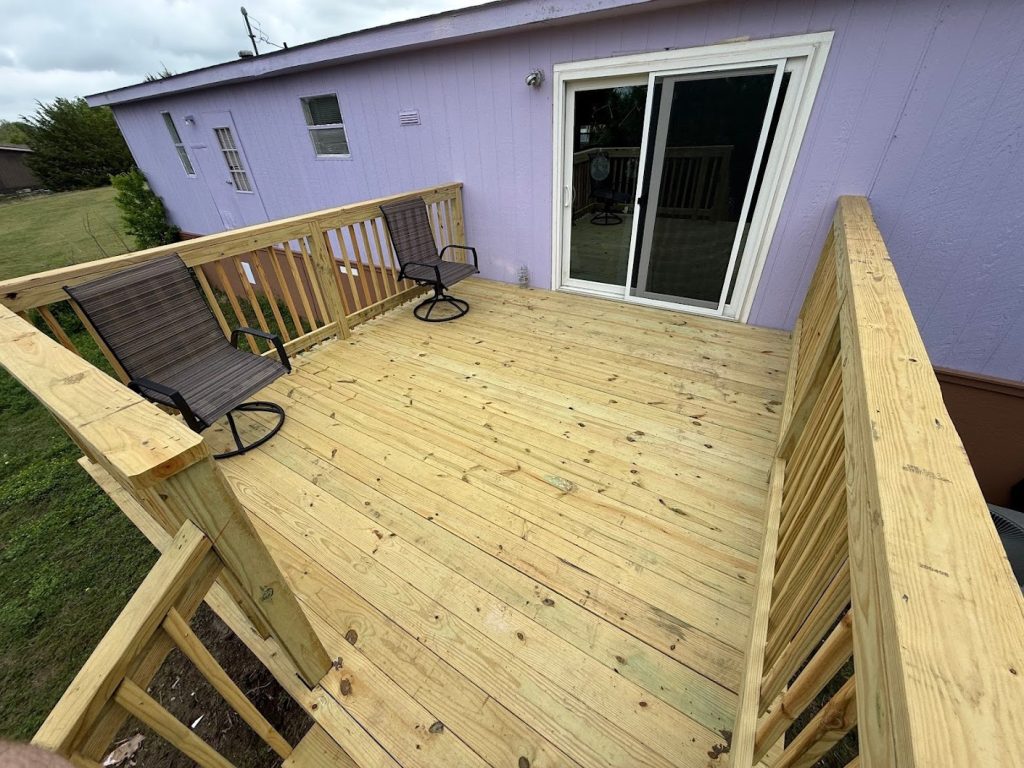
Deck Installation When Your Boards Start Rotting
If you’ve started noticing soft spots, loose deck boards, or that “musty wood” smell around your outdoor living space in Sherman, TX, you’re not alone. This guide helps you figure out what’s happening, what to inspect first, and what to discuss with a fencing and deck-building contractor before you commit to a full replacement.
You step outside for morning coffee and one board feels different. Not just “worn,” but spongy under your shoe, with a bit of give when you shift your weight. In Sherman, TX, where outdoor spaces get used year-round, that kind of early rot can turn into a safety concern faster than most homeowners expect.
Whether your deck is showing localized damage or it feels like the problem is spreading, the right move depends on what’s actually failing underneath the surface. This article will help you understand the common causes of deck board rot, what to check before you schedule deck building, and how to make sure the new installation addresses the root issue.
- Quick answer
- What to check first
- Main things customers should understand
- Why this matters in Sherman, TX
- Common mistakes
- Customer checklist
- Frequently asked questions
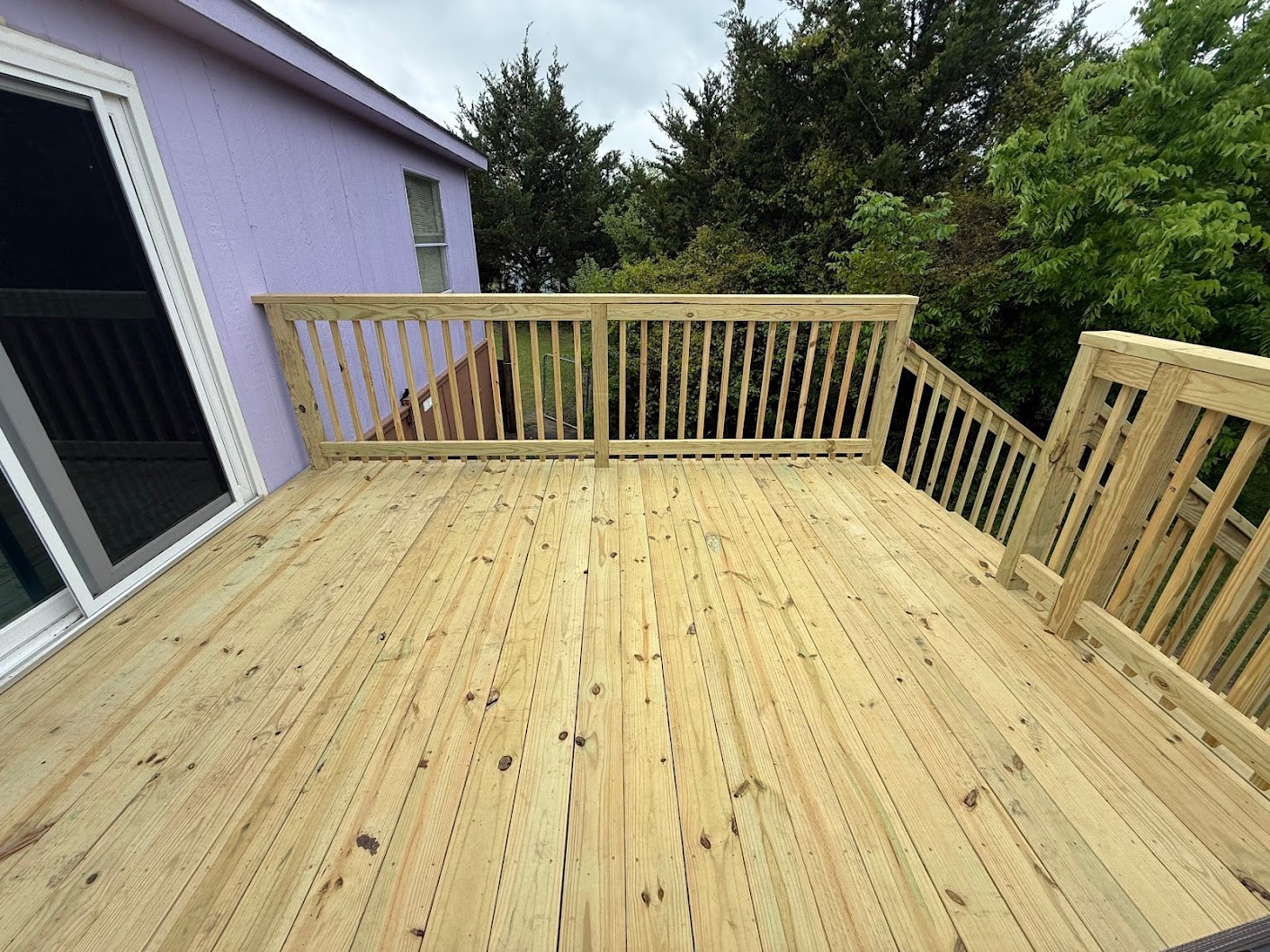
Quick Answer
If your deck boards are rotting, the safest approach is to stop using the affected area and get the deck inspected before you replace boards. Rot usually points to trapped moisture and/or compromised framing underneath, so a “board-only” fix can fail again. Ask for a full assessment of the joists, supports, and drainage paths, then choose between localized repairs or a full deck installation based on how far the damage has spread. Lowery Fence & Patio can help you plan the replacement so the new deck performs well outdoors.
What to Check First
Before you call for deck installation, gather a few observations. Walk the deck carefully and press around the affected boards. If multiple areas feel soft, you may already be beyond simple replacement. Look for warped boards, dark discoloration, fasteners that look raised or corroded, and any areas where water seems to pool after rain.
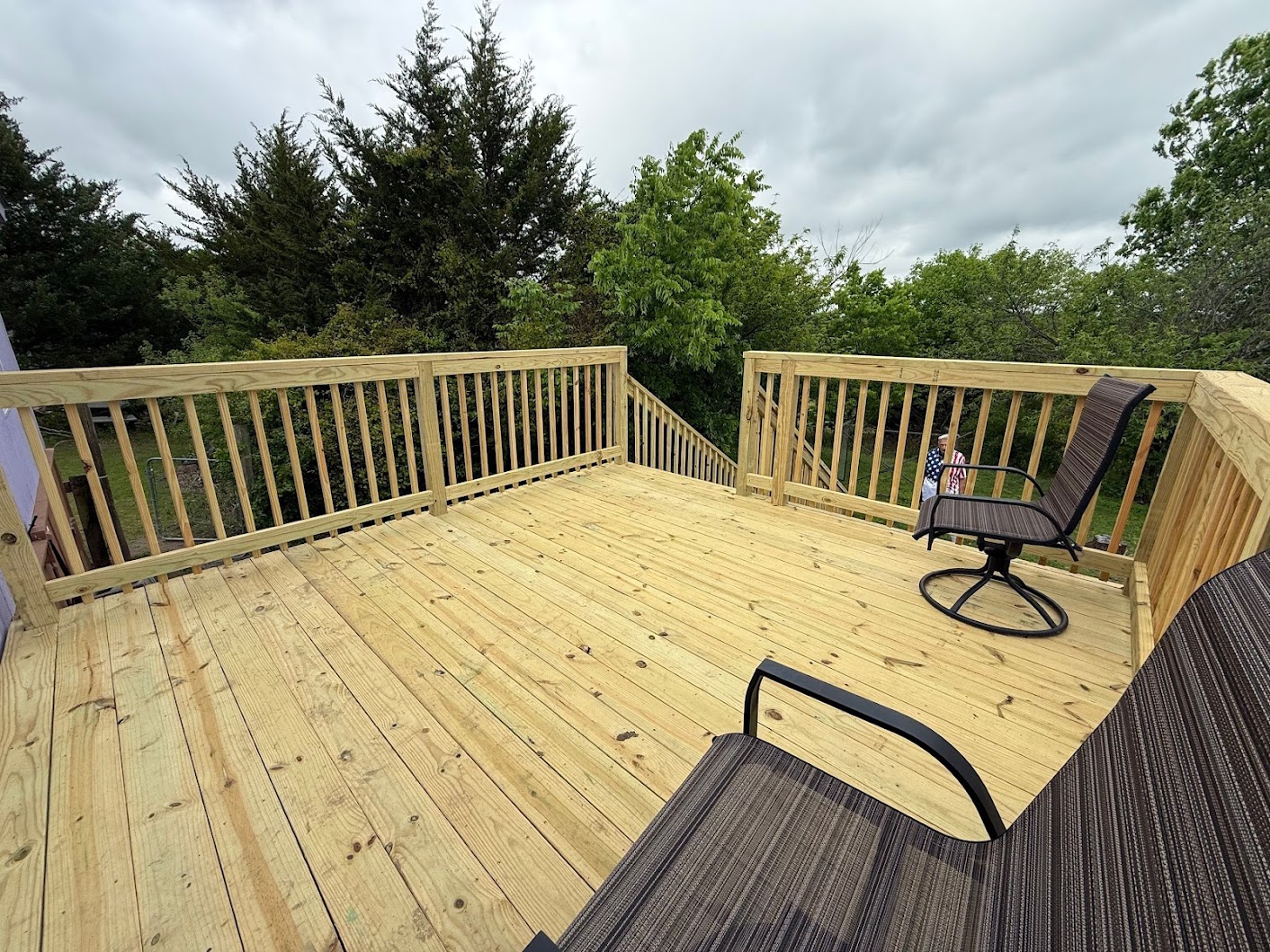
Professional observation: Rot often starts at the edges, around fasteners, and in spots that stay damp. If the top boards are failing, the framing and drainage details may be struggling too.
Next, check the “why” behind the rot. Is there a gap that blocks airflow under the deck? Is the deck surface staying wet for long periods? Are there areas where water is being redirected from gutters or downspouts onto the deck? Those details affect how long new materials will last.
Localized damage
One or two boards, minimal movement, and no signs of deeper softness can sometimes mean a targeted repair is possible.
Widespread rot
Multiple soft spots, sagging sections, or recurring problems after “patch” repairs usually point to a larger installation need.
Safety-first call
If boards feel weak under normal weight, treat the deck like it needs immediate attention and avoid use until inspected.
Main Things Customers Should Understand
Deck board rot is rarely only a surface problem. In practice, it’s the result of moisture staying where it shouldn’t. That can come from poor drainage, limited airflow beneath the deck, fastener issues, or aging materials that have reached the end of their service life. When you’re planning deck installation in Sherman, TX, it helps to understand what a contractor should evaluate beyond the boards themselves.
What to ask during an inspection: Which parts of the deck show early rot versus structural compromise? Are joists, beams, or ledger connections showing signs of moisture damage? Where does water collect, and what changes will improve drying and longevity?
Moisture paths: where water actually goes
Even a well-built deck can fail if water has nowhere to go. If you see staining, mildew, or water pooling near rail posts, stairs, or ledger lines, those are clues. The goal of a new installation is to create a deck surface and supporting layout that drains and dries more effectively.
Fasteners and board edges
Rot frequently shows up around screw or nail points, especially if water reaches the end grain. A quality deck installation considers how boards are attached and how joints are handled to reduce trapped moisture.
Compatibility between old and new
If only part of the deck is replaced, the mix of old framing and new boards can create uneven movement. That’s why many homeowners end up deciding on a full replacement when multiple sections are affected. It’s also a chance to update the deck to better match the way you use the space today, including safe access to stairs and seating areas.
Related outdoor updates that change the deck experience
Deck projects often connect to other outdoor living upgrades. For example, if your deck area is exposed to neighbors or passersby, adding privacy fencing can make the space more comfortable. If you need better entry control, an automatic gate or driveway gate can improve convenience. If you are planning those changes alongside your deck, it helps to coordinate the layout early.
If fences or gates are on your list, you can explore options like residential fencing or review gate installation before finalizing deck placement.
Why This Matters in Sherman, TX
In Sherman, TX, outdoor living areas see real weather exposure, and decks take the brunt of it. When moisture issues begin, they tend to show up where airflow is limited and where rainwater lingers. That’s why rot repairs in Sherman often come with a bigger decision: replace the failing surface and also address the conditions that let moisture stay.
If you’re also thinking about stain and protection for surrounding wood elements, Lowery Fence & Patio can help with fence staining. While deck boards and fence boards are different, the underlying idea is the same: proper prep and finishing helps wood resist the cycles that lead to premature wear.
Firsthand-style industry observation
In the field, the “soft board” usually turns into a wider story once people start lifting boards and checking under the surface. What looks like a small area of rot can extend along the same moisture path, especially near edges, stair landings, and any place where water is directed. That’s why a careful inspection before replacement saves time and helps you avoid repeating the same failure in the next season.
Common Mistakes to Avoid
Homeowners often try to save money by replacing only the visible boards. That can work briefly if the underlying framing is healthy and the deck dries well. But when the moisture path remains, rot returns. Here are a few common mistakes we see during deck replacement planning.
Replacing boards without checking framing
If joists or supports have absorbed moisture, the new boards can fail early even if they look fine at first.
Ignoring water pooling
Staining and mildew are warning signs. If water keeps collecting in the same spot, the replacement will face the same problem.
Delaying safety decisions
Soft boards can become trip hazards or worse. If the deck feels unsafe, get it inspected before using it.
Forgetting the transition points
Ledger areas, stair interfaces, and rail posts are frequent trouble spots. A good installation plan treats those details as high priority.
Skipping coordination with outdoor layout
If you plan fencing or gates near the deck access points, coordinate the timing so you do not rebuild around newly installed sections.
Assuming all rot is the same
Some damage is surface-level. Other damage affects structure. The right scope depends on what’s failing and how far it extends.
Customer Checklist
Use this checklist to stay organized while you plan your deck installation. Bring these items to your contractor so you can make decisions based on what’s actually happening on your property in Sherman, TX.
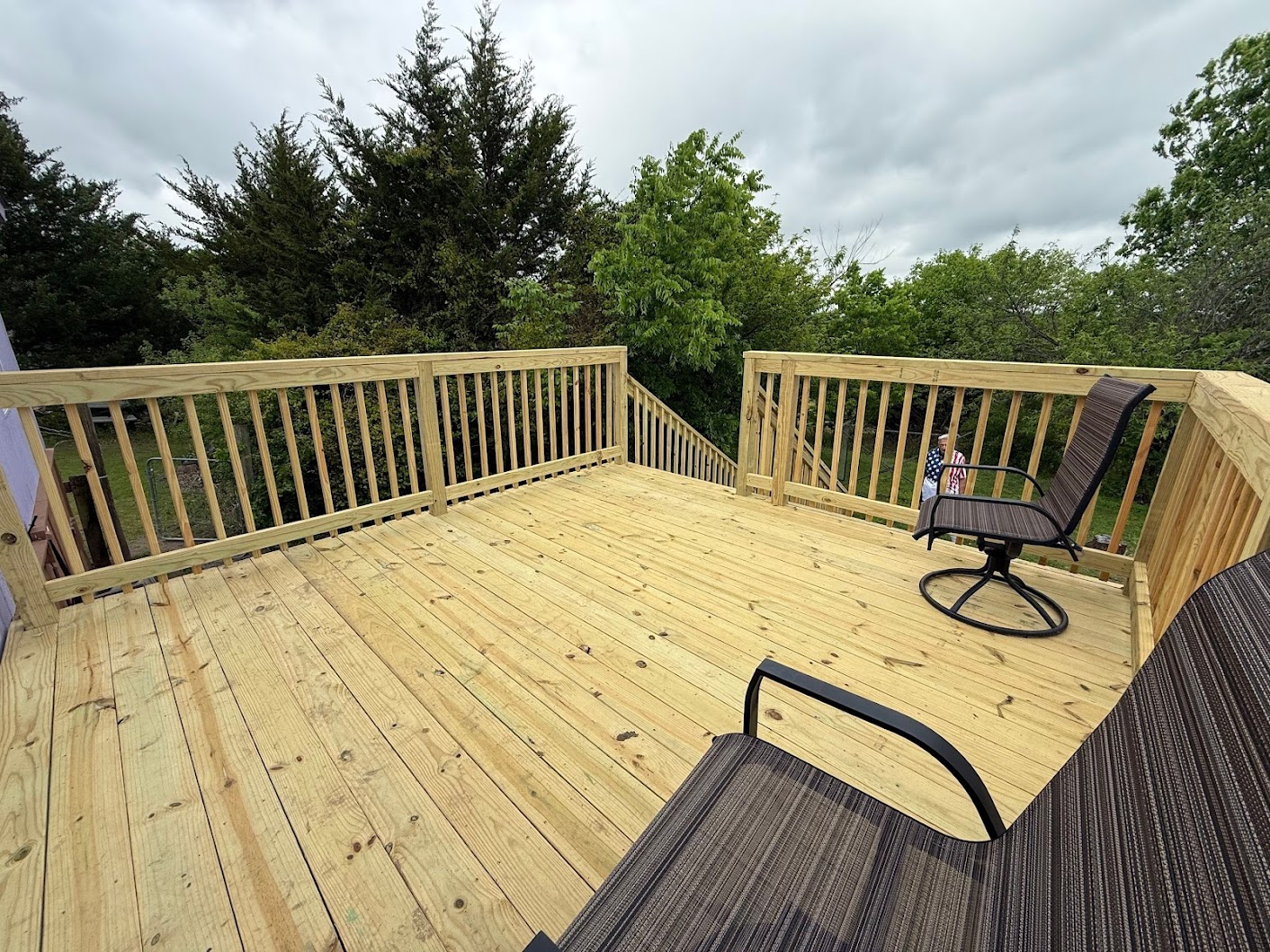
- Identify every soft or discolored area, including edges and stair landings.
- Note where water pools after rain and where mildew or staining appears.
- Check whether fasteners look raised, corroded, or loose.
- Look for visible sagging or uneven walking surfaces.
- Decide whether you want a localized repair or a full deck replacement after inspection.
- Plan any related updates (such as deck-building access changes, nearby fencing privacy, or gate access) before work begins.
Representative Scenario: From “one bad board” to a full plan
A homeowner in Sherman noticed one board near the outer edge felt spongy after storms. They replaced that section to buy time, but within weeks, another area near the same side started to soften. When they scheduled an on-site inspection, the contractor found moisture trapped along the same route under the deck. Instead of repeating a patch, the homeowner chose a deck installation that addressed drainage and the supporting structure so the new surface could dry properly. The deck became safer to walk on and easier to maintain as part of the overall backyard setup.
Deck Repair vs. Deck Installation: A Practical Decision Table
If you’re trying to decide between repair and full replacement, use this table as a starting point. The final call depends on what an inspection finds beneath the boards.
| Situation you’re seeing | More likely option | Why this matters for Sherman, TX |
|---|---|---|
| One small section shows soft boards, and the deck feels solid elsewhere | Localized repair | You may be dealing with a limited moisture pocket rather than a whole-deck issue. |
| Multiple soft spots across different sides or levels | Deck installation (replacement) | Widespread rot suggests the moisture path affects more than just the top layer. |
| Visible sagging or uneven walking surface | Deck installation (replacement) | Structural compromise often requires a more complete scope for safety and stability. |
| Water consistently pools in the same area after rain | Deck installation (replacement) | Fixing drainage and drying conditions is usually necessary to prevent repeat failures. |
| You want to update layout and access points | Deck installation (replacement) | A full project is easier to plan for smoother transitions, safer stairs, and coordinated outdoor features. |
Ready for an inspection of your deck in Sherman?
Talk through what you’re seeing, where moisture is collecting, and whether localized repair or a full deck installation makes the most sense. Lowery Fence & Patio can help you plan next steps for a safer outdoor space.
Call Lowery Fence & Patio: 903-833-3623Frequently asked questions
How can I tell if I need deck installation or just board replacement?
If the deck feels solid everywhere except one board or two, replacement may be enough. When you notice multiple soft spots, sagging, or recurring issues after patch repairs, that usually points to deeper moisture damage. The best way to confirm is a hands-on inspection of the joists, supports, and any areas where water collects or airflow is limited. In Sherman, TX, addressing the moisture path is often what determines whether repairs last.
What causes deck boards to rot so quickly?
Rot typically forms when wood stays damp long enough for deterioration to start. Common causes include poor drainage, water pooling after rain, limited airflow underneath the deck, and problem areas around edges, fasteners, or stair and rail interfaces. Even if the top boards look like the main issue, moisture can be affecting the structure below. A proper deck installation plan should improve drying and reduce trapped moisture so the new boards last longer.
Should I keep using a deck with soft boards?
No. Soft boards can become trip hazards and can worsen as rot spreads. If you notice boards that feel spongy or give under normal weight, stop using that portion of the deck and arrange an inspection. Safety comes first, especially for families and guests. Once you know the extent of the damage, you can choose between localized repair and a full deck installation based on what’s actually failing.
Can you coordinate deck work with fencing or gates?
Yes. Many homeowners in Sherman plan deck improvements alongside outdoor privacy and access upgrades. If you’re adding residential fencing, driveway gate access, or other outdoor living features near the deck, coordinating the layout early helps avoid rework. If you want to explore related options, you can review gate installation or residential fencing while you plan your deck replacement.
What can I do to help new wood last longer?
Proper finishing and protection matter, especially in climates where outdoor surfaces experience repeated wet and dry cycles. Even the best deck installation benefits from good maintenance habits, like keeping water from pooling and addressing minor issues before they turn into rot. If you’re also working on other wood surfaces, you can ask about fence staining to keep outdoor wood protected. Your contractor can also advise what maintenance fits your specific deck design.
Get a clear plan for your deck replacement
If rotting boards have started in Sherman, TX, you do not have to guess what’s underneath. Contact Lowery Fence & Patio to discuss what you’ve noticed and what a deck installation should address for safer, longer-lasting outdoor living.
Explore Deck Building
About Lowery Fence & Patio
Lowery Fence & Patio provides fencing and outdoor living solutions in Sherman, TX, and throughout Collin County, Grayson County, Cooke County, and Fannin County. From residential fencing and gates to deck-building projects, the team focuses on practical planning and quality outdoor installations that help homeowners protect and enjoy their space.