
Best Fence Types for Pets, Wind, and Safety
If you are in Sherman, TX and you are tired of watching your pet test every gap, or you are worried about how your fence holds up after strong winds, your fence material and layout matter more than most homeowners expect. This guide helps you compare fence options for everyday safety, everyday durability, and the kind of “oops moments” that happen around gates, corners, and fence lines.
Recently, a homeowner near Sherman told us their dog keeps finding the same weak points: the bottom edge near the gate and the sections where the fence line turns. They are also noticing how the panels flex during windy stretches, which makes them think twice about how “secure” the fence really is.
This guide will help you understand which fence types tend to work best for pets, which ones are typically a better fit for wind-prone properties, and what safety details to ask about before installation. You will also get a quick comparison table and a practical checklist you can use with any fence contractors.
- Quick answer
- What to check first
- Main things customers should understand
- Why this matters in Sherman, TX
- Common mistakes to avoid
- Customer checklist
- Frequently asked questions
Quick Answer
If your top priorities are pet containment, safe footing, and a fence that resists wind stress, start by matching the material to the problem points: use a more solid privacy style for visual distraction and tighter containment, and choose a layout that minimizes large open spans between posts. For many Sherman-area homes, well-installed wood fencing or chain link fence installation with the right gauge and secure bottom clearance can be a strong balance of safety and durability. Before you decide, ask how the installer will address gates, corners, and bottom gaps, since those are usually where pets escape and wind creates the most movement.
What to Check First
Before comparing materials, walk your property line once and find the “escape and sway” hotspots. Pay attention to where your fence meets a gate, where the line turns at corners, and where the ground changes height. In Sherman, TX, many yards have uneven spots and occasional soft ground patches, which can affect post stability and bottom clearance.
Then, match your goals to the fence behavior you want. Pets usually challenge the fence through gaps, climbable openings, and worn-out sections. Wind usually challenges fences through panel flex, loose hardware, and long unsupported spans. The best material in the world will still underperform if the installation details do not control those weak points.
Main Things Customers Should Understand
Fence “type” is only half the decision. The other half is how the fence is built: post spacing, bracing, gate hardware, tensioning for chain link, and how the bottom edge is handled. Here is how to think about the most common options when pets, wind, and safety are your priorities.
Wood Fencing for privacy and secure boundaries
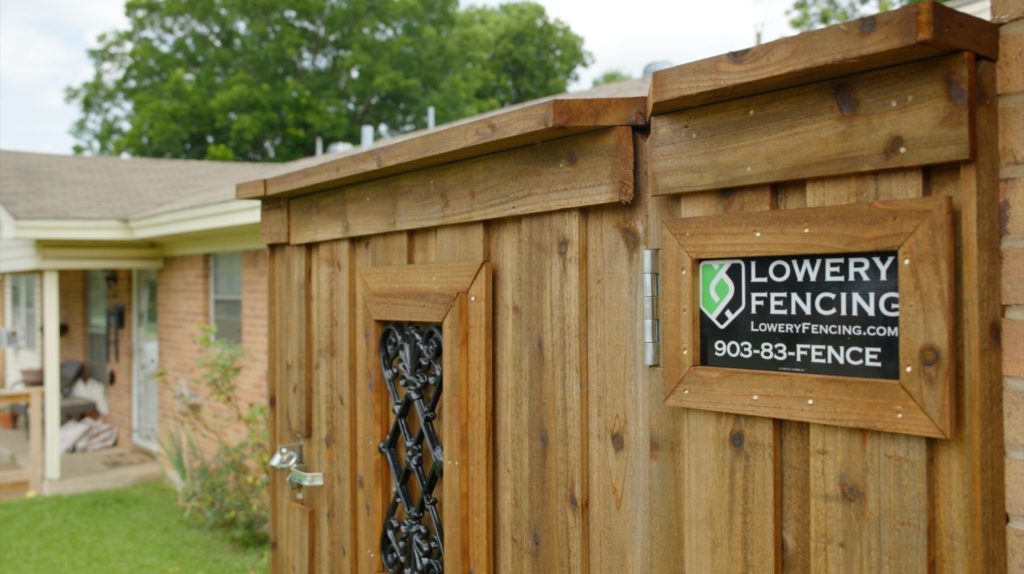
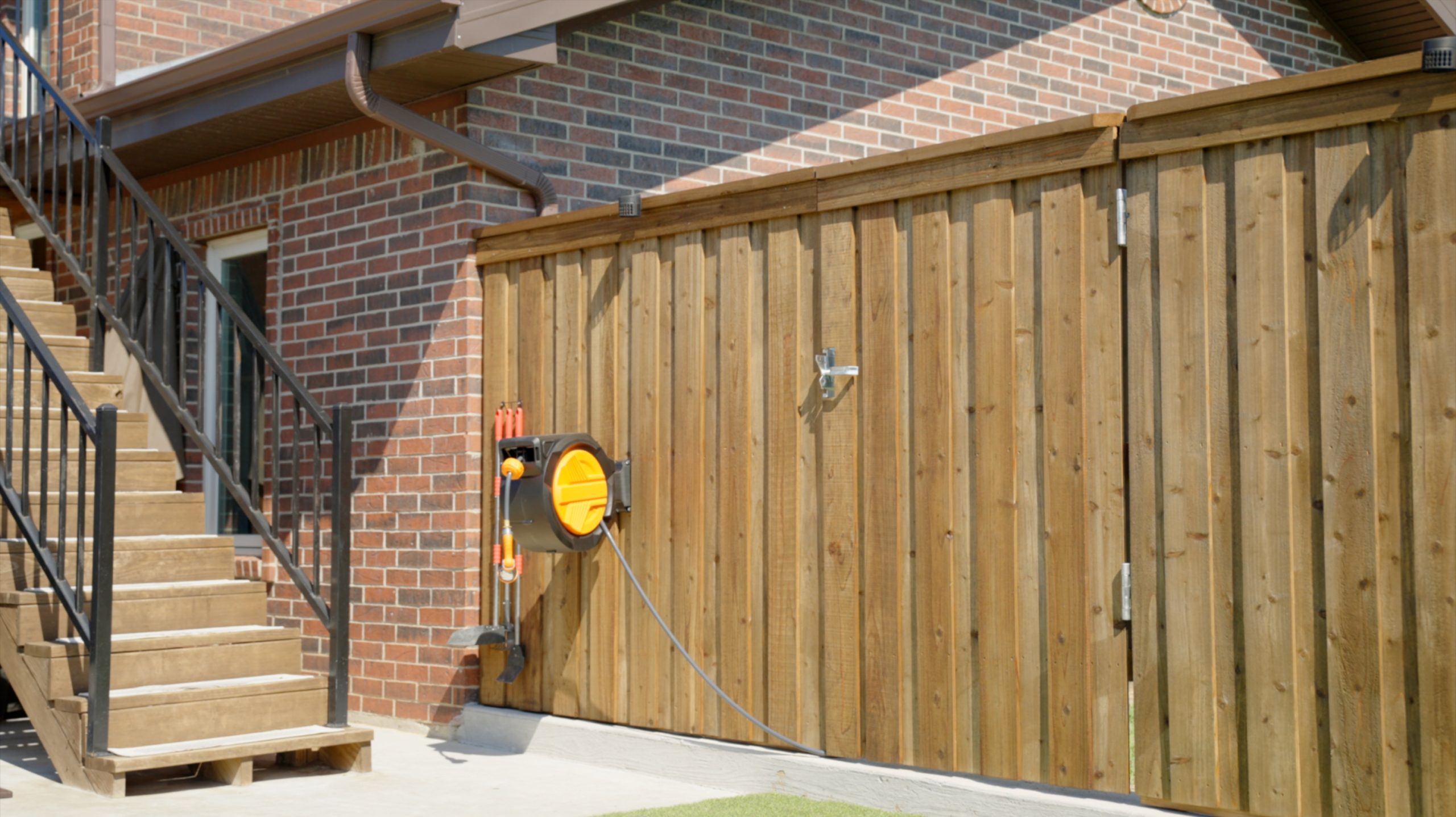
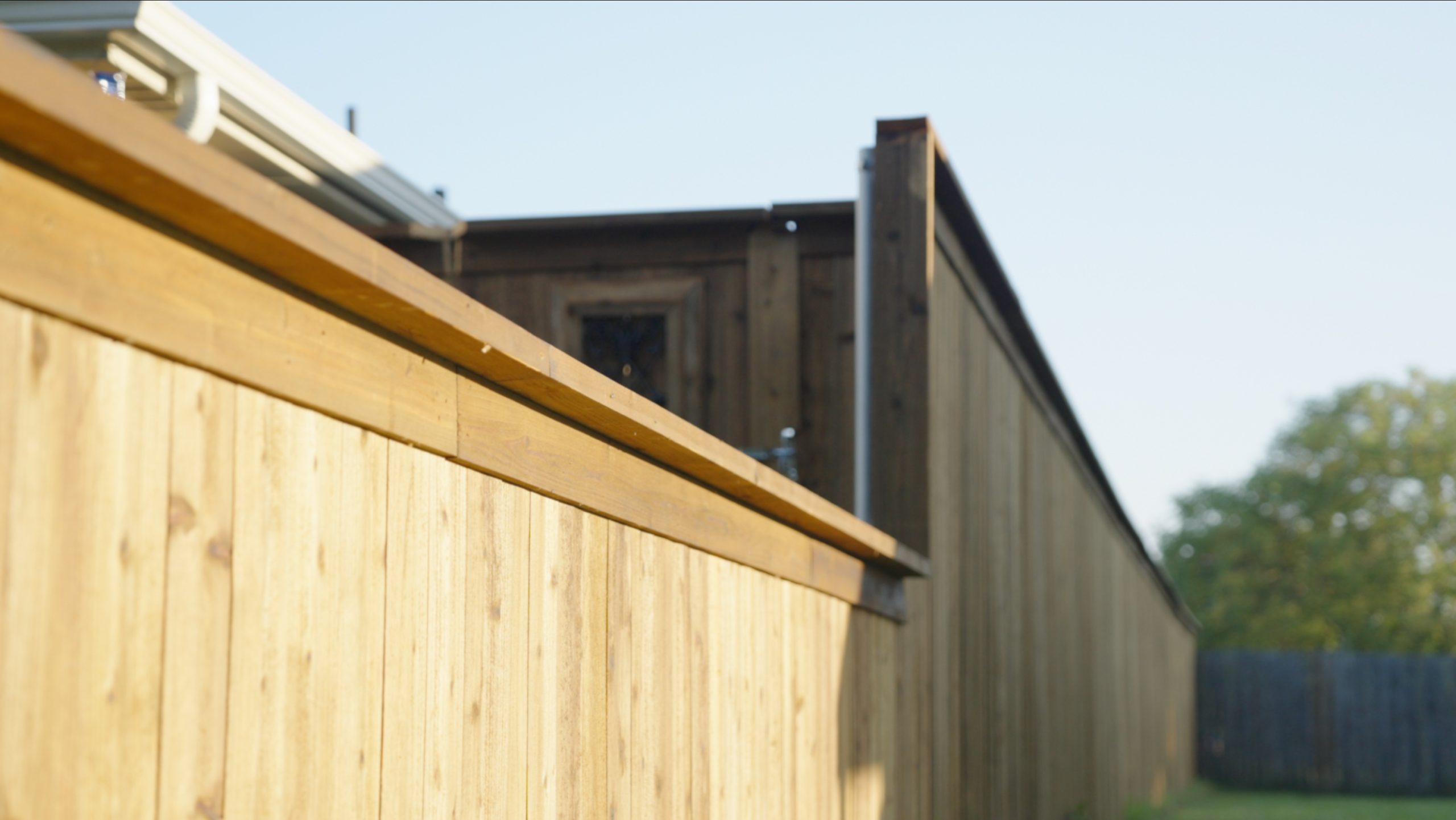
Wood fencing is often chosen for privacy fence installation because it can reduce visual triggers and limit line-of-sight distractions for pets. It can also be a good fit for wooden privacy fences when you want a more enclosed yard feel. Ask about proper post depth and bracing so the fence line stays straight and less prone to visible movement during wind.
Chain Link Fencing for visibility and practical access
Chain link can be a smart choice when you want visibility and airflow, especially for properties where you still want to monitor pets and activity. For pets, the key questions are clear: bottom clearance, gate closing behavior, and the fence’s ability to stay tight over time. If you are considering chain link fence contractors, ask how they handle tensioning and fence line straightness.
Wrought Iron Fencing for perimeter definition
Wrought iron fencing can create a strong, defined perimeter and is often used for ornamental iron fencing and decorative iron fences. Safety comes down to spacing and gate operation. If you have small pets, make sure the openings are appropriate and that the gate closes securely every time.
Professional observation: The fastest way to improve pet safety is usually not “changing everything,” it is tightening the details at gates, corners, and the bottom edge where animals test for lift or squeeze points.
Why This Matters in Sherman, TX
In Sherman, TX, homeowners often want a fence that looks good and holds up through seasonal shifts. Wind can increase how noticeable fence movement is, and movement can loosen how well gates align or how consistently panels sit. That is why, when you are planning fence installation, it helps to think in systems: fence posts, bracing, gate framing, and the surrounding grade all work together.
We also see properties where outdoor living upgrades are happening at the same time. When fences are added near patios or outdoor kitchens, homeowners want clean lines and functional transitions, not just a barrier. If you are also planning an outdoor layout update, you can pair your fencing plan with a patio cover or other outdoor living features so you do not end up reworking the perimeter later.
| Fence type | Pet-friendly strengths | Wind and stability considerations | Safety details to ask about |
|---|---|---|---|
| Wood fence installation | More privacy can reduce visual distractions. Can limit openings depending on board spacing. | Solid panel areas benefit from correct post depth, spacing, and bracing at corners. | Bottom clearance at the gate, hinge alignment, and consistent panel mounting. |
| Chain link fence installation | Visibility helps you monitor pets. Containment depends on tight installation and bottom handling. | Wind loads can show up as sag or looseness if tensioning and hardware are not installed correctly. | Gate closing fit, tensioning, and whether the bottom edge leaves a climb or squeeze path. |
| Wrought iron fencing | Strong perimeter presence with an ornamental look, with safety depending on spacing. | Stability depends on post construction and secure anchoring in the ground. | Opening sizes for small pets and reliable latch operation on custom iron gates. |
| Pipe fencing | Can work for defined boundaries when designed for the right spacing and height. | Stability and rigidity depend on how the frame is built and anchored. | Check for safe spacing and secure gate operation. |
| Agricultural fencing | Useful when you need stronger boundary control for larger animals or farm-adjacent areas. | Wind exposure and long runs require solid post support and bracing strategy. | Bottom clearance and gate access control for consistent closure. |
Practical recommendation: If pets are your main concern, plan for the gate first. A fence that is “almost secure” but has inconsistent gate closing is where most escape attempts happen.
Common Mistakes to Avoid
These are the issues we see most often when homeowners are trying to solve pet safety and wind durability at the same time.
- Choosing a fence type without checking the exact escape points at your gate and corners.
- Underestimating bottom clearance near uneven ground, especially in areas where the fence line transitions.
- Assuming a “taller fence” automatically prevents climbing or squeezing, even when the opening spacing and bottom edge are not right.
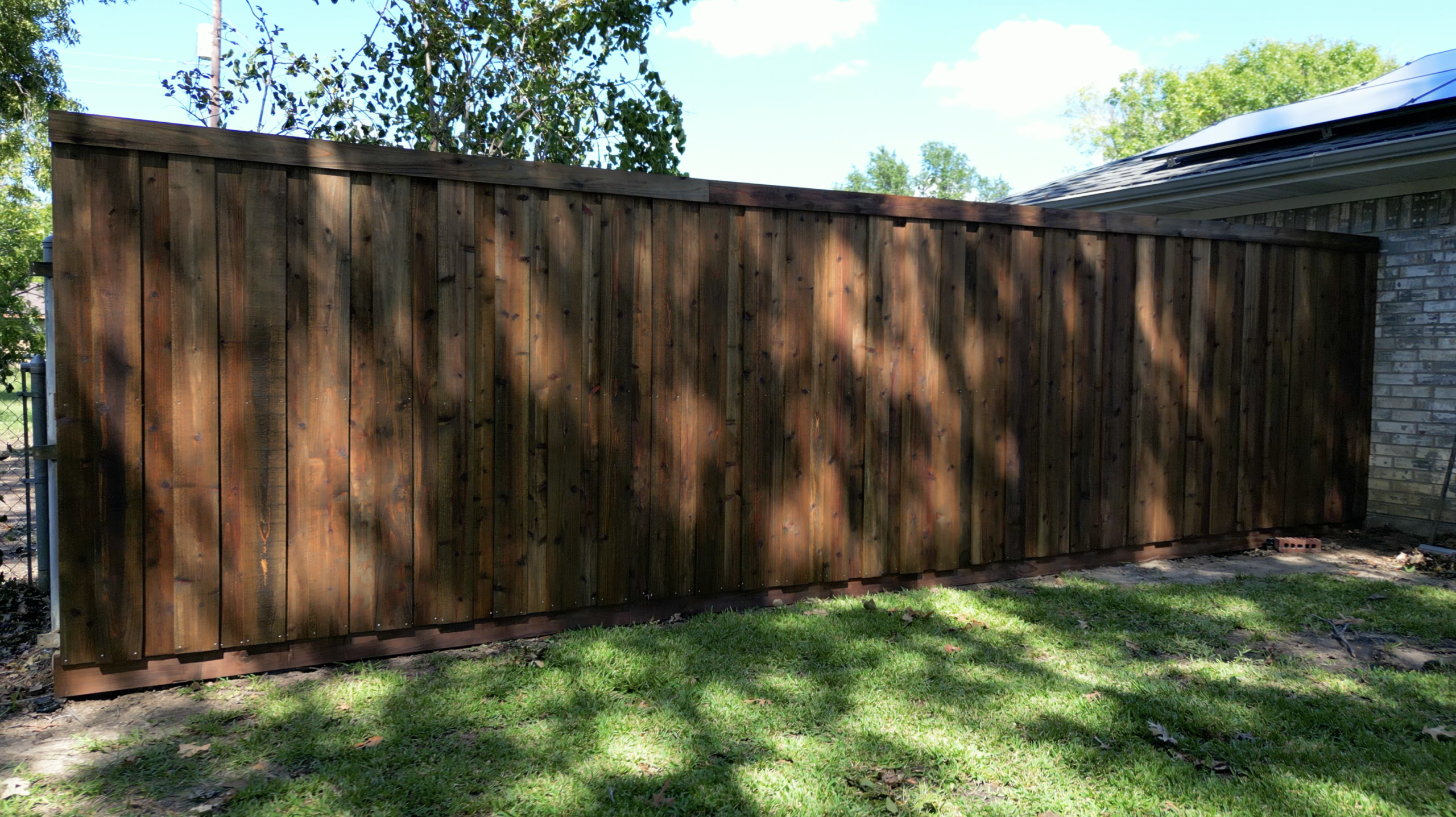
- Ignoring how long straight runs can sway in wind if the installation does not include adequate support and bracing.
- Waiting too long to address fence repair services when you notice loose hardware or misalignment, since those small issues can become bigger safety gaps.
Customer Checklist
Use this checklist to guide the conversation with your fence contractor in Sherman, TX. It helps you focus on the details that affect pet safety and wind performance, not just the look of the material.
- Confirm the gate will close fully and latch consistently every time, including during windy days.
- Measure and discuss bottom clearance at the lowest spots along the fence line.
- Ask how corners and fence line turns will be braced for stiffness and alignment.
- For chain link fence installation, ask about tensioning and maintaining a tight, straight fence plane.
- For wood fencing, ask about how posts will be set and how panels will be secured to resist movement.
- Check that the fence design limits climbable openings for your pet size and behavior.
- Plan for maintenance access, including whether you will need fence staining services to protect the finish over time.
A representative Sherman-area scenario
A family added residential fencing around a backyard in Sherman, TX after their dog started slipping near the driveway gate. The fence material looked solid from a distance, but the weak point was the gate fit and the bottom edge at the threshold. After adjusting the gate hardware and correcting the placement at the fence line, the fence became much more reliable as a day-to-day barrier.
If your situation is similar, start by treating the gate and bottom edge as part of the fence system. It is often a more efficient path than replacing entire sections when the issue is limited to alignment and clearance.
Frequently asked questions
What fence type is best for small pets?
For small pets, the most important factor is not only the fence material, but the spacing and how reliably the bottom edge is controlled. Wood privacy styles can help reduce line-of-sight distractions, while chain link requires correct tensioning and careful bottom clearance to avoid squeeze or climb paths. If you are considering wrought iron fencing, confirm that openings and gate design fit your pet’s size and behavior. A contractor should be able to explain how the design prevents escape points at corners and gates.
How do I choose a fence that handles wind?
Wind performance usually comes down to post support, bracing, and how the fence is laid out. Long, unsupported runs can flex more, and flex can show up as misalignment over time, especially on gates. Ask how the installation will handle corners and turns, and what approach is used to keep panels or sections straight. For chain link fencing, tensioning and hardware matter. For wood fence installation, proper post depth and secure mounting reduce movement. If you already have an existing fence, discuss fence repair services before the issue spreads.
Should I prioritize privacy or visibility?
It depends on how your pet behaves and what you want to manage day to day. Privacy fence installation can reduce visual triggers and may help certain pets stay calmer around the boundary. Visibility can help you monitor activity and can be useful if you have other household routines inside the yard. A practical approach is to choose the material that best supports your pet’s containment needs, then refine gate placement and bottom clearance so the fence works the same way in real life, not just on paper.
Can access control systems or automatic gates improve safety?
Yes, automated gate operation and access control systems can reduce the “human error” part of safety. If a gate does not latch correctly or is left open briefly, it can create an escape opportunity. Electric gate installers can help you choose hardware that closes reliably. For residential properties, automatic gate installation can be especially helpful if you want consistent closure without relying on memory. The best outcome still depends on correct fence alignment and a properly designed gate opening.
Do I need temporary fencing panels for pet safety?
Temporary fencing rental can be useful during projects or short-term containment needs, especially when you are waiting on permanent fence installation. For example, if you are doing deck building or a patio cover plan, you may need a temporary boundary while work is underway. Temporary fence panels are generally a staging solution, not a long-term replacement. If your goal is year-round pet safety and wind stability, you will still want a permanent fence designed for your yard layout.
Want help matching a fence type to your pet and your yard?
Lowery Fence & Patio can help you think through containment details, gate fit, and wind-friendly layout choices for Sherman, TX properties.
Contact Lowery Fence & PatioWhile you are planning, you may also want to compare related perimeter options. If you are building or upgrading access points, review gate options and driveway gate installation so your containment plan includes the entry points. If you are working on a larger property or managing a business boundary, you can also look at commercial fencing for guidance on durability and access needs.
And if your yard includes surfaces that need ongoing care, pairing your fence plan with fence staining services can help keep wood fencing looking consistent while you maintain the overall perimeter.
Ready to tighten up safety at the fence line?
Call Lowery Fence & Patio for fence installation planning in Sherman, TX and nearby areas like Collin County, Grayson County, Cooke County, and Fannin County.
Call 903-833-3623
About Lowery Fence & Patio
Lowery Fence & Patio is a fencing and outdoor living team serving Sherman, TX and surrounding areas, focused on practical fence installation and helpful guidance for homeowners and businesses. From wood fence installation and chain link fence repair to gate planning and outdoor upgrades, we help customers choose fence types that fit their needs for pets, wind, and everyday safety.