
Keep Pets and Kids Safe with Proper Fencing
If you have kids running in and out or pets that like to test boundaries, “good enough” fencing can turn into a daily worry. Gaps near gates, boards that aren’t tight, and openings that are wide enough for a curious hand or paw are common problems we see around Sherman, TX.
Maybe you’ve noticed it at the worst time: the gate latch doesn’t catch every time, there’s a small space under the fence, or one panel sits crooked after storms. In a split-second, those tiny details can become a big safety issue for kids and pets.
This guide breaks down what to check in your current setup, which fencing types tend to work best for “keep them in” goals, and how gate access points affect everyday safety. You’ll also find a practical checklist you can use before you call for fence installation or fence repair services.
- Quick answer
- What to check first
- Main things customers should understand
- Why this matters in Sherman, TX
- Common mistakes to avoid
- Customer checklist
- Frequently asked questions
Quick Answer
The safest fencing for kids and pets focuses on three things: tight spacing (especially at ground level), dependable gate hardware, and fewer gaps around corners and transitions. Start by inspecting the fence line and gates for openings that are wider than you’d consider “safe,” then verify the gate closes fully and latches consistently. If you’re planning a new fence, choose a style that matches your animals’ habits and your property layout, and have it installed with proper alignment and secure posts. Lowery Fence & Patio can help you plan the right approach for Residential Fencing in Sherman, TX.
What to Check First
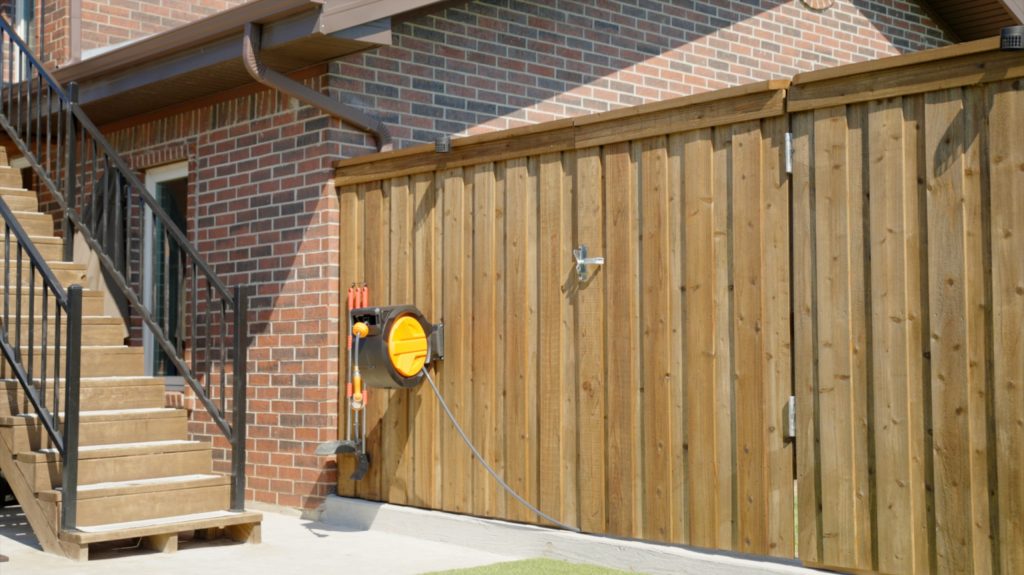
Before you decide on a material, walk your property like a curious kid or a determined pet. Start at the gate, because that’s where most “escape routes” begin. Then check the bottom edges of the fence line for lift, sag, or missing sections. Finally, look at fence corners and transitions where panels meet posts or where fencing changes direction. Those spots often reveal the smallest gaps that matter most.
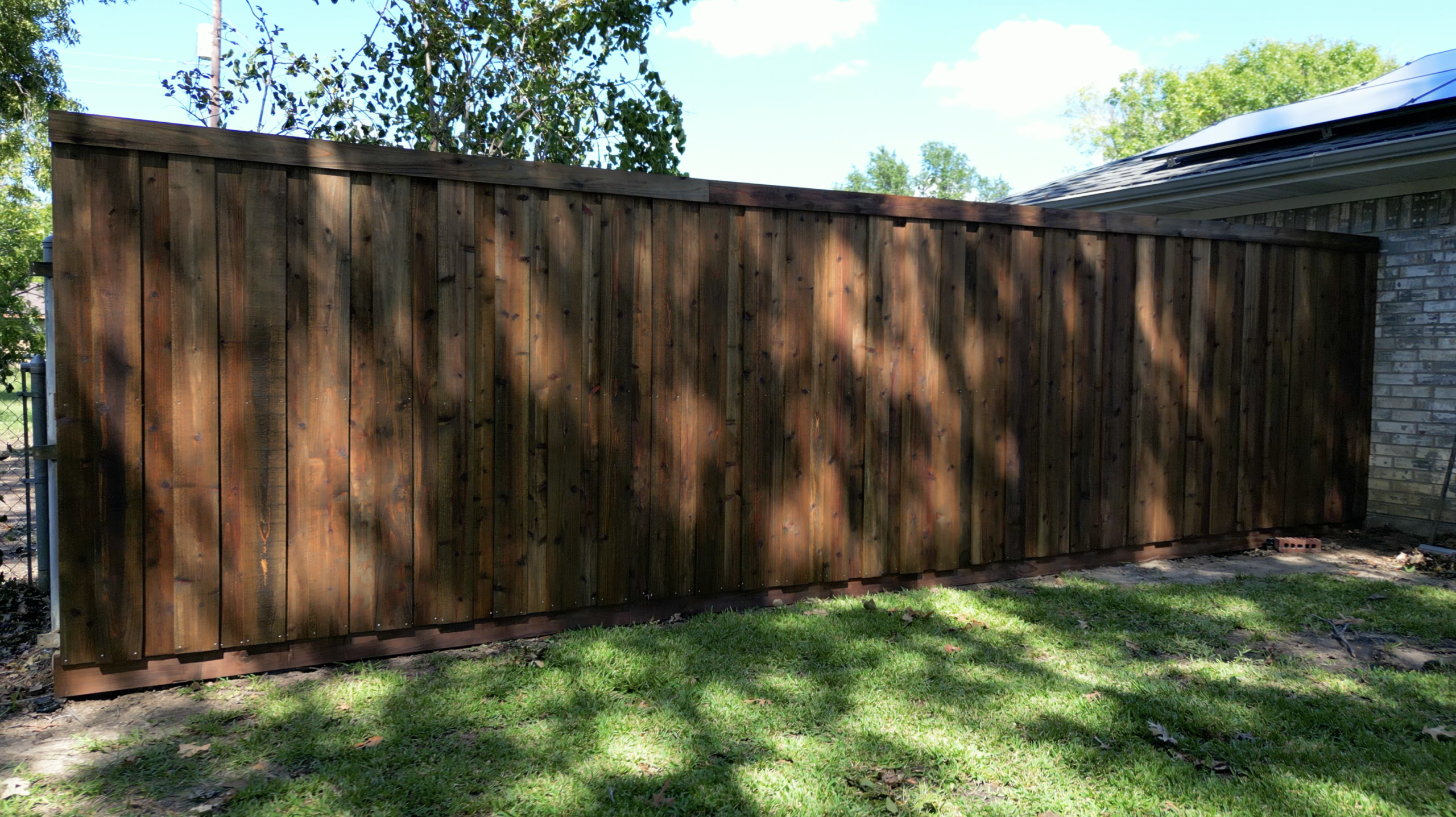
Practical observation: Safety problems are rarely caused by the “main panels” alone. The latch, hinges, and the bottom line are where containment usually breaks down first.
Main Things Customers Should Understand
Every yard has different movement patterns. A dog that digs will test the ground line. A cat that climbs will test vertical surfaces. Kids will test openings, gates, and anything that feels “almost closed.” Matching the fencing design to behavior is what turns a fence from “looks fine” into “works day after day.”
Spacing and bottom clearance
For pets especially, the gap under the fence can matter as much as the openings in the panels. If you see light through the line, or you can slip fingers or small items through, containment will likely be inconsistent.
Gate access points
A gate that swings freely is normal, but a gate that does not close fully, latch consistently, or stay aligned creates unsafe gaps. If you have automatic gate installation in mind, the hardware and wiring approach should be coordinated with your gate design.
Material fit for your yard
Chain link fence installation can be practical for visibility, while privacy fence installation is often chosen to reduce access to the yard line. Wood fence installation and wrought iron fencing each have different “climb and visibility” behaviors to consider.
Professional observation: If you’re trying to keep kids and pets safe, you’ll usually get more value from tightening the weak points than from replacing everything at once. A targeted fence repair or a gate adjustment can fix the specific failure areas.
A quick decision table for safer containment
If you’re comparing options, use this table to think about how each fencing approach typically supports “keep them in” goals. Your exact design depends on your yard layout and the specific behaviors of your pets.
| Fencing approach | Safety strengths for kids/pets | What to watch during installation |
|---|---|---|
| Wood fence installation | Often chosen for privacy and reduced visibility into the yard line. | Ensure boards are properly aligned, edges are tight, and the bottom line is secured against sag. |
| Chain link fencing | Can provide strong boundary coverage and visibility control. | Confirm consistent tension, proper post spacing, and secure gate hardware for reliable closure. |
| Wrought iron fencing | Creates a rigid boundary that can help discourage climbing or casual entry. | Check for stable mounting and make sure gates align so there are no latch-side gaps. |
| Privacy fence installation | Reduces access points and can help with overall yard containment. | Focus on transitions, corners, and any sections that may loosen over time. |
Why This Matters in Sherman, TX
In Sherman, TX, yards can be impacted by seasonal shifts, heavy rain events, and the day-to-day wear that comes with outdoor living. Over time, gate frames can loosen slightly, fence lines can settle, and wood or metal sections can shift if the installation was not anchored and aligned correctly. That’s why a safety-first fence inspection is a smart routine for homeowners and property managers in Sherman.
If you’re considering upgrades, Lowery Fence & Patio provides options across Residential Fencing and specialized services like residential fencing and gate installation. For commercial properties with controlled access needs, you can also explore commercial fencing.
Plan a safer fence line for your property
Tell us what you’re trying to contain and where the weak points are. We can help you choose a fencing approach that supports everyday safety.
Contact Lowery Fence & PatioCommon Mistakes to Avoid
Even well-built fences can fall short on safety if the design overlooks how people and pets move. The biggest mistakes usually show up after the fence is installed, when the owner realizes the problem is not the overall fence length, but the specific openings, edges, and gate behaviors.
- Ignoring gate latch consistency. A latch that doesn’t catch every time can create intermittent escape routes.
- Overlooking the bottom line. Sagging, missing sections, or gaps at the ground can undermine containment for digging or small pets.
- Choosing visibility over containment. A fence that looks open can still be unsafe if openings are wide enough for hands or paws.
- Assuming “one material fits all.” Some yards need a combined approach, especially around corners, gates, and transitions.
- Skipping alignment checks. If a gate or fence section is slightly out of line, the safety performance drops quickly.
Customer Checklist
Use this checklist to prepare for a fence installation, fence repair services visit, or a materials decision. It helps you explain the real problem clearly, which makes the planning process faster and more accurate.
Actionable checklist: Walk the fence line with a notepad and confirm each item below before the next busy day at home.
- Gate closes fully: Does it consistently meet the frame without needing “extra help”?
- Gate latches securely: Does the latch engage every time, including after the gate swings?
- No new gaps: Check corners, post junctions, and where fence sections meet.
- Bottom line containment: Look for lift/sag or openings near the ground.
- Material stability: Press lightly on panels to see if anything shifts or rattles.
- Path of travel: Identify where kids or pets naturally run, dig, or climb along the fence.
- Maintenance plan: If wood is involved, consider fence staining to help protect the fence based on local conditions.
Representative Scenario: A yard that “almost” works
A family in Sherman noticed their dog could get out near the gate after rainy days. The main fence looked intact from the street, but when they checked the latch side and bottom edge, they found a small mismatch between the gate alignment and the frame, plus a slight gap where the fence settled. Instead of replacing the entire run, they focused on the gate hardware performance and the bottom-line containment at the weak point. That kind of “fix the failure area” approach is often what improves safety the fastest.
Frequently asked questions
If you’re planning residential fencing or gate access changes, these are common questions homeowners ask when safety is the goal.
What fencing style helps most with keeping pets contained?
How do I know if my gate is the safety problem?
Can fence repair services improve safety without full replacement?
Is chain link fencing safe for kids and pets?
What should I consider for wood fence installation in Sherman, TX?
Get a safety-first fencing plan
If you’re dealing with gaps near a gate, bottom-line clearance issues, or fence line shifts, Lowery Fence & Patio can help you choose the right next step for your property in Sherman, TX.
Call 903-833-3623
About Lowery Fence & Patio
Lowery Fence & Patio is a Sherman, TX fencing and outdoor living company focused on practical, customer-focused fence solutions. From Residential Fencing and Commercial Fencing to gates, staining, and outdoor upgrades, the team helps property owners in Sherman and nearby areas like Collin County, Grayson County, Cooke County, and Fannin County build safer, more functional outdoor spaces.