
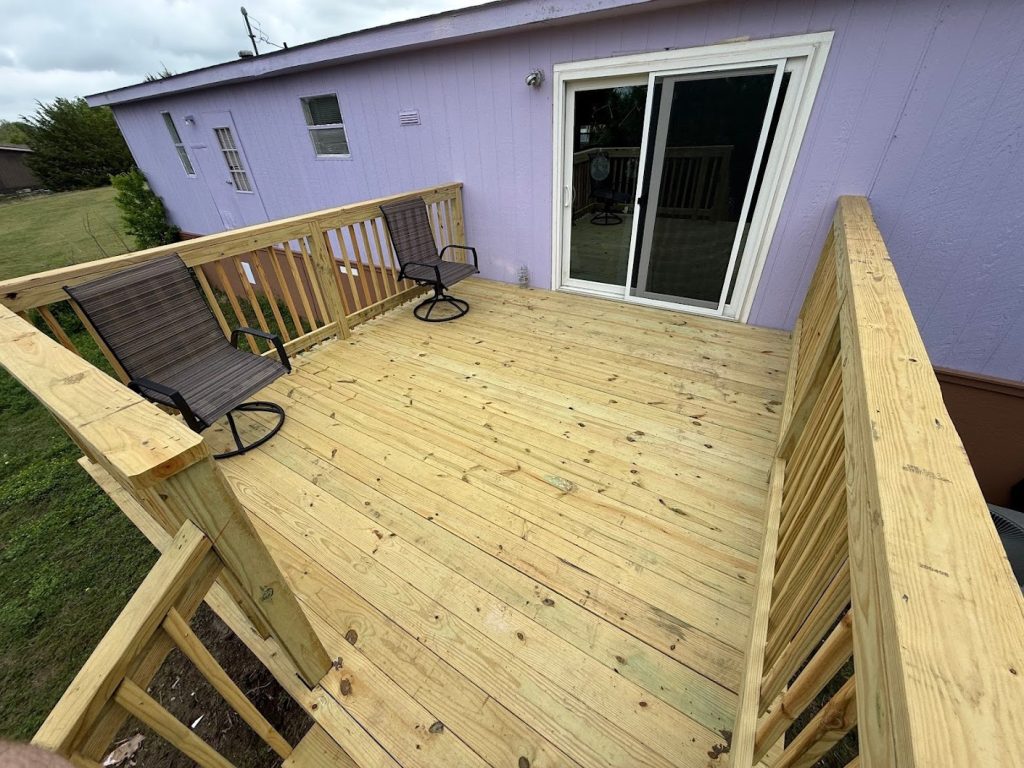
Deck Installation for Outdoor Living: Fixing Wobbling Boards
If your deck boards feel loose or you hear a hollow wobble when you step near the edge, the fix is usually more than “tighten a screw.” In Sherman, TX, shifting moisture and seasonal expansion can expose weak connections between the boards and the framing below. This guide helps you identify what’s actually moving and decide the safest next step.
- Quick answer
- What to check first
- Main things customers should understand
- Why this matters in Sherman, TX
- Common mistakes to avoid
- Customer checklist
- Frequently asked questions
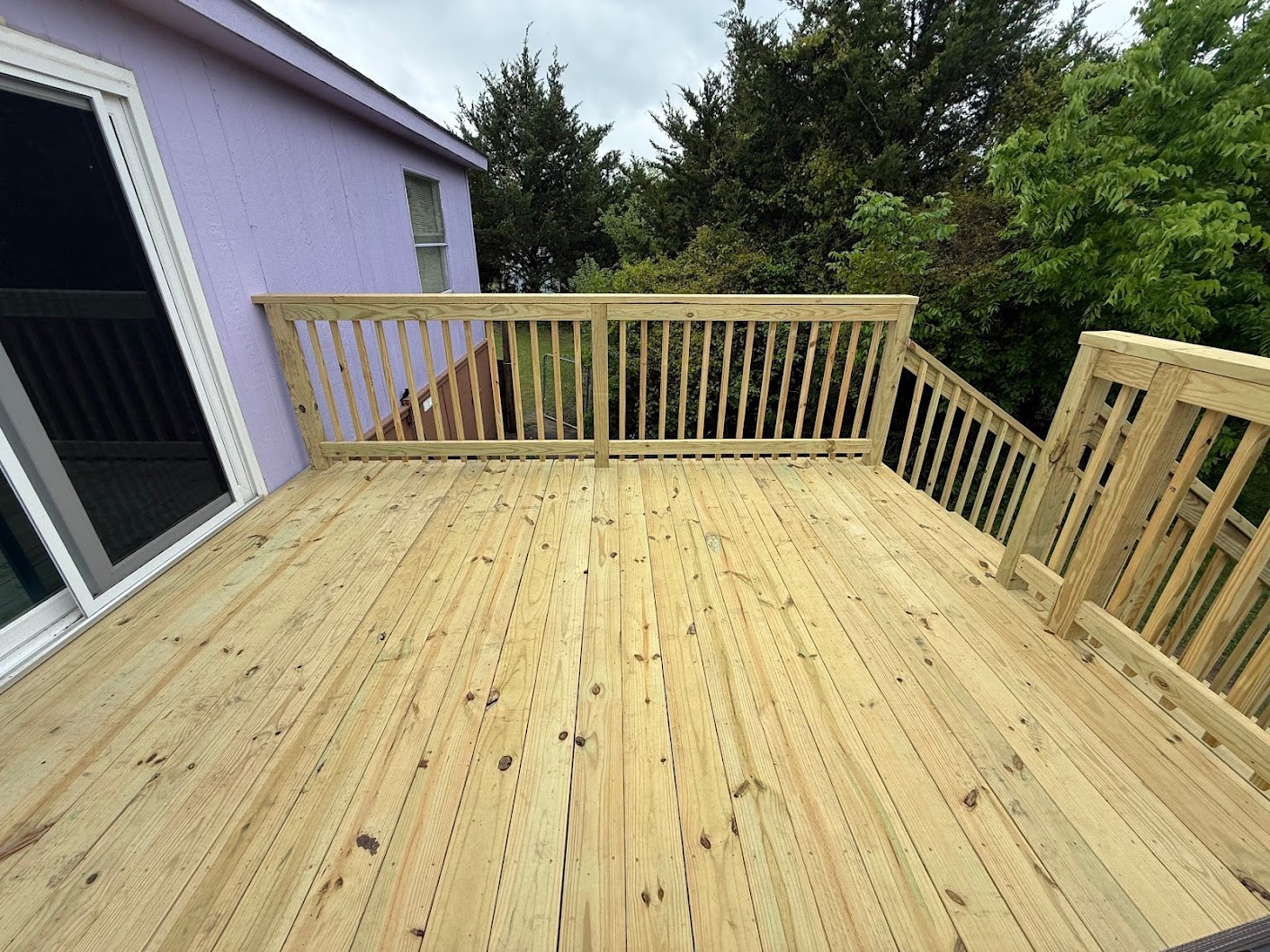
Last spring, you finally got the deck ready for weekend dinners, and now you’re noticing it. One board near the walkway feels like it lifts and settles when you step on it, and the sound carries when guests move around. You might even think it’s just a loose fastener, but deck wobble often points to something deeper in the structure.
This guide will help you understand what typically causes wobbling boards, what you can check safely from the top, and when it’s time to involve a professional. We’ll also cover practical ways to keep your deck installation stable and comfortable for outdoor living in Sherman, TX.
Quick Answer
If a deck board wobbles, start by confirming whether the movement is limited to the top surface or whether the framing or support points below are shifting. Tightening or replacing one loose board can help, but repeated wobble usually means an issue with fasteners, spacing, substructure alignment, or water damage under the deck. For safety, avoid walking on the unstable area and look for signs of rot, separation, or missing blocking. The most reliable next step is a deck-focused inspection so the fix matches the actual cause, not just the symptom.
What to Check First
Before you call for help, you can narrow down the likely cause with a few careful checks. Deck board wobble is often either a localized fastening problem or a structural issue in the joists, blocking, or ledger connections. The goal is to identify the pattern and spot warning signs without forcing anything that could worsen the damage.
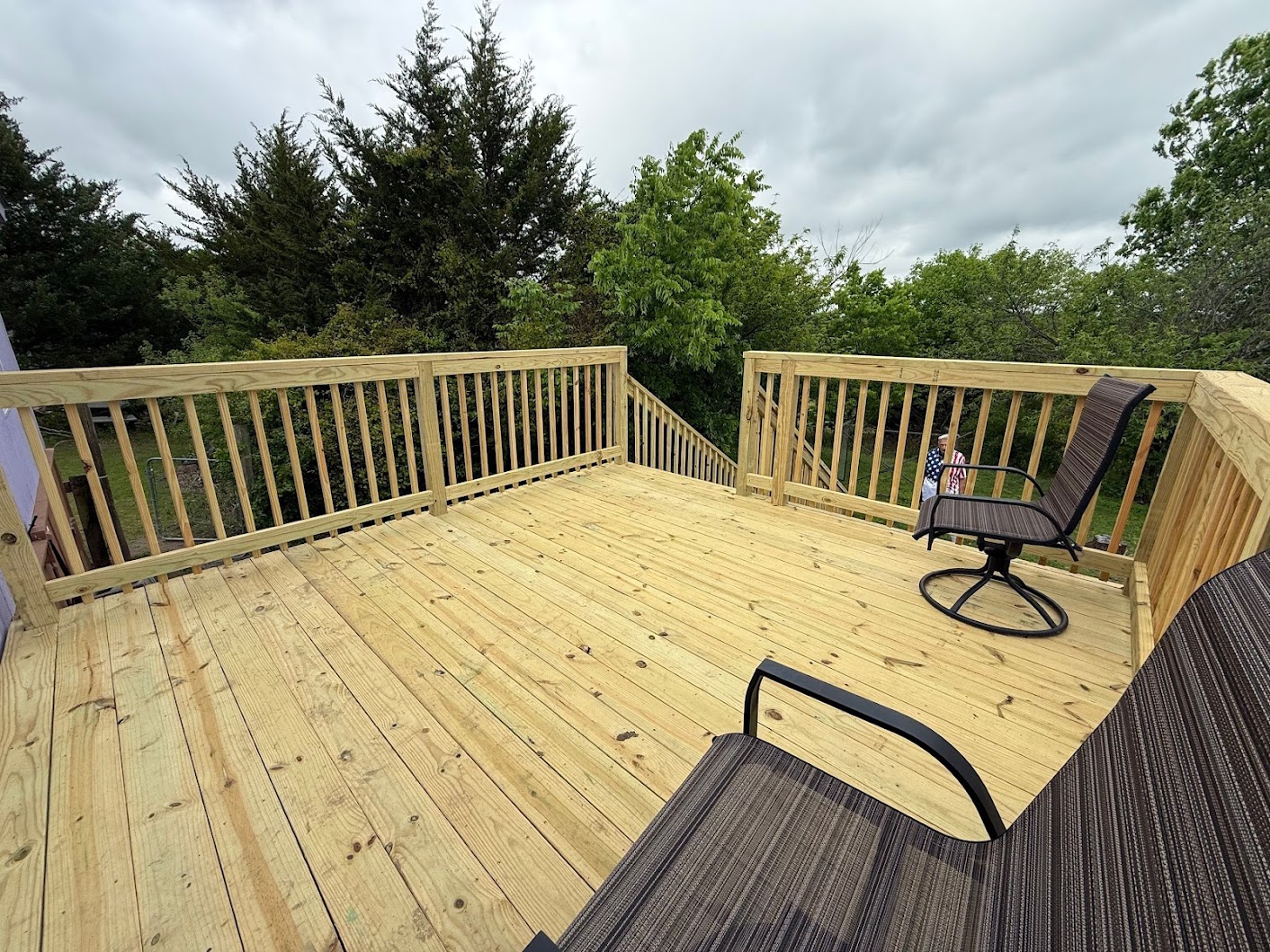
Professional observation: If the board flexes at the edge but the joist feels solid, the fix is often fasteners or board fit. If multiple boards shift together, the framing support is more likely involved.
- Identify the “wobble zone”: Is it one board, a small cluster, or a whole section?
- Check fastener condition: Look for popped or missing screws and nails, or boards that look lifted at the edges.
- Look for water-related clues: Any dark staining, soft spots, or “spongy” areas along the board surface are red flags.
- Test gently: Press on the board with your foot weight lightly. If it moves noticeably with minimal pressure, stop and treat it as a safety concern.
- Inspect the perimeter: Deck wobble near railing posts or the outer border can point to connection or support movement.
Main Things Customers Should Understand
Deck installation problems show up in patterns. When wobbling boards are caused by fastening, the deck may still feel stable overall, but you’ll see looseness at specific boards or along one run. When the issue is structural, you’ll often notice movement across several adjacent boards, sagging lines, or a repeated “click” as you step.
Fasteners and board fit
Loose, undersized, or incorrectly installed fasteners can let boards shift. Even if the deck feels fine at first, foot traffic can gradually create a noticeable wobble.
Joist or blocking alignment
If the framing is out of alignment or missing proper blocking, boards may not have consistent support. That’s when you feel movement that travels along a section.
Moisture damage and rot
In outdoor living spaces, moisture can work into joints. If the wood framing or board ends degrade, the deck can lose stiffness and start “giving” under load.
Practical recommendation: Treat wobbling boards like a safety issue first. Don’t rely on temporary fixes if the movement keeps returning. A proper inspection helps prevent repeated repairs and helps your deck installation stay comfortable for daily use.
| What you notice | Likely cause | Best next step |
|---|---|---|
| One board lifts or shifts | Loose fasteners or board fit | Inspect and correct the fastening and board seating |
| Several boards wobble in a row | Framing support or blocking issue | Have the substructure checked before re-fastening |
| Wobble near the deck edge or railing posts | Perimeter connection movement | Inspect connections and support points |
| Soft spots, staining, or separation | Moisture-related deterioration | Stop using the area and address affected components |
Why This Matters in Sherman, TX
Decks in Sherman, TX live through humidity swings and seasonal changes. When wood and fasteners repeatedly expand and contract, small installation gaps can become noticeable. If water gets trapped at board ends, ledger areas, or connection points, the deck can gradually lose stiffness. That’s why wobble repairs are often most effective when they address the underlying support and connection details, not just the top board.
Also, many homeowners in Sherman build their outdoor living spaces as one system: deck surfaces, railings, and nearby fencing line up so your backyard feels cohesive. If you’re planning updates, it’s a good time to think about related outdoor work too, such as deck building, fencing, or outdoor living elements that change traffic patterns and load distribution.
Deck building support
If your wobble is tied to the structure, partnering the right deck building approach with stable framing matters. You can explore deck building services to understand how stability is addressed during installation and repairs.
Outdoor living coordination
When decks and gates are installed close together, consistent placement helps avoid future alignment issues. For gate options that complement outdoor living, review gate installation.
Fencing and privacy planning
Backyard fencing can affect how people move on and off the deck, especially with privacy layouts. If you’re updating privacy alongside your deck, see residential fencing for layout ideas.
Common Mistakes to Avoid
Deck wobble tends to get worse when repairs focus on the visible board instead of the cause. Here are a few common mistakes homeowners make that can turn a simple fix into a bigger rebuild.
- Replacing only the top board every time: If the joist support is compromised, the next board may loosen again after a few weeks of use.
- Over-tightening or reusing damaged fastener holes: Stripped or oversized holes can’t hold tension, even if you add more screws.
- Ignoring moisture signs: Dark staining, soft wood, or recurring looseness after rain often points to deterioration under the surface.
- Walking on the wobble zone “to test it”: If the deck is shifting, stepped load can accelerate damage. Treat wobble as a safety concern.
- Skipping the substructure check: When several boards move together, the fix usually needs framing-level attention.
Get a deck stability inspection in Sherman, TX
If you’re dealing with wobbling boards, a focused look at connections and support points can help you choose the right repair approach. Call Lowery Fence & Patio to schedule an on-site assessment.
Call 903-833-3623Customer Checklist
Use this checklist before and after you address wobbling boards. It helps you communicate clearly and spot issues early, especially after storms or seasonal humidity swings in Sherman.
- Mark the exact boards and edges that wobble so the area is easy to find later.
- Check for popped fasteners, missing nails, or lifted board corners.
- Look for soft spots, staining, or separation near board ends and connection points.
- Observe whether the wobble is one isolated board or a whole section.
- After any repair, test gently and re-check for new movement within the first few uses.
- Keep track of whether the problem returns after heavy rain or temperature changes.
Representative Scenario
A homeowner near Sherman noticed a “click” whenever they stepped on the outer row of deck boards. At first, they replaced one board, but the wobble returned within a few weeks. During a closer inspection, the movement wasn’t limited to the board surface. The substructure support under that section showed signs of instability, and water-related wear had weakened the area where the deck connections rely on firm support. Once the underlying support and connections were corrected, the board section stopped shifting, and the deck felt solid again for daily use.
Frequently asked questions
Can I fix a wobbling deck board myself?
Sometimes the cause is simple, like a popped fastener or a board that was never properly seated. If it’s only one board and you don’t see signs of soft wood, separation, or widespread movement, a careful fastening correction may resolve it. If multiple boards wobble together, the wobble returns quickly, or you notice moisture damage, it’s safer to have a professional inspect the substructure and connections before you start replacing parts.
Why does the deck wobble more after rain?
Rain can change how wood swells and how fasteners grip the surrounding material. If water gets into board ends, joints, or connection points, it can also contribute to early deterioration. In Sherman, humidity swings can make these effects more noticeable. If your wobble correlates with wet weather, treat it as a clue that the underlying support or moisture-related wear may need attention.
What’s the difference between a loose board and a structural issue?
A loose board usually moves locally, and the rest of the deck section feels firm. A structural issue often shows up as movement across multiple boards, a repeated “click” pattern, or noticeable shifting along an edge or perimeter. If you press and find that the deck feels like it’s flexing as a section, that’s a strong sign to inspect framing support and connections rather than only re-fastening the top boards.
Should I avoid using the wobbling area?
Yes. If a section wobbles noticeably with normal foot traffic, avoid using it until it’s evaluated. Continued loads can worsen looseness, increase the risk of additional damage, and make the eventual repair more involved. If you’re unsure, treat it like a safety concern and schedule an inspection so the repair approach matches what’s actually moving.
Can deck repairs affect fencing or gates nearby?
They can, especially when a deck and fence line share a boundary or when posts and walkways connect nearby. Deck adjustments, railing alignment, and changes to how people enter and exit the area can influence how a gate or fence layout functions. If you’re planning deck stabilization and outdoor upgrades in the same season, coordinating the work helps keep your backyard transitions smooth.
Ready to stop the wobble?
Lowery Fence & Patio can help you figure out what’s causing wobbling boards and choose a repair approach that restores stability for outdoor living. If you’re in Sherman, TX, or serving nearby areas, reach out to schedule an inspection.
Contact Lowery Fence & Patio
About Lowery Fence & Patio
Lowery Fence & Patio provides fencing and outdoor living solutions for homeowners and businesses in Sherman, TX and nearby areas, including deck building support and related exterior improvements. Their team focuses on practical, job-site-ready installation and repairs designed to keep your outdoor spaces stable and comfortable.