
How Often Should Fences Be Repaired After Installation
If you just had fencing installed around your Sherman, TX property, it can be hard to tell what “normal wear” looks like versus what needs attention. This guide helps you set a realistic maintenance rhythm, catch small issues early, and decide when fence repair is the smarter move than waiting.
Picture a fence that looked straight on day one. A few months later, you notice a gate that doesn’t latch as smoothly, a post that seems slightly out of alignment, or boards that look a little “lifted” after heavy weather. In Sherman, TX, that kind of change often shows up after strong wind, seasonal temperature swings, or repeated freeze-thaw conditions that loosen hardware over time.
This article will help you understand how often fence repair typically becomes necessary, what to check first, and which maintenance habits reduce the chance of bigger repairs later. You will also see a practical checklist you can use on a schedule that fits real homeowner and property-manager routines.
- Quick answer
- What to check first
- Main things customers should understand
- Why this matters in Sherman, TX
- Common mistakes to avoid
- Customer checklist
- Frequently asked questions
Quick Answer
Most fences do not need frequent “repairs” right after installation, but they do benefit from ongoing checks. A practical routine is to inspect your fence about every 3 to 6 months for the first year, then at least once or twice per year afterward. Repair needs usually show up sooner for gates, fence lines near driveways, and fence sections exposed to wind. If you notice leaning posts, loose hardware, sagging gates, or damaged panels, address the issue promptly to prevent chain reactions like misalignment or additional material wear. When in doubt, a professional fence inspection helps confirm what is cosmetic versus structural.
What to Check First
If you only have time for a short look, start at the “movement points.” Those are the areas most likely to change after installation: gate hinges and latches, fence corners, and any section that takes direct wind pressure. Next, scan the fence line for loose fasteners, gaps that widened over time, and spots where boards, pickets, or panels look lifted or mis-seated.
Gates and access points
Test latching, swing, and alignment. If a driveway gate or pedestrian gate drags or won’t close cleanly, hardware adjustment is often the first step before anything else.
Fence line hardware
Look for missing screws, bent brackets, or posts that seem to “shift” relative to the surrounding sections. Wind and routine impacts can loosen components.
Surface condition
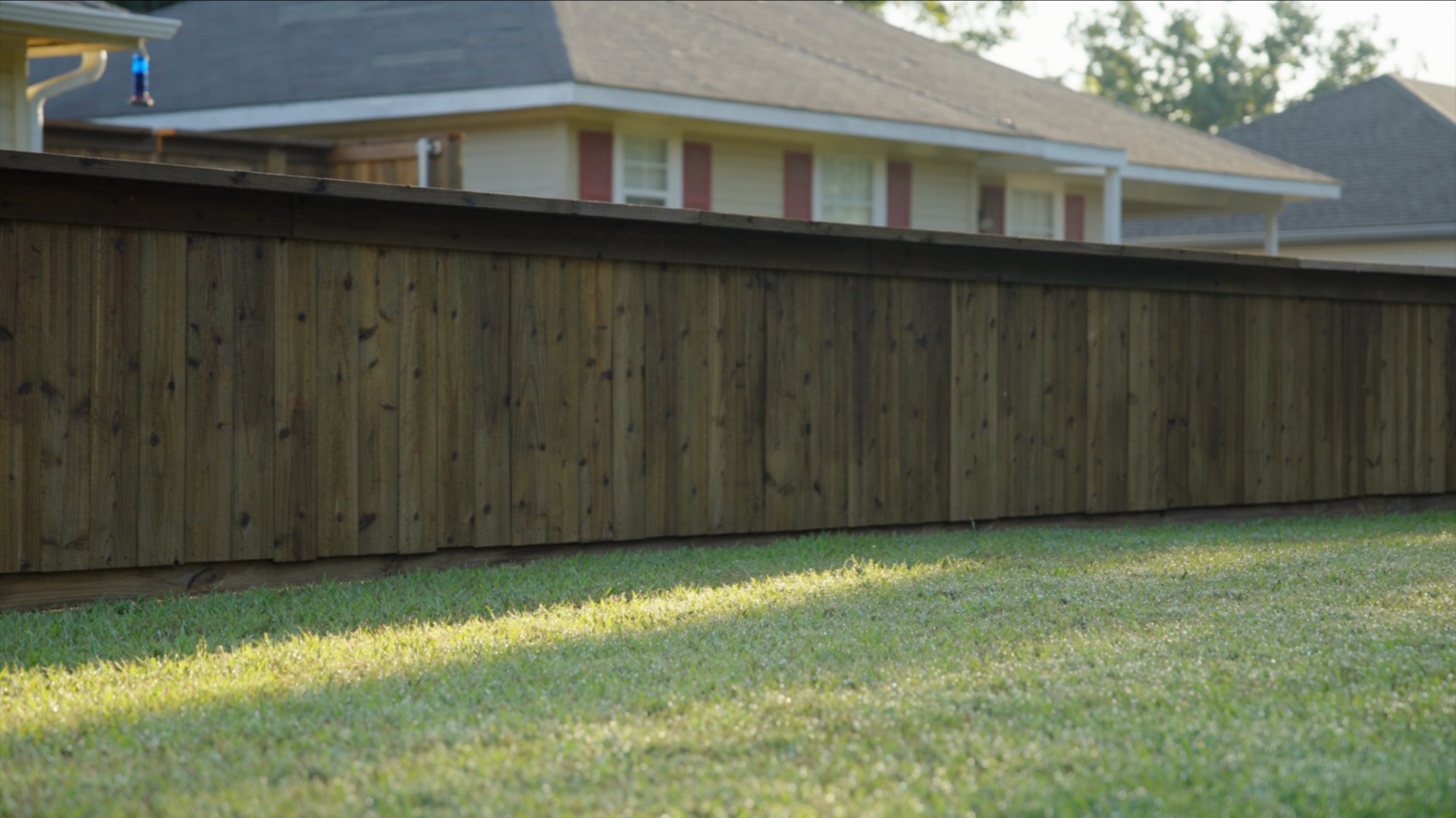
For wood fencing, inspect for staining wear, peeling, or areas that look darker or lighter than the rest. That can signal moisture exposure and early failure.
Main Things Customers Should Understand
How often fence repair is needed depends on the fence type, how the fence was installed, and what your property experiences day to day. In Sherman, TX, many homeowners plan maintenance around seasonal weather changes, but the “real trigger” is usually movement: posts settling, hardware loosening, or panels getting stressed by wind or impacts.
Professional observation: The earliest repair needs are often small and local. A loose gate hinge or a slightly misaligned panel can turn into bigger fence line sagging if you wait too long.
Typical inspection and repair rhythm (by time after installation)
Use time as a starting point, then let what you see guide the next step. Here is a practical way to think about it:
| Time after installation | What you are likely to notice | How often to inspect | Common repair actions |
|---|---|---|---|
| First 3 to 6 months | Hardware settling, minor alignment changes, gate latch adjustment needs | Every 3 months | Tighten/replace fasteners, adjust hinges, straighten a section before it shifts further |
| Remainder of year 1 | Wear patterns start to show, especially on wood and at corners | Every 3 to 6 months | Replace small damaged boards/panels, address early stain wear areas, correct localized sag |
| Year 2 and beyond | Maintenance needs depend on weather exposure and impacts | At least 1 to 2 times per year | Fence stain and seal touch-ups (wood), bracket and panel replacements, gate hardware checks |
Fence material can change the “repair timeline”
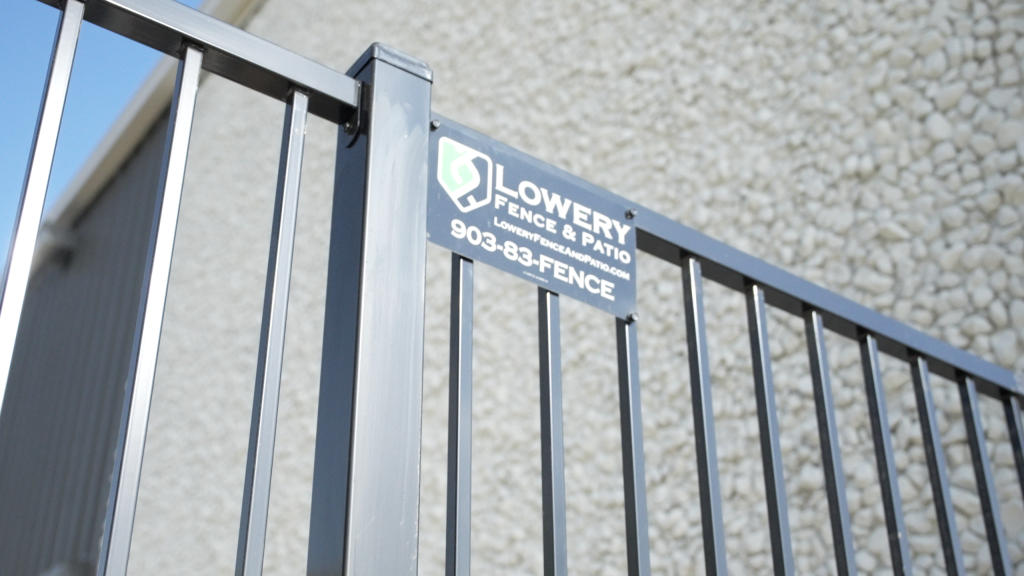
Different materials fail in different ways. Wood fencing often needs more attention around surface protection, especially if water sits against sections or if stain coverage thins in high-exposure areas. Chain link fencing can show issues like bent wire sections or damaged links after impacts, which may require targeted repairs rather than full replacement. Wrought iron and pipe-style fencing can also need periodic hardware checks so gates and sections keep their intended alignment.
Practical recommendation: If you have wood fencing, treat stain maintenance like a repair prevention tool, not a cosmetic upgrade. Keeping protection in place can reduce the need for board-level repairs later.
When you are evaluating repairs, it helps to think in terms of cause. For example, sagging can be hardware related, post related, or due to how a section is loaded. A professional inspection can separate those issues so you do not pay for the wrong fix.
Why This Matters in Sherman, TX
In Sherman, TX, fences are exposed to a mix of seasonal stressors and frequent weather swings that can loosen hardware and shift alignment over time. You might see this especially on fence corners, near driveways, and around gates that experience repeated opening and closing. If your property borders open areas or has strong wind exposure, it is normal for small alignment changes to show up sooner, which is why inspections every 3 to 6 months early on are a smart rhythm.
Lowery Fence & Patio supports both residential and commercial properties across Sherman and nearby areas including Collin County, Grayson County, Cooke County, and Fannin County. If your fence serves as part of a security or access plan, keeping gates and access points operating smoothly becomes even more important.
For property managers and commercial sites, fence reliability is tied to day-to-day operations. If you manage a site where access control matters, consider reviewing your fence system as a whole, including gate operation and any access control components. For commercial fencing needs, you can review commercial fencing options to align your maintenance plan with the kind of site you operate.
Need a fence repair check in Sherman, TX?
If you are seeing a leaning section, gate latching issues, or signs of early wear, schedule an inspection so you can address the root cause before it spreads along the fence line.
Call Lowery Fence & Patio: 903-833-3623Common Mistakes to Avoid
Most “repair frequency” problems come from delays and DIY assumptions. If you fix the visible symptom but ignore the underlying cause, the same issue tends to return, sometimes in a worse form. A careful approach saves time and prevents unnecessary replacement.
- Waiting until a gate “fails” to check hinge alignment and latch operation.
- Replacing a single damaged board or panel without checking nearby hardware and support points.
- Cleaning or treating wood inconsistently, then noticing stain wear returns quickly in the same areas.
- Assuming a sagging section is purely cosmetic when it may be hardware or post-related.
- Ignoring small gaps at corners, where wind pressure can increase movement over time.
Customer Checklist
Use this quick checklist to stay ahead of repairs. It is designed for a practical walkthrough, not a technical job-site evaluation. If you find any items below, note the location and take a closer look later or contact a fencing professional for an inspection.
Checklist focus: Gate operation, fence corners, and the first signs of panel or hardware movement.
| Area to inspect | What to look for | When to repair |
|---|---|---|
| Driveway and pedestrian gates | Sagging, dragging, latch misalignment, loose hinges | As soon as the gate does not close smoothly or latch consistently |
| Fence line panels | Loose fasteners, gaps increasing, bent or cracked sections | When a panel shifts or you can feel movement by hand |
| Posts and corners | Leaning, uneven spacing, visible movement after weather | Promptly, because corner movement often leads to more line sag |
| Wood surface protection | Thin stain coverage, peeling, dark wet-looking areas | At the first sign of uneven protection so boards are not exposed longer than necessary |
Representative Scenario
A homeowner in Sherman, TX installed a new wood privacy fence and noticed the latch area on a side gate started to feel “tight” after a windy spell. The fence line still looked fine, so the homeowner delayed attention until the gate began to sit slightly lower. At that point, small hinge adjustments and fastener fixes were needed to restore alignment before additional strain showed up across the adjacent fence section. That is a common pattern: addressing gate movement early helps prevent broader fence repairs later.
Frequently asked questions
How soon after fence installation might repairs be needed?
Repairs are not guaranteed, but early issues can appear within the first 3 to 6 months, especially around gates, corners, and sections under direct wind pressure. Hardware can loosen slightly as everything settles, and repeated opening and closing can reveal latch or hinge alignment problems. A reasonable approach is to inspect every 3 months during the first portion of the first year, then switch to every 3 to 6 months for the remainder of year one.
Does the fence type change how often I should inspect it?
Yes. Wood fencing often needs more attention to surface protection, which can influence how quickly boards show wear. Chain link fencing may require attention after impacts that bend or stress sections. Wrought iron and pipe-style fencing still benefits from periodic hardware checks so gates keep their alignment. Regardless of type, focus on movement points first: gates, corners, and any section that repeatedly takes stress.
What are the first signs I should not ignore?
Look for fence sections that shift, gaps that widen over time, loose fasteners, or a gate that does not close and latch smoothly. If you notice leaning posts or a fence line that seems to “give” when you lightly press on a panel, it is usually time for an inspection. Addressing these early can prevent more extensive repairs later, especially when the issue is spreading from a corner toward the rest of the line.
Should I repair small damage or plan for replacement?
Small damage is often repairable, but the right choice depends on what caused the problem. If a panel was impacted and the surrounding hardware is still stable, targeted replacement can be enough. If the issue is post movement or gate alignment, fixing only the visible board may not solve it. An inspection helps determine whether you are dealing with localized damage or a system issue that needs broader adjustment.
How does staining maintenance relate to repairs?
For wood fencing, stain and seal maintenance can reduce how quickly boards absorb moisture and begin to weaken. Uneven stain wear often shows up in high-exposure spots like fence ends, areas that hold water, or sections that face harsh weather. When surface protection thins, repairs can become more frequent because boards require replacement sooner. Keeping protection consistent can help you reduce board-level repair frequency over time.
Ready to get your fence on a practical maintenance schedule?
Lowery Fence & Patio can help you identify what needs attention now versus what can wait. If you are in Sherman, TX or nearby areas, we will focus on the sections that matter most for safe, reliable fence operation.
Schedule with Lowery Fence & Patio
About Lowery Fence & Patio
Lowery Fence & Patio provides fencing and outdoor living services for residential and commercial properties in Sherman, TX and surrounding areas including Collin County, Grayson County, Cooke County, and Fannin County. From fence installation to fence staining and gate solutions, our team focuses on helping customers keep their fence lines and access points operating the way they should.