
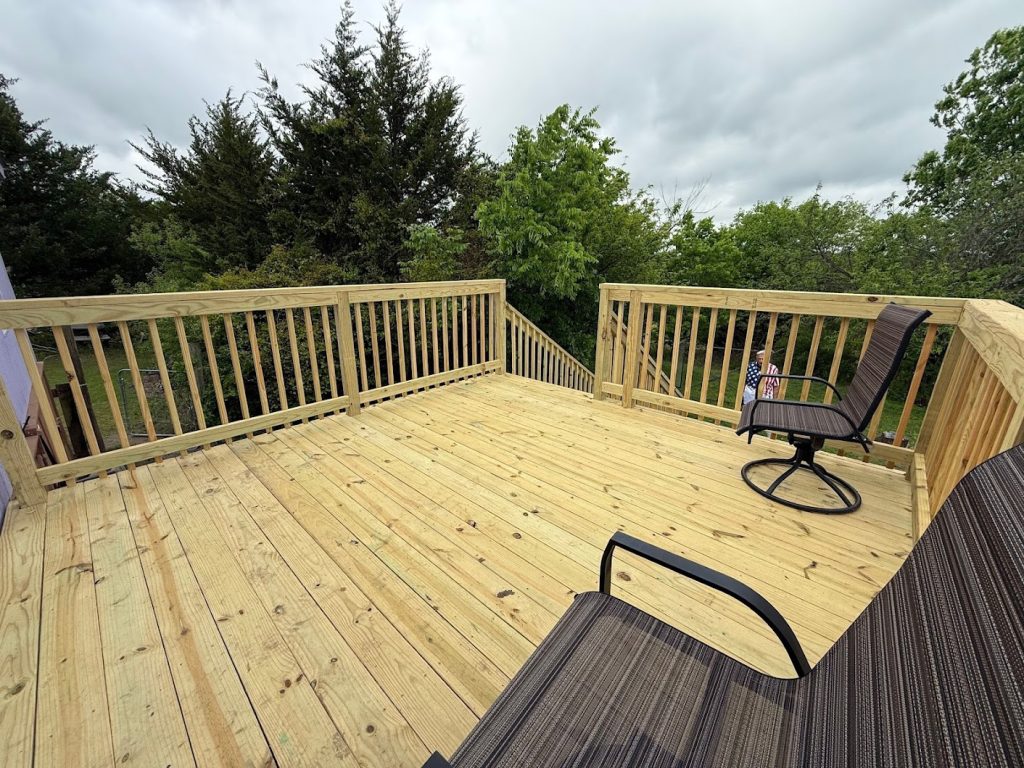
Deck Installation Safety Tips and Prevention Measures
If you are planning a new deck around Sherman, TX, the worry is usually the same: “Will it be safe for kids, guests, and pets, and will it hold up after storms and heat?” This guide walks you through the practical safety checks that help prevent common problems during and right after deck installation.
A homeowner in Sherman recently told us their deck looked great during the walkthrough, but they noticed a few loose spots and wobbly rail sections after the first week. That is a stressful moment, especially when you are trying to enjoy evenings outside with family.
Deck safety is not only about strong materials. It is also about correct layout, clean connections, safe access, and prevention steps that stop small issues from becoming bigger repairs.
Below, you will find a quick, homeowner-friendly checklist, common mistakes to avoid, and the safety points we watch for during installation.
- Quick answer
- What to check first
- Main things customers should understand
- Why this matters in Sherman, TX
- Common mistakes to avoid
- Customer checklist
- Frequently asked questions
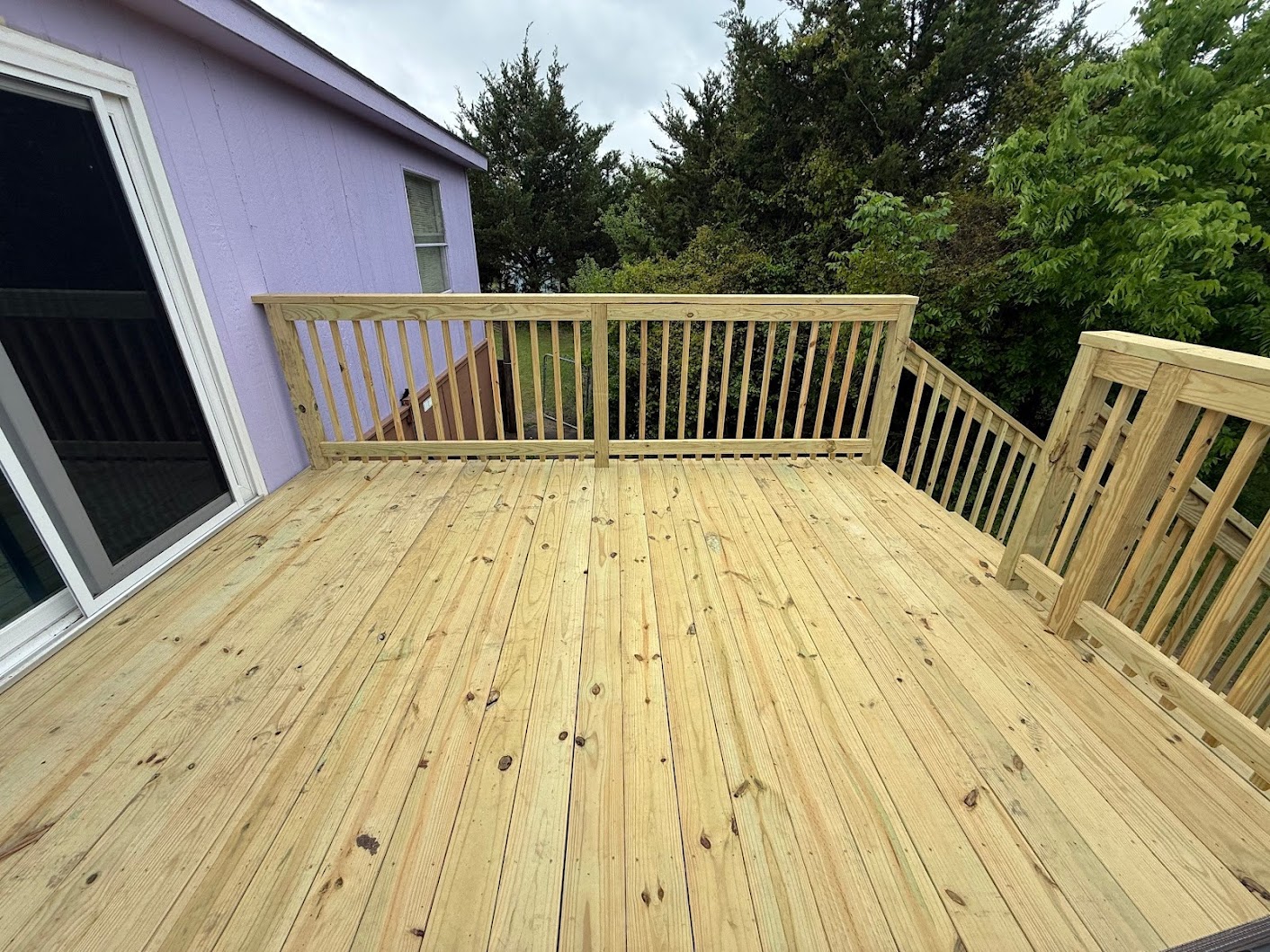
Quick Answer
The safest deck is built with stable framing, properly secured railings, safe walking surfaces, and clear drainage. Before sign-off, check that rail posts do not move, deck boards feel firm and aligned, and fasteners are consistent and installed correctly. Also verify that stairs, handholds, and any gate or access points are easy to use and not obstructed. For prevention, ask your installer about inspection steps and after-care so small movement does not turn into a repair later. If anything feels loose, pause use and address it.
What to Check First
Start with the areas that affect balance and fall prevention: rail stability, stair footing, and the surface you step on. During a deck walk-through in Sherman, TX, we recommend you focus on “movement you can feel.” If a railing post shifts even slightly, that is a sign the connection or alignment needs attention before you start using the deck regularly.
Professional observation: When customers call us after noticing wobble, the root cause is often not the deck boards themselves. It is usually a framing connection, fastener pattern, or rail attachment that needs adjustment while the system is still accessible.
Main Things Customers Should Understand
Deck safety is a system. A strong deck frame helps, but rails, stairs, and surface conditions are what people interact with every day. The following sections cover the main safety and prevention measures that keep decks reliable through Texas weather swings.
1) Railings: stability over appearance
Rails should feel solid when you push gently at different points. Loose rail sections can happen when post placement, spacing, or fastening is off. Ask for a quick “shake test” during final walk-through so you can confirm everything is secure.
2) Walking surface: traction and alignment
Deck boards should be properly aligned and fastened so they do not flex excessively. Uneven board spacing can create trip points, and slick conditions after rain make traction even more important.
3) Stairs and access: safe handholds
If your deck includes stairs, verify handholds and step consistency. Uneven risers or blocked paths can lead to missteps, especially when carrying items.
Prevention focus: The fastest time to correct safety issues is during installation, not after finishes are in place. If you notice gaps, wobble, or poor alignment, raising it early typically reduces rework.
Why This Matters in Sherman, TX
In Sherman and nearby areas like Collin County and Grayson County, decks see a lot of seasonal change: dry heat, heavy downpours, and temperature swings that can affect how materials expand and contract. That is why we pay attention to drainage pathways, secure connections, and keeping surfaces free of conditions that increase slipping risk.
If your deck connects to outdoor living features, safety should carry through to your overall yard layout. Many homeowners pair new decks with fencing and access control for a cohesive, family-friendly setup. If you are also planning fencing, you can explore options like deck building and related outdoor living elements as part of the same project plan.
| Safety area | What to look for during/after installation | Why it matters for prevention |
|---|---|---|
| Rail posts and connections | Minimal movement when pressed from different angles; consistent attachment points | Reduces the chance of progressive looseness over time |
| Stair alignment | Consistent step height and secure footing where people land | Helps prevent missteps and trips |
| Deck surface | Board alignment, secure fastening, and a surface that does not feel overly springy | Supports stable footing in wet or humid conditions |
| Drainage and water behavior | Routes for runoff, no “standing water” areas right at walking paths | Helps reduce conditions that lead to deterioration and slipperiness |
Want a safety-focused deck walkthrough?
If you already have a deck and you are not sure whether something is “normal settling” or a real safety issue, call Lowery Fence & Patio. We can help you identify what to address first.
Call Lowery Fence & PatioCommon Mistakes to Avoid
The goal is to prevent repeat issues. Many safety problems start as small installation oversights. Here are the mistakes we see most often when homeowners are dealing with deck concerns in the Sherman area.
- Ignoring rail movement: If the rail shifts, do not assume it will “tighten up.” Address it early.
- Skipping surface checks: Uneven boards and inconsistent fastening can create trip points and unstable footing.
- Overlooking access and handholds: Stairs and transitions should be safe to use while carrying items.
- Waiting too long to report issues: After finishes are fully complete, adjustments can be harder. Early communication helps prevent bigger rework.
- Designing without yard integration: If you are adding or upgrading fencing, consider how gates, privacy, and access routes connect to the deck area.
Customer Checklist
Use this list during your deck walk-through and in the first days of use. If you find anything on this checklist that does not feel right, pause use of the affected area and contact your installer or a qualified contractor.
- Rail posts feel secure with gentle pressure from multiple angles
- Stairs have consistent step behavior and safe footing
- Deck boards feel firmly attached and aligned, with no noticeable rocking
- Walking paths drain well after rain and do not create slick standing areas
- Any gate or access point connected to deck use is easy to operate and unobstructed
- Fasteners and connections look consistent and are not visibly out of place
Representative Scenario
Imagine a family in Sherman, TX who had a deck installed so they could host weekend cookouts. The first evening felt fine, but the next day they noticed one section of railing had a slight wobble when their teenager leaned on it. Instead of using that area, they asked the contractor to re-check the rail attachment points. That early “feel test” prevented a small looseness from becoming a larger safety repair later.
Frequently asked questions
How can I tell if a deck railing problem is a safety issue?
What should I check on the deck surface to prevent slips and trips?
Does fencing around the deck improve safety?
When should I ask for a re-check after installation?
How do chain link fences relate to deck safety and access control?
Ready to keep your deck safe from day one?
If you are planning a new deck in Sherman, TX, or you want a prevention-focused review of your current setup, contact Lowery Fence & Patio. We can help you think through safe access, yard integration, and the outdoor living details that affect day-to-day reliability.
Schedule with Lowery Fence & Patio
About Lowery Fence & Patio
Lowery Fence & Patio provides fencing and outdoor living support for homeowners and commercial property needs across Sherman, TX and nearby areas including Collin County, Grayson County, Cooke County, and Fannin County. From deck building to fencing and access-related solutions, our focus is practical installation quality and helping customers prevent common outdoor problems before they become headaches.