
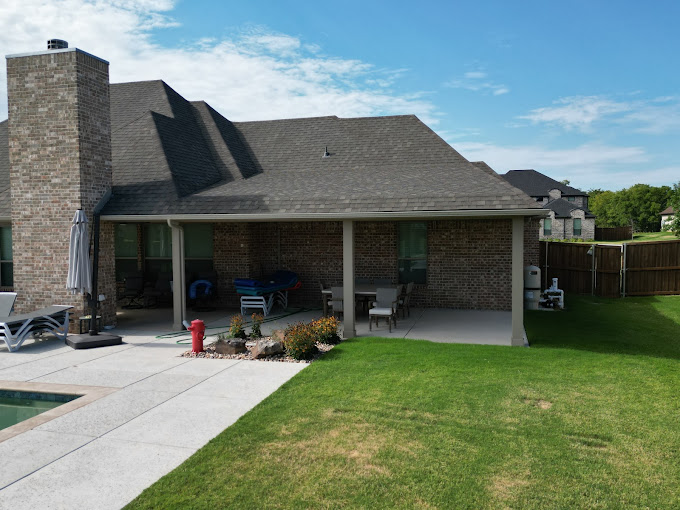
Safety Concerns: Prevent Slips with Patio Builder
If your patio gets slick after rain, or you notice shoes “skating” near the door, the issue is usually fixable with the right builder decisions. This guide walks you through the slip-and-fall causes we see during patio planning and how to reduce risk with smarter surface and drainage choices.
Picture a typical evening in Sherman, TX: the family comes in from the backyard after a light shower, and the patio near the entry feels a little too smooth underfoot. Nobody wants to turn the patio into a “walk carefully” zone.
Whether you are building a new outdoor living space or updating an existing patio, the goal is the same: reduce slick spots where people naturally step, carry items, or move between the door and the yard. Below, you will learn what to check first, what design factors matter most, and which choices tend to prevent slips.
- Quick answer
- What to check first
- Main things customers should understand
- Why this matters in Sherman, TX
- Common mistakes to avoid
- Customer checklist
- Frequently asked questions
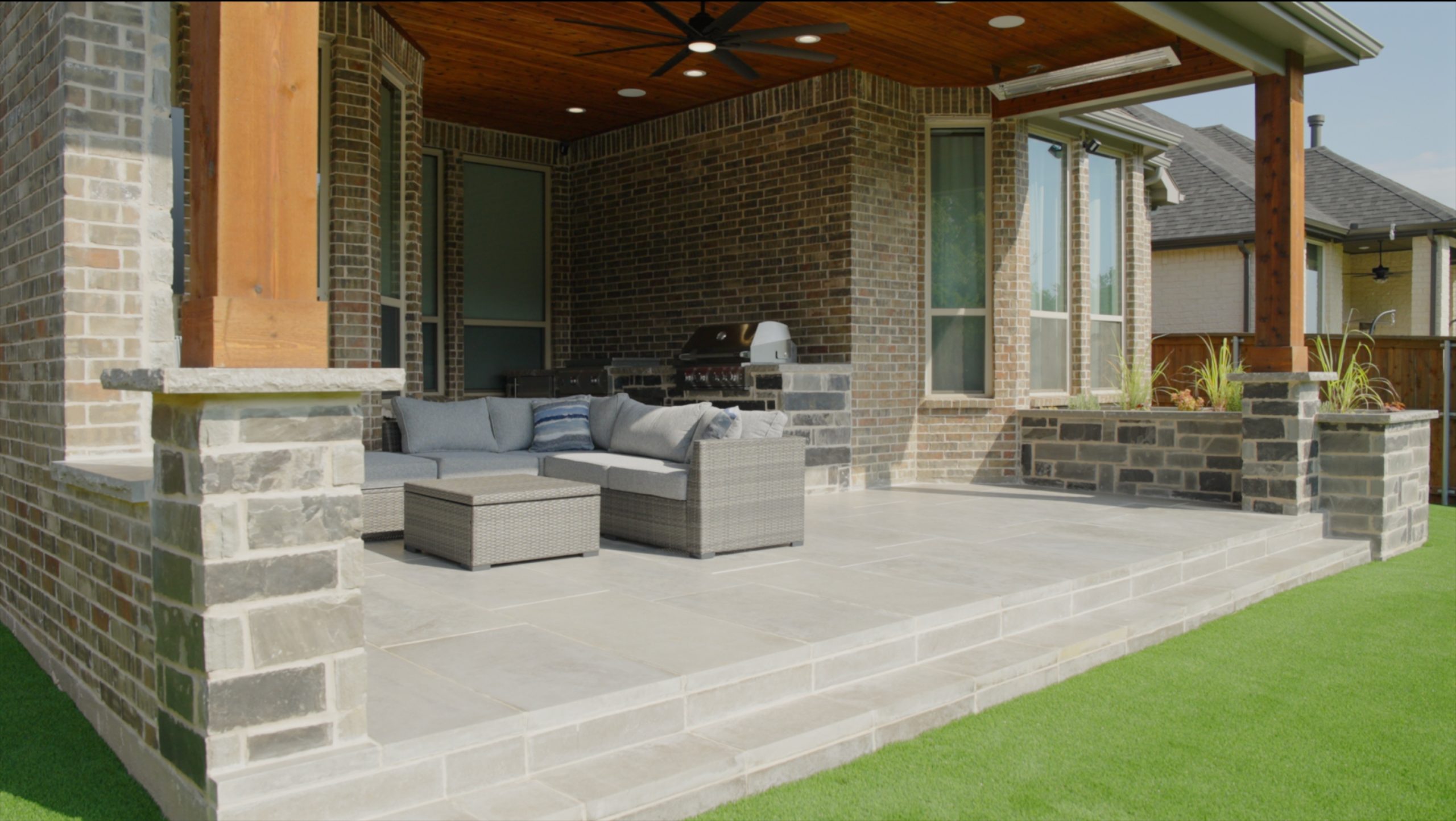
Quick Answer
If your patio feels slippery after rain, start with drainage and surface traction. Ask your patio builder how water is directed away from the entry and how the walking surface is finished for grip. In many cases, small changes like correcting slope, improving runoff paths, and selecting a less slippery finish make a noticeable difference. For safety, plan for consistent footing across the entire travel path from the door to seating areas, and confirm that any coatings or sealers used on concrete are compatible with outdoor traction.
What to Check First
If you want the fastest path to fewer slip risks, inspect the areas people actually walk. That usually means the main route from the door, the step or transition points, and any spots that hold puddles. Then narrow down whether the problem is coming from water pooling, surface smoothness, or uneven transitions.
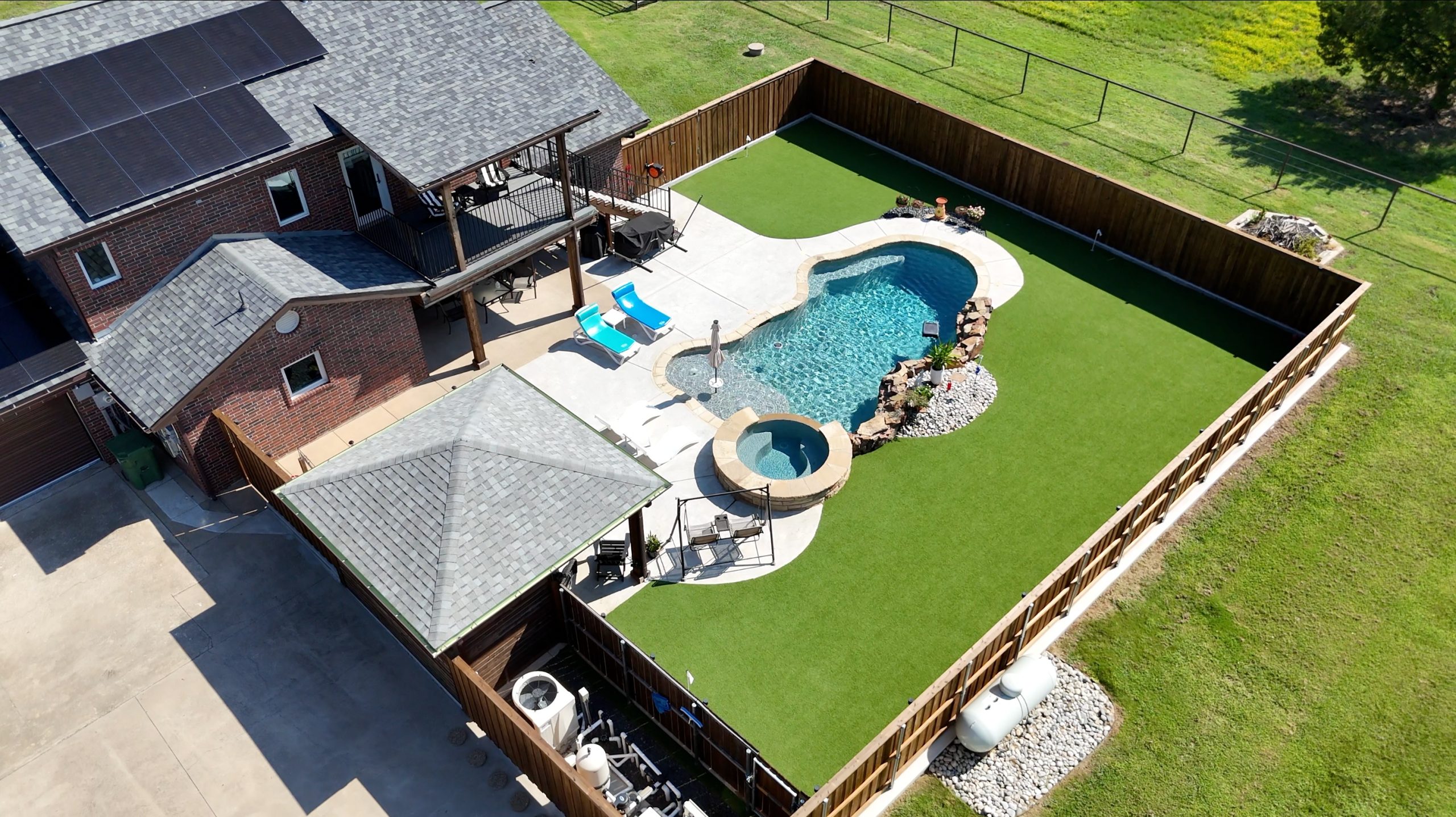
1) Look for water that lingers
After a rain, watch where the water goes. If it stays near the entry, you can end up with a “hidden slick” even when the rest of the yard looks dry.
2) Check for transitions and edges
Slip risk often spikes at changes in height or material. Uneven edges, loose coping, or misaligned borders can create catch points and slick spots.
3) Confirm traction on the walking surface
Some finishes feel great when dry but become slick when wet. If you have concrete, ask whether the finish and any sealers are designed for exterior traction.
Main Things Customers Should Understand
Slip prevention is not one single product choice. In practice, safety comes from a combination of correct water management, appropriate surface texture, and layout that keeps foot traffic predictable. When you plan the patio, your builder should think like a homeowner walking the route every day, including carrying groceries and moving between furniture.
Professional observation: Many slip complaints start as “it’s just a little slick,” but they usually point to water sitting on a smooth finish or a drainage path that misses the high-traffic route.
Drainage that protects the walking path
A patio should drain consistently away from doorways and travel lines. The builder may adjust the slope, direct runoff to safer areas, and plan how water leaves the surface.
Surface texture and slip resistance
For concrete patios, the finish you choose affects grip when wet. A surface that is too smooth can increase slip risk, especially in shaded or high-moisture spots.
Sealing and maintenance choices
Outdoor sealers can change how a surface behaves when it rains. If sealing is part of the plan, ask how it will affect traction and how it will be maintained over time.
In Sherman, TX, patios see a wide mix of warm temperatures and wet conditions. That combination makes it easy for water to collect in low areas, especially where furniture sits and people step repeatedly. The most effective patio builders treat traction and drainage as part of the same system, not separate tasks.
Quick safety tip: If you have a gate or walkway near the patio, make sure the path stays consistent. A slick patio combined with a narrow transition area can feel “fine” until someone steps at the wrong moment.
Why This Matters in Sherman, TX
In the Sherman area, homeowners often want outdoor living that works year-round. That means the patio is used during and after rain, not only on clear days. A slip-prone patio becomes a daily annoyance quickly, especially for families, guests, and anyone who uses mobility aids. When Lowery Fence & Patio plans outdoor spaces in Sherman, TX, we think about how people move across the yard and how fences and gates influence that flow.
Even though this article focuses on patio safety, your overall yard layout matters. If you are also improving access with a gate, it can change where foot traffic concentrates and where water tends to run. If you are considering gate upgrades, explore options like automatic gate installation and better driveway or backyard access planning.
| Patio factor | What to watch for | What a safer plan typically includes |
|---|---|---|
| Drainage direction | Puddles near doorways or seating edges | Slopes and runoff paths that move water away from the travel route |
| Surface finish | Smooth feel when wet | Exterior-appropriate texture and finish selection for better grip |
| Transitions | Raised borders, uneven step edges, misaligned materials | Consistent height and safe transitions that reduce catch points |
| Exterior coating/sealer | Water sheeting or “slick” behavior after treatment | Compatible products and a plan that prioritizes traction |
Want a safer patio route from the door?
Tell us what area feels slick after rain, and we will help you think through surface and layout decisions that can reduce slip risk around your Sherman, TX home.
Contact Lowery Fence & PatioCommon Mistakes to Avoid
Most slip issues come from planning choices that look acceptable on a dry day. If you are reviewing an existing patio or discussing a new patio build, avoid these common traps so safety is built in from the start.
- Ignoring drainage near the entry: If water collects by the door, the patio becomes a wet walkway when you least expect it.
- Choosing a finish that is too smooth: Some surfaces feel great in the showroom but become slippery when exposed to rain.
- Overlooking edges and transitions: A small height change can turn into a slip and trip risk, especially when carrying items.
- Sealing without discussing traction: Outdoor sealers can alter surface behavior. Ask how it will perform when wet.
- Designing without thinking about foot traffic: Furniture placement and the path from gate to door create “hot spots” for repeated steps.
Customer Checklist
Use this checklist when you walk your patio after rain or when you are planning your build. It keeps the conversation practical and helps your patio builder focus on the areas that affect safety most.
Use this as your walk-through prompt: Start at the door, move along the normal path to seating, and note where water collects, where the surface feels smoothest, and where transitions feel uneven.
- After rainfall, identify any puddles within the first 6 to 10 feet of the door and near the main seating area.
- Check whether water runs toward the walkway instead of away from it.
- Look for uneven edges, raised borders, or gaps at transitions.
- Test traction carefully when wet (slow steps, no running). Note any “skating” spots.
- If concrete is involved, ask how the surface finish and any stain or sealer plan will affect wet traction. For concrete-related finishing, you can also review concrete services.
- Confirm maintenance expectations so the safety plan stays effective over time.
Representative Scenario
A Sherman, TX homeowner noticed that the patio felt fine most of the day but got noticeably slick after thunderstorms. The patio’s lowest point was near the path from the door to the grill, where water pooled long enough to create a smooth, wet surface. The solution was not just “cleaning” or waiting for it to dry. The builder adjusted the drainage route and addressed the surface finish behavior so wet footing was safer along the same travel path the family used daily.
Frequently asked questions
Why does my patio feel more slippery after rain than when it is dry?
Wet surfaces can feel dramatically different, especially if the patio finish is smooth or if water pools in a low area. Slip risk often increases where people walk repeatedly, such as near the door or along the route to seating. A safer plan typically includes drainage correction and choosing exterior finishes that maintain traction when wet.
Can a patio builder fix slip risk without tearing everything out?
Sometimes slip issues can be reduced through targeted updates, such as correcting slope, improving how runoff leaves the patio, and adjusting transitions that create uneven steps. If the surface behavior is the main cause, finish changes or compatible exterior treatments may help. A site walk-through is the best way to determine what is realistic for your existing patio.
Does sealing or staining concrete make patio floors slick?
It can. Some sealers and finishes create a smoother surface when exposed to moisture, which increases slip risk. If sealing or stain is part of your patio plan, ask how it will perform in wet outdoor conditions and whether the approach prioritizes traction. If you are also considering decorative protection, you can review fence staining for how finish choices are handled in outdoor environments.
How do fences and gates affect patio safety?
Fences and gates influence where people walk and where foot traffic concentrates. If a gate routes movement through or near the slickest patio area, slip risk increases. When planning outdoor living, it helps to coordinate access paths with the patio layout so the safest route matches how your household and guests actually move.
What should I pay attention to around steps or transitions?
Transitions are common trouble spots because they can create catch points and uneven footing. Look for raised edges, misaligned materials, or areas where water collects along the boundary. A safer patio design keeps transitions consistent and ensures water does not run into the area where people step most often.
Ready to reduce slip risk on your Sherman, TX patio?
Lowery Fence & Patio can help you plan outdoor living with safer movement in mind, from the door route to how the yard is accessed.
Call 903-833-3623
About Lowery Fence & Patio
Lowery Fence & Patio provides fencing and outdoor living solutions for Sherman, TX homeowners and businesses, including residential and commercial fencing and outdoor upgrades that support safer, more functional spaces.