
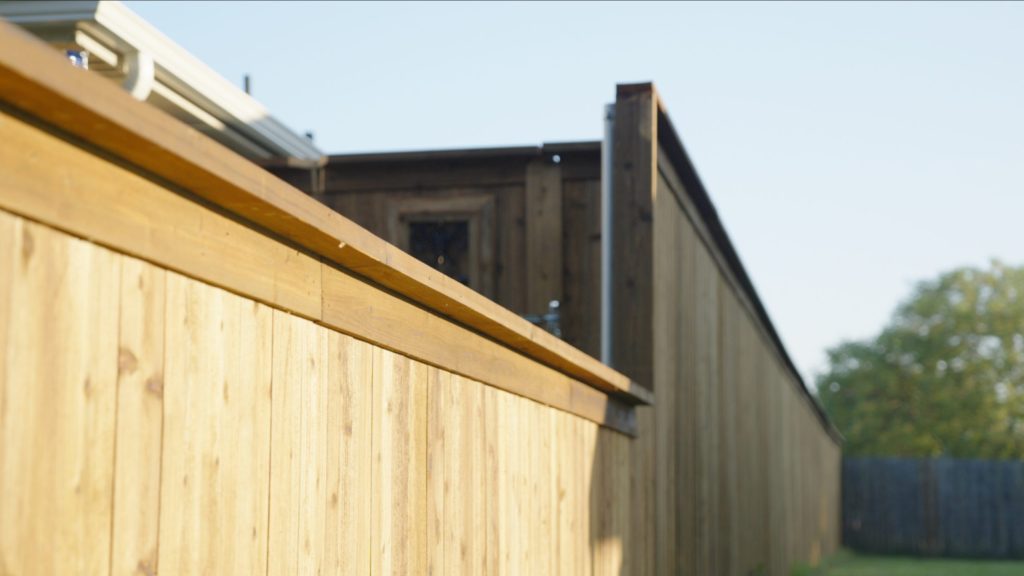
Fence Maintenance Tips for Longevity and Strong Performance
If you have a fence around your Sherman, TX property, you might have noticed it slowly changing after heavy rain, hot summer sun, or seasonal freeze-thaw. A gate that drags, a fence line that looks “wavy,” or boards that start to cup can all start small and turn into bigger repairs.
A fence is built to protect your space, define boundaries, and keep daily life running smoothly. But maintenance is what keeps everything performing the way it was meant to, especially for gates, posts, and fence materials that face Oklahoma and Texas-style weather swings.
This guide breaks down practical, material-aware maintenance steps you can do yourself, plus the signs that suggest it is time to call a fence contractor. You will also find a simple local checklist for Sherman, TX homeowners and property managers.
- Quick answer
- What to check first
- Main things customers should understand
- Why this matters in Sherman, TX
- Common mistakes to avoid
- Customer checklist
- Frequently asked questions
Quick Answer
For long-lasting fence performance, start by keeping water away from critical parts: clean debris, check posts and gate hardware for movement, and address staining or sealing needs on wood before the finish breaks down. For chain link and metal, focus on rust spots, fastener tightness, and fence line tension. For gates, test swing and latch alignment so you do not stress hinges and posts. If you see leaning, repeated sagging, or hardware that keeps failing, schedule an inspection so repairs happen before the damage spreads. When you maintain the structure and the finish together, your fence usually performs better for longer.
What to Check First
Before you buy cleaners or start scrubbing, walk the fence line with a simple “function first” mindset. Look for the parts that move or hold loads: gate hinges, latch points, post bases, and any areas where the fence seems to dip. In Sherman, TX, small shifts can show up after wet stretches, and fixing those early prevents the fence from fighting the same problem all season.
Professional observation: If a gate drags or the latch does not line up, do not just adjust the latch. Misalignment often points to post movement or hinge wear, and that is what causes repeated failure.
Main Things Customers Should Understand
Different materials need different care. A maintenance routine that works for wood will not protect metal the same way, and a chain link fence needs attention in different spots than a privacy fence made from boards. Below is a practical breakdown based on the most common fence types customers have in Sherman and across North Texas neighborhoods.
Wood fencing: finish and fasteners
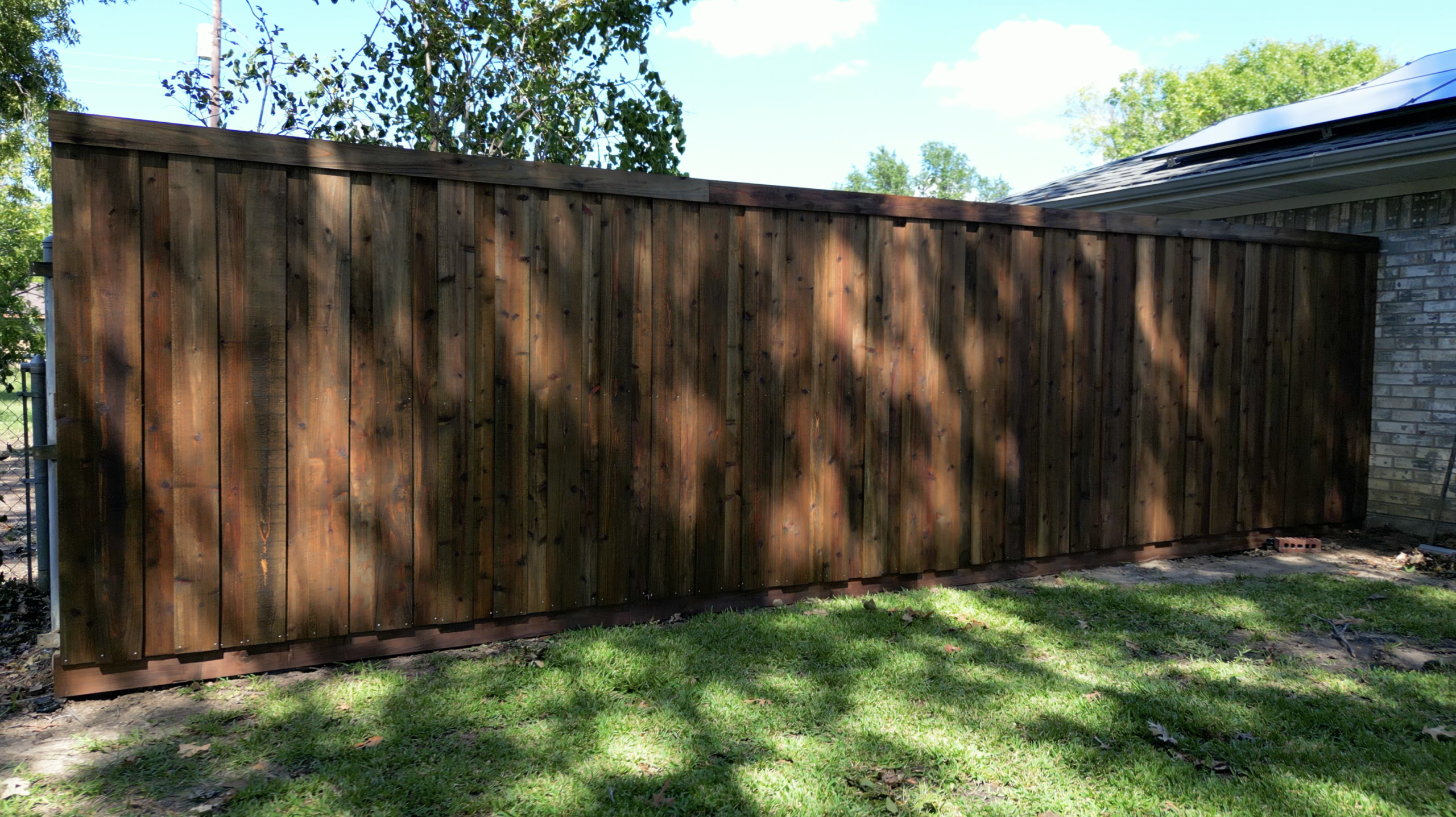
Wood fence performance depends on the finish and on how the boards stay secured. Check for flaking stain, soft spots, and gaps where water can sit. Tighten or replace loose hardware, and pay attention to fence sections near sprinkler lines or areas that stay damp longer after rain.
Chain link: tension, rust, and coatings
For chain link fence longevity, focus on rust progression and the fence’s ability to stay straight. Look at tension points and any areas where the mesh sags. If you spot corrosion at posts or fittings, addressing it early helps prevent larger repair work later.
Gates: alignment beats “forcing it”
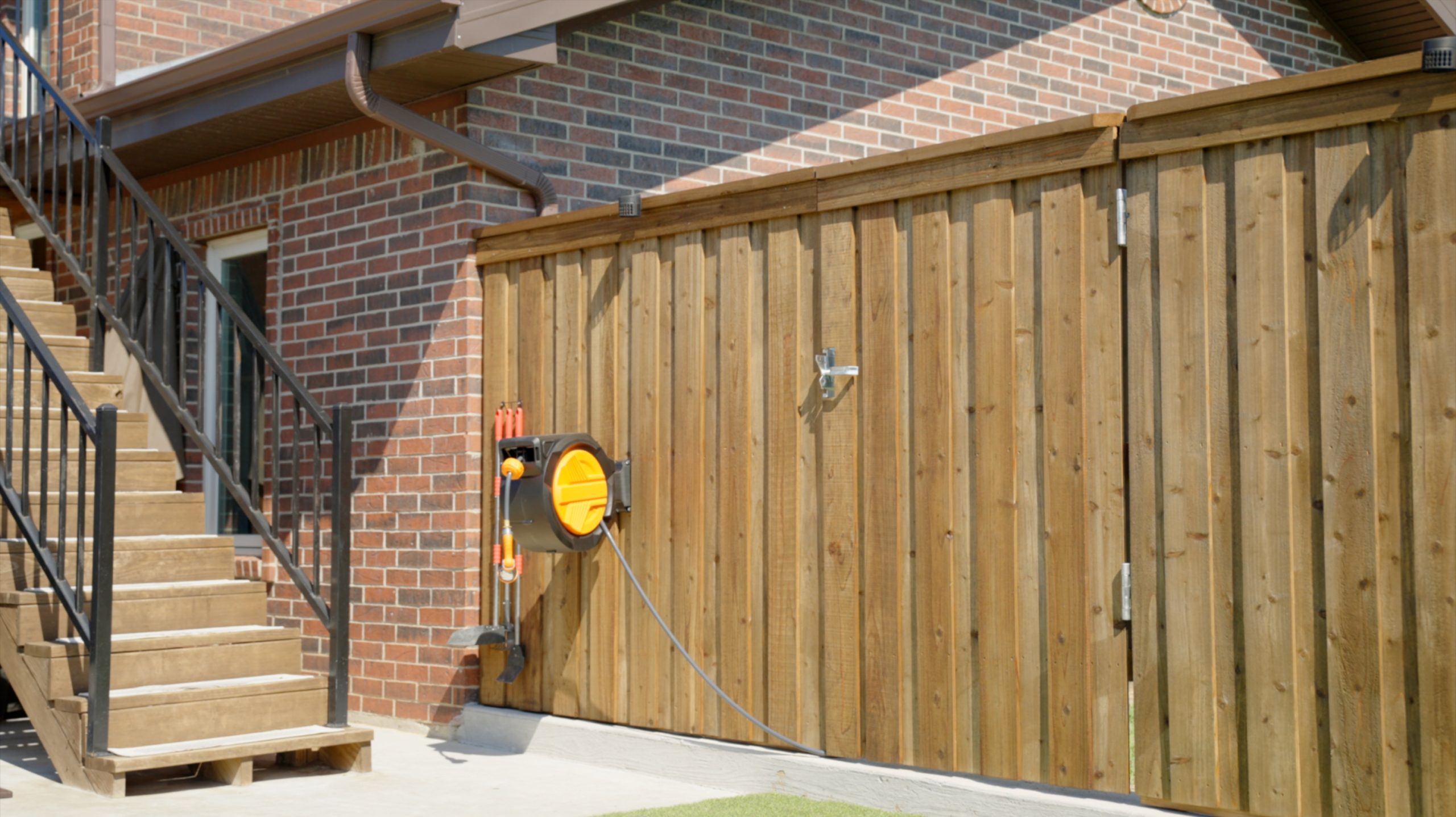
Gate problems usually start with alignment. If you have to lift, pull hard, or push to make it latch, that is a maintenance signal. Over time, stress can loosen hinges and stress posts, especially for driveway and access points.
Hands-on tip: When you inspect, open and close the gate gently several times. Listen for grinding or rubbing, and watch how the latch meets the post. Small changes in travel can tell you if the hardware is wearing or if the post has shifted.
| Fence type | What to check | What “good maintenance” looks like |
|---|---|---|
| Wood fencing | Finish condition, loose boards, water exposure points | Stain remains intact, boards feel solid, and water does not pool at fence feet |
| Chain link fencing | Rust spots, fittings, tension and sagging | Fence line stays straight, rust is limited, and mesh does not droop |
| Wrought iron and ornamental iron | Coatings, rust around joints, gate hardware | Paint or protective finish stays even and hardware operates smoothly |
| Commercial fencing | Access points, gate operation, fasteners under heavy use | Gates open freely, latches line up, and the fence maintains its intended layout |
| Temporary fencing and panels | Panel stability, connections, and safe placement | Panels stay secure without excessive movement during wind or foot traffic |
Why This Matters in Sherman, TX
In Sherman, TX, outdoor surfaces can swing between hot sun and heavy rainfall, which puts stress on fence posts, gate hardware, and wood finishes. That is why “finish-only” maintenance often falls short. If posts move slightly after wet weather and the gate does not stay aligned, you can end up with repeating problems even if the fence looks clean.
Local focus: When you maintain fence lines around driveways and access areas, you reduce the chance of gates dragging after rain and you keep day-to-day entry consistent for your home or business.
Common Mistakes to Avoid
Even careful homeowners can accidentally make fence problems worse. These are the most common mistakes we see during inspections and service calls in the Sherman area.
- Ignoring gate alignment: If a gate does not latch smoothly, forcing it can loosen hinges and widen gaps.
- Cleaning without inspecting: Scrubbing can remove visible dirt, but it can also hide early signs of rust, rot, or loose hardware.
- Waiting for finish failure on wood: When stain breaks down completely, water intrusion accelerates and repairs become more extensive.
- Over-tightening everything: Tightening screws and fittings can help, but overtightening can damage wood or deform metal components.
- Assuming sagging is cosmetic: A fence line that dips often reflects post or base movement, which needs attention for safety and performance.
Customer Checklist
Use this quick routine to keep your fence performing well. It is designed for practical, repeatable maintenance that fits into a homeowner schedule.
- Walk the perimeter and note any leaning sections, sagging mesh, or boards that look warped.
- Test every gate by opening and closing it gently; watch latch alignment and listen for rubbing.
- Check post areas for looseness at the base and look for signs of water pooling near fence feet.
- Inspect fasteners and hinges for rust, stripped screws, or hardware that feels loose.
- Clean debris from fence lines so moisture does not sit against materials.
- Plan finishing work on schedule for wood fence stain and seal needs before the finish fully breaks down.
Representative Scenario
A family in Sherman noticed their driveway gate started to drag after heavy rain. At first, they tried small latch adjustments, but the gate continued to rub and the hinges felt looser each week. On inspection, the fence posts had shifted slightly and the hinge alignment was no longer matching the latch point. Once the gate alignment and supporting hardware were corrected, the gate stopped fighting gravity and the problem did not keep repeating.
Frequently Asked Questions
Here are answers to common fence maintenance questions we hear from homeowners and property managers in Sherman, TX.
How often should I inspect my fence and gate?
A practical approach is to do a quick check a few times per year and after major weather events. Focus on gate operation, latch alignment, and any fence sections that appear to dip. If you have a high-traffic driveway gate or a fence that sees frequent contact from landscaping equipment, inspect more often. Early checks help you catch post movement, loose hardware, or finish breakdown before it becomes a larger repair.
What is the best way to maintain a wood fence in Texas weather?
For wood fencing, the finish is your first line of defense. Look for flaking stain, discoloration, or areas where water seems to sit longer after rain. Clean debris and keep moisture from pooling at the base. When the finish starts to fail, plan staining or sealing so you do not allow water intrusion to accelerate. If boards are already soft or warped, maintenance may not be enough and repair or replacement may be required.
Can I fix a sagging chain link fence myself?
Small issues can sometimes be improved with basic checks, but sagging often points to post or tension problems. If the fence line has shifted or the mesh is drooping in a way that keeps returning, it is safer to have it evaluated. Correct repairs depend on what is causing the sag, such as tension points, fittings, or post movement. Addressing the cause helps prevent repeated damage.
Why does my gate keep going out of alignment?
Gate misalignment usually comes from supporting components. Common causes include hinge wear, loose hardware, or post movement after wet weather. If the latch and strike point do not meet consistently, do not keep adjusting the latch alone. The goal is to restore proper alignment between the gate frame, hinges, and the fence posts so the gate can operate smoothly over time.
Should I clean my fence before staining or repairs?
Yes, cleaning is typically part of preparing for staining or maintenance work, but it should not replace inspection. Remove debris and check for early signs of finish failure, rust, or rot before you proceed. For wood fences, stain readiness depends on the condition of the surface and how well it will accept the finish. If you are unsure whether the damage is surface-level or structural, an inspection can prevent wasted work.
Need help keeping your fence performing in Sherman?
If you are seeing gate drag, sagging sections, or finish breakdown, Lowery Fence & Patio can help you identify what is causing the issue and what maintenance or repair will restore strong performance.
Contact Lowery Fence & PatioFinal CTA
When maintenance is handled early, your fence tends to look better and work the way you expect. If your fence in Sherman, TX or nearby Collin, Grayson, Cooke, or Fannin counties is showing signs of wear, reach out to talk through your material type and what you are seeing at the gate and fence line.
Schedule a fence inspection
Call Lowery Fence & Patio to discuss fence repair services and maintenance needs for your property.
Call 903-833-3623
About Lowery Fence & Patio
Lowery Fence & Patio is a fencing and outdoor living company serving Sherman, TX and nearby areas in Collin County, Grayson County, Cooke County, and Fannin County. The team supports residential and commercial fencing needs, including fencing installation, gate solutions, chain link fencing, wood fencing, and outdoor upgrades like custom patio covers and concrete services.