
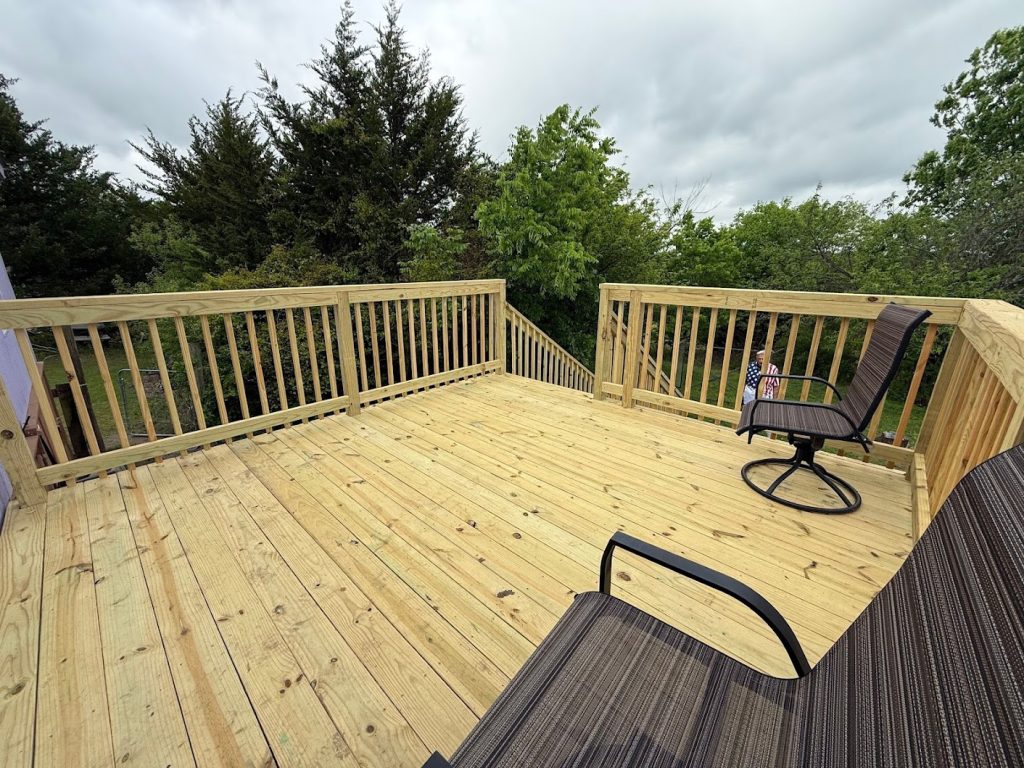
Warning Signs Your Deck Needs Professional Installation
If your deck feels “off” or you notice small problems starting to stack up, it is usually not something you want to ignore. In Sherman, TX, where weather swings can put stress on outdoor structures, the safest move is to spot trouble early and address installation and support issues before they turn into safety risks.
A deck that was “fine last summer” can start to wobble after rain, heat, and freeze-thaw cycles. Maybe a board squeaks more than it used to, the railing feels less solid, or you see gaps around posts. You might even notice water pooling near the ledger area.
When those symptoms show up, the question is not just whether the deck needs a repair. It is whether the original installation approach left vulnerabilities that professional deck building and outdoor framing can correct.
This guide will help you recognize the warning signs that point to installation problems, what to check first, and when to bring in Lowery Fence & Patio for a safer, longer-lasting outdoor setup in Sherman, Texas.
- Quick answer
- What to check first
- Main things customers should understand
- Why this matters in Sherman, TX
- Common mistakes to avoid
- Customer checklist
- Frequently asked questions
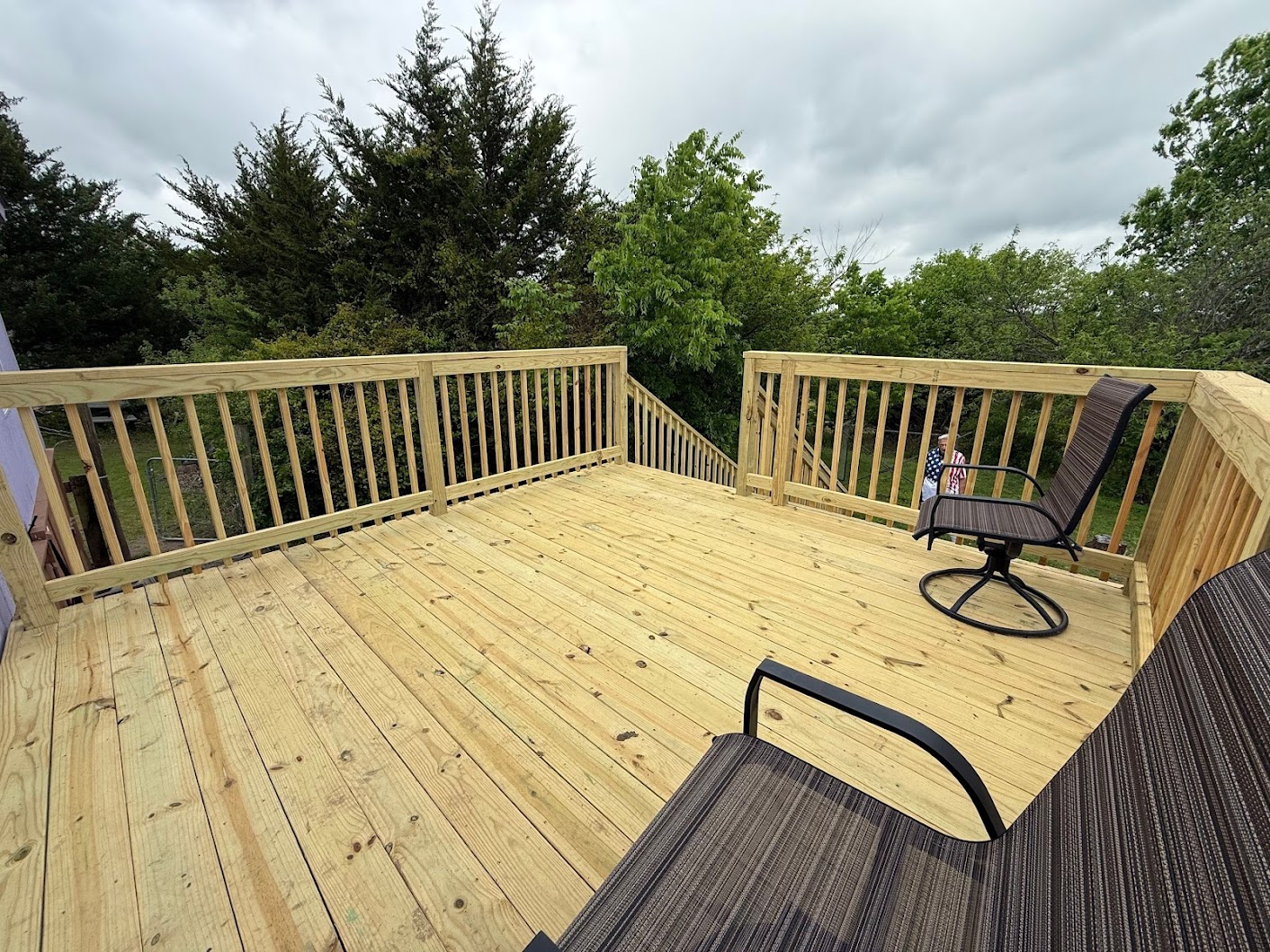
Quick Answer
If your deck shows noticeable movement, water-related damage near the house, loose or misaligned railing, or sagging/uneven boards, it is a strong sign the deck may have been installed without the right support and layout. Start by checking for wobble at joists and rail posts, then look for moisture or fasteners that have loosened. In Sherman, TX, addressing these early is the safer path because outdoor structures expand and contract. A practical next step is to have a professional evaluate the deck building and connections, and align the deck and any fence or gate system around it.
What to Check First
Before you spend money on materials, do a careful, low-risk inspection. You are looking for patterns that suggest the structure is not holding position, not just cosmetic wear. If you feel unstable footing or see significant separation from the house, stop using the deck and get a professional look.
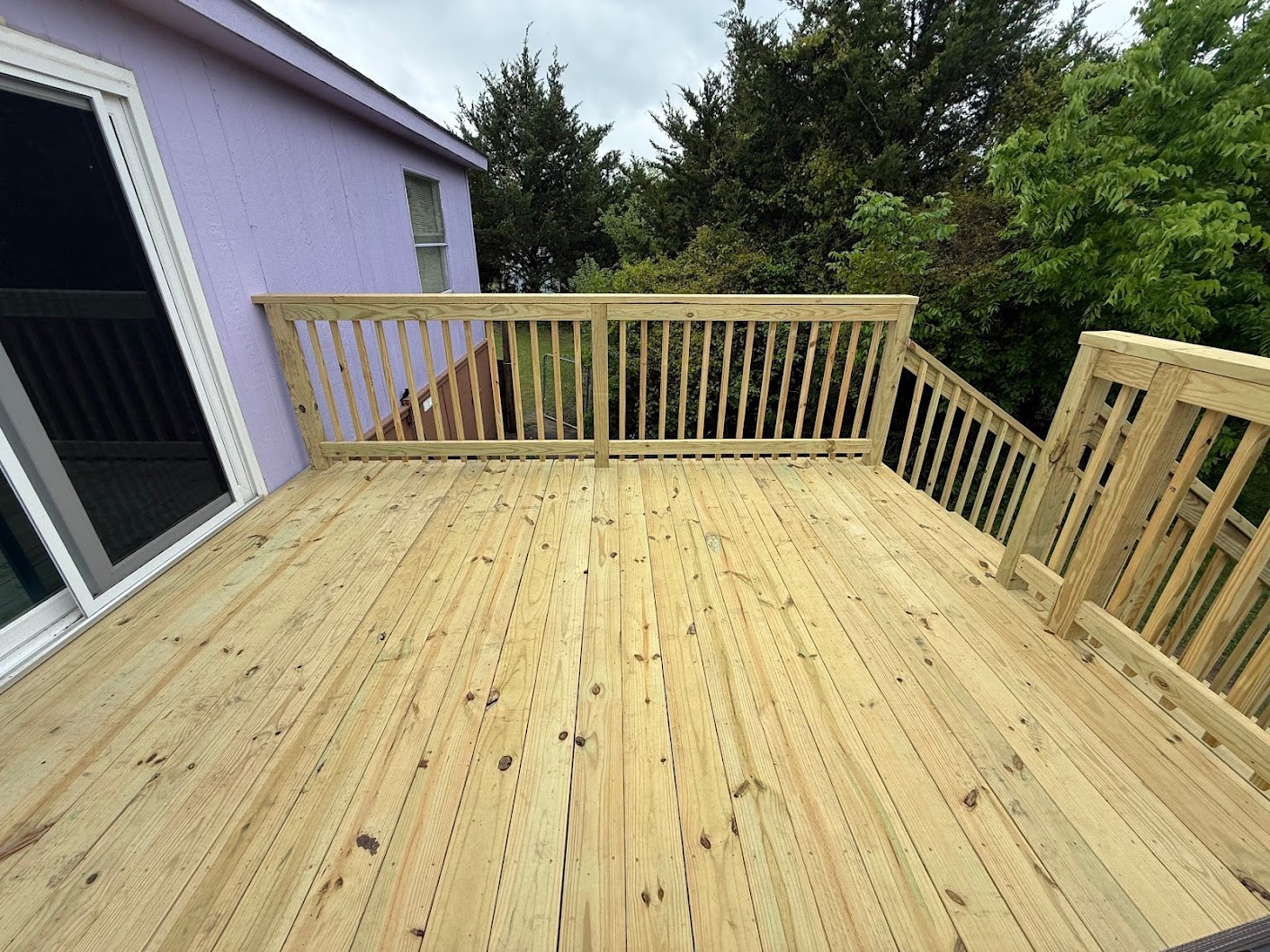
- Movement: Walk near rail posts and along the perimeter. If you feel bounce, sway, or “give” that is worse in one area, installation support may be the issue.
- Railing stability: Try gentle pressure on handrails and balusters. If they shift, you may have a connection problem that affects safety.
- Uneven or sagging boards: Look for dips that appear repeatedly in the same spots. Uneven load distribution often comes from framing or spacing.
- Water signs: Check for dark staining, soft wood, rusted fasteners, or gaps where water can collect near where the deck meets the house.
- Fastener issues: Look for popped screws or nails, raised boards, or repeated squeaking that suggests movement at joints.
Main Things Customers Should Understand
Deck problems usually do not start as “one big failure.” They start as small installation weaknesses that outdoor conditions expose over time. In practice, the most common warning signs tie back to structural connections, correct spacing, and drainage-aware setup.
Professional observation: Many deck issues we see are not about replacing one board. They are about whether the deck framing and attachment points are doing their job under real outdoor loads.
1) The deck flexes when you shift your weight
Any deck that feels noticeably springy can indicate framing spacing or support that is not holding loads the way it should. Even if the surface looks fine, the under-structure is what determines how the deck behaves when people walk, move furniture, or host gatherings.
2) Rail posts are loose or not aligned
Railing stability is a safety feature, not a finishing detail. If posts wobble or the railing looks slightly out of plumb, the deck may not have a solid anchor plan or the connections may not be transferring load correctly.
3) Water collects along the house-side area
Pooling water near the ledger area or trapped moisture around joints can accelerate deterioration. In humid or stormy periods, deck components can loosen when wood swells and fasteners lose grip. This is also where you may notice staining, soft spots, or recurring squeaks.
4) Boards show uneven wear patterns
If certain boards always look wetter, darker, or more worn than others, it can indicate drainage and spacing issues. Over time, uneven wear can also change how loads distribute across the deck surface.
Deck building support
For homeowners planning updates, professional deck building helps ensure the structure is set up to perform outdoors in Sherman, TX.
Pair decks with the right enclosure
If you are improving safety around your outdoor space, matching rail and fence planning can make the whole setup feel more secure.
Consider access control near the deck
Deck and gate planning often go together. If you have a driveway gate or entry point, access control helps you manage movement more safely.
Why This Matters in Sherman, TX
Sherman, TX homeowners deal with a mix of hot stretches and cooler periods, and rain can quickly reveal weak spots in outdoor construction. When a deck is installed without a drainage-aware approach or with connections that do not hold steady, moisture and temperature swings can magnify movement and loosen fasteners. That is when small installation issues become safety concerns.
Lowery Fence & Patio works across Sherman and nearby areas including Collin County, Grayson County, Cooke County, and Fannin County. That local experience matters because outdoor living setups are rarely “just a deck.” They often connect to fencing, gates, and outdoor living features, and those surrounding elements should be considered during installation and repair planning.
| What you notice | Likely installation concern | Best next step |
|---|---|---|
| Deck surface feels bouncy or uneven | Framing and support distribution may not be holding loads consistently | Have a professional inspect deck framing and connections |
| Railing wobbles at the posts | Post anchoring and load transfer may be inconsistent | Stop using the railing area and request an on-site evaluation |
| Staining or soft wood near house-side joints | Moisture management and joint durability may be compromised | Inspect for moisture sources and address installation details |
| Recurring squeaks in one section | Movement at joints or fasteners that have loosened | Identify the source point and correct the underlying connection |
Get a practical safety-focused deck and outdoor evaluation
If you are seeing movement, railing instability, or moisture signs, reach out so we can review what is happening and recommend the right next step for your outdoor space in Sherman, TX.
Contact Lowery Fence & PatioCommon Mistakes to Avoid
Some deck issues are tempting to “patch” because the surface problem looks small. The problem is that deck movement and moisture often come from the structure underneath. Fixing only the visible part can leave the original cause in place.
Common mistake: Replacing a single board while ignoring joist movement or railing instability. If the deck flexes, the new board can fail sooner, and the safety concern remains.
Replacing boards without checking the underlying cause
If the deck surface squeaks or dips in a consistent area, the framing and support system is likely the real issue. Surface replacement alone may not correct load paths or movement.
Ignoring moisture signs near the house
Staining, softness, or repeated wetness near joints can mean trapped water or connection weaknesses. Addressing the deck installation details is usually more effective than treating symptoms.
Trying to tighten everything without inspecting connections
Fasteners can loosen because the structure shifts. Tightening can temporarily improve feel, but if the deck is unstable, the problem often returns.
Forgetting how fences and gates interact with the deck area
Many homeowners build a deck, then add or replace fencing later. If the deck and fence lines do not match properly, you can end up with alignment issues around gates, posts, and access points. Planning the enclosure early can reduce future adjustments.
Customer Checklist
Use this quick checklist to decide whether you should schedule a professional inspection. If you answer “yes” to multiple items, it is a good sign the deck may need professional installation review or corrective work.
- Safety: Do you feel wobble when standing near rail posts or deck edges?
- Structure: Do boards look uneven, dipped, or consistently worn in one area?
- Moisture: Do you see staining, rusting, or soft spots after rain?
- Connections: Have you noticed repeated squeaks, gaps, or loose fasteners?
- Overall plan: Are you also planning fencing, gates, or privacy upgrades near the deck?
Representative scenario
A Sherman-area homeowner added outdoor seating to a deck and soon noticed the railing felt less solid after storms. They also saw dark staining near the house-side area and a squeak that started in the same section each time they used the deck. Instead of replacing boards one at a time, they scheduled an evaluation. The inspection focused on the deck building setup and the connection points that were allowing movement and moisture exposure, which helped clarify what needed corrective attention for safer day-to-day use.
Frequently asked questions
How can I tell if my deck problem is just cosmetic or installation-related?
If the issue repeats in the same spots, causes movement or squeaking, or gets worse after rain, it is usually more than surface wear. Cosmetic problems do not typically change how the deck feels underfoot. Pay attention to patterns: loose rail posts, uneven boards, and moisture near house-side joints point to installation and support concerns that should be inspected.
When should I stop using my deck?
Stop using the deck if you feel unstable footing, significant railing wobble, or visible separation that makes you concerned about structural integrity. If you notice soft wood, major fastener issues, or repeated movement that does not improve, it is safer to limit access until a professional evaluation confirms what is causing the behavior.
Can a fence or gate be the reason my deck feels unsafe?
In some setups, fencing and gate posts share nearby structural lines or anchoring points that affect how the overall area behaves. If gate hardware or nearby posts are misaligned, it can create uneven loading or force adjustments around the deck boundary. A professional can review the deck and the surrounding enclosure plan to confirm everything is working together safely.
Is deck staining or fence stain enough if I see moisture?
Stain can help with surface protection, but it does not fix underlying installation issues like moisture trapped at joints, improper drainage-aware setup, or connection weaknesses. If you have staining plus movement, the safer approach is to identify why water is collecting or why components are shifting, then address the root cause.
Do you also help with fencing upgrades around an existing deck?
Yes. Many homeowners use deck projects as the starting point for broader outdoor living improvements. Lowery Fence & Patio can help with residential fencing and related outdoor access planning so the deck area and enclosure look consistent and function safely together. If you are considering privacy fence installation or other backyard fencing options, we can help you plan the next steps.
Ready to make your outdoor space safer?
If you are dealing with deck movement, railing instability, or moisture signs in Sherman, TX, Lowery Fence & Patio can help you evaluate what is going on and plan a practical path forward.
Call 903-833-3623
About Lowery Fence & Patio
Lowery Fence & Patio is a fencing and outdoor living company serving Sherman, TX and nearby areas including Collin County, Grayson County, Cooke County, and Fannin County. From residential and commercial fencing to deck building support and outdoor upgrades, we focus on practical, safety-minded installation planning for customers across North Texas.