
How Often Should Fences Be Reinstalled or Repaired?
If you have a fence in Sherman, TX, you have probably seen the same pattern: a small issue turns into a noticeable problem after the next storm, season change, or heavy use. This guide helps you decide whether your fence needs repairs, a partial replacement, or full reinstallation, based on what you can actually observe.
A fence protects property lines, supports privacy, and helps keep pets and people where you want them. But fences also take a beating from wind, rain, sun exposure, and everyday impacts like gates being opened and closed.
Lowery Fence & Patio focuses on practical fence repair, fence installation, and outdoor living solutions across North Texas. Below, you will learn what typically signals repair versus reinstallation, what to check first, and a simple maintenance approach that works for residential and commercial properties in Sherman, TX.
- Quick answer
- What to check first
- Main things customers should understand
- Why this matters in Sherman, TX
- Common mistakes to avoid
- Customer checklist
- Frequently asked questions
Quick Answer
Most fences do not need full reinstallation on a fixed schedule. In practice, you repair when you notice loose posts, damaged pickets or panels, failing gate hardware, or visible corrosion. You consider reinstallation when the fence structure is unstable across multiple sections, the posts are compromised below the fence line, or repeated repairs keep coming back. A good rule for homeowners and managers in Sherman, TX is to do a visual check at least a few times per year and address small issues early so repairs do not turn into structural replacement.
What to Check First
If you want the fastest path to the right decision, start with the “support system,” not the surface. Walk the line and check posts, rails, and gate operation before you focus on aesthetics. A fence can look fine from the street and still be failing where you cannot easily see it.
- Look for leaning posts, gaps widening between sections, or rails that are sagging.
- Check gates for uneven closing, rubbing, or latch alignment problems.
- Inspect fasteners and brackets: missing, rusted-through, or pulled out hardware is a repair signal.
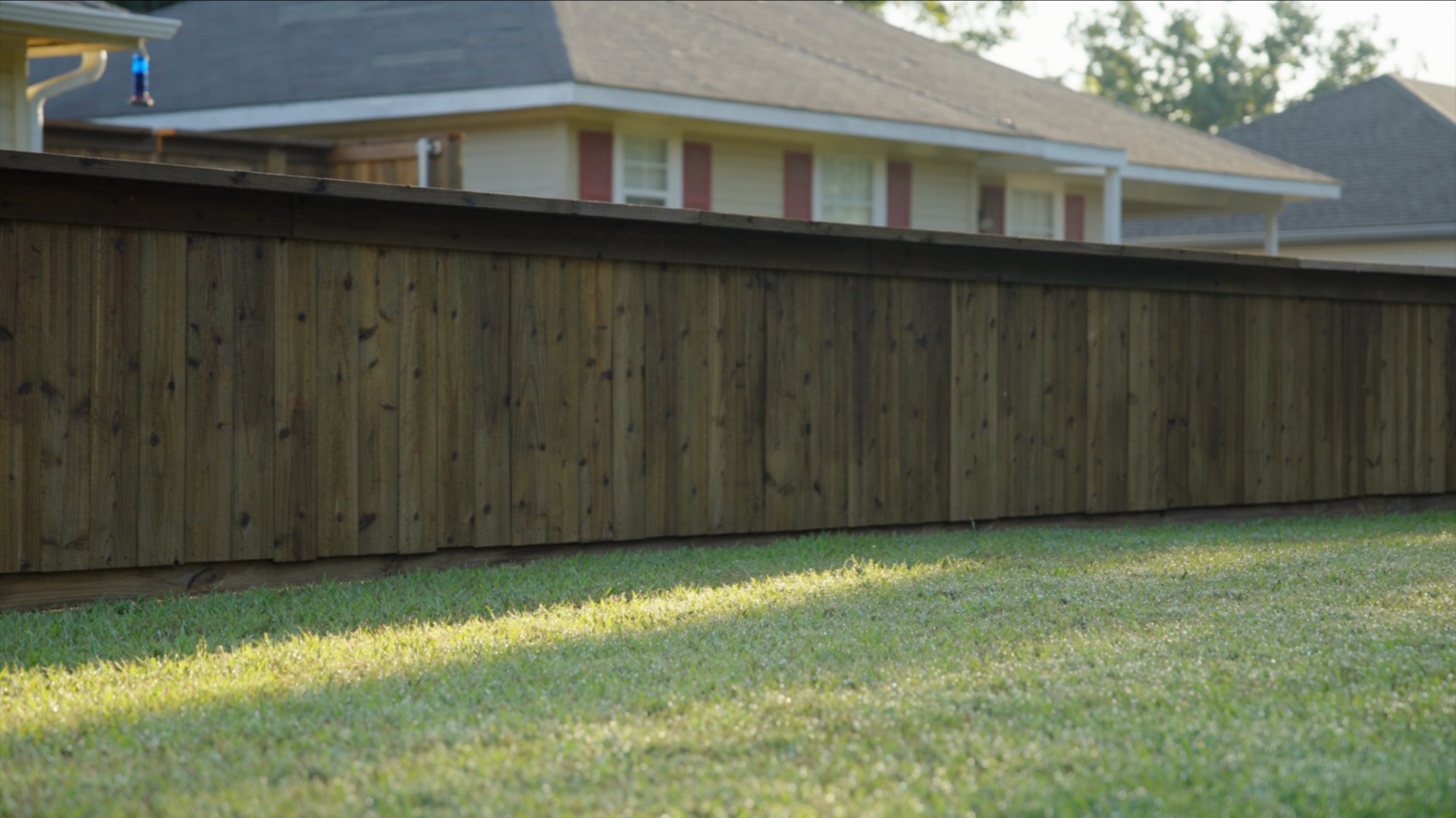
- For wood fences, watch for soft boards, splitting, and areas where finish has worn off.
- For chain link, look for damaged fabric sections, broken ties, and corrosion at connection points.
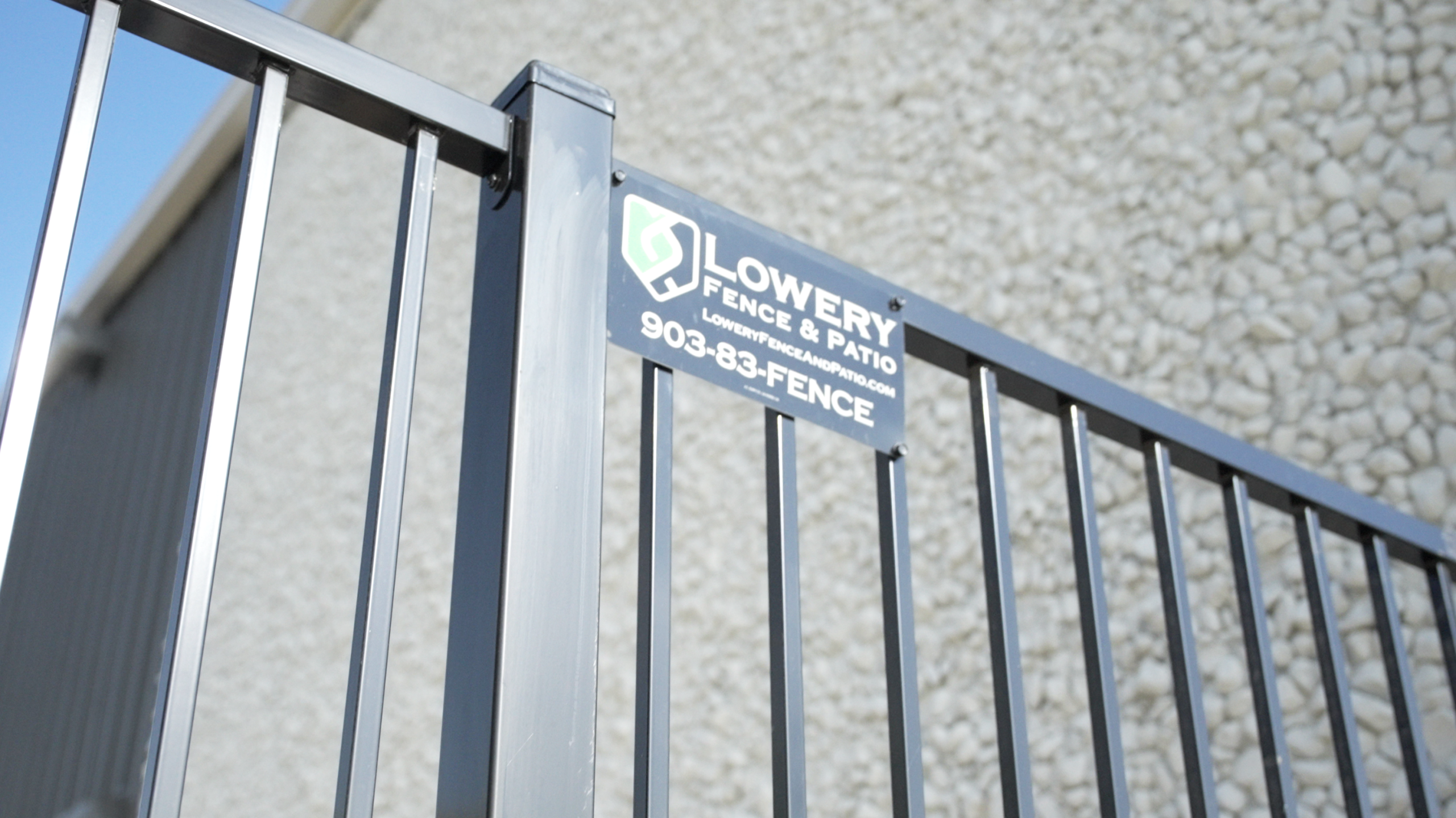
- For wrought iron, check for rust at joints and the base area where moisture collects.
Residential fencing
When you are protecting privacy or defining property boundaries, small repairs can restore function without replacing everything. Review residential fencing options for common layout and material considerations.
Fence stain and sealing
Wood performance depends heavily on finish. If you are seeing early wear, explore fence stain and maintenance guidance that helps extend the life of wooden fence installation.
Chain link repairs
If your fence still holds shape but has localized damage, repairs are often the most practical move. Check chain link fence solutions to understand typical repair areas.
Main Things Customers Should Understand
In my experience working on fences around Sherman, TX, the deciding factor is usually whether the fence is still structurally “holding itself up.” Surface damage can often be fixed. Structural movement usually needs more than a quick patch, because the underlying support has changed.
Professional observation: If multiple sections are sagging, posts are loosening, or gate alignment keeps drifting, the fence is telling you it needs a larger plan, not repeated small fixes.
Repair signals (often localized)
These are common signs that repairs may solve the problem without full reinstallation:
- One or two panels are damaged or missing, while neighboring sections remain straight.
- Hardware failures are limited to a gate or a short section.
- Corrosion is present but not widespread, and posts are still solid.
- Wood boards are split or worn, but the rails and posts are stable.
Reinstallation signals (structural or widespread)
Consider reinstallation when the fence’s stability is compromised across multiple areas:
- Leaning posts are recurring along a run, not just at one impact point.
- Rails are repeatedly coming loose, even after hardware replacement.
- Gate issues are caused by misalignment from shifting supports.
- Material damage is widespread, such as extensive rot or fabric failure across long sections.
| Fence condition you notice | What it often means | Typical next step |
|---|---|---|
| One damaged panel or broken picket section | Localized impact or wear | Repair or replace affected section |
| Leaning posts or widening gaps along several sections | Support shift or instability | Plan for larger repair scope or reinstallation |
| Gate won’t latch consistently or drags on the ground | Hardware wear or gate alignment issues | Repair gate hardware and address alignment |
| Rust at joints plus loosening connections | Connection failure risk | Repair connections or replace affected sections |
| Repeated repairs needed within a short time | Underlying structural problem | Reassess stability and consider reinstallation |
Why This Matters in Sherman, TX
Sherman properties see a mix of sun exposure and wet weather, and fences can react quickly when wind and storms push on panels and gates. That is why the “small issue” approach works best only when the underlying posts and rails are still solid. If supports are shifting, the fence will keep fighting gravity and weather until it is addressed correctly.
Local planning tip: If you are scheduling outdoor work around seasonal changes, it is often easier to handle repairs before issues spread across multiple fence runs in Collin County, Grayson County, Cooke County, and Fannin County.
Firsthand-style field observation
When I walk a property, I often see the same pattern: the fence line is still “standing,” but the gate area is where the real story shows up first. Latch alignment and hinge wear can reveal whether the fence frame is moving. Fixing the gate without checking the posts and rails can lead to the same problem returning.
Access control and gates
If you are dealing with driveway gate installation or automatic gate installation, timing matters. When the fence structure is off, gate hardware cannot perform as intended. For gate-focused projects, see Lowery Fence & Patio gates.
Outdoor living integration
Fences often connect with patios, decks, and outdoor living spaces. If you are updating your yard, it can make sense to plan fence repairs alongside related projects like custom patio covers so the layout stays clean and functional.
Material-specific planning
Different materials fail differently. If you are evaluating wood fence installation, it helps to understand how finish maintenance and board condition affect lifespan. For wood-focused guidance, explore wood fence options.
Need help deciding repair vs. reinstallation?
For Sherman, TX properties, a quick on-site inspection can clarify what is worth repairing now and what should be addressed as a bigger project. Call Lowery Fence & Patio at 903-833-3623.
Contact Lowery Fence & PatioCommon Mistakes to Avoid
Most fence problems worsen because the fix addresses the visible symptom, not the cause. Here are a few mistakes I see homeowners and property managers make, especially after storms or heavy seasonal use in Sherman, TX.
- Replacing boards without checking rails and posts. If the support shifts, new boards will fail again.
- Ignoring gate alignment. A misaligned gate is often the first sign the structure is moving.
- Waiting for “complete failure.” Small localized damage is usually easier and more cost-effective than rebuilding an entire run.
- Assuming rust means only cosmetic issues. Rust at joints and connections can indicate structural risk.
- Making temporary fixes that hide the real problem. Fasteners that keep loosening usually point to movement or degraded support.
Customer Checklist
Use this short checklist to decide what to do next. If you can answer these questions, you will have a clearer picture of whether you are looking at repair work or a larger reinstallation plan for your Sherman, TX property.
- Are any posts leaning or visibly shifting compared to last season?
- Do multiple sections show sagging rails or widening gaps?
- Does your gate close and latch smoothly without forcing it?
- Is the damage limited to one area, or is it spreading along the fence line?
- Have you already repaired the same section more than once?
Representative Scenario
Take a typical Sherman, TX homeowner with a wood privacy fence. After a windy storm, one section looks slightly out of line and the gate starts rubbing. They replace a few boards and adjust the latch, but the gate keeps drifting. A closer inspection shows the fence posts in that run are no longer holding steady. In that situation, the most practical path is not more board swapping, but addressing the support and alignment so the fence can function properly again.
Ready to plan your next fence steps?
Whether you need chain link fence repair, wood fence maintenance, or a larger reinstallation plan, Lowery Fence & Patio can help you sort through what you are seeing on your property. Call 903-833-3623 or visit loweryfencing.com.
Call Lowery Fence & PatioFrequently asked questions
How can I tell if my fence can be repaired instead of replaced?
Start by checking stability. If only a panel, a small section, or a gate component is damaged, repairs are often enough. If you see leaning posts, sagging rails across multiple areas, or repeated loosening after fixes, the structure is likely compromised. In Sherman, TX, gate alignment problems frequently reveal movement that is not obvious from the fence line alone.
Do wood fences need more maintenance than chain link or wrought iron?
Wood performance depends strongly on finish and board condition. When stain and protective coating wear down, boards can split, soften, or rot, especially in areas that stay damp. Chain link and wrought iron can still corrode, but the failure pattern is different. A practical approach is to inspect wood boards and connection points regularly and address finish wear early.
What should I do after a storm damages part of my fence?
After storm impacts, check posts and rails first. If the fence line is still straight and only one section is affected, repairs may be straightforward. If posts are shifting or the gate no longer aligns, temporary fixes can mask the cause. For driveway gate installation and other access points, prioritize getting alignment right so the hardware does not continue to wear out.
Can fence staining or cleaning extend the life of my fence?
For many wood fences, maintaining stain and protective finish can help extend service life by reducing exposure and wear. Cleaning can also improve appearance and help you identify where finish has failed. If the fence is already structurally unstable, maintenance alone will not fix leaning posts or sagging rails, but it can still be part of a longer-term repair plan.
How often should I inspect my fence in Sherman, TX?
A practical schedule is to inspect a few times per year and after major weather events. Look for leaning posts, loose hardware, rust at connection points, and gate operation changes. If you manage multiple properties or a commercial site, doing a quick walk-through on a set schedule helps you catch issues before they spread along long fence runs.
Final step: get a clear plan for your fence line
If you are seeing movement, recurring hardware failures, or gate alignment issues, it is usually smarter to address the underlying cause than to keep patching the surface. Call Lowery Fence & Patio at 903-833-3623 for help deciding repair versus reinstallation for your Sherman, TX property.
Schedule a Consultation
About Lowery Fence & Patio
Lowery Fence & Patio provides fencing and outdoor living solutions for residential and commercial properties in Sherman, TX and surrounding areas, including Collin County, Grayson County, Cooke County, and Fannin County. From residential fencing and chain link fence repair to gates and outdoor upgrades, the goal is to help you choose the right repair approach or fence installation plan based on what your property is actually showing.