
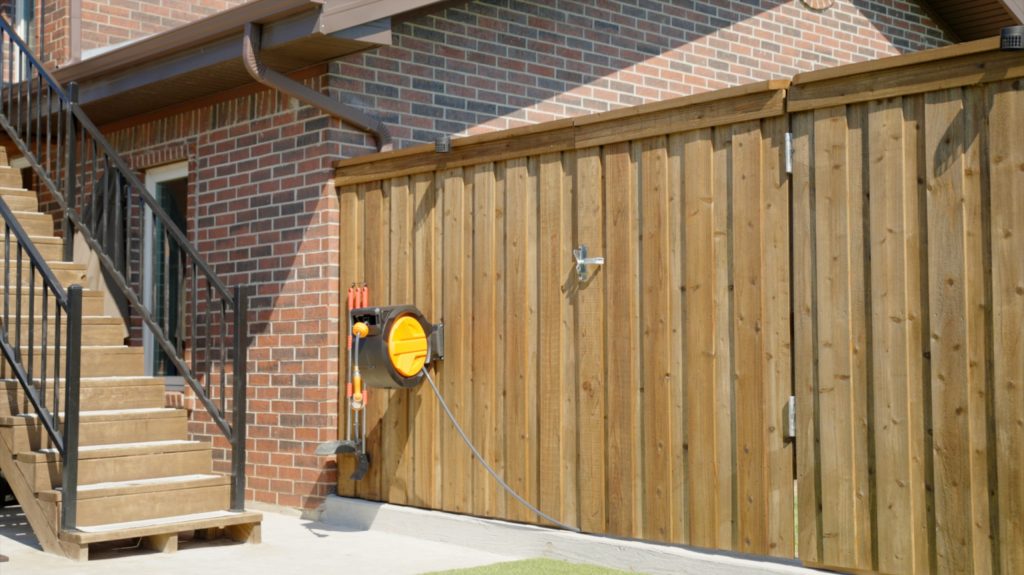
Safety Tips to Prevent Injuries With Old Fencing
If your fence has been standing through years of Texas weather, it can shift, loosen, and develop sharp spots without you noticing. This guide helps you spot the hazards that cause cuts, trips, and falls, then choose the right next step for residential and commercial fence installation, repair, and outdoor living upgrades in and around Sherman, TX.
Last summer in Sherman, TX, a homeowner called after a child scraped their arm on a fence section that had quietly pulled away from a post. The fence still “looked fine” from the driveway, but up close there was a gap, a loose panel edge, and a latch that didn’t catch the way it used to.
Old fencing can create real safety risks even when it’s not fully broken. This guide will help you understand what to inspect, what to fix right away, and when it’s smarter to plan fence repair services, replacement, or upgrades that improve access control and entry safety.
- Quick answer
- What to check first
- Main things customers should understand
- Why this matters in Sherman, TX
- Common mistakes to avoid
- Customer checklist
- Frequently asked questions
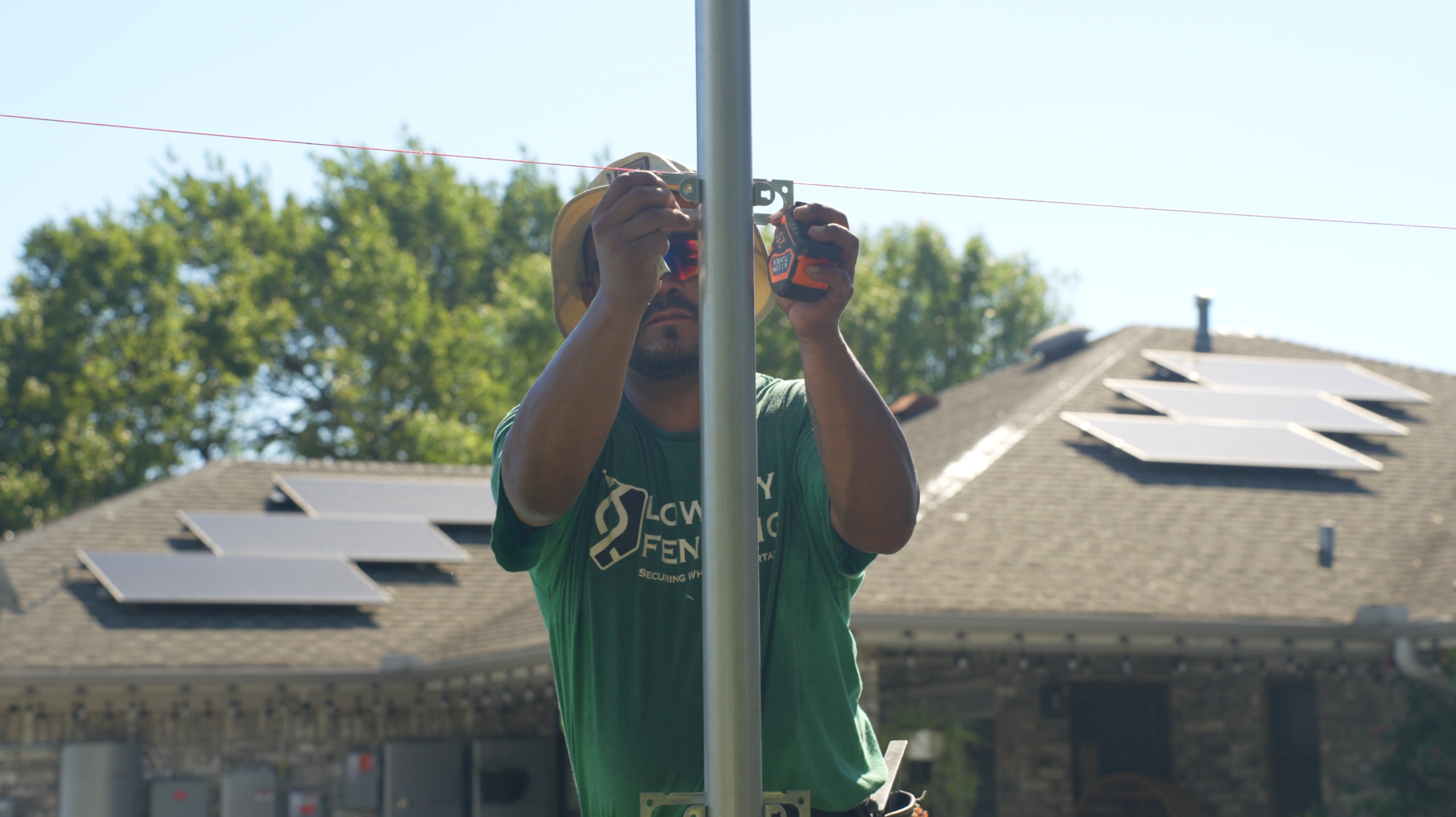
Quick Answer
Start by walking your fence line slowly and looking for movement, gaps, and sharp edges. If you find a section that wobbles, a gate that won’t latch securely, or protruding hardware that can snag skin or clothing, treat it as a safety priority. For quick prevention, keep people away from loose areas, avoid leaning ladders or tools against unstable sections, and temporarily restrict access to gates. Then schedule an inspection or repairs so your fence can return to a stable, properly secured condition for everyday use.
What to Check First
The first pass should focus on the hazards that cause injuries fastest. Begin at gates and corners, because those are the points that see the most force from opening, closing, vehicles, and foot traffic. Next, scan for anything that can cut, poke, or trip. Finally, check how the fence behaves when you apply gentle pressure with your hand near the problem area.
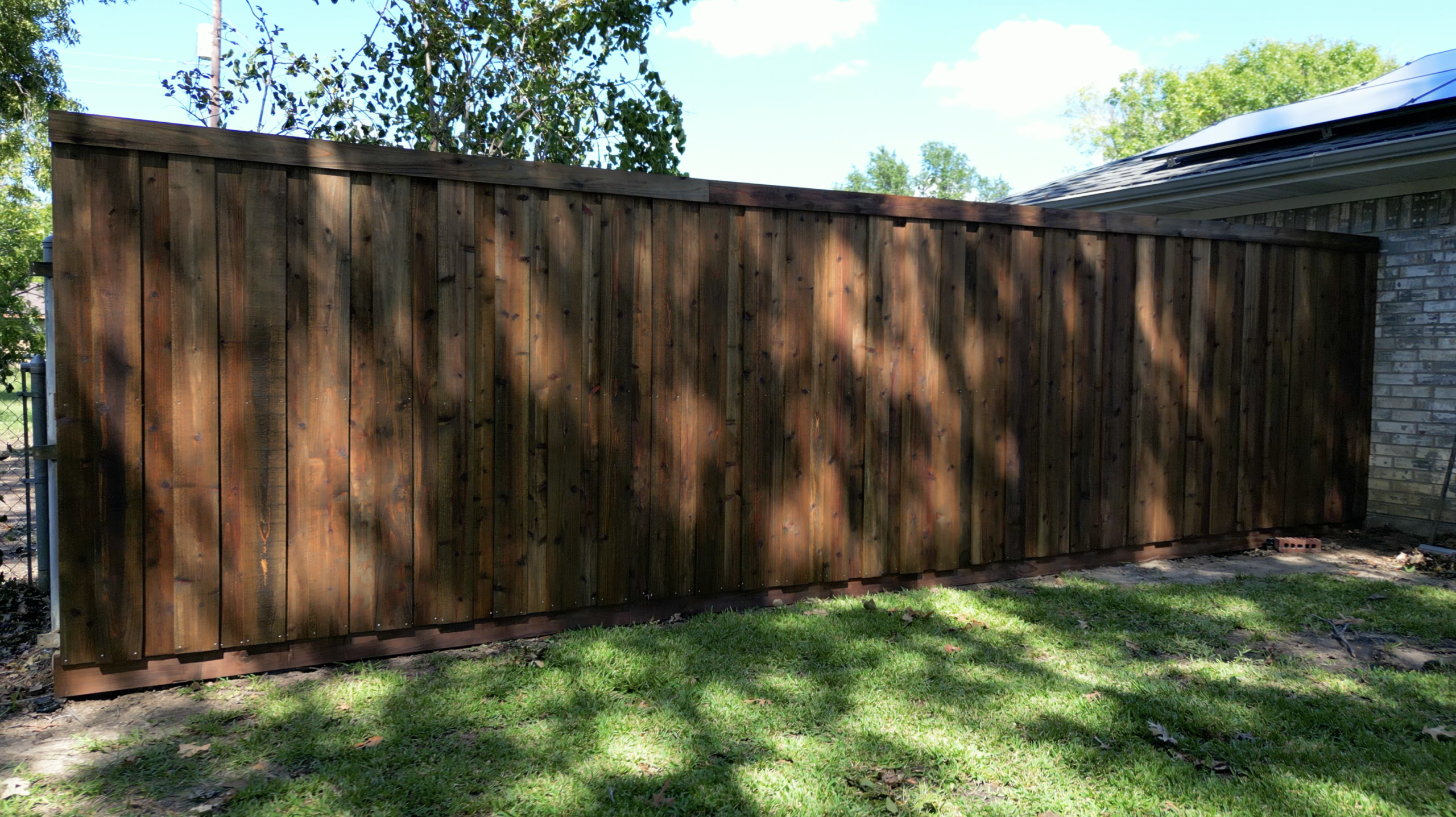
Professional observation: The most common injury triggers we see during fence repair visits are loose gate latch points, snagging hardware, and fence sections that have shifted enough to create pinch gaps.
1) Gates: latch reliability and pinch points
Old gates often fail by degrees. A latch that catches “most of the time” can still pinch fingers or leave a gap wide enough for pets or kids to get through. Test the gate from the inside and outside. Watch for rubbing, misalignment, or sagging that changes how the latch seats.
2) Sharp edges, protruding hardware, and broken pickets
Look for splintered wood, bent wire, exposed screws, and panel edges that are no longer smooth. Even if the fence is mostly intact, one broken rail or loose fastener can become a frequent snag point during normal yard use.
3) Gaps at the bottom and fence line movement
Check the bottom clearance along the fence. If a fence panel has pulled away from a post, you can get pinch points or trip hazards. A gap that seems small from ground level can widen when someone pushes against it, like a child leaning on a rail.
4) Post stability and leaning sections
Posts that lean, rotate, or sink can make the entire run feel “wavy.” If you notice a section that looks slightly out of plumb, don’t ignore it. Fence contractors typically address post stability and alignment first, because patching boards or panels without fixing movement often leads to repeat failures.
Residential fencing safety
Homes in Sherman often need fence stain, rail repairs, and gate adjustments that keep entryways secure and reduce snag points for kids, guests, and pets.
Commercial fence contractors
For businesses, safety often depends on reliable access control. Gates that don’t fully close can create a security and injury risk at the same time.
Outdoor living connections
If your fence borders a patio or deck area, sharp edges and unstable rails are more likely to cause injuries during normal use. Aligning fence and patio traffic flow matters.
Main Things Customers Should Understand
Old fencing can be dangerous for reasons that go beyond “it looks old.” Many safety issues are structural or mechanical. Wood fencing can warp and loosen as boards dry and re-expand. Chain link fence installation and repair can loosen at tension points. Wrought iron fencing can develop sharp edges when sections shift or hardware fails. Understanding the failure mode helps you choose the right fix.
Practical takeaway: Safety improvements usually come from correcting the root cause, like post movement and gate alignment, not just replacing one damaged board or tightening a single screw.
How different fence types create different injury risks
Wood fencing is prone to splintering and loose rails. Chain link fencing can loosen at tie wires or tension areas, leaving sharp ends or openings. Wrought iron fencing can develop protrusions at connection points. If you’re unsure what you have, you can compare the hazards you see to the fence style you recognize, then focus on securing posts, smoothing edges, and restoring proper latch operation.
What “safe” should look like after repair
After repairs, the fence line should feel stable with no noticeable wobble near common touch points. Gate operation should be consistent, with smooth closing and a latch that fully engages. Hardware should sit flush or in a way that doesn’t snag clothing. If you can move a section by pushing with your hand, it’s not ready for everyday use.
Local insight: pairing fence work with access and outdoor upgrades
In Sherman, TX, many customers want the fence to fit the way they actually move around their property. That might include driveway gate installation for vehicles, or coordinating fence runs near patios for safer backyard traffic patterns. If you’re planning improvements, it’s often more efficient to address gate access and fence safety together instead of treating them as separate projects.
Why This Matters in Sherman, TX
Sherman’s weather swings can stress fence materials over time. Wood can cycle as it expands and contracts, chain link can shift as tension points loosen, and gate hardware can wear faster when it’s used daily. When you combine those conditions with pets, kids, and occasional yard work, old fencing becomes more than an appearance issue. It becomes a safety system for your property.
Nearby service areas we support
If you’re outside Sherman but still in the area, Lowery Fence & Patio serves Collin County, Grayson County, Cooke County, and Fannin County. That coverage matters because fencing problems often show up at the same time across neighborhoods, especially after storms or seasonal shifts.
Internal resources for related safety and access topics
For gate-focused safety and entry behavior, review gate options and safety considerations. If your concern is a fence style or repair approach, you can also explore chain link fence solutions and residential fencing for common homeowner scenarios.
| Fence issue you notice | Likely safety risk | What to do next |
|---|---|---|
| Gate doesn’t latch smoothly | Pinch points, accidental openings, trip hazards near entry | Inspect gate alignment and latch operation before regular use |
| Loose panel or wobble near posts | Falling or shifting sections that can cause cuts or bruises | Address post stability and re-secure sections, not just fasteners |
| Splinters, bent wire, or protruding hardware | Scrapes and punctures from snagging edges | Remove/replace damaged components and smooth exposed edges |
| Bottom gaps along the fence line | Pets and children can slip through; feet can catch when stepping | Check panel alignment and clearance, then secure the bottom run |
Need help identifying hazards in your fence or gate?
Lowery Fence & Patio can help you assess what’s creating the risk and what the safest repair approach looks like for your property in Sherman, TX and nearby areas.
Contact Lowery Fence & PatioCommon Mistakes to Avoid
People often try to “make it work” when a fence is old. That usually delays the safety fix and can make the hazard worse. Avoid these common mistakes so you don’t end up with repeated injuries or recurring damage.
- Ignoring gate alignment issues. If the gate is sagging or rubbing, tightening the latch alone rarely solves the root problem.
- Using temporary fixes in high-traffic spots. Loose wire, improvised boards, or partial panel replacement can create new snag points.
- Only repairing what’s visible from the driveway. Many hazards are on the side where people walk, pets run, or kids play.
- Overlooking fence cleaning and maintenance needs. Dirt buildup can hide loosened hardware or cause finishes to fail faster, especially when fences border patios or decks.
- Assuming every fence type fails the same way. Chain link fence repair is different from wood fence installation or wrought iron fence installation, so match your repair plan to the material.
Customer Checklist
Use this checklist during your next walkthrough. It’s designed to help you catch safety issues early and decide what needs attention now versus what can be scheduled for later.
- Walk the full perimeter and pay special attention to corners and gates.
- Check for wobble by gently testing sections near posts and rails.
- Look for sharp edges: splinters, bent wire, exposed screws, or broken pickets.
- Test gate closure and latch engagement from both sides.
- Measure or visually confirm bottom gaps along the fence line.
- Inspect hardware for looseness, missing fasteners, and misalignment.
- After any storm or heavy wind, re-check fence sections that look slightly shifted.
Representative Scenario
A property owner near Sherman, TX noticed their chain link fence looked slightly out of tension after a windy week. The yard still felt enclosed, but a family member caught a sleeve on a sharp wire edge near a corner post. Instead of trying to “bend it back,” they stopped using that path to the yard, marked the area, and scheduled an inspection for proper tension, edge safety, and any needed chain link fence repair. The result was a safer fence line with fewer snag points during normal daily movement.
Frequently Asked Questions
How can I tell if my old fence is unsafe or just cosmetic?
Should I repair a damaged section myself?
What’s the first sign I should check on my gate?
Does fence staining affect safety?
Can old fencing create risks near a patio or backyard entrance?
Ready to make your fence safer for everyday use?
If you’re seeing wobble, gaps, snagging edges, or gate latch problems, Lowery Fence & Patio can help you plan the safest next step for your property in Sherman, TX and surrounding communities.
Call 903-833-3623
About Lowery Fence & Patio
Lowery Fence & Patio is a fencing and outdoor living company serving Sherman, TX and nearby areas including Collin County, Grayson County, Cooke County, and Fannin County. From residential fencing and commercial fencing to chain link fence installation, wood fence installation, wrought iron fencing, and gate-focused access solutions, the team helps customers improve both function and safety across outdoor spaces.