
Patio Builder Maintenance Tips for Longevity and Value
If your Sherman, TX patio is starting to look tired, that usually is not a “replace it” problem. It is a maintenance timing and material-care problem. This guide helps you spot early wear, protect what you built, and keep your outdoor living space looking sharp through changing seasons in North Texas.
- Quick answer
- What to check first
- Main things customers should understand
- Why this matters in Sherman, TX
- Common mistakes to avoid
- Customer checklist
- Frequently asked questions

Quick Answer
For a long-lasting patio, focus on three things: (1) keep water moving away from the surface and structure, (2) clean and protect materials on a schedule that matches what you installed, and (3) fix small issues early, before they spread. Start with a simple walk-around inspection, then clean using the gentlest method that works for your patio type. If you have wood, prioritize staining and sealing at the right time. If you have concrete, address cracks and pooling water as soon as you notice them.
What to Check First
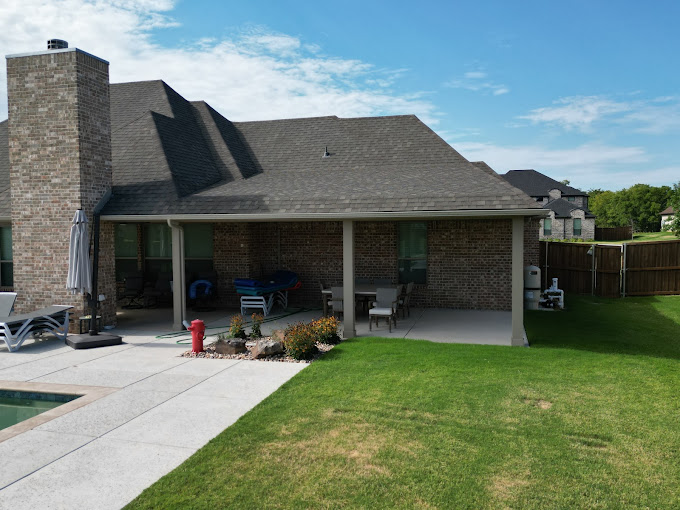
If you are noticing fading, surface buildup, loose hardware, or minor gaps, you do not need a full overhaul right away. Walk the perimeter and pay attention to where water collects: near steps, against walls, around patio covers, and at transitions between slab, pavers, and any attached features. Then check fasteners, joints, and any areas that touch fences, gates, or outdoor structures, because those contact points often reveal the earliest movement or wear.
Professional observation: The fastest way to protect value is to treat drainage and joint integrity like routine maintenance, not like emergency repairs.
Main Things Customers Should Understand
A patio is a system. The surface matters, but so do the details beneath it and around it. The best maintenance plan depends on what your patio is made of, and on whether you added patio covers, outdoor kitchens, fireplaces, or built-in access points. Below are the material-care categories we see most often for homeowners and property managers in Sherman, TX.
Wood surfaces
Wood ages quickly when it is left unprotected. A consistent cleaning routine followed by the right fence stain or wood protection helps reduce premature graying and moisture damage. If you also have privacy fencing nearby, keeping that in the same maintenance rhythm can make the whole outdoor area look intentional.
Concrete and paver areas
Concrete and pavers usually look “fine” until water starts pooling or joints open up. Watch for hairline cracking that grows, weeds in joints, and spots that stay wet longer than the rest. Addressing drainage and joint maintenance early can prevent bigger repairs later.
Patio covers, arbors, and pergolas
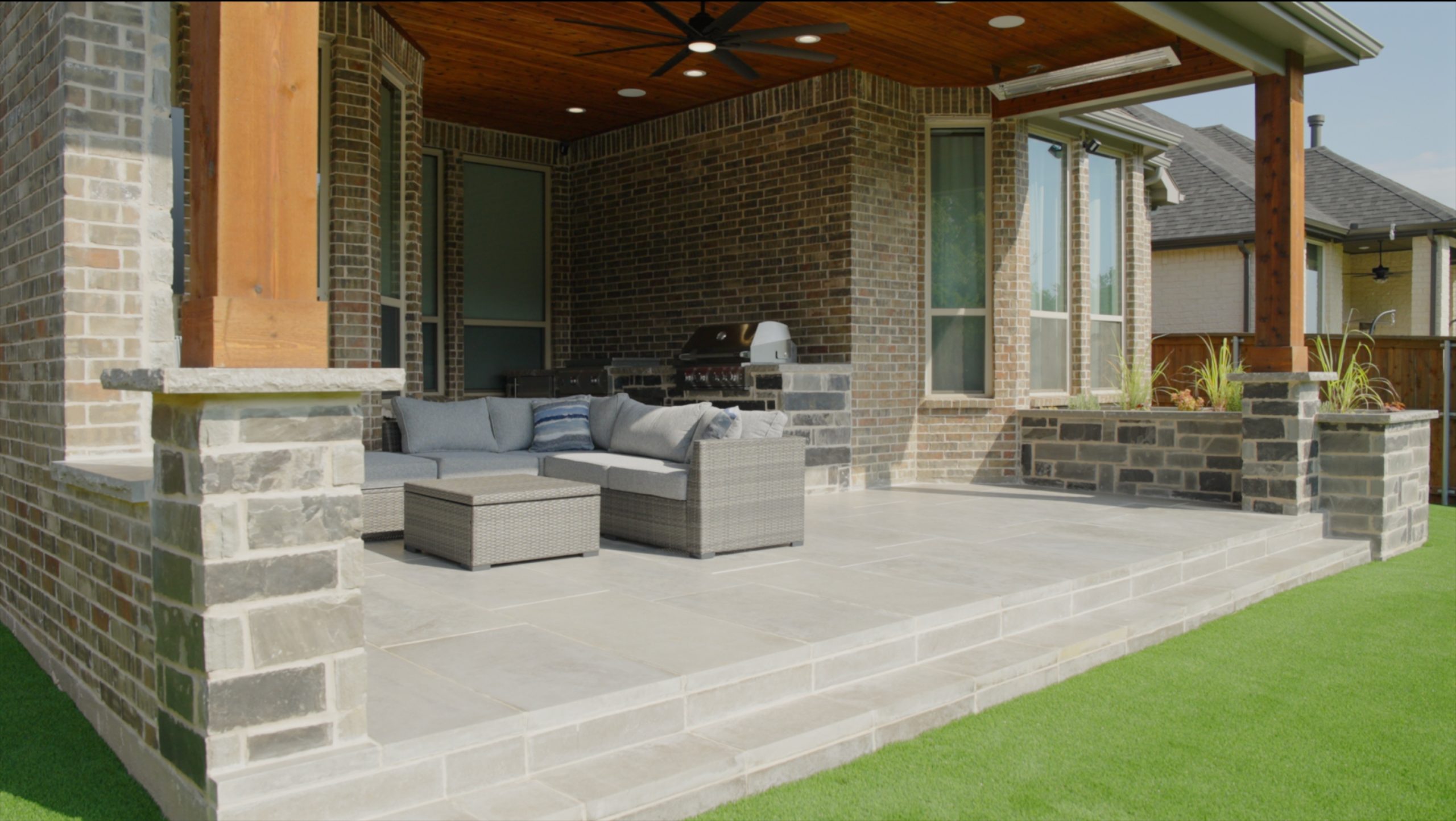
Overhead structures protect you and your patio, but they also collect dirt and moisture. Keep debris out of corners and seams, and inspect where components meet. If you notice sagging, rubbing, or rust spots, it is usually a sign to check fasteners and protective coatings.
Why This Matters in Sherman, TX
In Sherman, TX, patios take a beating from rapid weather changes and strong seasonal swings. That combination can accelerate surface wear, especially where your patio meets other elements like fencing lines, gates, and outdoor structures. When water has a place to sit, it increases the risk of staining, joint breakdown, and faster material aging. The practical takeaway: build your maintenance around drainage checks, surface cleaning, and early fixes, so your patio stays attractive and functional year after year.
Common Mistakes to Avoid
Most patio problems start small. Here are the mistakes we see most often, and how to avoid them:
- Waiting too long to address pooling water. If a spot stays wet after rain, treat it like a priority. Water is usually the root cause behind surface staining and joint issues.
- Cleaning the wrong way for the material. Aggressive methods can damage finishes or open pores. Use the gentlest approach that works, then repeat consistently.
- Ignoring small joint movement. Hairline separations can expand. If you see gaps around edges or transitions, inspect sooner rather than later.
- Forgetting attached access points. If you have gates or fences near the patio, check how those areas interact with your patio’s layout. Misalignment can create new wear paths.
- Skipping protective maintenance for wood. Wood that is not stained or protected on schedule can degrade faster, even if it looks “okay” at a glance.
Customer Checklist
Use this quick, practical checklist as your seasonal routine. It is designed to catch the early signs that protect longevity and help your patio maintain its curb appeal.
Actionable recommendation: Choose one day each season for an inspection walk, then handle the small items right away. That pattern is usually cheaper and easier than larger repairs later.
- Inspect drainage spots: look for areas that stay wet longer than the rest of the patio.
- Check joints and seams: confirm nothing is separating, lifting, or allowing debris buildup.
- Look for surface changes: fading, staining, or rough texture that appears new or worsening.
- Examine edges and transitions: steps, borders, and where the patio meets other outdoor elements.
- Check outdoor structures: patio covers and overhead components for loose fasteners or early rust.
- For wood areas: plan cleaning and staining maintenance before damage becomes visible and deep.
| Patio feature | What to watch for | Maintenance focus | When to escalate |
|---|---|---|---|
| Concrete surfaces | Cracks that widen, dark stains, and pooling water | Keep drainage clear and address early wear | When cracks expand or water consistently collects |
| Wood decking or trim | Greying, raised grain, and moisture-related soft spots | Clean and protect with appropriate staining | When wood shows persistent moisture damage |
| Patio covers and pergolas | Rust spots, loose connections, and debris buildup | Inspect seams, fasteners, and protective coatings | When you notice movement, sagging, or corrosion spreading |
| Edges, joints, transitions | Gaps, weeds in seams, and shifting borders | Keep joints intact and prevent debris accumulation | When gaps grow or components shift noticeably |
Need a maintenance plan for your patio materials?
If you are in Sherman, TX and you want a clear, practical next step, Lowery Fence & Patio can help you evaluate what you have and what should be addressed first.
Contact Lowery Fence & PatioRepresentative Scenario
A homeowner in Sherman, TX noticed darker patches on a patio section near the fence line and a few small gaps around the edges. Instead of replacing everything, they started with drainage and cleaning, then inspected the transitions where water and debris tended to collect. After addressing the early issues, the patio looked more even and the problem areas stopped getting worse. This kind of “fix early” approach is often what protects both appearance and long-term usability.
Frequently asked questions
How often should I clean a patio to keep it looking good?
A practical rhythm is seasonal cleaning, plus quick spot-cleaning after heavy debris periods. Focus on the areas that collect moisture and dirt, like edges, corners, and transitions near outdoor structures. If you have wood components, keep your cleaning gentle and consistent so protective coatings can do their job. If you notice new staining or rough texture, clean sooner and inspect for underlying drainage or joint issues.
What is the first sign that my patio needs more than routine cleaning?
Pooling water, gaps that are growing, or surface changes that spread after cleaning are usually the first signals. For concrete or paver areas, watch for cracks that widen or joints that allow weeds and debris to take hold. For wood, look for persistent moisture effects like soft spots or rapid greying. When those symptoms show up together, address the cause, not just the surface.
Should I maintain patio covers and pergolas the same way as the patio surface?
No. Overhead structures require attention to seams, fasteners, and protective coatings because moisture and debris can collect in those connection points. While you clean the patio surface, also inspect the areas where components meet and where rust can start. Catching loose hardware or early corrosion helps prevent larger structural repairs and keeps the whole outdoor area looking coordinated.
Can fence maintenance affect how my patio holds up?
Yes. Patios often sit near fences, gates, and other access points. If those elements shift or lose alignment, they can create new wear paths around edges and transitions, and they can change how water runs across your property. Keeping fencing and nearby access areas maintained supports the overall layout and helps reduce the “mystery” wear that shows up along patio boundaries.
What should I do if I see small cracks in concrete?
Start by monitoring the cracks for change and check whether water is pooling nearby. Small cracking can be a surface issue, but it can also be a sign of drainage or movement. Keep the area clean, prevent debris from packing into seams, and inspect after rain. If the cracks widen or surface staining grows, it is a good time to get a professional evaluation so repairs match the actual cause.
Ready to protect your patio’s longevity?
Whether you are planning a refresh or you need help prioritizing what to fix first, Lowery Fence & Patio serves homeowners and property managers across Sherman, TX and nearby counties.
Call 903-833-3623
About Lowery Fence & Patio
Lowery Fence & Patio provides fencing and outdoor living solutions for properties in Sherman, TX and surrounding areas, supporting long-term curb appeal through careful material care and practical planning.