
Patio Builder vs DIY: Which Lasts Longer?
If your plan is a backyard patio cover, a new deck, or a full outdoor living upgrade in Sherman, TX, you are probably weighing time, budget, and how long it will look good. The real durability question is not just materials. It is also the prep work, drainage, fastening, and how the structure handles heat, shade, and seasonal moisture.
A homeowner in Sherman, TX recently told us they started planning a patio project after a few hot months made their backyard feel unusable. The idea sounded simple: pour a slab, set posts, and build the cover. Then the questions started piling up fast, especially around how to keep the patio level and how to prevent early wear.
That is where this guide helps. You will learn what actually drives long-term patio performance, what to check before you commit to a DIY build, and when hiring a patio builder from Lowery Fence & Patio is the smarter durability move for Texas backyards.
- Quick answer
- What to check first
- Main considerations
- Local factors
- Common mistakes
- Customer checklist
- Frequently asked questions
Quick Answer
In most cases, a patio builder’s work lasts longer than DIY, mainly because the durable results depend on prep and installation details you cannot reliably “eyeball.” Professional builds tend to be more consistent with layout, level surfaces, post placement, and drainage paths. DIY can last a long time when the site is straightforward and the builder is experienced, but the risk of hidden issues is higher. If you want the patio cover and outdoor structure to stay solid through Texas weather cycles, focus on proper concrete services, correct fasteners, and a design that sheds water away from the home.
What to Check First
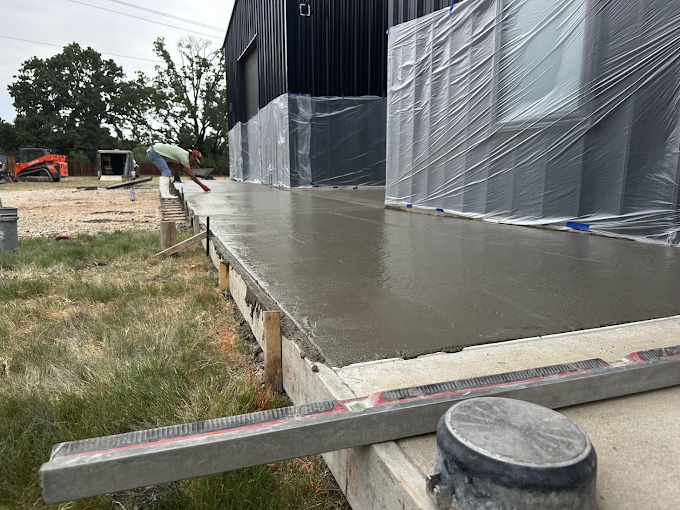
Before deciding between a builder and DIY, start with the project inputs that determine lifespan. Patio durability usually starts on the ground: the base, the concrete flatness, and how water will move during heavy rains. If water pools near the slab, it can accelerate wear on surrounding materials and finishes, even if the surface looks fine at first glance.
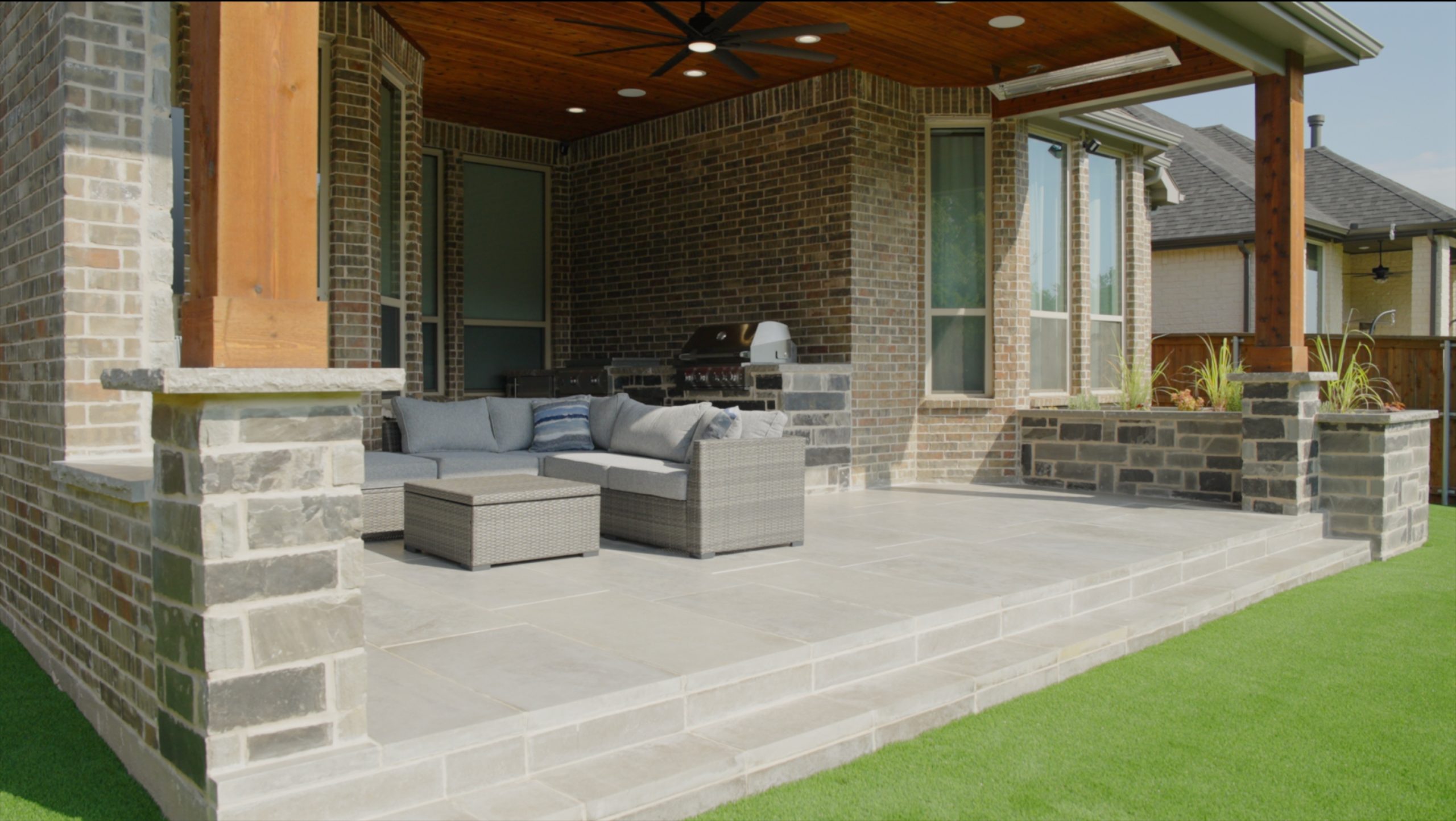
Next, check the “stress points” of your specific design. Covers and pergola-style structures add leverage to posts and connections. If you are thinking about a patio cover, compare how the frame will be anchored and how it will handle wind and seasonal expansion. A well-planned installation plan matters as much as the materials.
Ground prep and drainage
Concrete services, slope, and water pathways influence how long the patio stays level and how finishes hold up.
Connection details
Where posts, beams, and fasteners meet affects wobble, squeaks, and long-term stability.
Finish maintenance plan
Outdoor surfaces need a realistic staining and sealing routine, especially when wood is involved.
Main Things Customers Should Understand
When people ask which lasts longer, they usually mean “Will it stand up?” The better question is “What is most likely to fail first?” For patios, the early problems are often not visible until after a few seasons: uneven slabs, water intrusion, loose connections, and finish breakdown from sun and moisture.
Professional observation: The “invisible” work is where durability is won. If the base, anchoring, and drainage are off, you can end up rebuilding parts of the patio sooner than expected.
Here is what typically separates a patio builder from a DIY build in terms of longevity:
- Concrete accuracy: A patio slab that is not properly prepared can shift or settle, which then stresses the structure above it.
- Post and frame anchoring: Covers and arbors-pergolas style systems rely on connection strength. Small alignment errors become big problems over time.
- Moisture management: Texas weather can swing between intense sun and wet periods. If water does not drain away, materials age faster.
- Material compatibility: Wood fencing, wood fence installation, and patio wood components all need the right approach to staining and protection. Finishes work best when the prep matches the product.
If you already have a deck or plan to pair the patio with one, you can also think about the overall outdoor system. A deck building plan and patio cover plan should work together, not compete with each other. For related outdoor living projects, Lowery Fence & Patio also offers custom patio covers that are designed to fit how you actually use your space.
Why This Matters in Sherman, TX
Sherman, TX properties often balance shade, heat, and seasonal moisture. That means outdoor structures see cycles of expansion and contraction, plus periods where rain and runoff can affect the ground around posts and slabs. A patio that lasts is usually one that was built with water movement in mind from the start.
We also see that many homeowners in Sherman and nearby counties want their patio to complement the rest of the yard. If you are planning fencing for privacy, safety, or access control around the same time, it helps to coordinate timing and layouts. For example, pairing your patio build with residential fencing can make the outdoor living area feel cohesive while avoiding rework later.
Common Mistakes to Avoid
DIY can be rewarding, but patio longevity is where small mistakes become expensive. Here are the issues we hear about most often when homeowners are trying to troubleshoot durability problems later.
- Skipping a drainage check: If water pools after rain, it can shorten the life of both concrete-adjacent materials and wood components.
- Underestimating anchoring and alignment: A cover that looks straight at first can loosen if posts are not set correctly.
- Choosing finishes without a maintenance plan: Outdoor wood surfaces typically need a schedule for care. If you do not plan for it, wear happens faster.
- Forgetting the rest of the yard: If fences, gates, or access points are planned later, you can end up adjusting around the patio instead of designing in one pass.
If wood is part of your patio design, think ahead about protection. A durable finish is not just the stain color. It is the surface prep and the right approach to fence staining practices that keep wood looking good through sun and moisture.
Customer Checklist
Use this quick checklist when you are comparing a patio builder plan to a DIY approach. You can bring it to a consultation or use it to pressure-test your DIY plan.
Longevity checklist for your patio cover and outdoor living:
- Confirm the concrete service plan, including base prep and leveling approach.
- Verify how water will drain away from posts and the slab edges.
- Review how the structure will be anchored and how connections will be secured.
- Identify which materials are wood, metal, or composite and what each needs for long-term care.
- Plan for maintenance timing so finishes do not fail early.
- Coordinate your fencing and gates so you do not rework the patio later.
Representative Scenario: DIY Plan vs Builder Plan
A family in Sherman planned a patio cover to make mornings comfortable and to shade an outdoor seating area. The DIY plan looked straightforward, but the ground around the proposed slab area had uneven drainage. After the first heavy rain, they noticed water staying close to the slab edge. That moisture made it harder to keep the wood components looking consistent, and they ended up reworking parts of the layout.
With a builder, the same family would typically start by addressing drainage and concrete preparation first, then setting the structure with connection details that reduce wobble and future looseness. If you are also thinking about gates for backyard access, that planning can connect to your overall outdoor living design, including gate installation decisions.
Get a durability-focused patio cover plan
Tell us what you want your Sherman, TX patio to do, and we will help you think through the building details that affect how long it lasts. Use this link to contact Lowery Fence & Patio.
Contact Lowery Fence & PatioPatio Builder vs DIY: Decision Table
If you want a simple way to compare outcomes, this table focuses on the factors that most often impact lifespan for patio covers and outdoor living structures.
| Factor that affects lifespan | Patio builder approach | DIY approach |
|---|---|---|
| Concrete base and flatness | Built as part of the overall system so the structure above stays supported. | Can be solid, but small leveling or prep issues are easy to miss until later. |
| Post placement and anchoring | Connections are planned for stability and long-term alignment. | Alignment errors can create looseness that grows over time. |
| Drainage and water management | Designed so water moves away from the patio and sensitive areas. | Often overlooked if the site is not evaluated after rain. |
| Finish longevity (wood elements) | Finishes are selected and maintained with a realistic care plan in mind. | Finish results can vary widely based on prep and timing. |
| Coordination with other outdoor work | Outdoor living, fencing, and access points can be planned together to reduce rework. | Commonly handled in phases, which can require adjustments later. |
Frequently Asked Questions
Here are answers to common questions we hear from homeowners in Sherman, TX and surrounding counties when they are deciding between a patio builder and a DIY approach.
How can I tell if my patio slab and base are set up for long-term durability?
Look for signs of water pooling after rain, and pay attention to whether the slab stays level over time. Durability starts with base prep and proper drainage paths. If you already have a slab and you see water near edges or around where posts connect, that is a strong signal the site setup needs attention before you add or finish wood components.
Does a patio cover last longer than a fully open patio?
A covered patio can last longer for surfaces that are sensitive to sun and moisture, but the cover itself introduces structural connections that must be installed correctly. Longevity depends on how the posts are anchored, how connections are secured, and how the system manages water. If the cover is built with solid concrete services and careful anchoring, it can protect the patio area while staying stable over time.
Is DIY okay for small patio projects, or is it always risky?
DIY can work when the site is straightforward, you have experience with concrete and structural connections, and your plan includes drainage and maintenance. The risk increases when the ground is uneven, water pathways are unclear, or the project includes a patio cover or pergola-style structure that adds leverage to post connections. If you are unsure about those elements, a builder-led plan is often the safer way to protect longevity.
What maintenance matters most for wood components around a patio?
For wood elements, maintenance matters because sun and moisture can break down finishes. A durable plan includes proper prep before staining and a schedule for when you will refresh protection. If you are coordinating with fencing or other outdoor wood surfaces, it helps to align your approach so the whole yard ages consistently. Lowery Fence & Patio can also support planning through fence staining guidance.
Should I coordinate gates and fencing at the same time as the patio?
Coordinating fencing and gates with your patio build can reduce rework. A patio layout often influences where you want access points, visibility, and privacy. If you plan to add gates later, you can end up adjusting around the patio instead of building everything as one outdoor living plan. If you already know you want gates, it can help to start early with decisions about access and placement.
Ready for a patio build that is designed to last?
If your goal is long-term stability in Sherman, TX, the best next step is a plan that addresses concrete preparation, drainage, and structure connections up front. Contact Lowery Fence & Patio to discuss your outdoor living project.
Call 903-833-3623
About Lowery Fence & Patio
Lowery Fence & Patio provides fencing and outdoor living solutions for homeowners and businesses across Sherman, TX, including Collin County, Grayson County, Cooke County, and Fannin County. Our team focuses on practical installation choices, from residential fencing and gates to custom patio covers and related outdoor improvements, helping customers build outdoor spaces that perform day after day.