
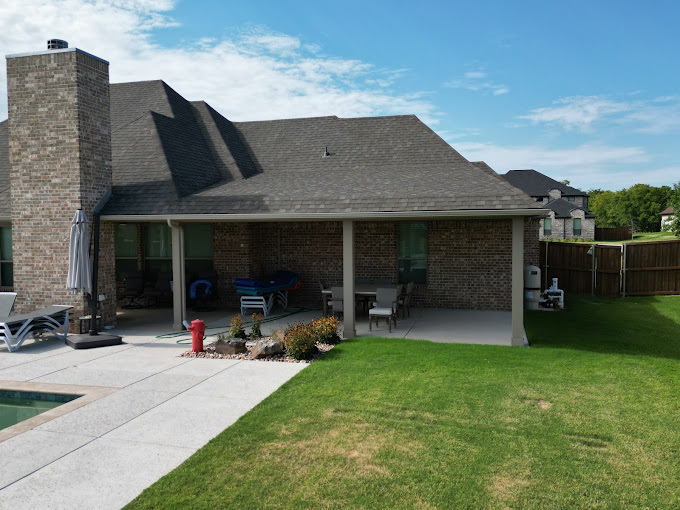
Safety Concerns After Settling Patio Slabs Fixed
If you notice a patio slab that feels “taller” in one spot, a step that suddenly looks uneven, or small cracks that keep widening, you are not imagining things. Settling patio slabs can create tripping hazards and water-management issues. This guide explains what to check, how repairs are typically approached, and what to do next for a safer outdoor space in Sherman, TX.
If your patio is near a doorway, walkway, or gate, even a small height difference can become a real safety issue. In Sherman, TX, freeze-thaw swings, heavy rain periods, and shifting soil moisture can all contribute to uneven surfaces over time.
Lowery Fence & Patio helps homeowners and property managers address outdoor safety concerns with the kind of practical, on-site evaluation you need before you choose a repair path. You will learn how to spot red flags, what questions to ask during the repair assessment, and how to plan for long-term outdoor stability.
- Quick answer
- What to check first
- Main things customers should understand
- Local insight for Sherman, TX
- Common mistakes to avoid
- Customer checklist
- Frequently asked questions
Quick Answer
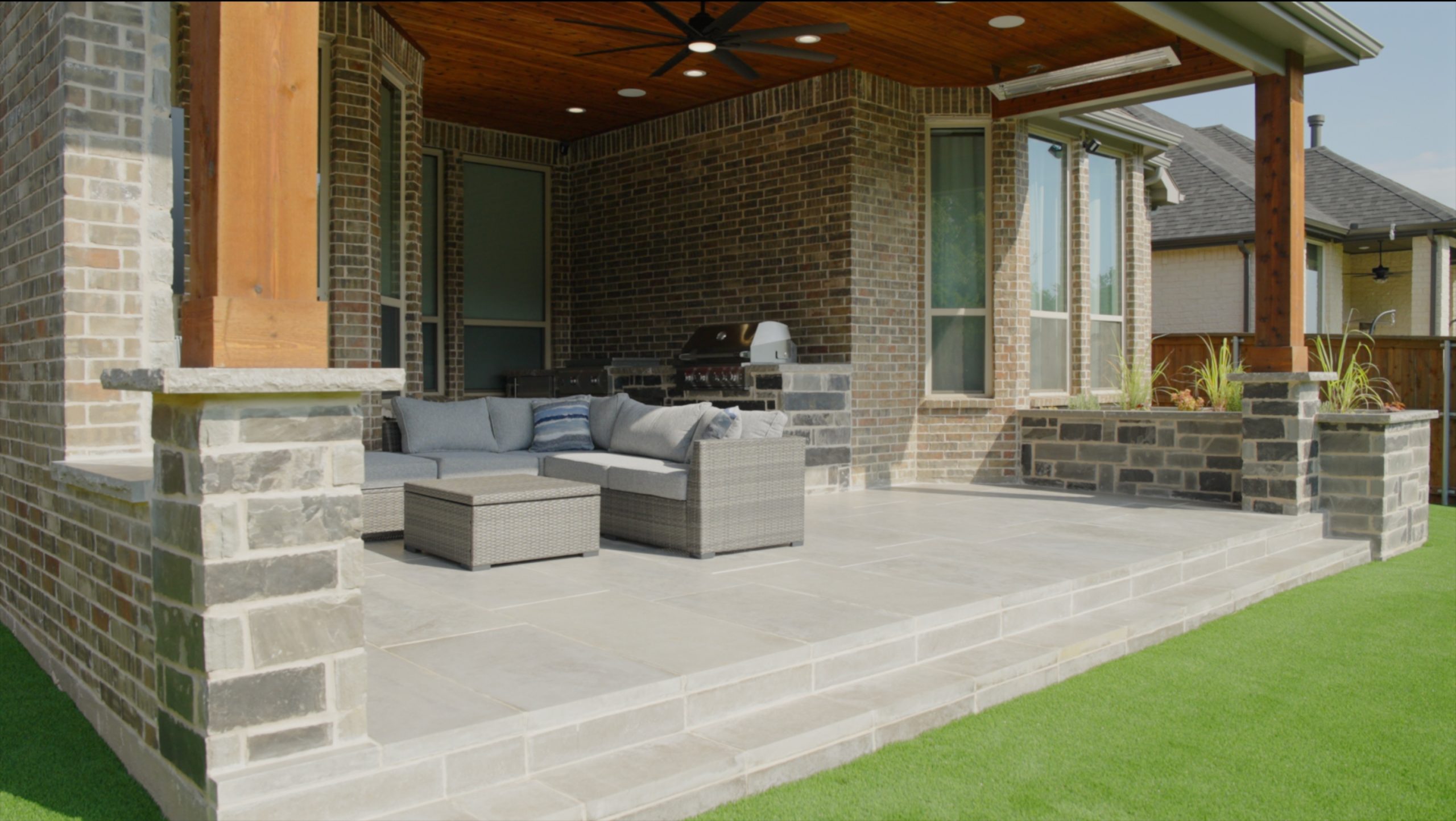
If patio slabs have settled, the safest approach is to stop treating it as a surface-only issue. Uneven slabs can indicate movement in the base or drainage changes underneath. Start by inspecting for trip hazards, widening cracks, and water pooling. Then schedule an on-site assessment so the repair matches the cause, not just the visible crack. If the area is actively shifting or people are at risk stepping over it, prioritize a temporary safety plan and plan the full repair quickly.
What to Check First
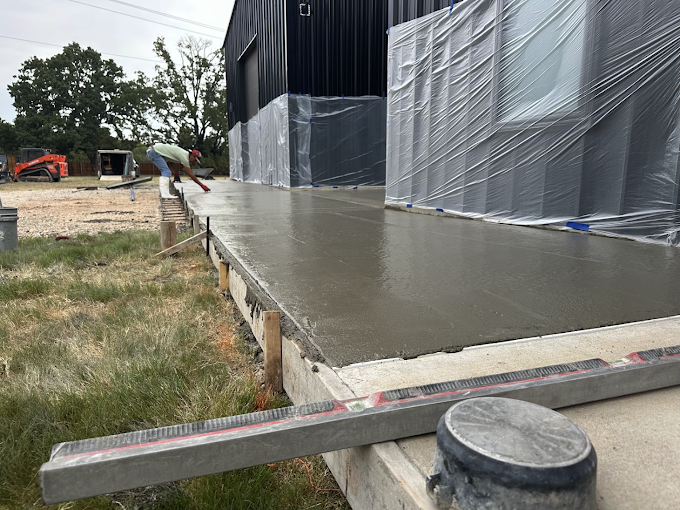
Before you call for service, do a quick, careful walk-through around the patio and the path leading to it. Look for height differences you can feel with your shoes, cracks that are growing, and any areas where water seems to stay after rain. If you have a gate nearby, check whether the patio unevenness changes how you access the yard.

- Identify the highest-risk spots: doorway transitions, corners, and edges near walkways.
- Note crack pattern changes: hairline cracks that spread, or joints that look misaligned.
- Check drainage: after a storm, watch where water pools and whether it runs toward the slab.
- Look for movement clues: doors or screens that bind, or new gaps along edges.
- Keep photos: take a few close-ups and one wide view so you can show what changed over time.
Professional observation: The fastest way to improve safety is to address the hazard first, then confirm what is driving the settlement. Surface patching without base and drainage evaluation can leave the problem ready to return.
Main Things Customers Should Understand
Settling patio slabs are often a combination of base movement and moisture behavior under the concrete. Even when the concrete looks “mostly fine,” small shifts can create edges that catch shoes or wheelchair wheels. Repairs usually focus on stabilizing the area and restoring a level, safer walking surface.
Safety comes first
Avoid using the affected area until it is evaluated. If the slab is creating a step-up or step-down, treat it like a trip hazard, not a cosmetic issue.
Cause matters
We look at how the patio sits, how water behaves after rainfall, and whether the base appears to have shifted. That helps guide the right repair approach.
Match the finish
Concrete repairs should blend with the surrounding surface so the repaired area does not create a new bump or edge.
In Sherman, TX, many patios connect to daily paths like a driveway walk or a backyard gate. That is why slab settlement can show up as “suddenly dangerous” after the first heavy rain season or after seasonal ground movement.
Why This Matters in Sherman, TX
When patios settle in Sherman, TX and nearby areas like Collin County, Grayson County, Cooke County, and Fannin County, water management is often part of the story. After storms, pooled water can emphasize uneven areas and can also contribute to further movement if the base is affected.
Local practical tip: If your patio sits near landscaping beds, downspouts, or a gate path, check whether water is being directed toward the slab. Small routing changes can help protect the repaired surface long-term.
| What you notice | Likely concern | What to do next |
|---|---|---|
| One corner feels higher or lower | Uneven surface from movement under the slab | Schedule an on-site evaluation so the repair matches the base condition |
| Cracks widen after rain | Moisture-related expansion and contraction | Inspect drainage and edge conditions during repair planning |
| Water pools on a section | Surface grade and drainage alignment issues | Address grading and stability during slab repair |
| Trip hazard near a doorway or gate | Safety risk that can worsen quickly | Limit access and prioritize repair timing for safer use |
Need a safety-focused patio slab assessment?
If your Sherman, TX patio slab is creating uneven footing, contact Lowery Fence & Patio to talk through what you are seeing and schedule the right next step.
Contact Lowery Fence & PatioCommon Mistakes to Avoid
Homeowners often try to “fix what they can see” instead of addressing what is causing the settlement. That can leave the hazard in place and lead to repeat repairs. Here are the most common missteps we see around patio slabs and related outdoor areas.
Only patching cracks
Cracks can be the symptom, not the root cause. If the base is moving or drainage is off, patching alone may not hold.
Ignoring pooled water
When water consistently collects, it can increase the chance of further movement. Fixing drainage and grade is often part of the solution.
Waiting until someone gets hurt
If the uneven slab is near a path used daily, treat it as a safety issue. Delaying repairs can turn a manageable problem into a more disruptive one.
Customer Checklist
Use this checklist to guide your next conversation and help you verify the plan is designed for safety and long-term performance. It is written for homeowners and property managers who want clear, practical answers.
- Confirm the risk level: identify where trip hazards are and restrict access until repaired.
- Bring your photos: show the cracks, edges, and any water-pooling spots after rain.
- Ask how drainage and grade will be evaluated for the repair plan.
- Discuss how the repaired area will be restored to match the surrounding walking surface.
- Plan timing around use: schedule repairs when you can safely limit foot traffic.
Representative Scenario
In Sherman, TX, a homeowner noticed a patio section near the backyard gate started feeling uneven after a heavy rain. The crack lines were still fairly narrow, but the edge created a clear step-up when walking barefoot or carrying items. After an on-site assessment, the repair approach focused on restoring the walking surface and addressing the conditions that contributed to settlement, so the patio could be used safely again.
Frequently asked questions
How can I tell if patio slab settlement is a safety risk?
If you can feel a height change with your shoes, see a misaligned joint, or notice a clear edge where people naturally step over it, treat it as a safety risk. In many cases, the hazard becomes more noticeable after rain because water highlights uneven grade. If the patio connects to a doorway or a gate path, the risk tends to show up in daily use, not just during inspection day.
Should I try to seal or patch cracks before repair?
Sealers and surface patching can sometimes help with appearance, but cracks often reflect movement under the slab. If the area is settling or water is pooling, surface-only fixes may not address the underlying cause. A better approach is to schedule an on-site assessment first, then choose repairs that restore stability and walking safety.
What role does drainage play in uneven patio slabs?
Drainage affects how moisture moves through the base beneath the concrete. When water pools on one section after storms, it can worsen uneven grade and contribute to ongoing movement. During planning, it helps to evaluate where water goes, how it flows toward the slab edges, and whether nearby downspouts, landscaping, or grade changes are directing water in the wrong place.
Can patio repairs affect fencing or gate access?
Yes, especially if the patio is adjacent to a driveway gate, backyard entry, or fence line. Once uneven areas are corrected, gate paths and footing transitions can become safer and easier to use. If you are planning fence or gate work alongside patio repairs, it is helpful to coordinate the sequence so access is managed throughout the project.
Do you also help with related outdoor projects in Sherman, TX?
Lowery Fence & Patio serves Sherman, TX and nearby areas with fencing and outdoor living services. If you are already working on outdoor safety and comfort, you may also want to consider related upgrades like residential fencing, access control solutions, or patio-related outdoor living elements. You can explore options such as concrete services or custom patio covers.
Helpful next step: If you are also dealing with gate access or fence line concerns, review your options so the repaired patio and your outdoor layout work together. For example, you can compare residential fencing and access needs through residential fencing, or review gate solutions at gates.
Ready to make your patio safer in Sherman, TX?
When settling patio slabs create uneven footing, the goal is clear: restore safe access and reduce the chance of the issue returning. Contact Lowery Fence & Patio to discuss what you are seeing and schedule the right evaluation.
Call 903-833-3623
About Lowery Fence & Patio
Lowery Fence & Patio provides fencing and outdoor living solutions for customers in Sherman, TX and surrounding areas. From residential fence installation and gate options to outdoor improvements and concrete-related needs, the focus is on practical, on-site work that helps properties look better and function more safely.