
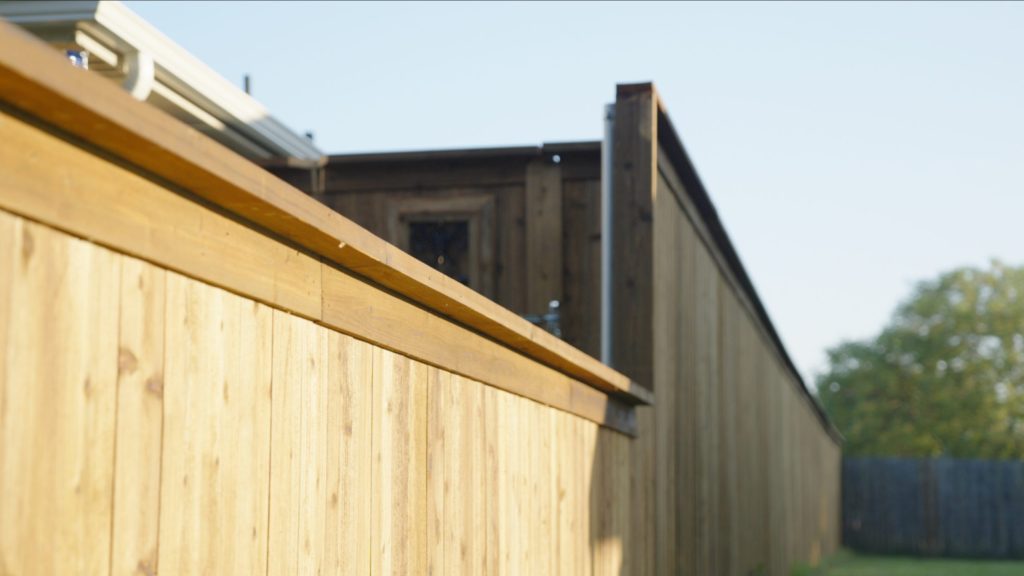
Fence Maintenance Tips to Prevent Rot and Warping
If you have a wood fence in Sherman, TX, you have likely seen the signs: soft boards near the bottom, loose pickets after heavy rain, or panels that start leaning. This guide walks you through practical checks and maintenance steps that help reduce rot and warping before they become expensive fence repair.
A couple of days after a strong storm, it is common to spot new gaps in a fence line. The problem is often not the storm itself, but what happens after: water sits in the wood, fasteners loosen, and boards begin to twist as the season swings from humid to dry.
This article will help you understand what to inspect, how to clean and protect wood correctly, and when it is smarter to call for fence repair instead of waiting for the damage to spread. You will also get a short checklist you can use during your next weekend walkthrough around your property in Sherman, TX.
- Quick answer
- What to check first
- Main things customers should understand
- Why this matters in Sherman, TX
- Common mistakes to avoid
- Customer checklist
- Frequently asked questions
Quick Answer
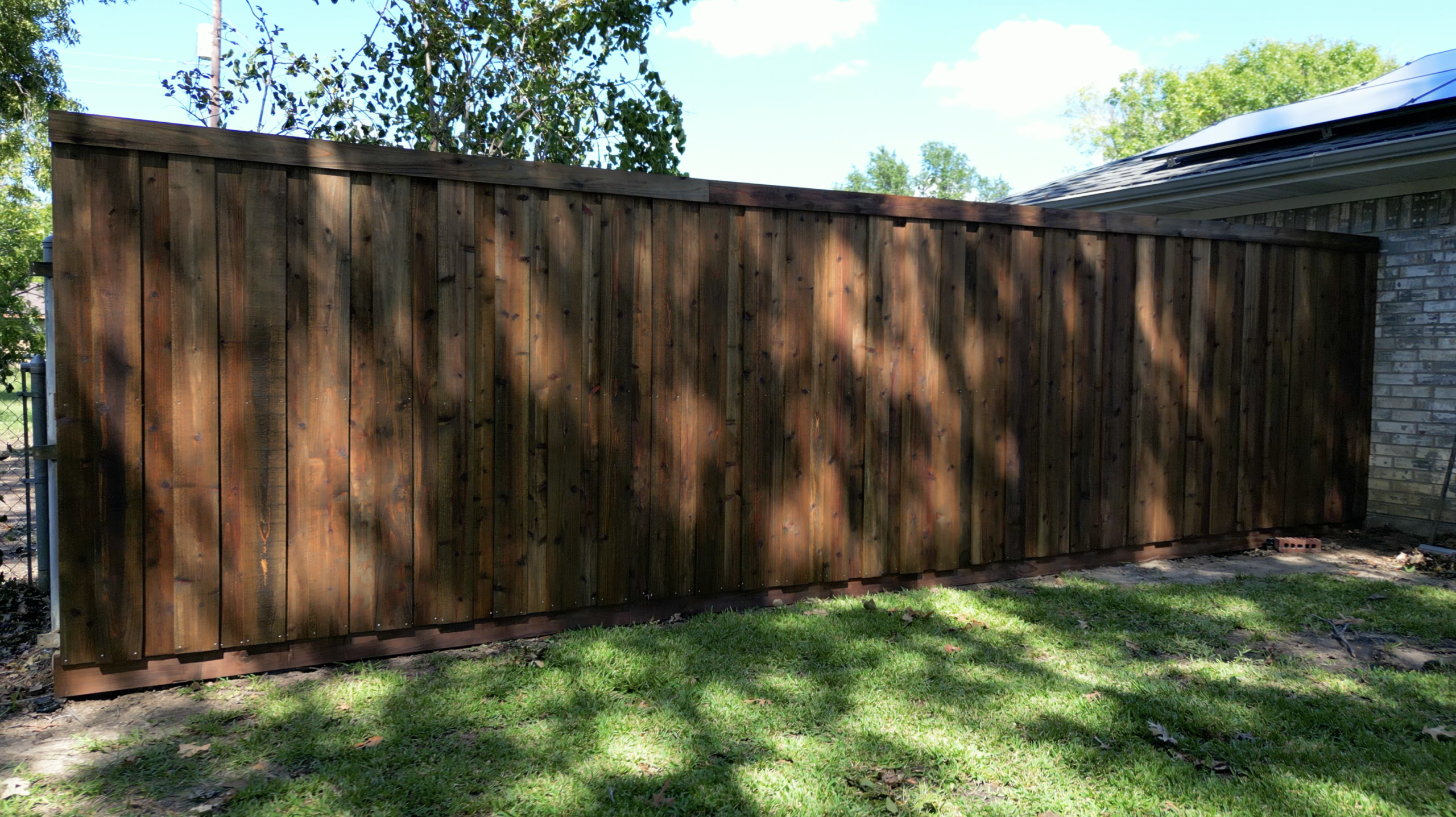
To prevent wood fence rot and warping, focus on moisture control and fastener health. Start by inspecting the bottom rails and the area just above ground level for soft spots, discoloration, and loose boards. Keep vegetation trimmed away from the fence, clear debris that holds water, and ensure water can drain away from posts. Clean lightly when needed, then apply appropriate fence stain or a stain-and-seal approach when the wood is dry and ready. If you already see significant softness or sagging, prioritize repair before restaining.
What to Check First
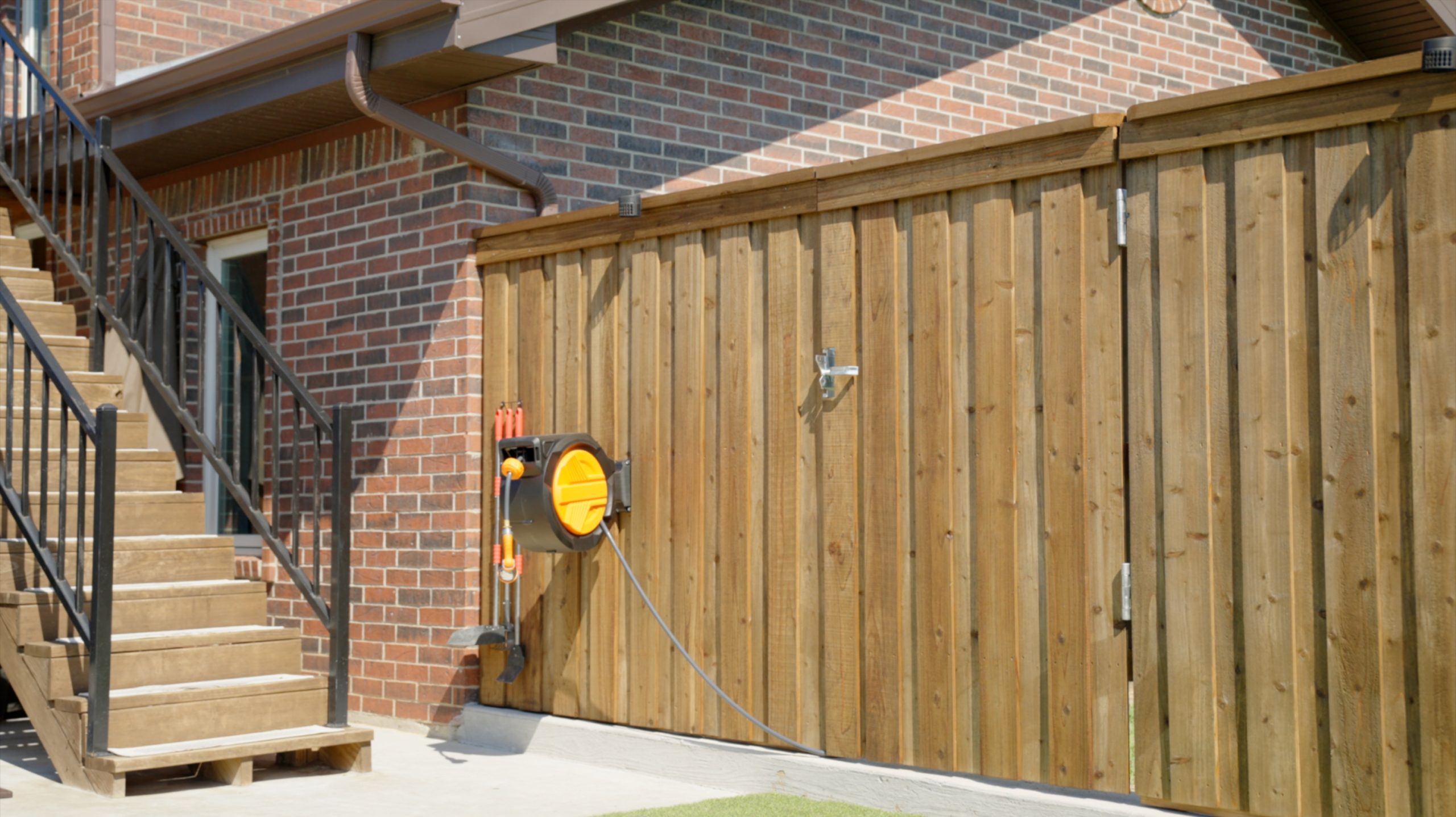
Begin with the parts that get wet the most. In most wood fences, rot starts low and spreads upward, especially where boards contact soil, where water runs down a slope, or where sprinklers splash the same section daily.
Bottom rails and lower boards
Look for dark streaks, peeling finish, and any areas that feel softer than the surrounding wood. Press gently with a screwdriver tip. If it sinks or crumbles, you are past “surface maintenance.”
Posts and post bases
Check for leaning, gaps around the post, and signs of swelling or splitting. Posts that move slightly can loosen the entire panel and increase warping after rain.
Fasteners and rail connections
Confirm boards are still tight to rails. Rusted or stretched fasteners can create movement, and movement allows water to work into the wood.
Professional observation: Many “warped fence” complaints begin as a drainage issue. If water is pooling along the fence line, the wood will keep cycling between wet and dry, which accelerates twisting even if you stain once a year.
Main Things Customers Should Understand
Rot and warping are not random. They are the result of a repeating cycle: moisture exposure, slow drying, and physical movement from temperature and humidity changes. Your goal is to break that cycle in small, practical ways.
Start with the right maintenance rhythm: Do a quick visual walk-through seasonally, then plan your stain schedule around dry conditions. In Sherman, TX, shifting humidity and storm patterns mean you will often get the best results when you avoid sealing wood that is still damp.
1) Keep water from sitting against the fence
Check where runoff flows. If your yard slopes toward the fence or you have a downspout that directs water along the line, wood panels can absorb it repeatedly. Clearing small debris piles and keeping mulch back from the fence can help reduce constant wetting.
2) Use fence staining correctly
Fence stain and seal only help when the wood is clean and dry enough to accept it. Before staining, remove loose debris and address any sections that are already failing. If the wood is soft from rot, staining over it will not fix the underlying problem.
If you are deciding between maintenance for different materials, Lowery Fence & Patio can help you identify the right approach for your fence type, including options for wood fence care and repair planning.
3) Don’t ignore small movement
A panel that shifts a fraction of an inch may not look serious, but it is enough for wind and rain to pry at joints. When boards start to “rack” or twist, fix loose hardware and stabilize the structure before it turns into permanent warping.
4) Match the maintenance to your fence style
Different fence styles experience different stress points. If you have a privacy fence installation, the solid face holds moisture longer than you might expect. If you have a more open design, water still matters, but airflow can reduce how long surfaces stay wet. The bottom line is consistent: treat the wood like it is constantly managing water, not just soaking up rain occasionally.
Why This Matters in Sherman, TX
In Sherman, TX and the surrounding counties Lowery Fence & Patio serves, fences take a lot of “weathering cycles.” Storms bring sudden heavy moisture, then warm, humid stretches can slow drying. That combination makes the bottom rails and near-post areas the first places to fail, especially when soil contact or sprinkler overspray keeps those spots damp.
Local tip: After heavy rain, walk the fence line and check whether any sections stay darker longer than the rest. Those “staying wet” zones are where rot and warping usually start.
Common Mistakes to Avoid
Most homeowners want to protect their fence, but a few common shortcuts can make rot worse or lead to premature failure. Avoid these patterns, especially if you are maintaining a wooden privacy fence or another wood fence installation.
Staining over soft wood
If the board is already soft or cracked from rot, stain cannot restore its strength. Repairs should come first.
Skipping cleaning before a new coat
Dirt and mildew can interfere with how stain bonds. Clean gently, then let the fence dry before applying a new finish.
Letting plants touch the fence
Vines, shrubs, and grass that hug the fence keep moisture trapped and reduce airflow. Trim back vegetation to help the wood dry.
Handy decision rule: If multiple boards show soft spots in one section, plan for fence repair in that area rather than repeated “maintenance coats.”
Customer Checklist
Use this checklist during a simple walkthrough. It helps you catch issues early enough to prevent rot from spreading and to reduce warping that snowballs after storms.
- Walk the fence line after rain and note any sections that stay discolored longer than others.
- Inspect the bottom rails and the first few inches above ground level for softness, splitting, or peeling.
- Check posts for wobble, leaning, or gaps that suggest movement.
- Look for loose boards and rusted fasteners at rail connections.
- Trim vegetation back from the fence by several inches to improve airflow.
- Remove debris and clear small water-trapping areas near the fence line.
- Clean and stain only when the wood is dry enough to accept the finish.
- Document problem spots with notes so you can prioritize repairs before the next wet stretch.
Representative Scenario
Imagine a homeowner in Sherman, TX who notices a gate area sagging slightly after repeated storms. The fence boards near the bottom start to look darker, and a few pickets feel softer when pressed. Instead of restaining immediately, they focus on the affected section first. They stabilize loose connections, address any boards showing early rot, and then plan the stain work once the repairs are complete and the wood can dry properly. That sequence helps prevent the same section from repeating the wet-dry cycle that leads to warping.
Frequently asked questions
How can I tell if my wood fence issue is rot or just normal weathering?
Weathering usually shows as surface fading, mild discoloration, or worn finish. Rot tends to feel different. If a board is soft when pressed, crumbles at the edge, or shows spreading cracks and deep discoloration near the bottom, that is a rot signal. Warping paired with softness is another strong indicator that maintenance alone will not solve the structural problem.
When should I stain a fence to help prevent warping in Sherman, TX?
Plan staining for a period when the wood is dry and you can complete the work without interruptions from rain. If the fence is damp from recent storms, waiting helps the finish bond and reduces the chance of trapping moisture. A practical approach is to inspect after a few dry days, then stain when the boards feel dry to the touch and any cleaned areas have fully dried.
Does fence cleaning help, or will it speed up rot?
Gentle cleaning helps more often than it hurts. Removing debris, mildew, and dirt improves how stain performs and reduces what holds moisture on the surface. The key is to avoid aggressive methods that damage the wood. If a section is already soft from rot, cleaning should be paired with repair, not used as a substitute for replacing failing boards.
What if only one section of my fence is warping?
That is usually a good sign, because it suggests a localized cause. Check for a specific water source, a nearby low spot in the yard, sprinkler overspray, or a post that has started to move. Fixing the local drainage or hardware issue and repairing the affected boards first can prevent the rest of the fence from following the same pattern.
Can I maintain a wood fence myself, or should I call a fence contractor?
You can handle early, surface-level maintenance like trimming vegetation, clearing debris, and planning cleaning and staining. If you find soft wood, sagging sections, leaning posts, or multiple boards failing in the same area, a repair-focused approach is smarter. Lowery Fence & Patio can help you evaluate wood fence repair needs and also coordinate related work like fence staining services when the structure is ready.
Need help deciding what to repair versus restain?
If you are seeing soft boards, loose connections, or warping after storms, the fastest path is usually to fix the problem area first and then protect the repaired wood. Lowery Fence & Patio serves Sherman, TX and nearby counties.
Contact Lowery Fence & PatioWood Fence Care vs. Repair Triggers
Use this table to decide whether you are in “maintenance mode” or “repair mode.” It is designed to help you act sooner, especially if you want to prevent rot and warping from spreading across your fence line.
| What you notice | Likely category | Practical next step |
|---|---|---|
| Surface fading or light finish wear | Maintenance | Clean and plan fence stain when the wood is dry. |
| Peeling finish with mildew near the bottom | Maintenance with prep | Clean the affected area and check for early softness. |
| Soft spots when pressed, crumbling edges | Repair trigger | Repair or replace failing boards before restaining. |
| Leaning posts or gaps at post bases | Repair trigger | Stabilize posts and address movement before finish work. |
| Loose boards after rain and wind | Repair trigger | Tighten or replace fasteners and confirm rail alignment. |
Get the right fence plan for your property in Sherman, TX
Whether your focus is residential fencing, commercial fence installation, or a specific fence type, a clear plan helps you protect the investment. Explore service options, or talk through what you are seeing on your wood fence.
Call 903-833-3623
About Lowery Fence & Patio
Lowery Fence & Patio provides fencing and outdoor living solutions for customers in Sherman, TX and surrounding areas including Collin County, Grayson County, Cooke County, and Fannin County. Their team helps with fence installation, fence repair services, and maintenance support like wood fence care and fence stain services, along with related outdoor projects such as patio covers and concrete services.