
Safety Tips to Prevent Fence Installation Accidents Outdoors
If you are scheduling a fence installation in Sherman, TX, you might be thinking about privacy, access control, or curb appeal. The part that surprises many homeowners and property managers is how quickly a yard can become a work zone with trip hazards, buried utilities, and temporary openings.
A few days before crews arrive, a lot of homeowners and businesses focus on materials and layout. Then the work starts and the risk level changes: gates are removed or left open, posts are being set, and tools and panels move across driveways and walkways.
This guide will help you understand the safety checks that prevent common outdoor accidents during fence installation. You will also get practical steps you can do yourself, plus what to ask your fence contractors so the job stays controlled from start to finish in Sherman, TX.
- Quick answer
- What to check first
- Main things customers should understand
- Why this matters in Sherman, TX
- Common mistakes to avoid
- Customer checklist
- Frequently asked questions
Quick Answer
Before fence contractors begin fence installation, the safest approach is to treat your yard like a temporary work zone: clear walkways, secure pets and kids, and keep vehicles parked away from the line of posts and gate area. Confirm utilities are handled before digging, and plan where crews can stage tools and panels so they do not block exits or create trip hazards. If you want the fence to improve safety and access control, ask how temporary fencing and driveway gates will be managed during the install. For detailed fence options, explore Residential Fencing.
What to Check First
Start with the basics that prevent the most avoidable accidents. Walk the route where the fence will run and identify anything that can be hit or stepped on: hoses, sprinkler heads, garden edging, low branches, loose gravel, and uneven ground near the driveway and sidewalks. Then decide how you will control access during the install so people do not wander into active work areas.
Professional observation: Fence installation is usually safe when the job site is managed like a controlled construction area. Most incidents happen at the boundaries, where homeowners, deliveries, and foot traffic overlap the work zone.
Main Things Customers Should Understand
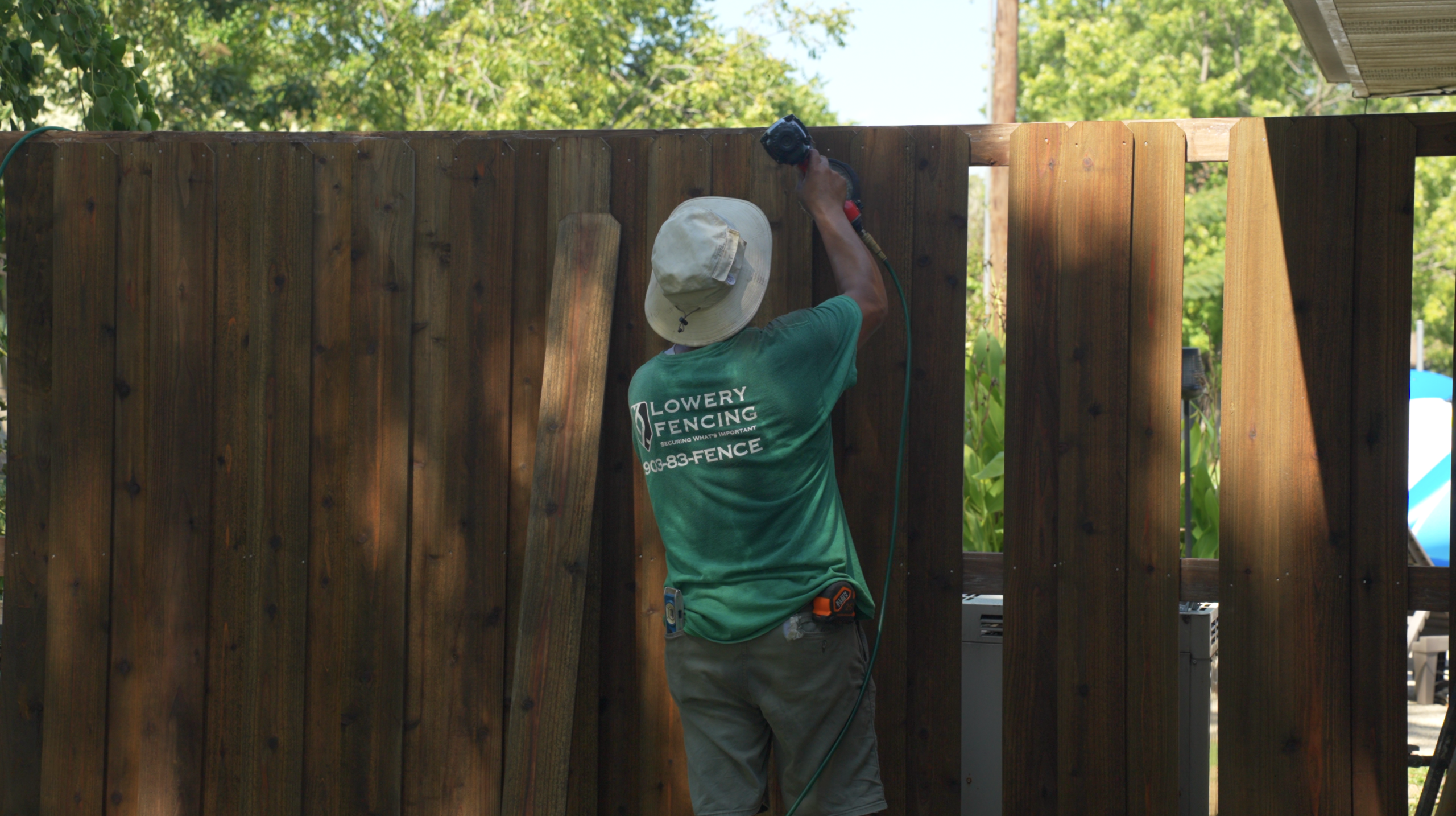
Different fence types create different safety concerns. For example, chain link fence installation often involves tensioning and sharp materials, while wood fence installation can mean more splinters and handling of heavier boards. Wrought iron fence installation may include concentrated lifting points and sharp edges on cut pieces. The safer outcome is not a single trick. It is a set of habits that match the fence system you are installing.
Digging and buried utilities
Post holes create the highest “surprise risk.” Make sure the plan for locating utilities is confirmed before anyone starts digging, and keep the work area clearly marked so nobody steps where equipment is operating.
Sharp edges and panel handling
Whether you are working with ornamental iron fencing, steel pipe fencing, or temporary fence panels, cut ends and edges can be hazardous. Keep children and pets away, and follow site rules for gloves and safe staging.
Access points and gate safety
Gates are the most frequently used “paths” on a property. If the driveway gate installation area is temporarily open, plan an alternate route so foot traffic does not cross where posts are being set.
Practical recommendation: If you are also planning custom patio covers or outdoor living upgrades, coordinate schedules so crews are not sharing the same space. Crowded work areas increase the chance of trips, tool collisions, and blocked emergency access.
Why This Matters in Sherman, TX
In Sherman, TX, yards often include driveways with curbs, landscaping beds close to the fence line, and outdoor living spaces where families gather. That means fence installation safety is not only about the fence itself. It is about protecting the daily routes you use before, during, and after the workday. When crews are setting posts, the most common issues are blocked sidewalks, loose debris left near entry points, and temporary gaps that encourage people to “just squeeze through.”
To reduce risk in Collin County, Grayson County, Cooke County, and Fannin County properties, plan for daylight and weather variability. If the schedule shifts due to conditions, ask how the crew will secure partially installed sections, keep the site tidy, and prevent open areas from becoming hazards overnight.
Fence Installation Safety by Fence Type
Use this decision table to think through what to watch for during the install. It is not a substitute for jobsite safety practices, but it helps you ask better questions.
| Fence type | Where accidents tend to happen | What to ask during the install |
|---|---|---|
| Chain link fencing | Handling materials and tensioning, plus sharp cut ends near walkways | How will they stage rolls and cut sections so edges are controlled? |
| Wood fencing | Splinters, heavy board movement, and debris around gates | How will they keep the gate area clear while posts and rails are being placed? |
| Wrought iron fencing | Sharp ends and concentrated lifting points | What is their plan for controlling offcuts and preventing snag hazards? |
| Temporary fence panels | Trip hazards from panel placement and blocked access paths | Where will temporary sections be stored and how will access be maintained? |
| Driveway gate installation | Open or partially installed gate movement and unclear pedestrian routes | How will they manage the area so kids and guests do not wander into the swing path? |
Plan your fence install safety around real site access
Tell Lowery Fence & Patio what type of fencing you want and where the gate and walkways are. We can help you think through a safer install path for your property in Sherman, TX.
Contact Lowery Fence & PatioCommon Mistakes to Avoid
Even careful people make predictable mistakes during fence installation. The goal is to catch them before the crew arrives and before tools start moving across the yard.
- Leaving children or pets free-range near the work zone, especially when gate areas are partially open.
- Parking vehicles in the line of post holes or where panel staging is planned, which forces last-minute repositioning.
- Assuming utilities are “probably fine” and not confirming the dig plan before holes are made.
- Skipping cleanup between phases (for example, after cutting material). Small debris becomes a trip hazard fast.
- Allowing foot traffic through the fence line instead of marking an alternate route during the install.
- Underestimating gate safety when driveway gate installation is part of the project. A partially installed gate can be moved or snagged.
Customer Checklist
If you want a simple “do this before the first post is set” plan, use the checklist below. It is designed for homeowners and property managers in Sherman, TX who want the install to stay controlled and predictable.
- Clear the fence line and keep walkways open for safe movement.
- Move hoses, planters, and loose decor away from where tools and panels will pass.
- Secure pets indoors and keep kids away from the work zone.
- Confirm the utility and dig plan before any post holes begin.
- Establish a safe entry/exit route that does not cross the driveway gate or post area.
- Plan where materials, including temporary fence panels, will be staged so they do not block access.
- Ask how the crew will secure partially installed sections at the end of each day.
A Representative Scenario (What It Looks Like on a Real Job)
On a typical Sherman, TX residential project, a homeowner schedules fence installation and expects the gate area to remain usable. Midway through the work, the crew needs to set posts near the driveway path. The homeowner had a stroller parked near the fence line and a garden bed edging that sits low to the ground. The crew paused work, cleared debris, moved the stroller out of the work zone, and adjusted the staging location so the walk path stayed safe. That small reset prevented a trip and kept the install moving without rushed, unsafe steps.
Frequently asked questions
How can I reduce the risk of trips and falls during fence installation?
Clear any items along the fence line before the crew arrives. Focus on loose gravel, garden edging, hoses, and anything near the path you use to enter and exit. Ask where materials will be staged and make sure that location does not block walkways or doorways. If you have a driveway gate area in progress, plan an alternate pedestrian route so people do not cross the swing path or step around tools.
What should I do about buried utilities when posts are being installed?
Before digging begins, confirm the dig plan with your fence contractors. The safest jobs start with utilities properly addressed so crews do not guess where lines run. Once the plan is in place, keep the work zone controlled and avoid stepping near marked areas. If you notice flags, marks, or temporary boundaries, keep them visible and do not move them.
Are temporary fence panels a safer option during construction?
Temporary fencing can help manage access during the install, especially for commercial sites or properties with frequent visitors. The key is where the panels are placed and how they are secured so they do not create trip hazards. If your project involves temporary security fencing or event temporary fencing needs, ask how the temporary layout will maintain safe entry and exit routes while posts and rails are being set.
What safety issues should I expect with chain link fence installation?
Chain link materials can include sharp edges where fabric is cut or adjusted. That is why staging matters. Ask how the crew will handle cut ends and store materials so they are not left near walkways. If you are also planning driveway gate installation or access control systems, confirm how they manage the gate area while components are being fitted.
How do I keep the gate area safe when the fence is only partly finished?
Partially finished gate areas are where accidents often happen because people assume they can still pass through normally. Decide on an alternate route for the day, and ask how the crew will secure or manage the gate zone at the end of each workday. If you want to compare gate components, you can review gates so you know what parts may be temporarily inaccessible during installation.
Ready for a safer fence installation plan?
Lowery Fence & Patio helps homeowners and commercial property managers in Sherman, TX plan fence installation with real-world yard access in mind. If you want to match your fencing choice to your site layout, start with the basics and we will help you think through the safest approach.
Call 903-833-3623
About Lowery Fence & Patio
Lowery Fence & Patio is a fencing and outdoor living team serving Sherman, TX and nearby areas including Collin County, Grayson County, Cooke County, and Fannin County. We support residential and commercial fencing projects, including options like wood fence installation, chain link fencing, wrought iron fencing, agricultural fencing, and temporary fence panels, along with outdoor living additions such as custom patio covers and concrete services.