
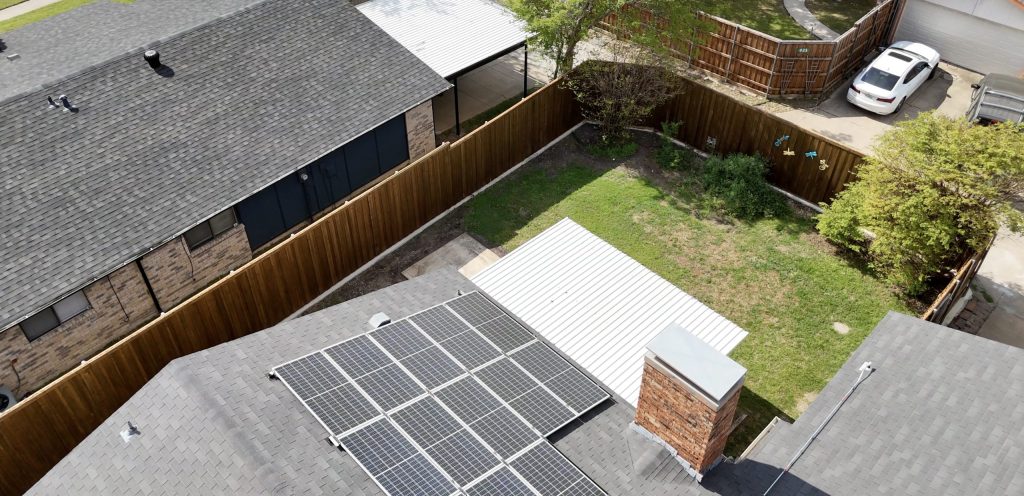
Outdoor living patio builder vs DIY comparison
You find a patio cover style you like, the lumber looks straightforward, and then you start wondering if you should build it yourself or hire a patio and outdoor living contractor in Sherman, TX. This guide helps you weigh the real tradeoffs: planning, materials, leveling, weather durability, and what “finished” should actually mean when you want to enjoy the space for years.
Last month, a homeowner near Sherman, TX called to ask whether they could “just throw up” a patio cover and a few privacy upgrades before the next hot stretch. They already had tools, but they were stuck on one question: should they trust DIY for the structural parts, or bring in a builder to handle it end to end?
If you are comparing DIY versus a professional outdoor living patio builder, you need more than opinions. You need a practical way to judge what is hard to get right (and expensive to fix) versus what is reasonable to tackle yourself. This guide will help you understand the differences so you can plan the project the way your property and schedule actually require.
- Quick answer
- What to check first
- Main things customers should understand
- Why this matters in Sherman, TX
- Common mistakes to avoid
- Customer checklist
- Frequently asked questions
Quick Answer
DIY can work for small, non-structural touches, like painting or minor cosmetic changes, but a patio cover and outdoor living build usually goes smoother with a contractor. A builder helps with layout, measurements, and the “invisible” details that affect how the patio performs over time, especially when rain, sun, and heat cycles hit the materials. If you want a patio that looks straight, feels solid, and stays usable through the seasons, start by getting a plan from Lowery Fence & Patio, then decide which parts you can safely DIY.
What to Check First
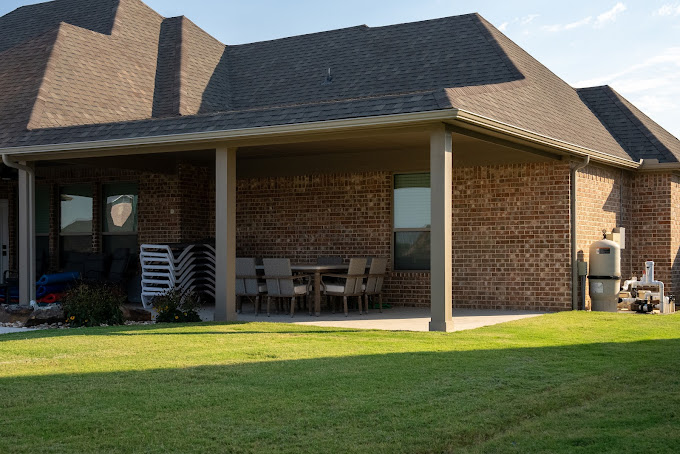
Before you choose DIY or a patio builder, take inventory of what you are actually building. A “patio project” often includes multiple scopes: structural support for a cover, surface prep and base work, and outdoor finishing that holds up to humidity and sun. If your plan includes fencing around the outdoor area, you also want alignment between posts, gates, and any cover columns so everything looks intentional, not patched together.
If your project is structural
Treat it as builder work. Structural choices affect stability, straightness, and how the system manages weather exposure.
If your project is finishing
DIY can be realistic for surface-level tasks, as long as you follow manufacturer guidance and keep the work square and consistent.
If you need multiple trades
A patio builder can coordinate scopes so the patio, cover, and outdoor boundaries do not end up competing for the same space.
Professional observation: Patio cover installs and outdoor living builds fail most often at the transitions, like where posts meet the base or where surfaces meet drainage. Those are the areas DIY plans tend to underestimate.
Main Things Customers Should Understand
The biggest difference between an outdoor living patio builder and DIY is control. When a contractor builds, they plan the sequence, verify measurements, and account for how each material behaves outdoors. When you DIY, the project can feel flexible at first, but you may end up redoing work once you notice alignment issues, uneven surfaces, or components that do not line up cleanly with the rest of your yard.
| Project area | DIY approach | Builder approach |
|---|---|---|
| Layout and measurements | More likely to need rework if the patio line, cover posts, or fencing boundaries shift during the build. | Planned around the site so the patio, cover, and any adjacent fence sections line up visually and functionally. |
| Outdoor durability | Material choices can be correct, but installation details matter for how well it stands up to sun and rain. | Focused on how the system stays usable outdoors, including finishing steps that help protect surfaces. |
| Surface prep and base | Easy to underestimate. Uneven surfaces can cause posts or panels to look off after everything is “set.” | Base and surface work are treated as part of the finish, not something you skip to save time. |
| Fencing integration | Common to build patio elements first and then struggle to match fence post spacing, gate locations, or access points. | Coordinates the outdoor living layout with boundaries, including privacy fence installation and access points. |
| Time and sequencing | Timeline can stretch when parts, tools, or weather slow you down. | More predictable sequencing because the scope is built as a single plan rather than a series of separate tasks. |
Why This Matters in Sherman, TX
In Sherman, TX, homeowners often want outdoor spaces that can handle long hot stretches and sudden storms. That is why the “small stuff” is rarely small. Straight lines matter more when your patio cover becomes a permanent visual focal point, and proper finishing matters when materials sit outdoors year-round. If your outdoor living plan includes privacy or access control around the patio area, it is smart to align those choices early so you avoid moving gate hardware after the cover is already installed.
Local fit tip: If you are adding or upgrading fencing near your patio, consider pairing your patio plan with your fence plan so posts, gates, and outdoor boundaries match. Lowery Fence & Patio also supports fencing projects across Collin County, Grayson County, Cooke County, and Fannin County.
Get a practical patio and outdoor living plan
If you already have a style in mind, share your layout and we will help you think through the build steps and the areas where DIY typically runs into trouble.
Contact Lowery Fence & PatioPrefer to call? 903-833-3623
Common Mistakes to Avoid
A lot of DIY frustration comes from treating the patio cover and the outdoor finishing as separate projects. Once you realize the cover columns affect where fence posts can go, or that a surface that looked “close enough” becomes obvious after everything is installed, you can lose time and money. Here are the most common mistakes we see homeowners try to work around.
- Skipping layout verification. Patio covers and fencing look wrong when measurements drift, even slightly.
- Not planning for drainage and surface prep. Uneven bases can lead to posts and panels that do not sit right.
- Choosing materials first, installation details second. Outdoor performance depends on how components are installed, not just what you buy.
- Leaving access points for last. If you plan driveway gate installation or backyard fencing options, decide early where people and vehicles need to go.
- Underestimating finishing steps. Fence stain and seal, cleaning, and touch-ups matter for long-term appearance.
Customer Checklist
Use this checklist to decide whether you should keep the project DIY or bring in a patio builder. If you hit multiple “not sure” items, it is a strong signal to get professional guidance before you buy materials.
- Do you know the exact dimensions for the patio footprint and the cover support locations?
- Can you confirm the base and surface plan for a level, stable finish?
- Have you mapped any nearby fencing needs such as residential fencing, privacy fence installation, or gates?
- Do you have a finish plan for surfaces that will stay outdoors (for example, fence staining services or related outdoor finishing)?
- Are you planning for access so the patio area connects cleanly to walkways and any driveway gate installation needs?
- Have you priced the “redo risk” if anything is out of square, misaligned, or needs adjustment after installation?
Representative Scenario
A property owner in the Sherman area started a DIY patio cover and then added a privacy fence later. The cover posts were set first, and when the fence line was finalized, the gate location needed to shift for better access. Instead of keeping the look consistent, the homeowner ended up with a mismatched boundary line and extra adjustments. Coordinating the patio structure and the fence layout earlier would have reduced the rework and helped the outdoor area feel unified.
Match the outdoor boundary
If your patio plan includes fencing, review Residential Fencing to think through privacy and layout options.
Plan for access
For gate locations that work with the rest of your yard, see Gates.
Protect and finish
If wood is part of your outdoor plan, compare steps with Fence Staining.
Frequently asked questions
Homeowners in Sherman, TX often ask similar questions when deciding between a patio builder and DIY. Here are practical answers to help you make a confident plan.
Is DIY ever a good fit for a patio cover?
DIY can be a good fit for limited, non-structural tasks, or when your project scope is small and you are confident in layout, base preparation, and installation details. Once you are dealing with support structures, alignment, and the way the cover interacts with nearby fencing or access points, professional planning usually saves time and prevents visible issues after the build is finished.
What is the biggest “gotcha” people run into?
Misalignment. Even when materials are correct, small layout drift can cause posts or panels to look uneven, and it becomes more obvious once everything is installed. Another frequent issue is treating surface prep as optional, then discovering that a patio base that is not properly planned affects how the entire outdoor living system sits.
How does fencing affect an outdoor living patio project?
Patio covers, privacy fence installation, and gates share space and visual lines. If you set cover posts first and decide on fence placement later, you may need to shift gate locations or adjust spacing for the best access. Planning fence and patio layout together helps keep the boundary consistent and reduces redo risk.
What should I ask about finishing for outdoor materials?
Ask what finishing steps are recommended for the specific material you are using and how those steps fit into the project sequence. For wood-based fencing, for example, fence staining and related surface prep can make a noticeable difference in appearance over time. A builder should be able to explain what will be done before and after installation so the final look matches your expectations.
Can a contractor help if I already bought some materials?
Often, yes. A contractor can still review your plan and help confirm whether the materials you selected match the installation requirements and the outdoor conditions in Sherman, TX. The key is bringing a clear layout and scope so you do not end up with incompatible components that create delays or require replacement.
Ready to make your outdoor living plan feel solid?
If you want a patio cover and outdoor setup that looks straight, feels stable, and fits your yard layout, contact Lowery Fence & Patio. We serve Sherman, TX and surrounding areas including Collin County, Grayson County, Cooke County, and Fannin County.
Contact Lowery Fence & PatioCall 903-833-3623

About Lowery Fence & Patio
Lowery Fence & Patio provides fencing and outdoor living services for property owners in Sherman, TX and nearby communities. From residential fencing and gates to outdoor upgrades like patio covers and related outdoor finishing, the team focuses on practical planning so your exterior spaces work together as one.