
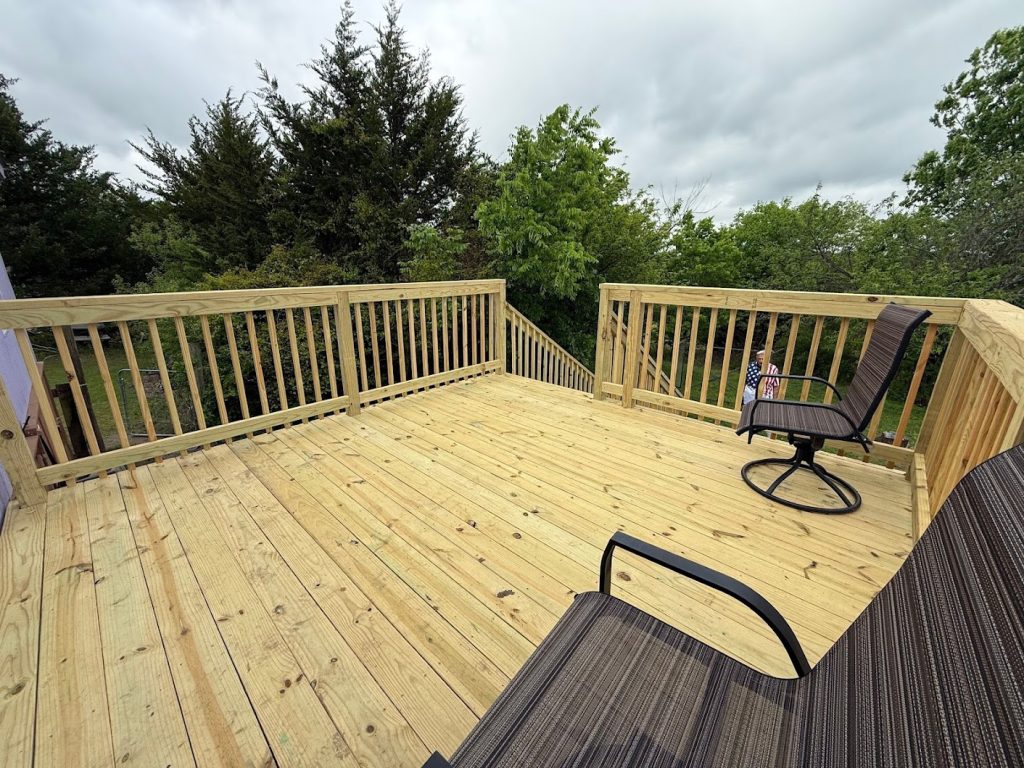
Signs Your Deck Needs Installation Before Safety Issues
If your deck feels “off” when you walk on it, or the railing no longer feels dependable, it is worth addressing sooner rather than later. This guide covers the warning signs homeowners in Sherman, TX often notice, what to check first, and how to decide when deck work should happen before a small problem becomes a safety issue.
If you have a deck that creaks more than it used to, has boards that feel spongy, or the stairs seem to shift when someone steps down, you might be thinking about “putting it off until later.” In Sherman, TX, the combination of sun exposure, heavy rain periods, and seasonal temperature swings can speed up wear on outdoor framing and surfaces.
Many homeowners also notice railing wobble or gaps that weren’t there before. Once movement starts, it can affect how safe the whole walking path feels, especially around corners and stair landings.
This guide will help you spot the most practical safety signals, understand what “needs installation” can mean in real-world deck conditions, and plan next steps with confidence.
- Quick answer
- What to check first
- Main things customers should understand
- Why this matters in Sherman, TX
- Common mistakes to avoid
- Customer checklist
- Frequently asked questions
Quick Answer
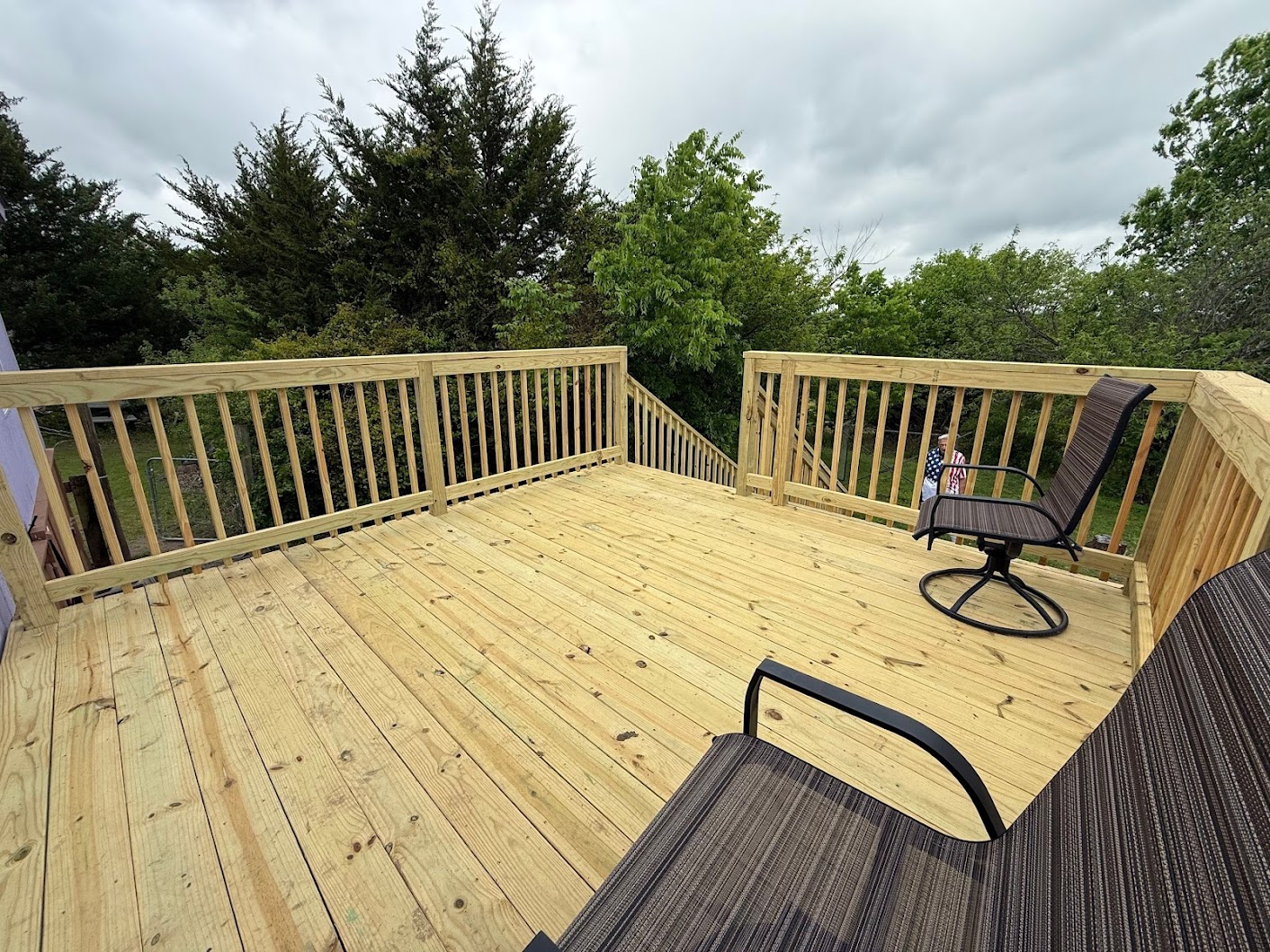
If your deck shows noticeable movement, sagging, loose or deteriorating boards, or railing that feels unstable, it is time to address installation or replacement before it becomes a bigger safety issue. Start by checking the most walked-on areas and the stair/landing system, then document what you see. In Sherman, TX, outdoor materials can wear faster with cycles of heat and moisture, so delays often make problems harder to fix. A practical next step is a professional evaluation of the deck framing and surface condition, so you can plan repairs or a rebuild with clear safety priorities.
What to Check First
Before you decide on deck work, focus on the signs that affect stability and safe use. Walk the deck slowly and pay attention to areas that feel soft, unusually springy, or “different” from the rest of the surface. Then check stairs and landings, because uneven support or worn stringers can create the most urgent trip and fall risk.
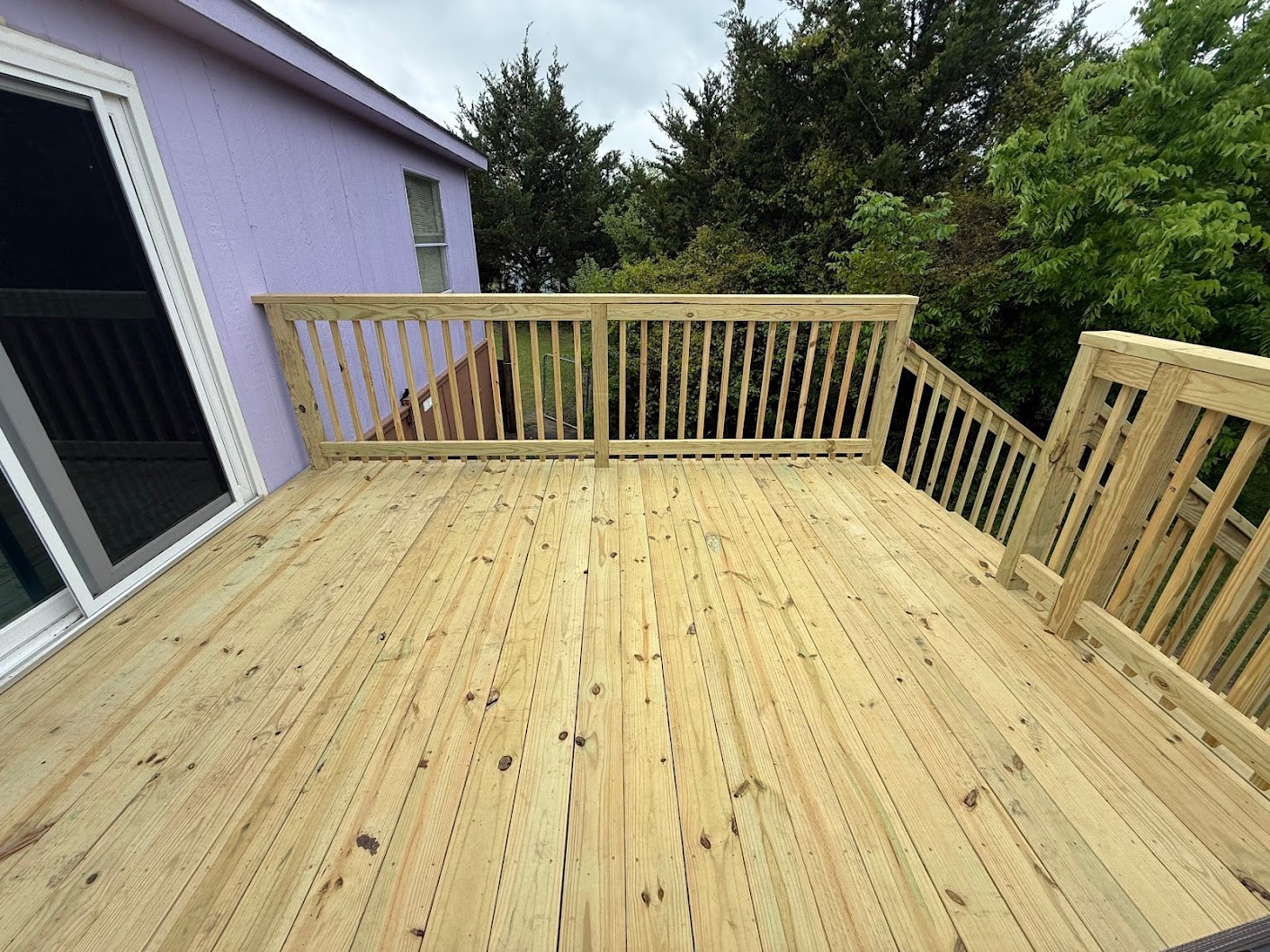
Professional observation: If you can visibly see gaps widening, fasteners backing out, or railing components shifting, the deck is already telling you it needs attention now, not later.
Main Things Customers Should Understand
“Needs installation” does not always mean the entire deck must be rebuilt. In many cases, the deck may require targeted installation work such as reinforcing components, replacing deteriorated sections, or reworking the stair and railing system so it feels solid again. The key is that safety concerns are usually driven by the structure beneath the surface, not just the top boards.
Surface wear that changes how it feels
Cracked, cupped, or soft boards can create slip and trip hazards. If the deck surface feels uneven underfoot, the problem may be more than cosmetic.
Railing and guard stability
Any railing that wobbles, twists, or separates from posts reduces confidence in the deck’s safety system, especially near stair steps.
Stairs and landing alignment
Stair components can shift when support is compromised. Uneven treads or a landing that feels unstable are signs to prioritize evaluation.
In day-to-day service, one of the most common findings is that what looks like “just a couple boards” often points to underlying movement. When you have repeated moisture exposure and temperature changes, fasteners can loosen and wood members can degrade in ways that are not obvious from the top surface.
Why This Matters in Sherman, TX
Decks and rails in Sherman, TX need to handle sun, rain, and seasonal swings that can expand and contract materials. That movement can gradually loosen connections, especially around edges, corners, and stair areas where water collects and traffic concentrates. When you notice deck instability in these zones, getting help sooner can prevent a safety issue from spreading through the system.
If your deck shares space with gates or outdoor access, it is also a good time to think about the overall yard safety flow. For example, if you are updating backyard fencing or adding access control features, coordinating timing can help you maintain safe pathways while deck work is underway. You can explore related outdoor projects like deck building and outdoor living upgrades that fit your property layout.
Decision Table: What You See vs. What to Do
A quick way to organize your next steps is to match the most noticeable symptoms to the likely action. Use this as a starting point, then confirm with an on-site evaluation to determine which parts need installation or replacement.
| What you notice | Why it matters for safety | Practical next step |
|---|---|---|
| Boards feel soft, spongy, or uneven | Footing can shift, increasing slip and fall risk | Have the deck surface and underlying support evaluated before using the area heavily |
| Railing posts wobble or detach | Guarding is less reliable during movement or slips | Prioritize stabilization work so the guard system feels secure |
| Stairs or landing move when stepped on | Inconsistent footing can cause trips | Schedule inspection focused on stair/landing support and alignment |
| Fasteners back out or visible gaps increase | Connections can weaken and compound over time | Document locations and request a structural assessment, not just surface fixes |
Actionable recommendation: If you see railing instability or stair movement, treat it as an urgent safety item. Use the deck more cautiously until it can be inspected, and plan the repair sequence so you are not relying on a shifting structure.
Need a deck safety evaluation in Sherman, TX?
Lowery Fence & Patio can help you assess deck-related outdoor living concerns and plan next steps. If you are also working on gates or yard access, we can coordinate recommendations across your outdoor systems.
Contact Lowery Fence & PatioCommon Mistakes to Avoid
When homeowners try to “patch” deck safety issues, the fixes sometimes miss the cause. Here are the most common mistakes we see that can increase risk or raise repair costs later.
- Replacing only surface boards when the deck feels unstable underneath, which can leave compromised support in place.
- Ignoring railing wobble because it “seems minor,” even though guard systems should feel solid and dependable.
- Delaying stair/landing issues until they become visibly misaligned or difficult to use safely.
- Relying on cosmetic fixes like painting or staining without addressing movement or loose connections first.
- Working on outdoor components without coordinating yard access, especially if your deck connects to gates, walkways, or other fenced areas.
Customer Checklist
Use this checklist to gather the right information before you contact a contractor. The goal is to describe what is happening clearly so installation and safety work can be planned efficiently.
- Walk the deck slowly and note which areas feel soft, bouncy, or uneven
- Check stairs and landings for movement, uneven treads, or shifting when stepped on
- Test railing stability gently and note any wobble, gaps, or loose posts
- Look for backed-out fasteners, visible cracking, or expanding gaps along edges and corners
- Confirm where water collects after rain, especially near stair bases and deck edges
- Decide how you want to use the deck safely until repairs are scheduled
Representative Scenario: A Deck That “Feels Off” After Rain
A homeowner in Sherman, TX notices that after heavy rain, the deck boards near the outer edge feel more flexible than the center. Over the next few weeks, the stair landing also seems slightly out of level. Instead of waiting for the problem to “settle,” they schedule an inspection focused on stability and connection points. The evaluation identifies areas where structural support and guard components need installation updates so the deck feels safe and dependable again for everyday use.
Frequently Asked Questions
Here are a few common questions homeowners ask when deciding whether deck installation or replacement work should happen before safety issues escalate.
What are the biggest safety signs I should not ignore on a deck?
The most urgent signs are noticeable movement underfoot, soft or uneven boards, railing that wobbles or shifts, and stairs or landings that feel unstable. If fasteners are backing out or gaps are increasing along edges and corners, treat it as a safety-related issue. When these symptoms show up together, it usually means the deck system is changing, not just the surface.
Is staining or painting a safe fix if my deck looks worn?
Stain and paint can help protect surfaces, but they do not restore compromised structure or stop underlying movement. If you feel wobble, sagging, or softness when walking, address the stability first. Once the deck is sound, surface protection can be a helpful follow-up step to improve appearance and outdoor durability.
Should I use the deck while repairs are being planned?
If the deck feels uneven, railing is unstable, or stairs shift when stepped on, it is wise to limit use until it is inspected. Focus on safe access and avoid heavy traffic in the problem areas. A professional evaluation can help you decide what can be used safely short-term and what needs immediate installation work.
Can deck safety issues be related to nearby fencing or gates?
Sometimes. If your deck connects to a walkway, gate area, or outdoor access route, yard systems can influence how people move through the space. If you are also updating fences, gates, or access points, coordinating outdoor work can help maintain safer pathways while deck installation or repair is underway. If you are considering access upgrades, you can review options like gates.
Do you also help with related outdoor living projects?
Yes. Lowery Fence & Patio supports a range of outdoor living improvements that often pair well with deck updates. Depending on your property needs, you may also look at custom patio covers for weather comfort or other outdoor structures that improve how the whole space is used year-round.
Ready to address deck safety before it worsens?
If your deck feels unstable, railing is not as firm as it used to be, or stairs have started to shift, getting an evaluation in Sherman, TX can help you plan the right installation work with safety first.
Schedule a Consultation
About Lowery Fence & Patio
Lowery Fence & Patio is a fencing and outdoor living company serving Sherman, TX and nearby areas including Collin County, Grayson County, Cooke County, and Fannin County. We help homeowners and commercial customers with practical outdoor upgrades, including fencing solutions and outdoor living projects, with a focus on safe, functional results.