
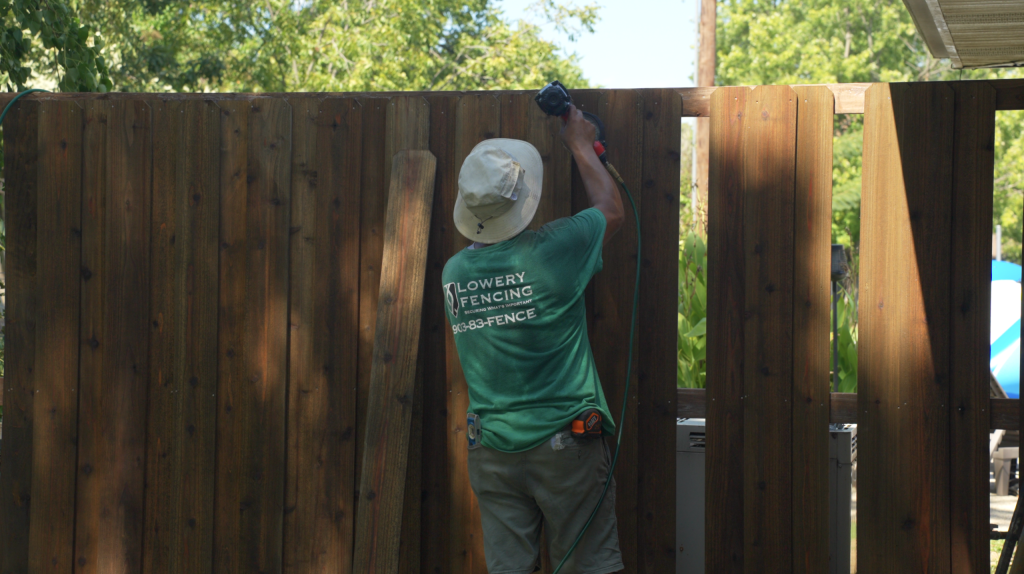
Warning Signs Your Fence Needs Professional Installation Now
If your fence in Sherman, TX is shifting, sagging, or no longer closing the way it should, it is not just an eyesore. Small installation problems can turn into larger security gaps, higher repair costs, and faster wear from Texas sun, wind, and seasonal moisture.
Maybe you noticed a section that looks “a little off” after a windy week, or your gate now needs extra force to latch. In Sherman, TX, that kind of change often happens quietly, right up until the fence starts failing where you need it most.
This guide will help you spot the warning signs that your fence installation is not holding up, understand what professional installation does differently, and decide when it is time to schedule service with a fencing contractor.
Quick Answer
If your fence is leaning, sagging, or your gate will not close smoothly, it usually points to installation issues like improper alignment, weak support, or hardware that was not set up to handle real load over time. In Sherman, TX, wind and seasonal ground movement can make these problems show up fast. The practical next step is to inspect posts and gate hardware first, then contact a fence contractor for an on-site evaluation. Professional fence installation helps correct the foundation, spacing, and alignment before the issue spreads.
What to Check First
Start with the “movement points,” because they are where installation problems show up first. Walk the perimeter and test each gate and latch operation. Then check the posts you can see: if you notice wobbling, uneven gaps, or sections that look higher on one end than the other, the underlying support may be failing. For chain link fence installation or repairs, pay close attention to tension and the condition of framework joints.
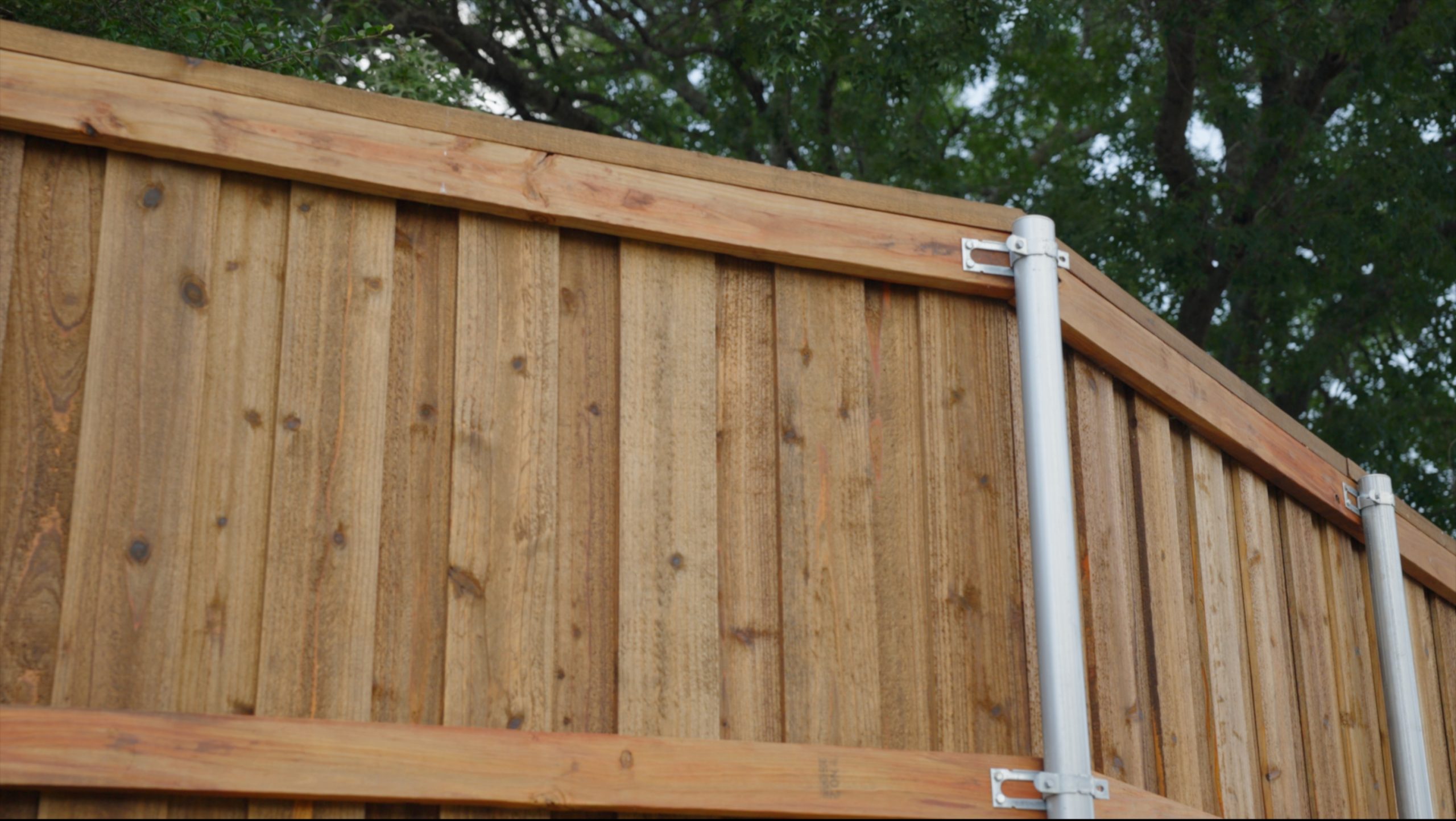
Professional observation: When a fence changes behavior suddenly, it is often tied to how posts and gates were set, braced, or aligned during installation.
Main Things Customers Should Understand
A fence is a system. Posts, rails, panels, and gates must be installed in a way that lets the fence stay straight as weather and soil conditions change. When any part is rushed or misaligned, the rest of the structure starts compensating, which can create widening gaps, accelerated rust, or a gate that binds. Below are the most common “warning sign” patterns we see before a fence needs professional rework.
1) Leaning posts and uneven fence lines
A slight twist can be normal over time, but noticeable leaning usually means support depth, bracing, or alignment was not handled correctly. If you see multiple posts leaning in the same direction, that often points to installation layout or bracing issues rather than just aging.
2) Gates that sag, drag, or won’t latch
Gate performance depends on level installation and properly set hardware. If your driveway gate installation takes extra effort to close, or the latch hits at an angle, the issue is often hardware alignment, post stability, or incorrect gate geometry.
3) Panels pulling away or growing gaps
Privacy fence installation and wood fence installation can look fine at first, but gaps can widen when rails and fasteners are not installed to stay rigid under load. Wind can exaggerate small spacing issues quickly.
Hand-on scenario: A homeowner in Sherman, TX replaces a few damaged boards but keeps the original posts. After a few seasons, the fence line starts drifting again because the existing support is already out of alignment, so the new sections do not “match” the corrected structure.
If you are comparing options for fencing materials, it helps to match the installation approach to the product. For example, wood fencing often depends on correct post setting and moisture management, while ornamental iron fencing and wrought-iron fence installation require careful alignment so the gate swings true. If you are considering a replacement, explore dedicated service pages like Residential Fencing, wood fence options, or chain link fencing to see what the process typically includes.
Why This Matters in Sherman, TX
In Sherman, TX, fences live through hot sun, spring storms, and the kind of wind that can test every connection. When a fence was not professionally installed, small issues such as loose hardware, inconsistent spacing, or posts that were not braced properly can show up as sagging, rattling, and latch problems. That is why you may see deterioration faster near gate openings and corners, where loads concentrate.
| Warning sign you notice | Likely installation cause | What a professional inspection focuses on |
|---|---|---|
| Gate drags or won’t latch cleanly | Hardware alignment and post stability | Hinge and latch alignment, gate level, support movement |
| Fence line looks “bowed” | Layout, bracing, or rail installation inconsistencies | Straight-line alignment, bracing strategy, panel spacing |
| Posts wobble when pushed | Insufficient support and inadequate bracing | Post stability, settlement risk, correction plan |
| Chain link framework looks loose | Improper tension or joint fastening | Tensioning approach, joint condition, repair vs. reset |
Need an on-site fence installation evaluation?
If you are seeing leaning posts, gate misalignment, or widening gaps around your property in Sherman, TX, Lowery Fence & Patio can help you understand what is driving the issue and what to address next.
Schedule service with Lowery Fence & PatioCommon Mistakes to Avoid
A lot of fence failures are preventable. The most common mistakes we see are people trying to patch over structural movement, using hardware that does not match the fence type, or assuming a “small” problem is localized when it is actually connected to the posts and bracing. If you have already replaced a few boards or tightened a hinge, but the fence still drifts, that is a sign the installation system needs a more complete correction.
- Do not keep adding material to a fence line that is already out of alignment.
- Do not force a gate to latch if it is binding. That pressure can loosen hinges and posts.
- Do not ignore the corner and gate areas. Those zones handle the highest loads.
- Do not choose a fence without thinking about access control needs, especially for driveway gate installation.
- Do not postpone repairs when posts wobble or panels pull away. Early corrections are typically simpler.
Customer Checklist
Use this checklist during your next walk-around. It helps you describe the issue clearly and gives your fence contractor the details needed to recommend the right next step, whether that is repair work, a reset, or complete fence installation.
Quick action checklist: Take note of what moved, where it moved, and when it started. If possible, check after windy days or heavy rain so you can compare behavior.
- Identify the exact sections that lean, sag, or create larger gaps.
- Test every gate: open, close, and latch without pushing or pulling.
- Check post wobble by gently pressing at mid-height.
- Look for rust progression on metal components and looseness at joints.
- Confirm fence line consistency: top rail height and panel spacing.
- Document problem areas with notes so you can explain them clearly.
Frequently asked questions
Homeowners and property managers in Sherman, TX often ask similar questions when their fence starts acting “off.” Here are practical answers to the most common concerns.
How can I tell if my fence needs professional installation or just repair?
What should I check first for gate problems?
Does fence staining or fence cleaning fix installation issues?
Can temporary fence panels be a long-term solution?
What fencing types are most sensitive to installation mistakes?
Get your fence back to reliable performance
If you are in Sherman, TX and noticing leaning posts, sagging sections, or a gate that does not latch smoothly, contact Lowery Fence & Patio for a practical on-site review of your fencing and outdoor living setup.
Call 903-833-3623
About Lowery Fence & Patio
Lowery Fence & Patio provides fencing and outdoor living services for property owners in Sherman, TX, including nearby areas across Collin County, Grayson County, Cooke County, and Fannin County. From residential fencing and commercial fencing to gates and access control systems, the focus is on helping customers choose and install the right fence solution for long-term reliability.