
How Often Should You Inspect and Maintain Fencing?
If your fence has started looking “a little off” after storms, seasonal heat, or busy yard seasons around Sherman, TX, you are not alone. A quick inspection schedule can help you catch loose parts, failing finishes, and early wear before it turns into a bigger repair.
- Quick answer
- What to check first
- Main considerations
- Local factors for Sherman, TX
- Common mistakes
- Customer checklist
- Frequently asked questions
Quick Answer
Inspect your fence at least every season, with an extra check after heavy storms or high wind. Plan basic maintenance twice a year: one round in spring to clear debris and check hardware, and one round in fall to address finish wear and keep water from collecting at posts. If you have a gate, treat it as a separate system and check it monthly for smooth operation and proper latching. When you spot movement, rust-through, or finish breakdown early, prompt repairs usually cost less than waiting for sections to fail.
What to Check First
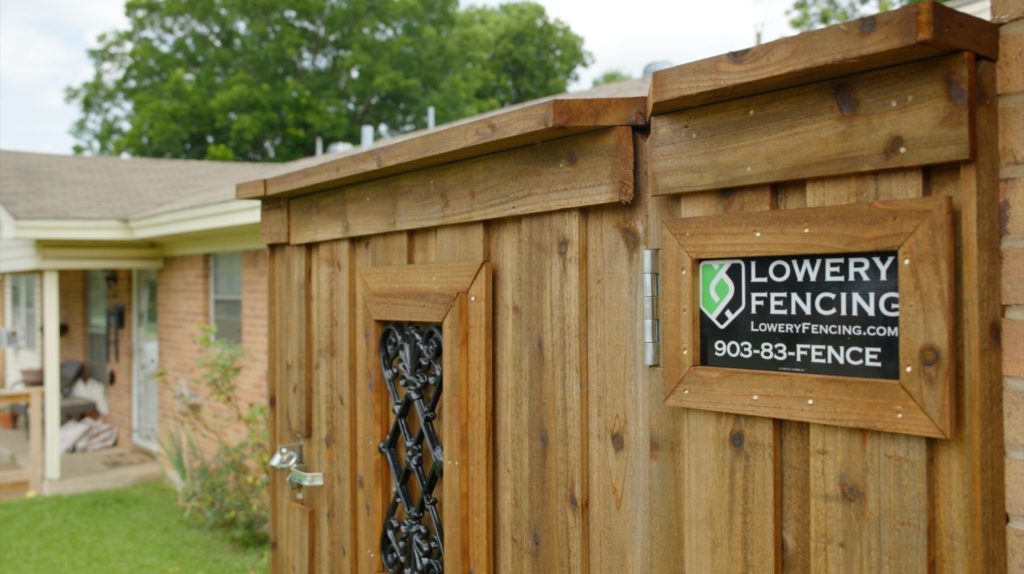
Start with the “connection points” because that is where most fences lose strength: post bases, hinges, latch areas, and any spots where two materials meet. Walk your line slowly and look for leaning, gaps that are widening, and hardware that looks stretched, bent, or missing. Then check how the fence behaves: does it flex more than it used to, does a gate sag, or do panels rattle when you close the door? Those signs help you decide whether you need cleaning, tightening, staining, or a repair.
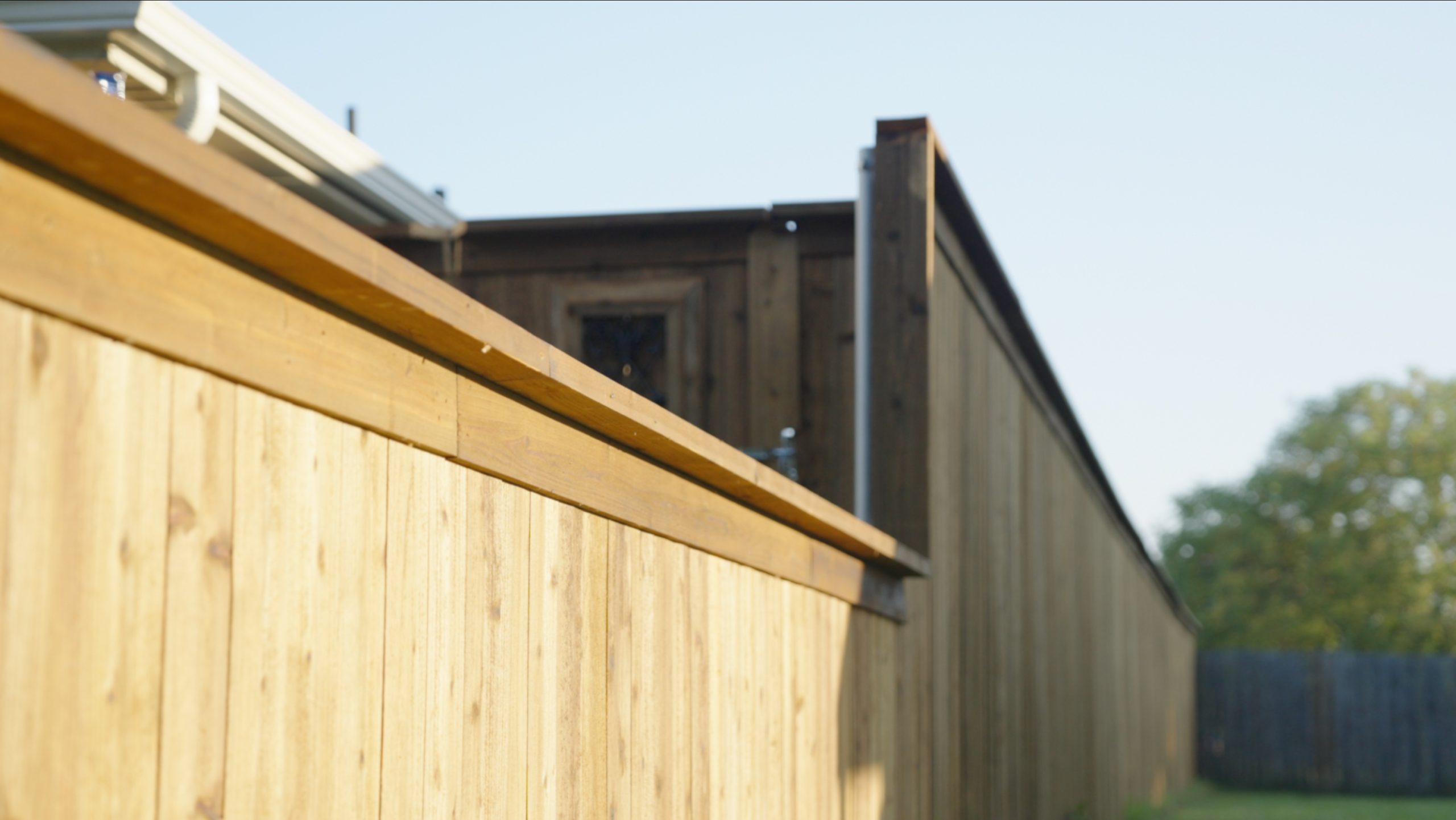
Professional observation: The earliest issues are usually small. A slightly loose hinge or a finish thinning at the bottom edge can trigger faster rust, rot, or warping, especially when moisture sits against posts.
Main Things Customers Should Understand
The right inspection rhythm depends on the fence material, how much direct weather it takes, and how often it is used. In Sherman, TX, your fence sees hot summers, seasonal humidity swings, and yard activity that can stress gates and access points. If you want a simple system, treat your fence as three categories: structure (posts and rails), operation (gates and latches), and finish (stain, coating, or surface protection).
Structure checks
Look for leaning posts, rail sag, and fasteners that have backed out. For wood fencing, also check for soft spots near the ground line. For metal fencing, watch for early coating breaks that can become rust spots.
Gate and access checks
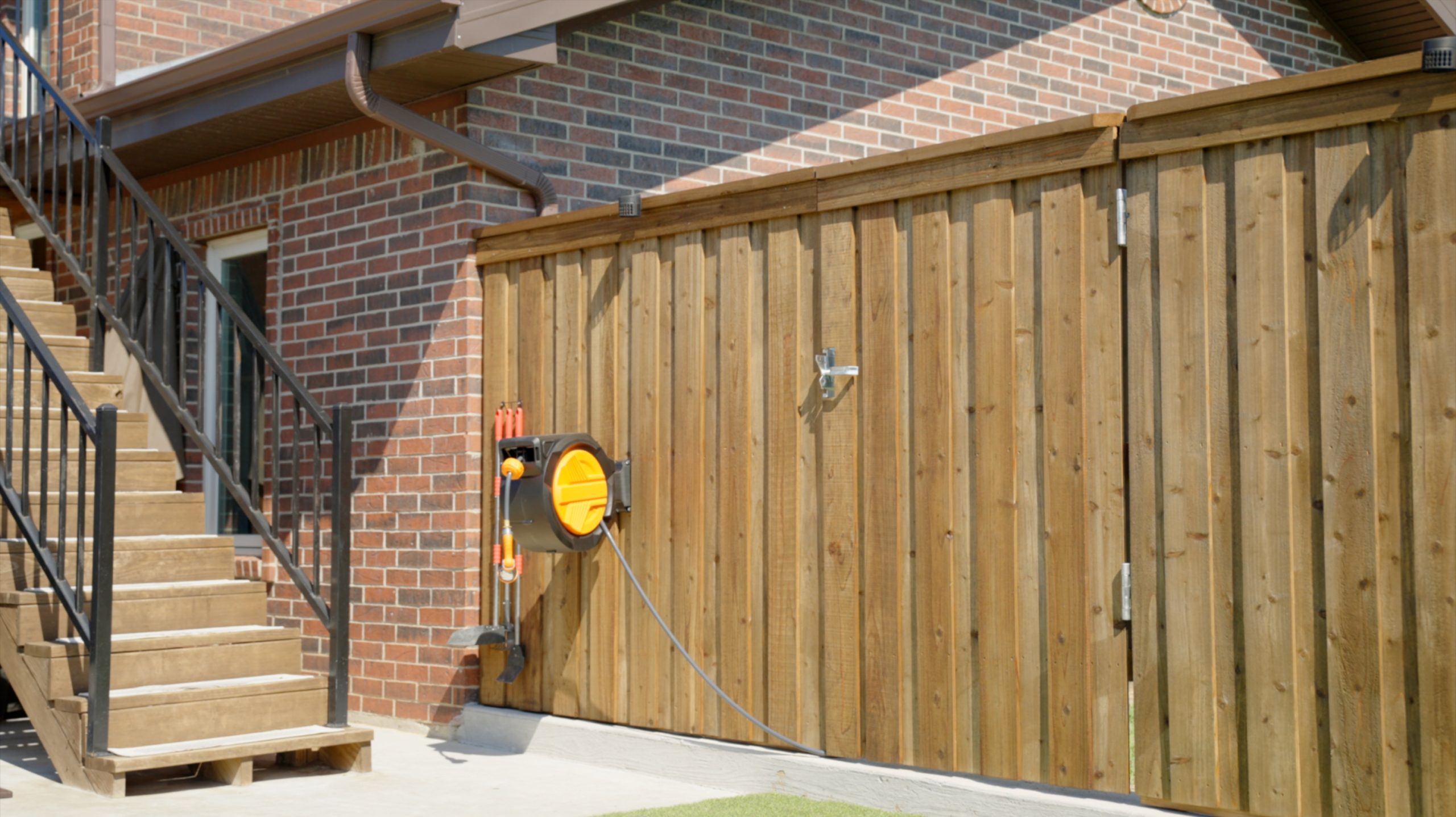
Gates are high-movement components. Confirm proper alignment, smooth swing, and latch engagement. If you use an entry gate often, inspect the hinge side first and the latch side second.
Finish and surface checks
Clean when needed and address finish wear before it spreads. If you maintain wood fencing with timely stain care, you help slow cracking and protect against moisture intrusion. For wood fence care, see fence staining.
| Fence type or feature | How often to inspect | What to look for | When to schedule help |
|---|---|---|---|
| Wood fencing | Seasonally, plus after storms | Soft spots, finish thinning, loose boards near ground | If you see rot-like softness, widespread finish failure, or repeated board loosening |
| Chain link fencing | Seasonally | Loose tension, bent posts, broken ties, coating wear | When sections start to sag or repairs require replacing damaged mesh |
| Wrought iron or ornamental iron | Seasonally | Chipping paint/coating, rust-through points, loose brackets | If rust is spreading or structural parts are loosening |
| Gates (all types) | Monthly for operation, seasonally for structure | Sagging, hinge wear, latch misalignment, dragging | When the gate will not align cleanly or latch engagement weakens |
| Temporary fence panels | Before each event and after wind-heavy days | Loose connections, panel stability, ground anchoring | If panels shift or you cannot keep them stable for safe use |
Quick decision tip: If the fence is moving, do not just “touch up” the finish. Movement usually points to a structure or hardware issue that needs attention first.
Why This Matters in Sherman, TX
In Sherman, TX, fences often experience more stress during peak yard seasons, and sudden weather swings can reveal weaknesses quickly. After heavy wind, check for shifting panels and gates that suddenly drag or refuse to latch. If your fence sits near landscaping, also inspect where sprinkler overspray or runoff repeatedly hits the same post areas. That kind of consistent moisture can shorten how long wood fencing stays protected and can speed up corrosion where metal coatings have thin spots. If you are planning access improvements, you may also want to review gate options that match how you use your property.
Common Mistakes to Avoid
People usually wait for visible damage that seems “bad enough” to justify maintenance. The problem is that fence failure is often a chain reaction: a small hardware issue becomes a misalignment, which creates uneven stress, which then accelerates finish breakdown. Another mistake is using the wrong approach for the material, especially with wood. If you clean without addressing finish readiness, you can leave surfaces uneven for stain or protective coatings. A helpful next step is understanding the finish care process; for wood-specific steps, you can explore wood fence options.
Waiting until boards are missing
If you see one loose board repeatedly, it is usually a sign that the post, rail, or fastener system needs correction.
Ignoring gate alignment
Gates that scrape or sag often indicate hinge wear or frame shift. Fixing alignment early prevents larger structural strain.
Spot-treating without a system
Finish breakdown spreads. A patch that does not match the surface condition can look uneven and may not last as long as a more complete approach.
Customer Checklist
Use this simple schedule to keep your fence in good shape without overthinking it. If you find an issue, make a note of the location and how it changes over time. That information helps when you decide whether it is a basic maintenance item or a repair.
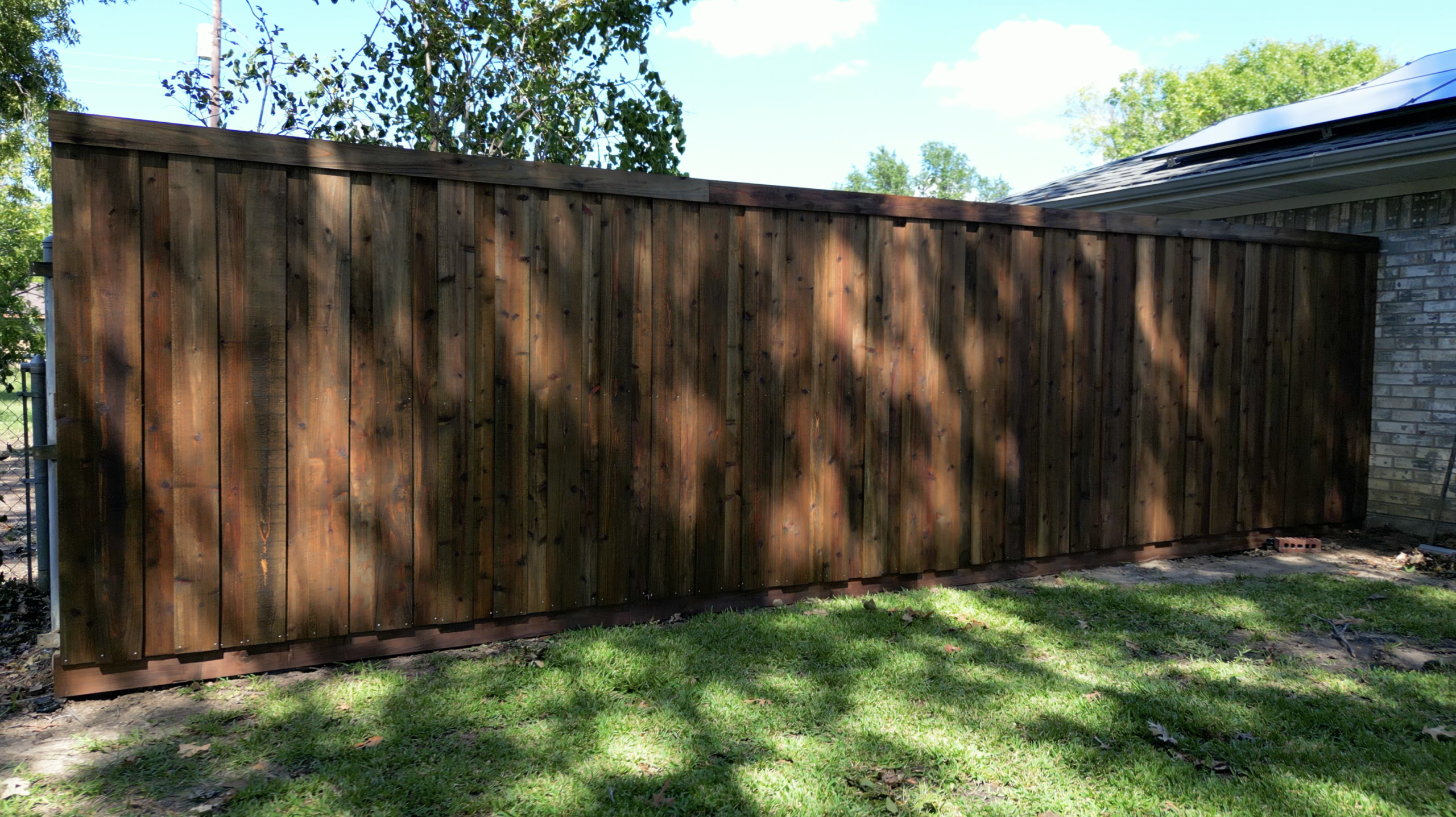
- Walk the fence line and note any leaning posts, widening gaps, or sections that no longer look straight.
- Check hardware at corners and mid-spans: tighten or replace loose fasteners and inspect rails for sagging.
- Test gate operation: open and close slowly, verify smooth swing, and confirm the latch engages consistently.
- Inspect the finish line near the ground: look for thinning stain, chipping coating, or areas where water collects.
- Clear debris from fence bases and check for vegetation contact that holds moisture against posts.
- After storms or high winds, repeat the gate check and look for shifting panels or misaligned frames.
Representative Scenario
A homeowner near Sherman, TX notices their driveway gate started dragging a little after a windy week. Instead of waiting for the gate to fully bind, they do a quick monthly check and find the hinge side has shifted slightly. Once that alignment issue is addressed, the gate swings freely again. They also inspect the fence line at the same post location and see finish wear concentrated at the bottom edge where runoff hits. That combination of structure attention and finish monitoring keeps the issue from turning into a repeated repair cycle.
Frequently asked questions
These are common questions we hear from homeowners and property managers when they are deciding how often to inspect fencing and what maintenance should look like.
Do I really need to inspect my fence every season?
What is the most important part to check on a gate?
How do I know whether I need cleaning or staining?
Can chain link fencing maintenance be “too minimal”?
What should I do after a storm?
Need help deciding what to maintain versus repair?
Lowery Fence & Patio can help you evaluate your fence condition in Sherman, TX and recommend next steps for your material type and gate setup.
Request a fence inspectionKeep access and privacy working year-round
If your gate, fence line, or finish is showing early wear, addressing it promptly helps protect your investment. Call 903-833-3623 to talk through your situation.
Call Lowery Fence & Patio
About Lowery Fence & Patio
Lowery Fence & Patio provides fencing and outdoor living services for customers in Sherman, TX and surrounding areas including Collin County, Grayson County, Cooke County, and Fannin County. From residential and commercial fencing to gate solutions, fencing repairs, and fence staining services, our goal is to help you maintain safe, functional fencing that fits how you use your property.