
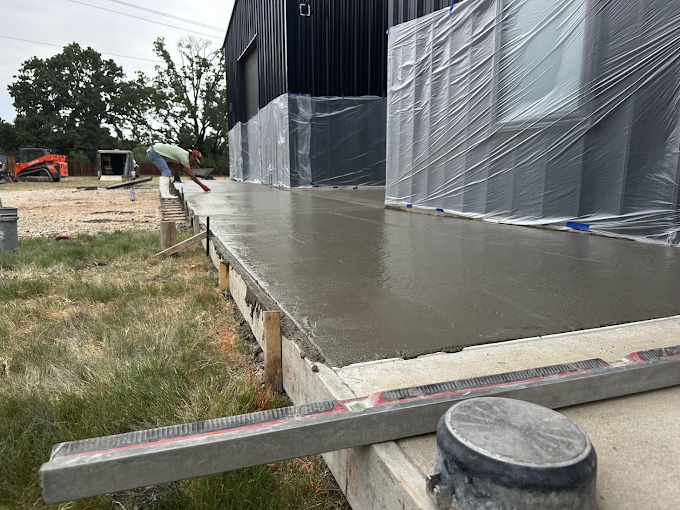
Signs Your Patio Needs Builder Attention Now
If your patio cover, pavers, or outdoor living setup has started to feel “off,” you are not imagining it. In Sherman, TX and the surrounding counties, heat swings, heavy rains, and shifting ground can turn small issues into bigger problems fast. This guide will help you spot the warning signs and decide when it is time to bring in a builder.
Picture this: you step outside after a storm and notice water pooling near the edge of the patio, or you feel a slight wobble where the cover meets the posts. The patio still looks “fine” from the street, but the details are telling you something is changing underneath.
This checklist-style article helps you understand what to inspect first, what issues typically point to builder attention, and how to prioritize repairs so you can protect comfort and curb appeal. You will also get a local, practical recommendation for the next step.
- Quick answer
- What to check first
- Main things customers should understand
- Why this matters in Sherman, TX
- Common mistakes to avoid
- Customer checklist
- Frequently asked questions
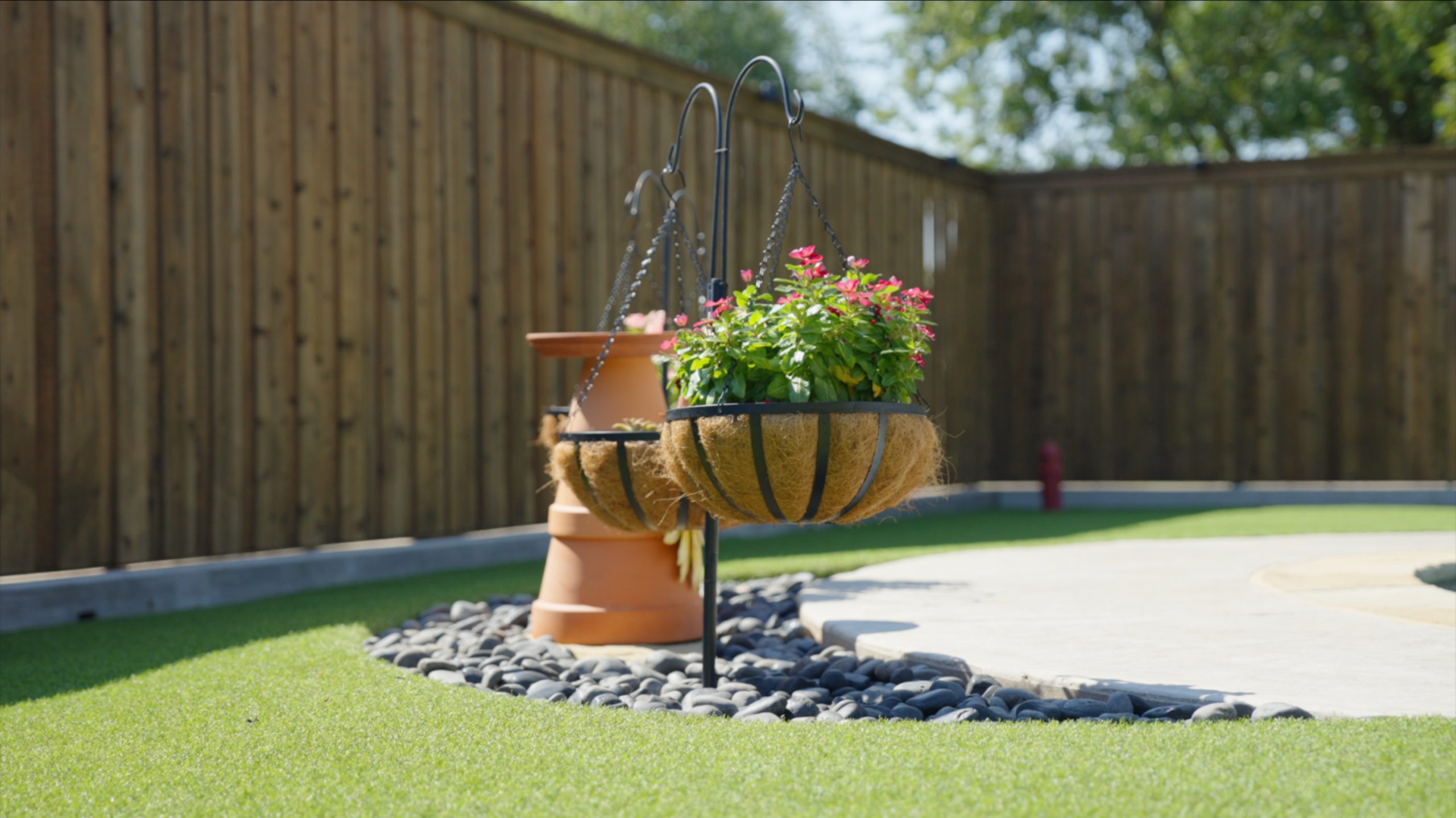
Quick Answer
If you notice pooling water, sagging or shifting cover components, cracks spreading in concrete, or gaps that let moisture and pests in, you likely need builder attention sooner rather than later. Start by checking drainage, fasteners, and any movement at joints and posts. A practical next step is to schedule an inspection focused on the exact trouble spot, then match the repair approach to the patio type and materials. For many homeowners in Sherman, TX, addressing the underlying cause early helps prevent repeat repairs.
What to Check First
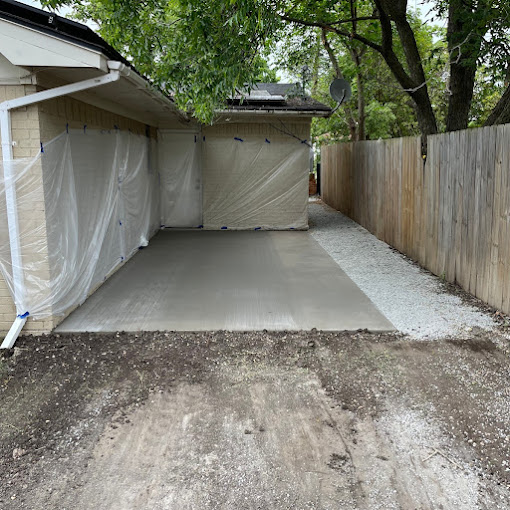
Before you decide anything, do a quick walk-through around the patio cover, edges, and surface. Look for changes after rain or wind: standing water, new cracks, loose trim, or a cover that no longer feels “tight” when you gently press on it (without forcing anything). These first checks help you distinguish cosmetic wear from issues that can impact structure and long-term performance.
Drainage at the edges
Pooling near the house, along expansion joints, or at one corner is a sign the slope or grading needs attention.
Cover connections and posts
Watch for wobble, separation at mounting points, or hardware that looks newly loosened or misaligned.
Surface movement
Cracks that widen, uneven pavers, or concrete that has started to lift can indicate shifting beneath the patio.
Professional observation: When patio problems show up after storms, the cause is often drainage, settlement, or connection wear, not just surface damage.
Main Things Customers Should Understand
Patios are systems, not just a top layer. The cover, the posts, the concrete or pavers, and the way water moves across the area all work together. If one part changes, the rest often responds, especially in climates with big temperature swings and heavy rainfall. Below are the most common signs that builder attention is needed, along with what they usually point to.
| What you notice | Likely underlying issue | Builder attention needed? |
|---|---|---|
| Water collects in one spot after rain | Drainage slope, grading, or edge details that no longer manage runoff | Yes, especially if it repeats |
| Cover looks slightly lower or shifted | Post movement, connection wear, or settlement around supports | Yes, do not wait |
| Hairline cracks that keep growing | Movement in the substrate or inadequate jointing details | Yes, track the change |
| Gaps near trim, seams, or penetrations | Moisture entry points that can worsen over time | Yes, fix the source |
| Loose boards or uneven deck feel | Support structure or fastening issues | Yes, for safety and stability |
Why This Matters in Sherman, TX
In Sherman, TX, homeowners often use patios year-round, which means the cover and surface see constant sun exposure, temperature swings, and quick shifts from dry spells to heavy rain. When drainage is off or a connection starts to loosen, you may not see the full impact right away. But you will feel it, whether it is a patio cover that no longer stays “solid,” or concrete that starts to crack in the same pattern after wet weather.
Local tip: If your patio sits near a driveway or gate line, water runoff patterns can also affect how quickly edge details wear. Plan repairs to match the way water actually flows on your property.
If your outdoor living plan includes both a patio and fencing, it is worth thinking about the layout as one project. Posts, gates, and outdoor structures can influence where you want runoff directed and how you protect key access areas. For example, if you are updating access points, explore gate options that complement outdoor flow and practical use.
Get a focused patio-and-outdoor inspection
If you are seeing pooling water, cover movement, or cracking that keeps showing up after storms, call Lowery Fence & Patio for an inspection in Sherman, TX. We can help you identify the likely cause and map out next steps for your specific patio setup.
Call Lowery Fence & PatioCommon Mistakes to Avoid
A lot of patio repairs start with good intentions, then stall because the root cause was never addressed. Here are the most common mistakes homeowners make when a patio “starts acting up,” and what to do instead.
- Only fixing the surface. If water is pooling or supports have shifted, the top layer will keep failing.
- Ignoring cover movement. Small wobble can grow if posts and connections are already under stress.
- Sealing over active cracking. Sealing can help, but only after the movement or drainage issue is handled.
- Assuming it is “just settling.” Some settling is normal, but repeating changes after rain or wind should be checked.
- Delaying until everything is broken. Early attention usually keeps repairs more targeted and reduces the chance of collateral damage.
Customer Checklist
Use this quick checklist before you call. It helps you describe the problem clearly and speeds up the inspection process. If you can, note when the issue started and whether it appears after rain, high winds, or temperature changes.
- Take note of where water pools and how quickly it drains after a storm.
- Check for new or widening cracks in concrete, especially along edges and seams.
- Look for gaps or separation at the patio cover, trim, and any penetrations.
- Test for movement at posts and connections (gently, without forcing anything).
- Confirm whether the patio feels uneven when walking across it.
- Write down any recent changes, like landscaping work, gate adjustments, or nearby drainage changes.
Representative Scenario
A homeowner in Sherman noticed that after heavy rain, water collected near one corner of the patio and stayed long enough to dampen nearby outdoor furniture. Over the next few weeks, they also saw a crack line that looked slightly wider than before. Instead of trying to patch the crack immediately, they focused on the repeating pattern after storms and had the drainage and edge details evaluated. The builder attention centered on correcting runoff behavior and addressing the connection points that were affected by the same water pattern.
Frequently asked questions
How can I tell if my patio cover issue is cosmetic or structural?
What should I do first if my patio floods or pools after storms?
Do cracks in concrete always mean I need major replacement?
Can a deck or patio surface be uneven without being dangerous?
We also plan to update fencing. Should we coordinate it with patio repairs?
Ready to stop the small issues from growing?
If your patio needs builder attention right now, Lowery Fence & Patio is ready to help homeowners in Sherman, TX and nearby counties. Start with a practical inspection and a clear plan for the next step.
Schedule with Lowery Fence & Patio
About Lowery Fence & Patio
Lowery Fence & Patio provides fencing and outdoor living solutions for homeowners and businesses in Sherman, TX, including nearby areas across Collin County, Grayson County, Cooke County, and Fannin County. Their team helps customers plan and build durable outdoor spaces, including concrete services and custom patio covers, so patios and access areas can look great and work well season after season.