
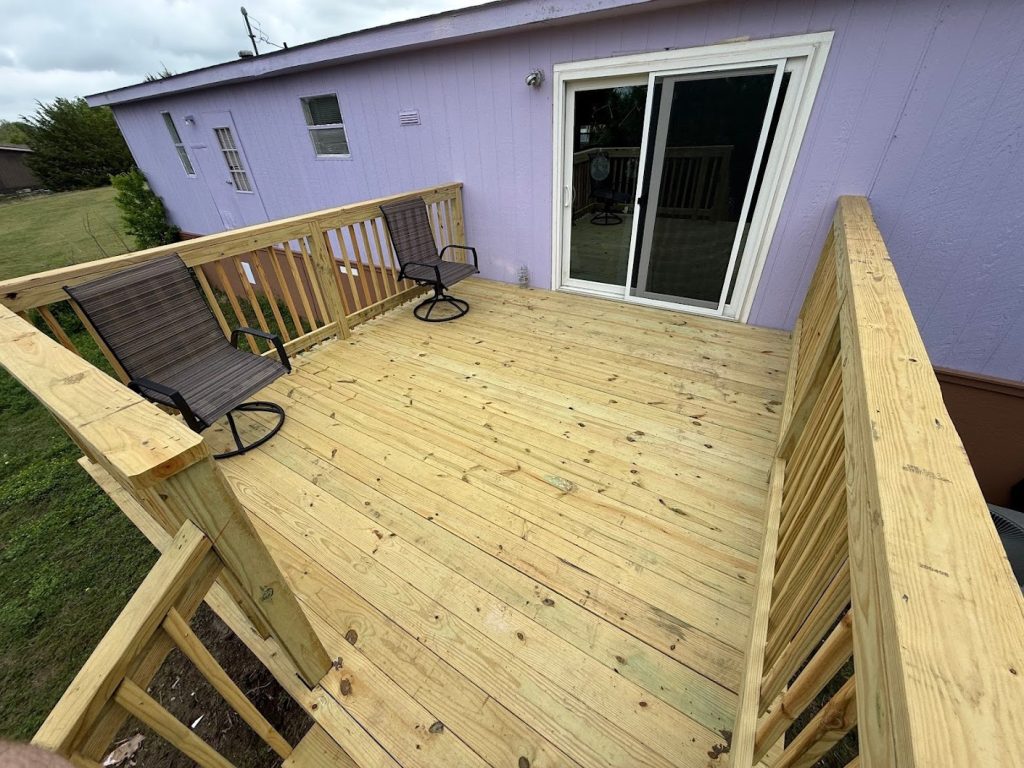
Deck, Installation & Repair Signs You Need Help Fast
If your fence or deck is sagging, loosening, or failing to secure a gate, the problem usually gets worse before it gets better. In Sherman, TX, weather swings and heavy use can turn a “minor” repair into a safety and access-control issue.
You might notice a gate that no longer latches, boards that look lifted, or a fence line that seems to “lean” more every week. Maybe you are preparing for guests, deliveries, or daily routines and you need a dependable fix, not a long waiting game.
This guide helps you spot the red flags that typically mean you should call a fence and outdoor living pro sooner rather than later. You will also get a quick checklist you can use right now, plus practical decision guidance for common fence and deck problems.
- Quick answer
- What to check first
- Main things customers should understand
- Local insight for Sherman, TX
- Common mistakes to avoid
- Customer checklist
- Frequently asked questions
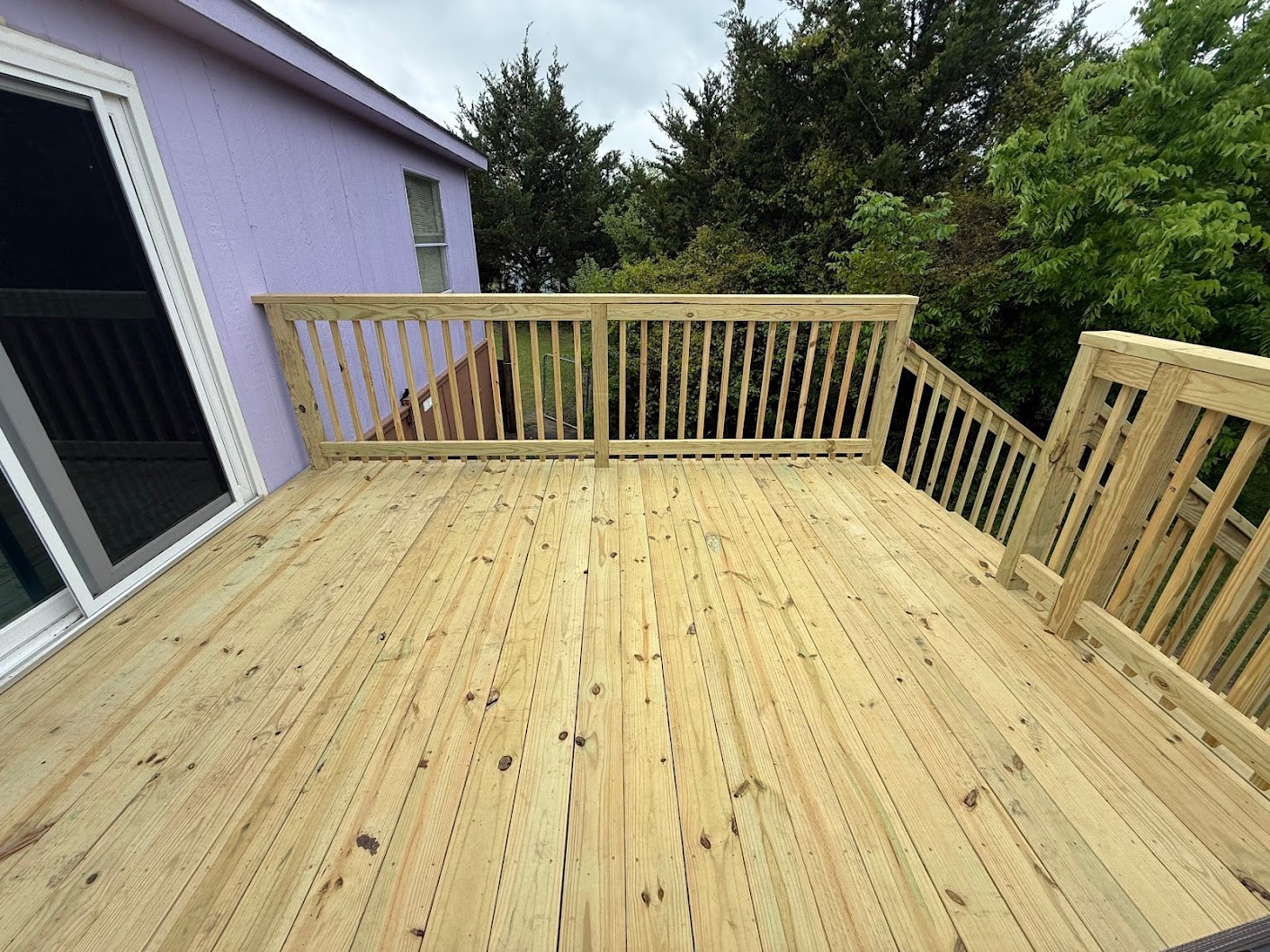
Quick Answer
If a fence, gate, or deck component is moving, separating, or not performing its job, treat it as urgent. Call help when you see leaning posts, gaps that compromise privacy or security, gate misalignment, broken hardware, or deck surfaces that feel soft or uneven. Start by checking whether the issue affects access control (automatic gate installation, electric gate installers, or manual latching) and whether any part can shift under normal use. For the fastest path forward, gather a few clear details and contact a fence company that handles both repair and outdoor living work in Sherman, TX.
What to Check First
Before you start planning repairs, do a quick walk-through and identify what is actually failing. Many problems start with a support issue: a post that has loosened, a base that shifted, or a hinge that has lost alignment. When that happens, panels, rails, and decking try to “work around” the movement, which can lead to additional damage.
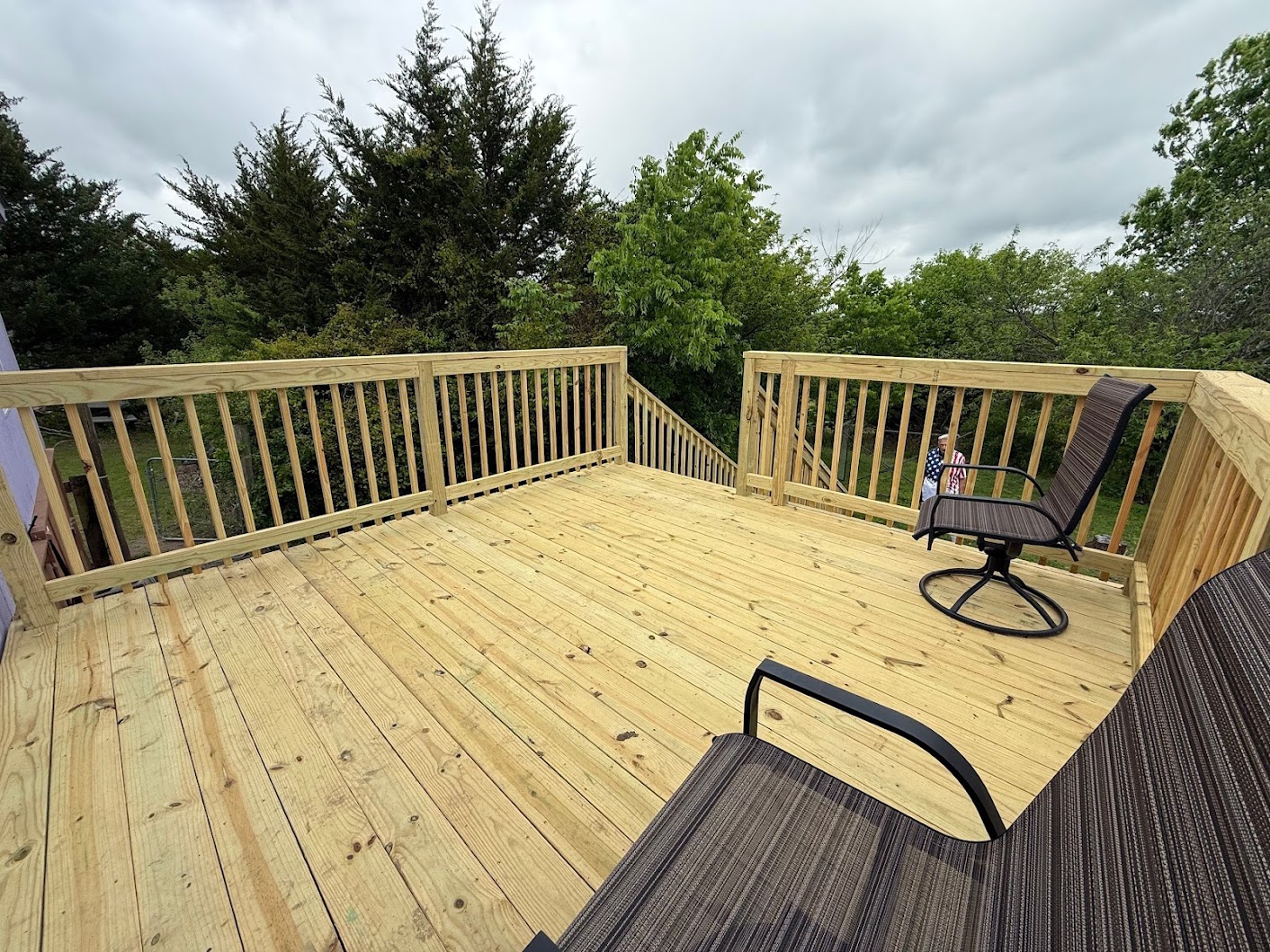
Professional observation: If the gate or rail is out of alignment, the fix is usually more than tightening fasteners. Movement often means something below the surface needs attention, especially around hinges, posts, and connection points.
Here are the most useful checks you can do right away:
- Gate latching and clearance: If the latch catches inconsistently or you hear scraping when opening, the gate may be sagging or the frame may be shifting.
- Fence line movement: Look for leaning sections, visible post gaps, or fence boards/panels pulling away from the supports.
- Deck surface safety: Watch for soft spots, wobbling sections, or uneven walking surfaces that suggest a structural problem.
- Hardware condition: Replace or inspect rusted hinges, bent latches, and loose brackets instead of repeatedly “patching” them.
Fence problem patterns
Leaning posts, gaps, or chain link fence repair needs often point to a support or tension issue. Catching it early helps prevent expanding damage along the run.
Deck problem patterns
If boards feel springy or railings wobble, do not treat it like a cosmetic issue. Structural movement can make later repairs more expensive.
Access-control patterns
For driveway gate installation or automatic gate installation, misalignment and inconsistent operation can create a security gap. Address function first.
Main Things Customers Should Understand
Most “fast help” situations come down to two factors: safety and function. A fence that no longer blocks passage, or a deck that no longer feels solid, can turn into a daily inconvenience quickly. In Sherman, TX, where outdoor spaces are used year-round, small failures tend to show up fast because everything gets tested constantly.
Here is what we commonly see when homeowners and property managers call for help with fence installation repair, deck building, and related outdoor living issues.
Handy rule of thumb: If the problem changes how the fence or deck performs (security, privacy, access, or walking stability), treat it as repair priority, not a long-term project.
1) When leaning posts mean more than “straightening”
Leaning posts can be caused by soil movement, base issues, or repeated wind and load on panels or gates. If you only adjust what you can see, the force keeps working on the same weak point. That is when repairs start to “move” from one section to the next.
2) When gates stop matching the opening
Gate problems often show up as scrape marks, uneven latch engagement, or a gate that swings differently than it used to. If you have automatic gate installation or electric gate installers involved, alignment matters even more. Small shifts can cause misreading of movement or inconsistent closure.
3) When deck boards hide a bigger issue
Deck repairs sometimes begin with surface boards, but the real cause can be connected supports. If you notice squeaking, bounce, or rail instability, it is usually safer to address the underlying structure rather than replace only the top layer.
4) Material-specific signals
Different fencing types show failure in different ways. For example, privacy fence installation issues often reveal themselves as widening gaps. Chain link fence installation problems can present as sagging runs or tension issues. Wrought iron fence installation or ornamental iron fencing concerns often involve gate hardware and alignment. If you are not sure which category your issue fits, start with the function check described earlier, then narrow down by material.
Why This Matters in Sherman, TX
In Sherman, TX, outdoor structures are exposed to repeated seasonal conditions and everyday use. That means fence contractors and deck builders often get called when problems accelerate after weather swings or after months of heavy traffic. When a gate or fence section is failing, it also affects practical privacy and property access, especially for residential yards and commercial perimeter areas.
If your project touches driveway access or security gate access control, waiting can create a real access gap. Lowery Fence & Patio works with residential fencing, commercial fencing, and related outdoor living components across Sherman and nearby areas including Collin County, Grayson County, Cooke County, and Fannin County.
Local focus areas you can match to your situation
- If you need help with deck building, start by identifying whether the deck problem is only surface damage or if the structure feels unstable.
- If your issue involves perimeter safety for a business, review commercial fencing expectations like consistent barrier height and reliable gate operation.
- If you suspect a gate or entry component is the weak link, explore gate repair and installation guidance to understand what typically needs adjustment.
- If you are dealing with a specific fencing material, use the right reference point such as chain link fence installation versus repairs to match your visible symptoms.
| What you notice | Likely impact | Repair priority |
|---|---|---|
| Gate scrapes when opening or does not latch consistently | Access control and security risk | High priority |
| Leaning fence posts or growing gaps along the run | Privacy, barrier integrity, and potential chain reaction damage | High priority |
| Deck boards feel soft or the deck wobbles | Walking safety concerns | High priority |
| Cosmetic wear only (no movement, no wobble, gates latch normally) | Appearance and weather protection | Lower priority (plan on your schedule) |
| Fence stain needs attention but structure is sound | Weather resistance and long-term appearance | Medium priority |
Need help identifying what is failing?
Send a clear description of the problem and the fencing or deck type. Lowery Fence & Patio can help you choose the right repair path for your Sherman, TX property.
Contact Lowery Fence & PatioCommon Mistakes to Avoid
When something feels urgent, it is tempting to patch it quickly. Unfortunately, the wrong fix can make a fence or deck fail sooner, especially when movement is already present. These are the most common missteps we see around fence installation repair and deck-related issues in Sherman, TX.
- Only tightening fasteners: If the post or frame has shifted, tightening hinges or brackets will not stop the underlying movement.
- Replacing only the top layer on a deck: Soft or uneven surfaces can be a structural sign. Address the support issue, not just the boards.
- Ignoring gate clearance: A gate that scrapes or struggles to latch can indicate misalignment that will worsen with use.
- Delaying repair for “privacy gaps”: Gaps can turn into a security gap. If the barrier no longer performs, treat it as a priority.
- Assuming staining fixes everything: Fence stain and seal can help protect materials, but it does not replace missing or failing structural connections. If you have movement, repair first, then protect.
Customer Checklist
Use this checklist to prepare for a repair call. It helps your fence contractors or deck builders understand the situation faster and reduces back-and-forth.
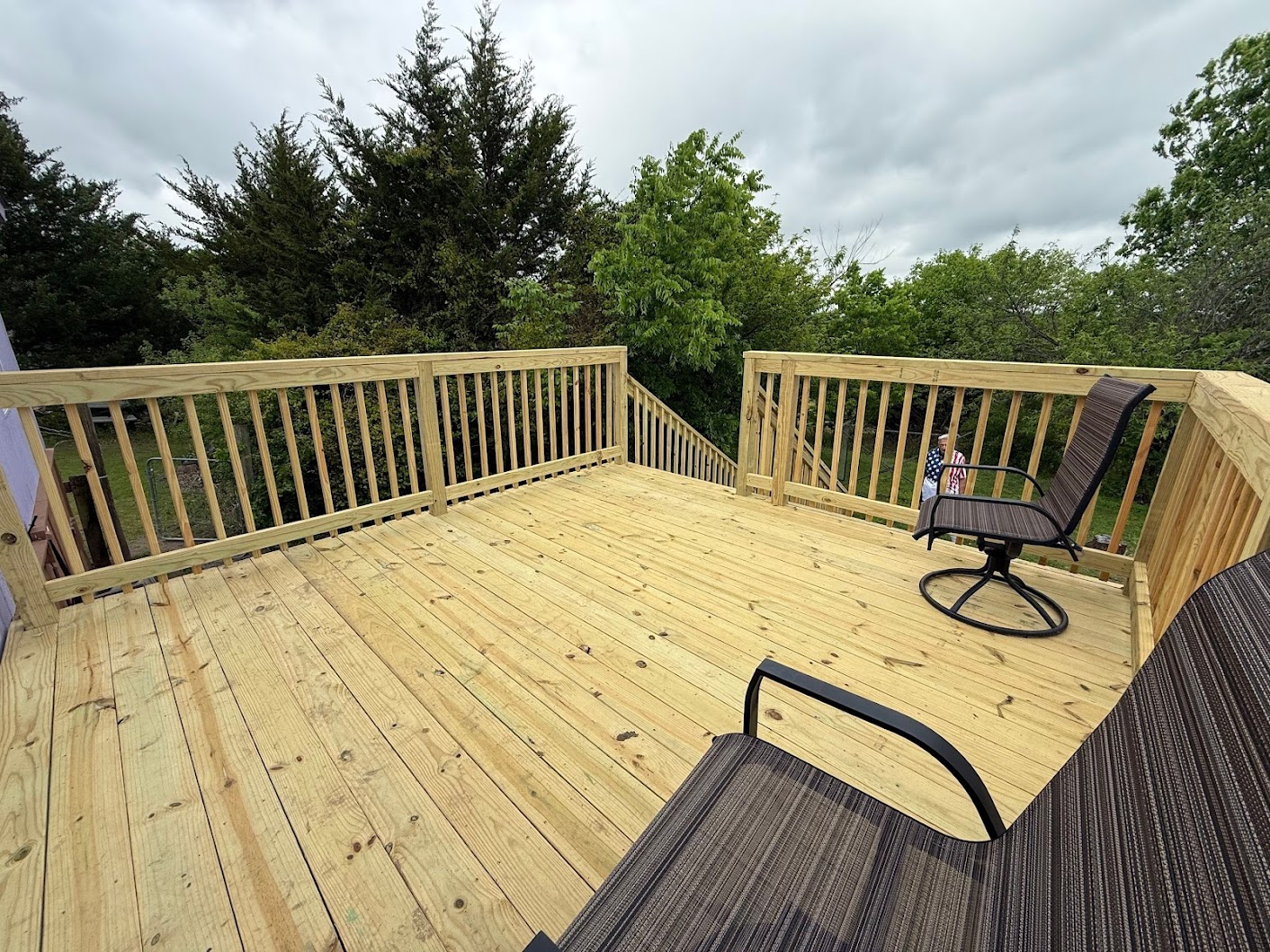
- Identify whether the issue is a fence line, a gate, or a deck surface (or more than one).
- Note when it started and whether it worsened after weather or heavy use.
- Check if gates latch smoothly or require extra force.
- Look for leaning posts, widening gaps, or loose panels.
- For decks, test for wobble or soft areas with careful light pressure from a safe stance.
- Confirm the fencing type and material (chain link, wood, wrought iron, pipe fencing, or privacy fencing) if you know it.
- Decide whether you need temporary security fencing while repairs are scheduled.
Representative Scenario
A homeowner in Sherman noticed their driveway gate no longer lined up with the latch. At first it was just a slight misalignment, but after a few weeks the gate began scraping and would not close fully without pushing. Instead of repeatedly forcing the gate, they documented the problem and requested help. The repair focused on restoring the correct alignment and addressing the support issue, which stopped the misfit and improved reliable closure for everyday access.
Frequently asked questions
How do I know if my fence repair is urgent or just cosmetic?
Urgent repairs usually involve function and safety: leaning posts, widening gaps, panels pulling away, or gates that do not latch reliably. Cosmetic issues tend to stay in appearance only, without movement. If the fence no longer blocks passage or the gate no longer operates normally, treat it as a priority call in Sherman, TX.
Can I fix a gate problem by tightening the hinges?
Tightening can help if the hardware is simply loose. If the gate has sagged or the latch engagement changed, it is often a sign of misalignment or a support issue. In those cases, repeated tightening usually becomes temporary, and the issue can worsen. A professional inspection focuses on restoring correct alignment and stable operation.
What should I inspect on a deck when I suspect a repair?
Look for soft spots, wobbling sections, uneven walking surfaces, and railings that feel unstable. If you notice any of those, it is a strong indicator the problem is not only cosmetic. Addressing the underlying structure helps keep the deck safe and reduces the chance of needing more extensive repairs later.
Do you also help with material-specific fencing issues?
Yes. Different fencing types show different symptoms, such as tension and sag concerns for chain link fence repair, alignment for wrought iron fence installation, and gap control for privacy fence installation. If you know your material, mention it when you contact Lowery Fence & Patio so the repair approach can match what you are seeing.
When would temporary security fencing be the right move?
Temporary security fencing can be helpful when you need barrier coverage while your permanent repair is being scheduled. It is especially useful if a gate or fence section is compromised and you need short-term protection. Use it as a practical bridge, then plan the permanent repair so the barrier functions reliably.
Ready for a clear repair plan?
If your deck, fence, or gate is not performing as it should, contact Lowery Fence & Patio today. We serve Sherman, TX and nearby areas including Collin County, Grayson County, Cooke County, and Fannin County.
Call 903-833-3623
About Lowery Fence & Patio
Lowery Fence & Patio provides fencing and outdoor living solutions for Sherman, TX and surrounding areas, including residential fencing, commercial fencing, gates, deck building, and outdoor upgrades like custom patio covers. If you need fence installation, repair, or stain-focused maintenance, our team helps you match the right approach to what is actually failing.