
Fence Installation Before Storms: Prep and Prevention Tips
If you are planning a new fence or a driveway gate near Sherman, TX, the best time to strengthen your layout is before the weather gets rough. This guide covers practical steps to reduce wind and water damage risk, plus what to ask your fence contractors during planning and installation.
You can do everything right with landscaping and hardscaping, then a storm rolls through and your fence is suddenly the weak link. In Sherman, TX, a fence line is also exposed to heavy rain, gusty wind, and debris that can push panels out of alignment.
If you are thinking about fence installation or upgrading your existing layout, you likely want to know what actually helps before the next big weather event. This post walks you through a prep plan you can use today, plus the installation details that make a difference for residential and commercial properties.
- Quick answer
- What to check first
- Main considerations
- Local factors
- Common mistakes
- Customer checklist
- Frequently asked questions
Quick Answer
To prep for storms, focus on the fence components that fail first: post stability, gate hardware, and drainage around the fence line. Before installation, confirm your posts will be set securely and that your design accounts for areas where water collects or ground shifts. After storms, inspect for loose posts, leaning sections, and damaged gate latches right away so small issues do not turn into full panel repairs. If you are planning upgrades, consider the right fence type for your property needs and ask about ongoing fence stain and protection for materials that need it.
What to Check First
Start with a quick walk of your property line. Look for the spots where storm damage usually begins: areas with soft or eroded soil, fence sections that already lean slightly, and gates that do not close smoothly. If your fence includes a driveway gate or access control points, check whether hinges and latches still align under normal use.
Professional observation: The most common “storm surprise” is not the wind itself. It is the combination of wind pressure plus a post that is not fully supported, or a gate that is already slightly out of square.
Posts and line stability
Walk the fence line and note any sections that wobble or show gaps between rails and posts.
Gate operation
Open and close every gate. If it drags, binds, or does not latch cleanly, address it before weather stress hits.
Water flow around the line
After rainfall, watch where water pools. Drainage that undermines posts is a quiet risk factor.
Main Things Customers Should Understand
Fence performance during storms is built into the details. When you plan a new layout in Sherman, TX, you can reduce risk by matching the fence type to your goals and making sure the installation addresses wind load, ground conditions, and gate alignment.
Smart planning tip: If you are considering a material upgrade, compare how each option behaves when the ground shifts slightly. Chain link and ornamental designs often maintain flexibility, while wood privacy styles can be more sensitive to panel stress if posts are not properly stabilized.
1) Choose the right fence type for your property
Different fences handle wind and debris differently. For example, if you want secure perimeter coverage with a more open look, chain link fencing is a common choice for yards and commercial boundaries. If privacy is the priority, residential fencing planning can help you balance solid sections with the structural needs of your lot.
2) Gate design is part of the storm plan
Driveway gates and access points are built to move, but they still need stable support to stay aligned. If you are adding or upgrading a gate, ask about hinge and latch condition, alignment, and how the gate will sit relative to the fence line over time. For operational needs, Lowery Fence & Patio also supports solutions that tie into gate installation and access control considerations.
3) Material protection helps, but it starts with preparation
Protection is not only about appearance. Weather exposure can accelerate wear on wood fence installation when the surface and joinery are not properly maintained. If you are working with wood, review the plan for wood fence installation and how you will handle ongoing care like cleaning and protective coating. Seasonal prep before storms can reduce the chance of early deterioration that weakens boards and rails.
4) Consider your property’s “pressure points”
Some areas take more stress than others. Corners, fence sections near driveways, and boundaries that face prevailing wind patterns often see the most strain. If your line crosses uneven ground, plan for how the fence will transition without leaving posts under-supported or rails forced out of alignment.
Why This Matters in Sherman, TX
In Sherman, TX, storms can bring both heavy rain and strong gusts, which is hard on fences that sit on shifting soil or areas that collect water. For homeowners and businesses, the practical win is timing: schedule fence installation and upgrades before the weather season peaks so your posts can be set and your gate hardware can be aligned under normal conditions. If you are in Collin County, Grayson County, Cooke County, or Fannin County, the same planning logic applies, especially for perimeter boundaries and driveway access points.
| Fence or feature | Storm-related considerations | What to plan during installation |
|---|---|---|
| Chain link fence | More flexibility can help sections stay aligned, but gate hardware still needs correct adjustment. | Confirm alignment at corners and driveway openings, and plan for access control needs if applicable. |
| Wood fencing | Panels can experience higher stress when posts are undermined or when water sits near the base. | Focus on post stability and maintenance planning, including fence stain timing. |
| Wrought iron fencing | Ornamental designs can still be affected by post support and gate alignment. | Prioritize stable anchoring points and verify gate swing and latch alignment after installation. |
| Driveway gates | Movement and alignment problems can worsen after impact or shifting ground. | Make sure the gate sits true to the fence line and that hinges and latches operate smoothly. |
Plan your fence upgrade before the next storm season
If you are in Sherman, TX and want a safer, better-performing fence layout, Lowery Fence & Patio can help you think through materials, gates, and installation details.
Contact Lowery Fence & PatioCommon Mistakes to Avoid
Even careful homeowners can miss a few details that lead to repeated fence issues. The goal is to avoid “fixing it later” loops where storm damage turns into permanent misalignment, especially around gates and fence corners.
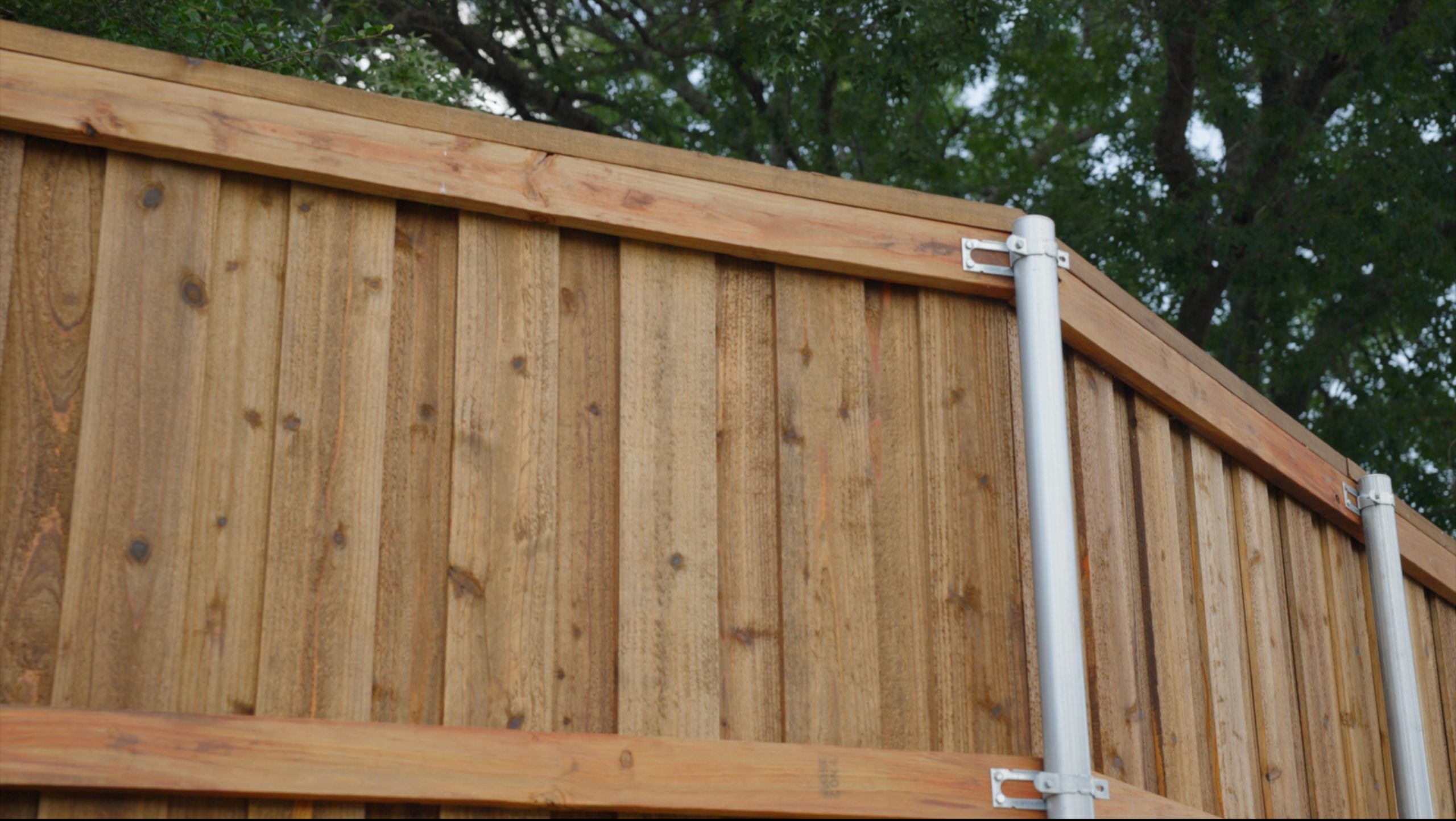
- Skipping a post-and-base inspection. If the foundation under a fence section is weak or water collects nearby, the fence will struggle during gusty storms.
- Assuming a gate is fine because it closes. Smooth closure matters, but alignment under load matters too. A gate that binds slightly can fail sooner after weather stress.
- Choosing a style without considering maintenance. Wood fence performance improves with appropriate care. Plan your protection steps like cleaning and fence stain readiness.
- Ignoring fence line transitions. Uneven ground, corners, and driveway approaches can create stress points where rails and panels shift.
- Waiting for damage before upgrading. After storms, correcting alignment is often more expensive because parts may already be bent or forced out of square.
Customer Checklist
Use this checklist before installation or when you are preparing for storm season. It is designed to help you ask better questions and catch issues early, especially for residential yards and commercial boundaries in Sherman, TX.
Action checklist: Bring this list to your fence planning conversation so the details are clear from day one.
- Walk your property line and mark fence sections that wobble, lean, or show gaps.
- Test every gate swing and latch operation. Note any dragging, stiffness, or misalignment.
- Check for water pooling spots after rainfall. Identify where water runs and where it stays.
- Identify corners and driveway openings that need special attention during installation.
- Confirm the fence type matches your goals (privacy, visibility, security, or access needs).
- Ask how your installation plan addresses post stability and long-term alignment.
Representative scenario: driveway gate that starts to sag
Imagine a Sherman, TX homeowner with a driveway gate that used to latch easily. After a wet stretch, the gate starts to sag slightly and the latch catches only after pushing harder. Instead of forcing it, the practical next step is to inspect the gate’s alignment and the support points that hold it in place. A small adjustment at the hardware level and a check of the underlying stability can prevent the problem from turning into a bigger repair after the next storm.
Frequently asked questions
If you are planning fence installation in Sherman, TX, these are the questions we commonly hear when customers are thinking about storm readiness and long-term performance.
How do I know if my fence posts are at risk before a storm?
Should I worry more about wind damage or water damage?
Can fence staining help protect against storm-related wear?
What should I check on a driveway gate after storms?
Do you help with more than one fence type, like chain link or wood?
Ready to strengthen your fence plan for Sherman, TX?
If you want a practical, storm-aware approach to your next fence installation or driveway gate upgrade, contact Lowery Fence & Patio at 903-833-3623 or start with our services online.
Call 903-833-3623
About Lowery Fence & Patio
Lowery Fence & Patio provides fencing and outdoor living solutions for customers in Sherman, TX and surrounding counties including Collin, Grayson, Cooke, and Fannin. From residential fencing to commercial fence installation and gate-related access needs, the focus is on practical design and installation details that help fences perform well through changing weather.