
Preventive Tips for Safer, Stronger Fence Lines
If you have a fence line in Sherman, TX, you have to plan for real-world wear: shifting ground, heavy rain, and the kind of wind that finds every weak spot. This guide helps you catch early warning signs and keep your fence looking solid and working the way you expect.
You might notice a small gap near a gate, a post that looks slightly out of plumb, or a latch that no longer catches the first time. Those are often early indicators, not “the way it is.” In fence systems, small problems usually compound.
The steps below will help you understand what to inspect, what to address sooner, and how to reduce the chance of bigger repairs later. You will also see how common fence types respond to Texas conditions, so you can plan maintenance that matches your materials and layout.
- Quick answer
- What to check first
- Main things customers should understand
- Why this matters in Sherman, TX
- Common mistakes to avoid
- Customer checklist
- Frequently asked questions
Quick Answer
The fastest way to keep a fence line safer is to inspect posts, gate hardware, and the fence bottom clearance regularly, then address minor movement before it grows. Start by looking for loose fasteners, leaning posts, and latch alignment changes after storms or seasonal swings. For most homeowners, a simple maintenance routine plus timely repairs helps prevent sagging sections and stuck gates. If you see repeated settling or the gate no longer closes smoothly, contact a fencing professional to evaluate the root cause, not just the visible symptom.
What to Check First
When a fence line starts to “feel off,” the issues are usually tied to support and alignment. Walk the perimeter and focus on the places that move the most: gate corners, end posts, and any section near downspouts or concentrated drainage.
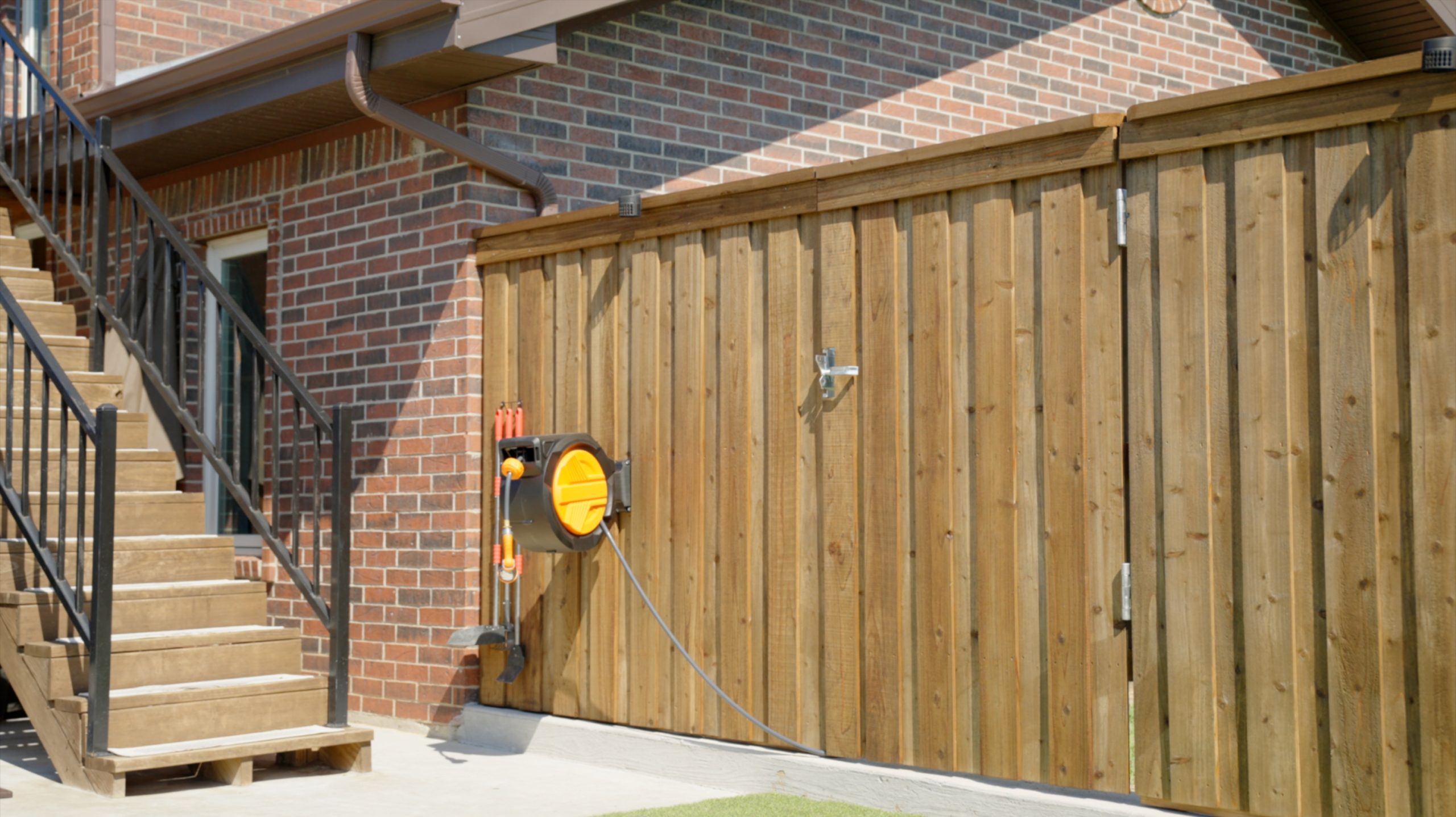
Professional observation: If a gate is misaligned, it is often the posts or mounting points that shifted, not the latch itself.
- Posts and corners: Look for leaning, gaps at the base, or fresh soil disturbance around footings.
- Gate operation: Check hinge tightness, latch catch alignment, and whether the frame binds when you open and close it.
- Fence-to-ground clearance: Identify sections where the fence is closer to soil than before, since trapped moisture can accelerate wear.
- Fasteners and rails: Scan for missing screws, loose brackets, or rails that appear bowed.
- Damage after weather: After heavy rain or high winds, check for panel movement and any new twisting at the top rail.
Gate alignment
Start here if you cannot latch the gate on the first try or if it drags across the ground.
Material condition
Weather exposes seams, fasteners, and surface coatings. Maintenance should match your fence type.
Fence system fit
Some sections respond differently depending on layout and access needs.
Main Things Customers Should Understand
Preventive maintenance is not about “doing everything.” It is about catching the causes of movement, moisture damage, and access problems early. Fence lines in Sherman often face rapid seasonal changes, and the ground can shift in ways that show up first at posts and gate openings.
| Fence line situation | What to inspect first | Common preventive action |
|---|---|---|
| Wood fence sections near the ground | Bottom edge condition, fasteners, and any coating wear | Plan staining and keep water from lingering at the fence base |
| Chain link fence with sagging sections | Top rail tension points and post condition | Address tension and hardware alignment before sections droop further |
| Wrought iron fence with surface deterioration | Coating integrity and joint areas | Schedule cleaning and protective finishing to slow corrosion |
| Fences around driveways or entrances | Gate hinges, latch alignment, and opening clearance | Correct alignment early to prevent strain on hinges and frames |
Actionable recommendation: If you are seeing the same issue in multiple spots (for example, repeated post movement or recurring gate binding), treat it as a system problem and get a line-by-line evaluation.
Why This Matters in Sherman, TX
In Sherman, TX, fence lines are exposed to cycles of heavy rain, dry stretches, and wind that can test everything from end posts to gate frames. Over time, drainage patterns around your property can concentrate water near certain posts, which increases the chance of settling. Preventive checks after major weather events can reduce the likelihood of sagging panels and stuck gates that are harder to correct later.
Drainage-aware inspections
Pay attention to fence sections near downspouts, swales, or areas where water pools after storms.
Seasonal gate stress
Gate operation can change as the ground shifts. Catch binding early before hinges take the strain.
Matching maintenance to material
Wood, chain link, and wrought iron need different care routines. Use the right finish plan for your fence type.
Need a preventive check for your fence line?
If you are noticing leaning posts, sagging sections, or a gate that no longer closes smoothly, Lowery Fence & Patio can help evaluate what is driving the change. Call for guidance at 903-833-3623.
Request fence assistanceCommon Mistakes to Avoid
Most fence problems get worse because the early signs are treated like isolated “cosmetic” issues. A quick fix can be appropriate for surface wear, but movement at posts and gates usually needs attention to the underlying cause.
- Ignoring gate misalignment: If the latch will not catch consistently, forcing it can increase stress on hinges and frames.
- Waiting for complete failure: Sagging panels and loose rails often start small. Early adjustments are typically easier than full rework later.
- Assuming all damage is the same: Wood, chain link, and wrought iron each respond differently to moisture and wear, so maintenance should match the material.
- Skipping surface care: Surface deterioration can spread from joints and fasteners. Preventive cleaning and finishing help slow that progression.
- Overlooking drainage: If water pools near certain posts, preventive checks should include the fence line’s relationship to runoff patterns.
Customer Checklist
Use this quick walk-through to stay ahead of fence line issues. If you catch problems early, you can often prevent small movement from becoming larger repairs. If you find multiple red flags in the same area, that is a strong reason to get a professional assessment.
- Check end posts and corners for new leaning or gaps at the base.
- Test every gate: does it open freely and latch cleanly without pushing?
- Look for loose hinges, missing fasteners, or rails that feel bowed.
- Scan for areas where the fence bottom has dropped closer to soil than earlier.
- After storms, inspect for panel twisting, new sag, or shifted alignment.
- Confirm your fence finish plan matches your material, especially for wood fence staining.
Representative Scenario
A homeowner in Sherman, TX noticed their backyard gate started to drag by late summer. At first, it only happened when the ground felt softer after rain. During a routine check, they found hinge screws that had loosened and a slight shift in the gate frame alignment. Instead of repeatedly adjusting the latch, they focused on the support points and corrected the underlying alignment issue, which helped the gate close smoothly again.
Frequently asked questions
Below are common questions we hear from property owners around Sherman and the surrounding counties. If your situation is unusual, describe what you are seeing and we can help you narrow down what to inspect next.
How often should I inspect my fence line?
What are the earliest signs my fence posts are shifting?
Can fence staining prevent structural issues?
Why does my gate latch sometimes work and sometimes not?
Do you help with chain link fence repair or adjustments?
Get your fence line back to reliable
If you want a preventive plan for your property in Sherman, TX, Lowery Fence & Patio can help you decide what to maintain now and what to address before it escalates. Call 903-833-3623 or visit loweryfencing.com.
Call Lowery Fence & Patio
About Lowery Fence & Patio
Lowery Fence & Patio provides fencing and outdoor living solutions for customers in Sherman, TX and the surrounding counties, including Collin, Grayson, Cooke, and Fannin. From residential fencing and gates to commercial fence installation and outdoor upgrades, we help homeowners and property managers keep fence lines secure, functional, and built for the realities of everyday use.