
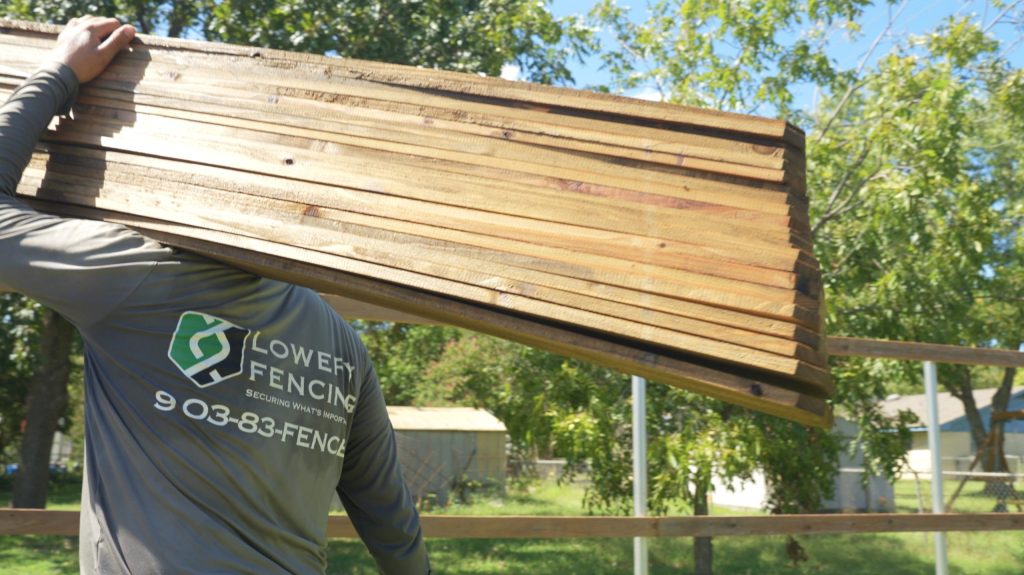
Safety First: Prevent Deck Installation Hazards and Accidents
If you are planning a new deck or updating an existing one around Sherman, TX, the biggest risks are often preventable: unstable railings, gaps that invite falls, and gate or fence layouts that do not work with how your family actually moves. This guide walks you through practical safety checks before, during, and after installation.
Picture this: the deck is finally ready for summer use, but the railing feels a little “off,” and you notice a confusing gap where the deck meets the yard. A quick test with a hand is one thing. A real fall is another, and it is the kind of situation that property owners wish they had addressed before the first set of boards went down.
This post helps you spot common deck-related safety hazards that often overlap with fencing and access points. You will learn what to check first, what details matter most for fall prevention, and how to align deck railings with gates and fence lines so the whole outdoor area works as one system.
- Quick answer
- What to check first
- Main things customers should understand
- Why this matters in Sherman, TX
- Common mistakes to avoid
- Customer checklist
- Frequently asked questions
Quick Answer
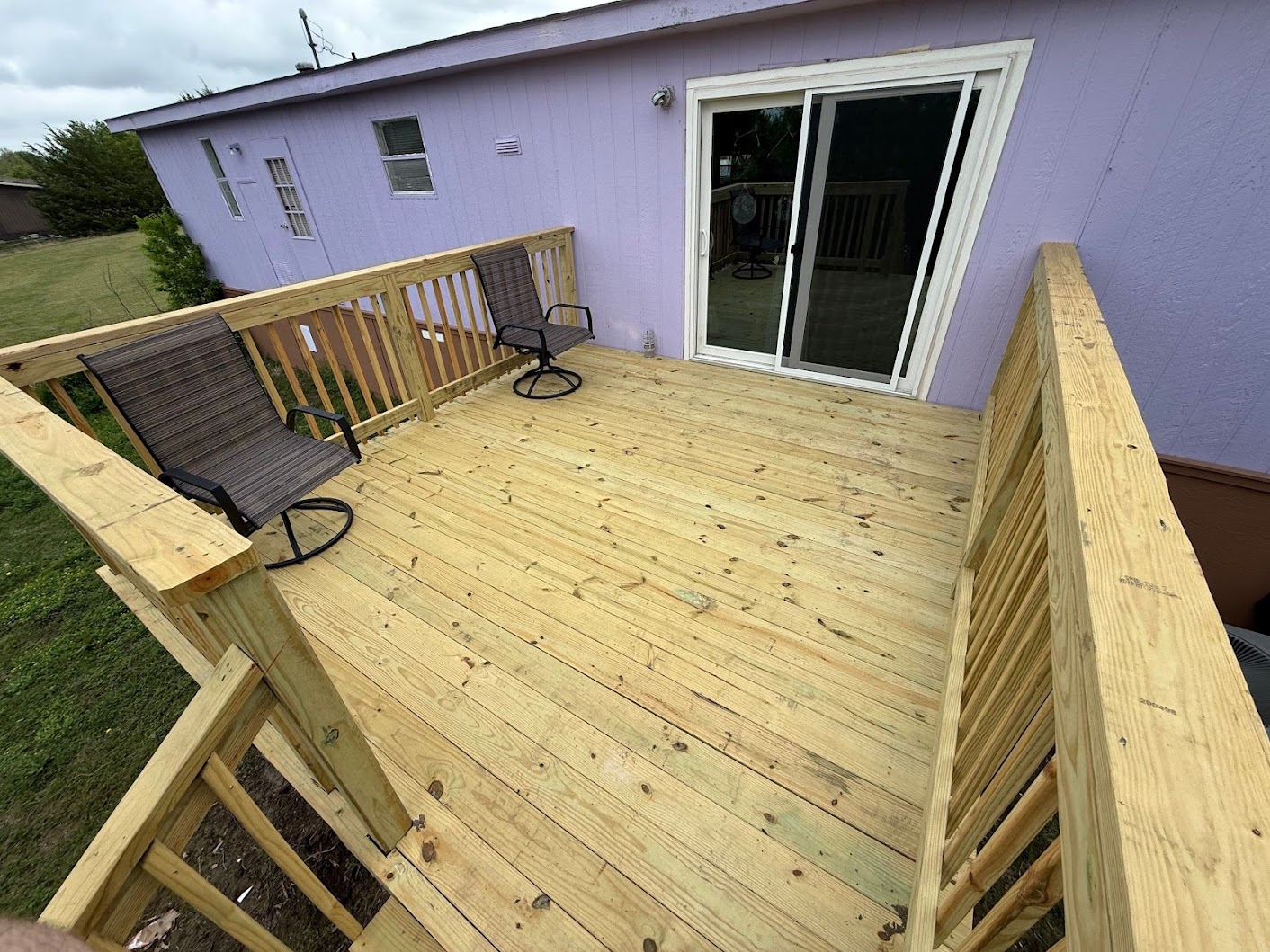
Before installing deck components or upgrading an existing deck in Sherman, TX, focus on three safety areas: (1) railing stability and continuity, (2) the presence of hazardous gaps or climbable openings, and (3) how the deck connects to gates and fencing so people do not improvise paths. Walk the perimeter and verify that railings are secure, no loose fasteners or sharp edges are exposed, and any nearby gate openings do not line up with fall-risk areas. If you are unsure, have an experienced fencing and outdoor living team review the layout before finalizing heights and spacing.
What to Check First
Start with the parts that determine whether someone can fall, slip, or get trapped. Measure the deck perimeter and identify where railings, posts, and any adjacent fence lines meet. Then check the access points: where doors, gates, and walkways connect to the deck. In many real-world setups, the “danger zone” is not the deck itself. It is the transition area where people step from deck to yard or from a gate to the deck edge.
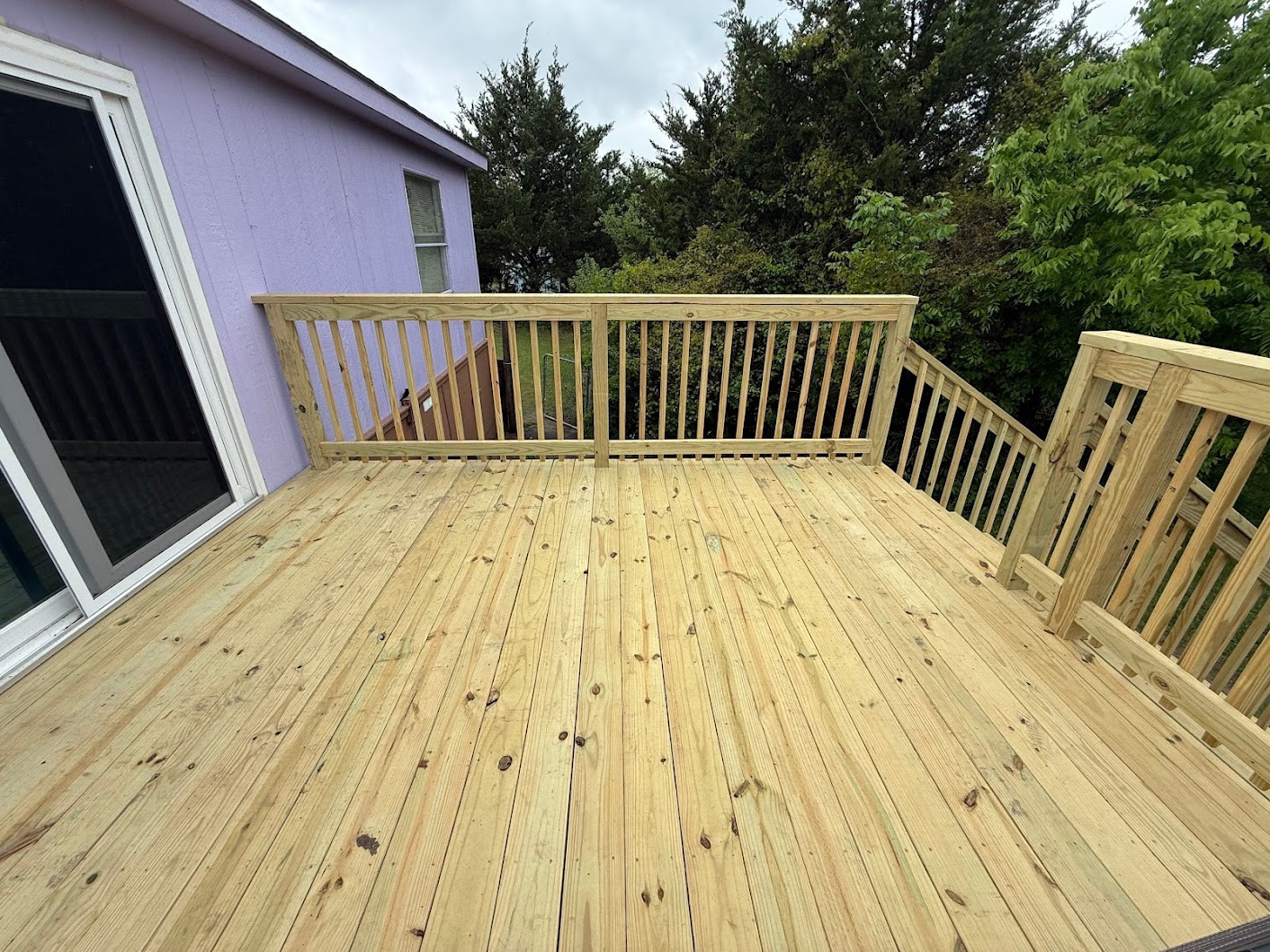
Professional observation: The most preventable accidents usually happen at transitions. That includes where railings end, where a gate opening lines up with an edge, and where a fence line creates a narrow pinch point near the deck.
Main Things Customers Should Understand
Deck safety is not only about boards and railings. It is about how the entire outdoor space behaves under everyday use. When we plan fence and outdoor living systems, we look at stability, visibility, and movement patterns, especially around gates and access routes.
1) Railing stability and attachment points
Ask what is being used to secure posts and how the structure is supported. A railing that feels solid at first can still loosen if the attachment method does not match the deck framing or if hardware is installed incorrectly.
2) Gap awareness near corners and edges
Gaps can form at corners, at deck-to-fence transitions, and around gate hardware. Even small openings can become a risk depending on how the deck is used.
3) Access control that matches real foot traffic
If you have children, pets, or frequent visitors, your fence and gate layout should guide movement. When fences and gates do not line up with how you walk, people take shortcuts near risky edges.
In Sherman, TX, homeowners often plan deck builds alongside fencing upgrades, because the yard gets used more when privacy and enclosure are in place. That is smart. The key is to coordinate deck railing locations with fence lines and gate openings so the perimeter looks intentional and feels predictable.
Practical recommendation: Treat deck railings, nearby privacy fencing, and gates as one safety system. If you are already considering fencing options, aligning the layout early can reduce the chances of last-minute “patch” solutions around the deck perimeter.
Why This Matters in Sherman, TX
When you are working around Sherman, TX and nearby areas like Collin County, Grayson County, Cooke County, and Fannin County, you are dealing with a mix of older home layouts and newer builds with different yard shapes. That means transitions vary a lot: some decks sit close to existing fence lines, while others require new fencing to establish privacy and safe enclosure. Either way, the goal is the same: keep the deck perimeter clear and make access points easy to use without creating risky paths.
| Safety area | What to look for during planning | How fencing and gates help |
|---|---|---|
| Perimeter continuity | Where railings end, corners, and deck-to-yard transitions | Well-aligned Residential Fencing can prevent “side stepping” around the deck edge |
| Access points | Gate locations relative to deck edges and walkways | Clear gate placement improves safe movement and reduces shortcuts near risky areas |
| Visibility and supervision | How easy it is to see the perimeter from the house | Choosing the right fence style supports supervision while maintaining privacy |
| Temporary construction hazards | Open edges and unfinished transitions during the build | Temporary fencing panels can help secure the area while work is in progress |
Need help coordinating deck and fence layout?
Share your deck plans and we can help you think through safety-focused fencing and gate placement for your Sherman, TX property.
Contact Lowery Fence & PatioCommon Mistakes to Avoid
Most deck accidents are not “one big mistake.” They come from a few small oversights that stack up. Here are the ones we see most often when people install decking alongside fencing and outdoor living updates.
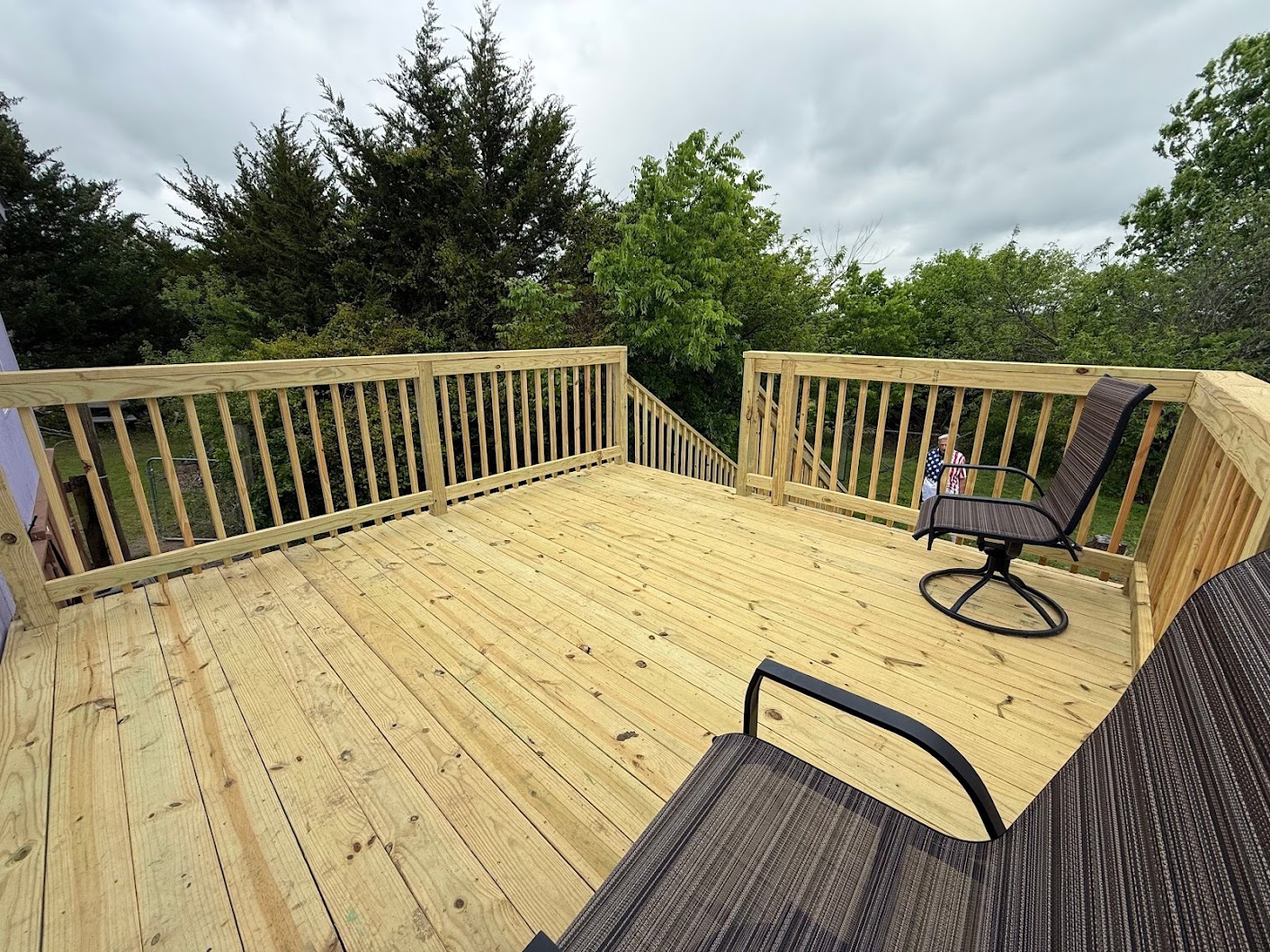
- Leaving risky gaps at transitions. Corners and deck-to-yard edges are where spacing problems show up.
- Assuming gates are “not part of safety.” If a gate opening lines up with a deck edge, people will naturally use that route.
- Waiting until the end to match fence and deck layout. Last-minute adjustments can lead to awkward alignments that are harder to use safely.
- Using materials or styles that do not support your yard’s movement. Privacy and security help only if the layout encourages safe paths.
- Ignoring the construction phase. If the deck is partially complete, temporary security fencing can reduce access to unfinished edges.
Customer Checklist
Use this checklist before finalizing deck railing and nearby fence or gate placement. It is designed to be quick enough to do during a walkthrough and detailed enough to catch the hazards that matter most.
- Walk the perimeter slowly and identify every spot where a railing starts, stops, or changes direction.
- Check for loose or sharp hardware that could snag clothing or cause injury during normal use.
- Test transitions from deck to yard where people step, especially near gate openings.
- Verify gate clearance and swing paths so the gate does not become a pinch point near the deck edge.
- Plan for temporary security during construction if the deck or fencing will be incomplete for any period of time.
- Confirm fencing style supports supervision from common areas in your home.
Representative Scenario
A Sherman homeowner builds a new deck and keeps the existing fence line near one corner. The first week is fine, but then they install a driveway gate and add a short walkway toward the deck. The walkway creates a direct path to the deck edge, and the gate opening lines up with a railing transition where the railing ends. No one is trying to be unsafe, but the layout encourages a shortcut. The fix is not just “adding more railing.” It is coordinating the deck perimeter and gate placement so the safe route is the natural route. For many properties, that coordination includes reviewing residential fence options and aligning gate locations with the deck edge.
If you are also deciding on fence style, you can compare common options like wrought iron fencing or chain link fence installation to find what fits your safety and visibility goals.
Frequently asked questions
How do deck and fencing safety issues usually connect?
What should I check during the construction phase?
Can fence style affect how safe the deck feels?
Where do people most often notice a problem after installation?
Do you also help with deck-related outdoor living projects?
Ready to review safety-focused deck perimeter planning?
Call Lowery Fence & Patio to discuss how your deck, fencing, and gates can be coordinated for safer daily use in Sherman, TX.
Call 903-833-3623
About Lowery Fence & Patio
Lowery Fence & Patio provides fencing and outdoor living solutions for homeowners and commercial property owners in Sherman, TX and nearby areas including Collin County, Grayson County, Cooke County, and Fannin County. From residential fencing and gate projects to chain link fence installation and temporary fence panels, we help customers build safer, more functional outdoor spaces.