Most homeowners think fence installation is just a matter of digging some holes, dropping in posts, and screwing on panels. That assumption is why so many fences lean, warp, or fail within a few years. The truth is, expert fence installation for every home starts long before the first post hole is dug. It begins with understanding the property, the soil, the local climate in Sherman, TX, and the way your family actually uses your outdoor space. Skipping those steps is how you end up with a fence that technically stands, but doesn’t really work for your life.
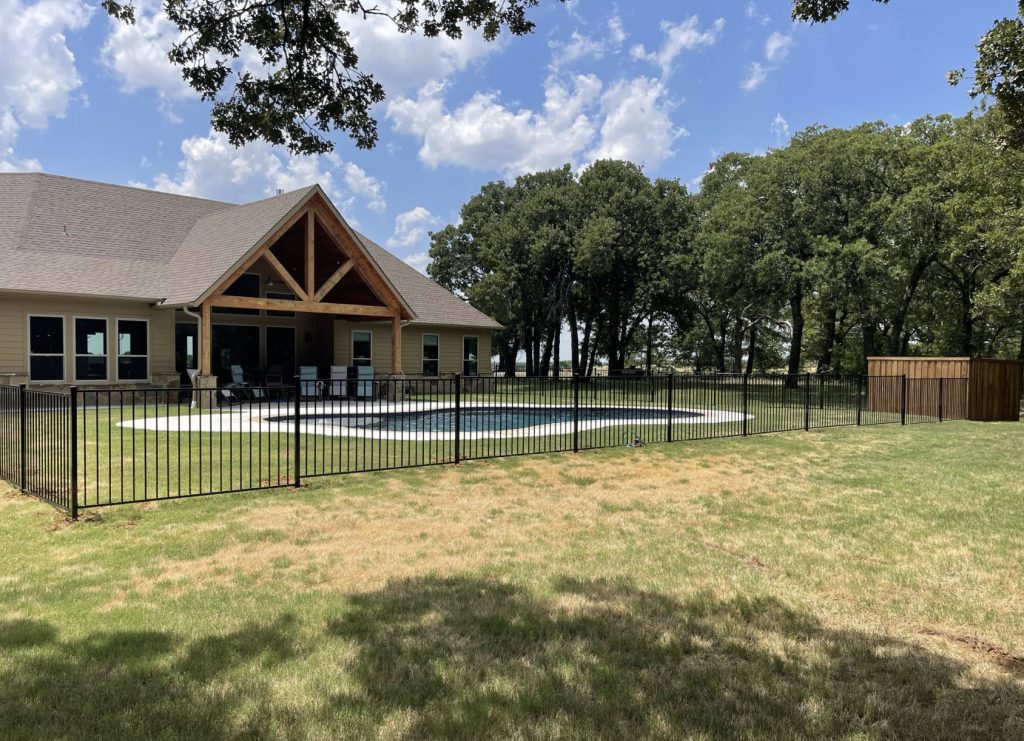
Another thing people often get wrong is assuming all fences are basically the same, just with different materials. A privacy fence, a decorative front-yard fence, and a pool safety fence all have completely different structural and design needs. A one-size-fits-all approach is a shortcut that looks okay for a moment but creates long-term headaches. Expert fence installation is about matching the right design, materials, and construction methods to each specific home and homeowner. That’s where a specialized local company like Lowery Fence & Patio makes a real difference for properties in and around Sherman, TX.
When a fence is properly planned and professionally installed, it becomes more than a border. It shapes how you relax, entertain, and feel secure in your own yard. It can reduce noise from busy streets, shield your patio from strong winds, and keep kids and pets safely contained. Expert fence installation for every home is not just about putting something in the ground; it is about creating a durable, attractive structure that works with the house, the yard, and the people who live there. Done right, it quietly does its job for decades without demanding attention, repairs, or constant worry.
Why Expertise Matters
A fence looks simple from a distance, but the details behind a long-lasting installation are anything but simple. The depth of each post hole, the type of concrete mix, the spacing between posts, and even the direction of prevailing winds in Sherman, TX all influence how well that fence will stand over time. An expert installer understands that the fence line has to be laid out with precision, accounting for grade changes and drainage so that water doesn’t pool around posts and weaken the structure. These details are rarely obvious to a homeowner browsing fence photos online, but they are the backbone of a professional job.
Local expertise is especially critical. Sherman’s clay-heavy soils can expand and contract with moisture and temperature changes, which puts stress on fence posts and footings. An installer who works in this region day in and day out, like Lowery Fence & Patio, knows how to adapt installation methods to handle that movement. That might mean deeper post holes, specific backfill techniques, or upgraded hardware that resists shifting and twisting. Without that local knowledge, a fence that looks fine in the first year can start leaning or heaving as the soil moves.
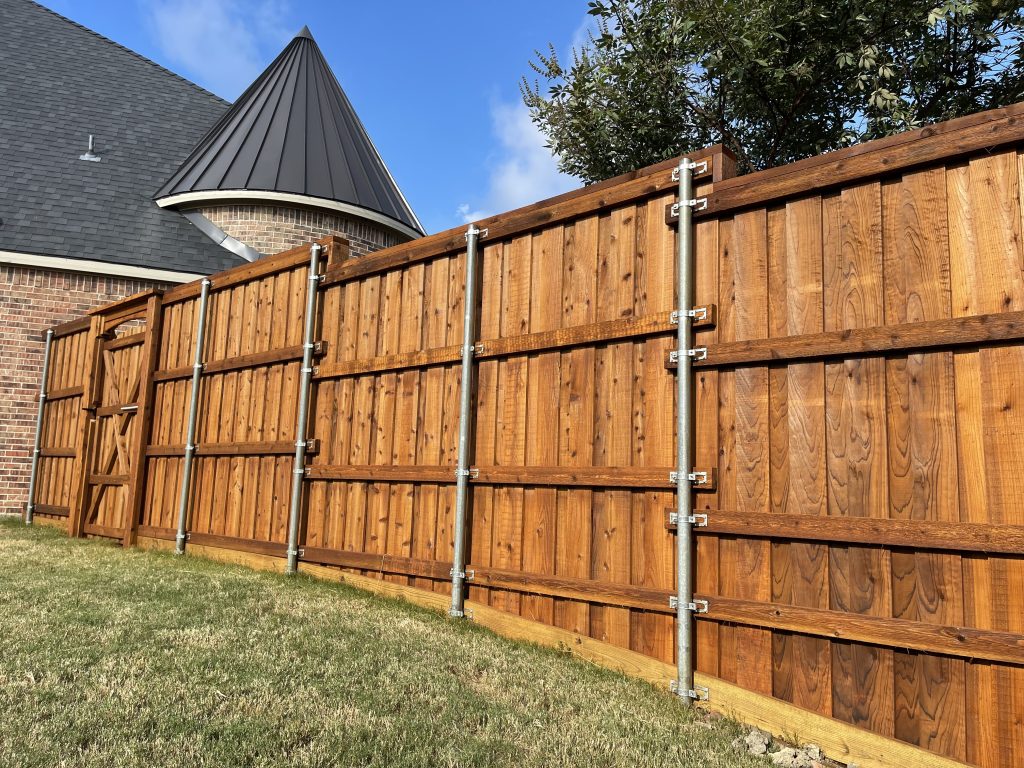
There is also a lot of technical knowledge behind what seems like a simple choice of materials. Wood species vary in durability; not all treated lumber is equal; and metal coatings, fasteners, and brackets influence how long a fence resists rust, rot, and warping. An expert installer understands how each component works together as a system. Instead of just “putting up a fence,” they’re building an engineered structure designed to handle weather, use, and time. That is the difference between a fence that becomes a yearly repair project and one that quietly does its job for a decade or more.
Choosing The Right Fence For Your Home
Before any installation begins, the most important step is choosing the right fence style and material for your home. Many homeowners start with aesthetics alone, focusing on what looks good in a photo. While curb appeal matters, a fence has to solve real-world needs first. Are you trying to keep pets in? Block a neighbor’s view? Add security along a back alley? Reduce traffic noise? Each of these goals points toward different heights, materials, and layouts. Expert fence installation means asking the right questions upfront so the final design truly fits your life.
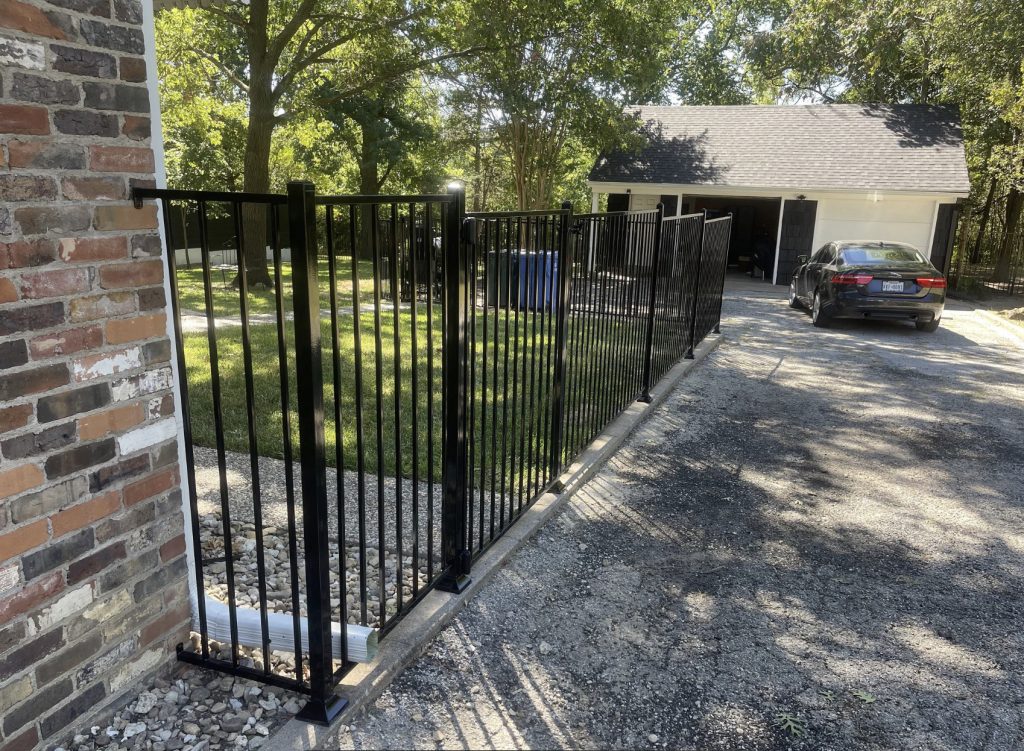
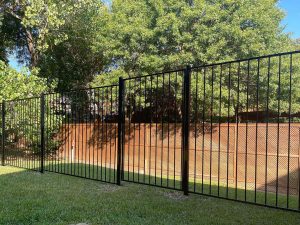
Material selection is another key decision. Wood offers warmth and a classic look, but it requires more maintenance over time. Vinyl fencing provides a clean, low-maintenance option, ideal for busy families who don’t want to stain or paint. Metal fencing, such as ornamental iron or aluminum, can deliver an elegant, open look while still providing security. In Sherman, TX, where sun, humidity, and storms can be tough on outdoor structures, the right material choice can significantly extend the life of a fence. A professional team like Lowery Fence & Patio can walk you through how each option performs in local conditions.
Style and layout also need careful thought. A privacy fence around a backyard might need to step down in height as it approaches the front yard to comply with local codes and maintain sightlines. A front-yard fence might be shorter and more decorative, complementing the architecture of your home instead of hiding it. Gates should be placed where people naturally walk, and wide access points may be needed for lawn equipment, trailers, or future projects. When a fence is thoughtfully designed around how your family uses the space, it feels like a natural extension of your home rather than an afterthought.
Planning, Permits, And Property Lines
One of the least glamorous but most important aspects of expert fence installation is the planning and permitting stage. Every city and county has its own rules about fence heights, locations, and materials. In and around Sherman, TX, there may be restrictions on front-yard fence heights, requirements near street corners for visibility, or rules about pool enclosures. Skipping this step or assuming the rules are the same as a neighboring town can lead to costly fines or being forced to move or modify a newly installed fence. A professional installer understands how to navigate these regulations efficiently.
Property lines are another critical issue. Building a fence even a few inches over the line onto a neighbor’s property can create legal headaches and tension that lasts for years. Expert installers typically recommend verifying property boundaries, reviewing surveys if available, or working with a surveyor when necessary. Companies like Lowery Fence & Patio frequently help homeowners interpret existing surveys and translate that information into a clear, accurate fence layout. This careful approach ensures that your investment is fully on your property and protected from future disputes.
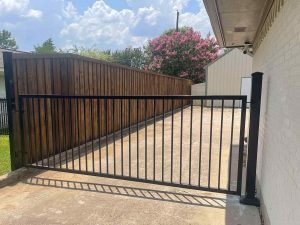
Planning also includes thinking about future changes. Will you someday add a patio, a pool, or a storage building? Do you expect to widen a driveway or change the way you park vehicles? Considering these possibilities during the fence planning stage can save money and frustration later. For example, leaving space and planning for a larger gate or a future Driveway gate installation can prevent having to tear out a section of fence down the road. Expert fence installation looks ahead, not just at what you need today, but what your property might need five or ten years from now.
The Installation Process Done Right
Once planning and design are finalized, the physical installation begins, and this is where craftsmanship becomes visible. A professional crew starts by carefully marking the fence line, checking for straightness and making adjustments for grade changes. They also call for utility locates to ensure no one drills into gas, water, or electrical lines. Skipping this step is dangerous and can be extremely costly. Expert installers treat each post location as part of a bigger structural system, not just a hole to be dug as quickly as possible.
Post installation is arguably the most critical phase. Posts must be set at the correct depth and in properly mixed concrete, with attention to drainage and soil type. In Sherman’s variable soil conditions, that might mean deeper posts or different footing shapes to resist heaving and shifting. The tops of the concrete footings are often sloped away from the posts to shed water, helping prevent rot or corrosion. When posts are aligned, plumb, and solid, the rest of the fence has a strong foundation to build on. This is where the difference between a DIY fence and a professional installation really shows up.
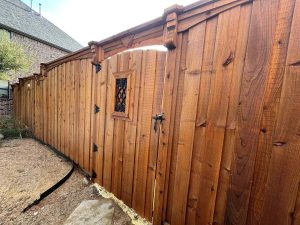
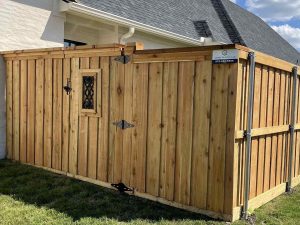
Once the posts cure, rails, pickets, or panels are installed with precise spacing and fastening methods. Expert installers account for wood expansion and contraction, wind loads, and the weight of gates. Gates receive special reinforcement, because they are moving parts that bear more stress than stationary sections. Proper hinge selection, latch placement, and gate framing prevent sagging and misalignment over time. When all of these details come together, the finished fence looks clean and straight on day one and stays that way for many years.
Longevity, Maintenance, And Value
Expert fence installation does not end when the crew packs up their tools. A truly professional approach includes helping homeowners understand how to care for their new fence to maximize its life. For wood fences, that may mean recommendations on staining or sealing schedules, inspection tips for spotting early signs of wear, and advice on trimming vegetation away from fence lines. For metal and vinyl fences, guidance might focus on cleaning methods, avoiding harsh chemicals, and checking hardware periodically. These small maintenance habits can add years to the life of your fence.
Longevity is also a matter of smart material and hardware choices made at the beginning. Using galvanized or stainless fasteners, high-quality hinges, and durable coatings can significantly delay rust, corrosion, and failure. In a climate like Sherman’s, where sun and storms can be intense, cutting corners on components might not show immediately but will reveal themselves in shorter fence life and more frequent repairs. Companies like Lowery Fence & Patio understand that the cheapest option up front is not always the best overall value for homeowners.
From a financial perspective, a well-installed fence adds value to a property in several ways. It boosts curb appeal, improves perceived security, and can make a yard more usable and attractive to potential buyers. Families with children or pets often place a high priority on having a secure, fenced yard. A fence that is clearly well-built, straight, and in good condition sends a message that the property has been cared for. That impression can translate into better offers and a smoother sale when it’s time to move on.
Working With A Local Professional
Choosing the right installer is just as important as choosing the right fence. Working with a local company that knows Sherman, TX and the surrounding communities offers advantages that go beyond convenience. Local professionals understand neighborhood expectations, HOA guidelines, and common property layouts. They have a track record you can see by driving past past projects, and they rely on reputation and referrals, which encourages consistent quality. When questions or issues arise, you’re dealing with a nearby team, not a distant or temporary operation.
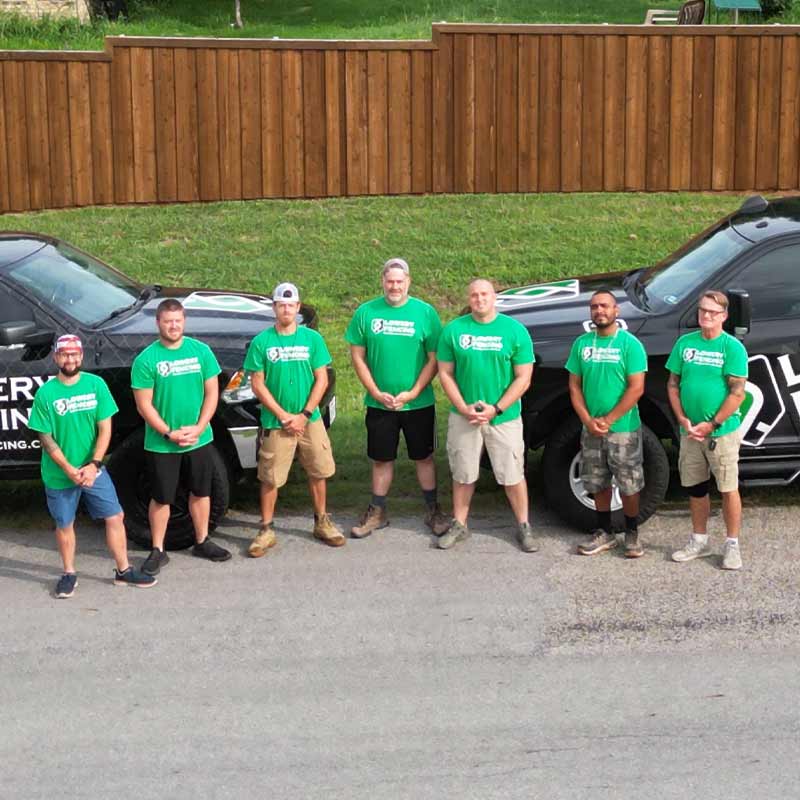
Lowery Fence & Patio brings this local focus to every project, whether it is a simple backyard privacy fence or a complex combination of fencing and patio structures. Because they work exclusively in this region, they see firsthand how different fence designs perform through seasons of sun, storms, and temperature swings. That experience feeds back into better recommendations and more refined installation practices. Instead of guessing how a particular design will hold up, they can draw on real-world examples from similar homes and yards.
Communication is another hallmark of expert installation. A good fence company takes the time to listen to your goals, explain options clearly, and keep you informed throughout the process. That might include discussing trade-offs between materials, walking the property with you to mark fence lines and gate locations, and reviewing any potential challenges before installation begins. When homeowners and installers are on the same page, the final result aligns with expectations and avoids surprises. That collaborative approach turns a basic fence project into a well-executed home improvement.
Frequently Asked Questions
How long does a typical fence installation take? For an average residential property in Sherman, TX, most fence installations take between two and four days once work begins, depending on the length of the fence, terrain, and weather. The first day is often focused on layout and setting posts in concrete, which then need time to cure properly. Larger or more complex projects, such as those with multiple gates, changes in elevation, or integrated patio structures, can take longer but benefit from the same careful, step-by-step approach.
Do I need a permit or approval before installing a fence? In many areas around Sherman, a permit or approval may be required, especially for fences in front yards, near streets, or around pools. There may also be specific height limits or material guidelines. Homeowners associations often have additional rules about style and placement. A professional installer like Lowery Fence & Patio can help you determine what approvals are needed and guide you through that process so your fence complies with local regulations and avoids future issues.
What type of fence is best for privacy and security? For maximum privacy and security, solid panel fences such as wood or vinyl privacy designs are common choices. These fences block sight lines and can be built to a height that discourages climbing. In some cases, combining a solid backyard fence with a more open, decorative front-yard fence provides a good balance between privacy and curb appeal. An expert installer will consider your specific property layout, neighboring structures, and any local rules when recommending the best style for your needs.
How do I maintain my fence to make it last longer? Maintenance needs depend on the material, but all fences benefit from regular inspection and cleaning. Wood fences generally should be stained or sealed every few years to protect against moisture and sun damage. Vegetation should be trimmed back to prevent vines or shrubs from trapping moisture against the boards. Metal and vinyl fences should be rinsed occasionally to remove dirt and pollutants, and hardware should be checked for signs of rust or loosening. Following the maintenance guidance provided by your installer can significantly extend your fence’s lifespan.
Can an old fence be repaired, or should it be replaced? Whether repair or replacement is best depends on the condition and age of the existing fence. If damage is limited to a few boards, pickets, or a single leaning section, repairs may be cost-effective. However, if posts are rotting, multiple sections are sagging, or the fence is nearing the end of its expected lifespan, replacement often offers better long-term value. A professional evaluation from a company like Lowery Fence & Patio can help you weigh repair costs against the benefits of a new, properly installed fence that will serve your home for many years.