
How Often Should You Reinstall or Replace Fences?
If your fence in Sherman, TX is sagging, leaning, or showing rust and loose boards, you are not alone. Many homeowners and property managers wonder whether they should repair, re-stain, or fully reinstall.
Last fall, you finally noticed the gap at the gate and the fence line that used to feel straight. This spring, the problem looks worse, especially after storms and heavy rain. Now you are asking a practical question: is it time to replace the fence, or can it be saved with maintenance?
This guide helps you spot the difference between “needs attention” and “needs replacement,” based on material type and real-world wear. You will also get a quick checklist you can use before scheduling Residential Fencing work in Sherman.
- Quick answer
- What to check first
- Main things customers should understand
- Why this matters in Sherman, TX
- Common mistakes to avoid
- Customer checklist
- Frequently asked questions
Quick Answer
Most fences do not need full replacement on a fixed calendar. Instead, replace (or reinstall) when key parts fail: posts that can no longer hold straight alignment, significant leaning or sagging, widespread rot, or heavy rust through the structural components. If only the surface is worn, you may extend the fence’s life with repairs, cleaning, and protection like Fence Stain or other maintenance. In Sherman, TX, a quick visual inspection after storms is a practical way to decide between repair and replacement.
What to Check First
Start with the fence posts and the fence line geometry. If posts are loose in the ground, leaning, or shifting, the fence will keep moving no matter how many individual boards or panels you swap. Walk the perimeter and watch for bowing, noticeable dips between posts, and gates that no longer latch smoothly.
Professional observation: A fence usually fails “from the ground up,” so the quickest way to avoid extra labor is to confirm whether the posts and hardware are still doing their job.
Main Things Customers Should Understand
Material matters, but the condition of the structure matters more. Here is how to think about “reinstall vs. repair” without guessing. Use these factors to guide what a fence contractor should inspect, whether you are considering Wood Fence restoration, chain link solutions, or gate access updates.
Wood fences
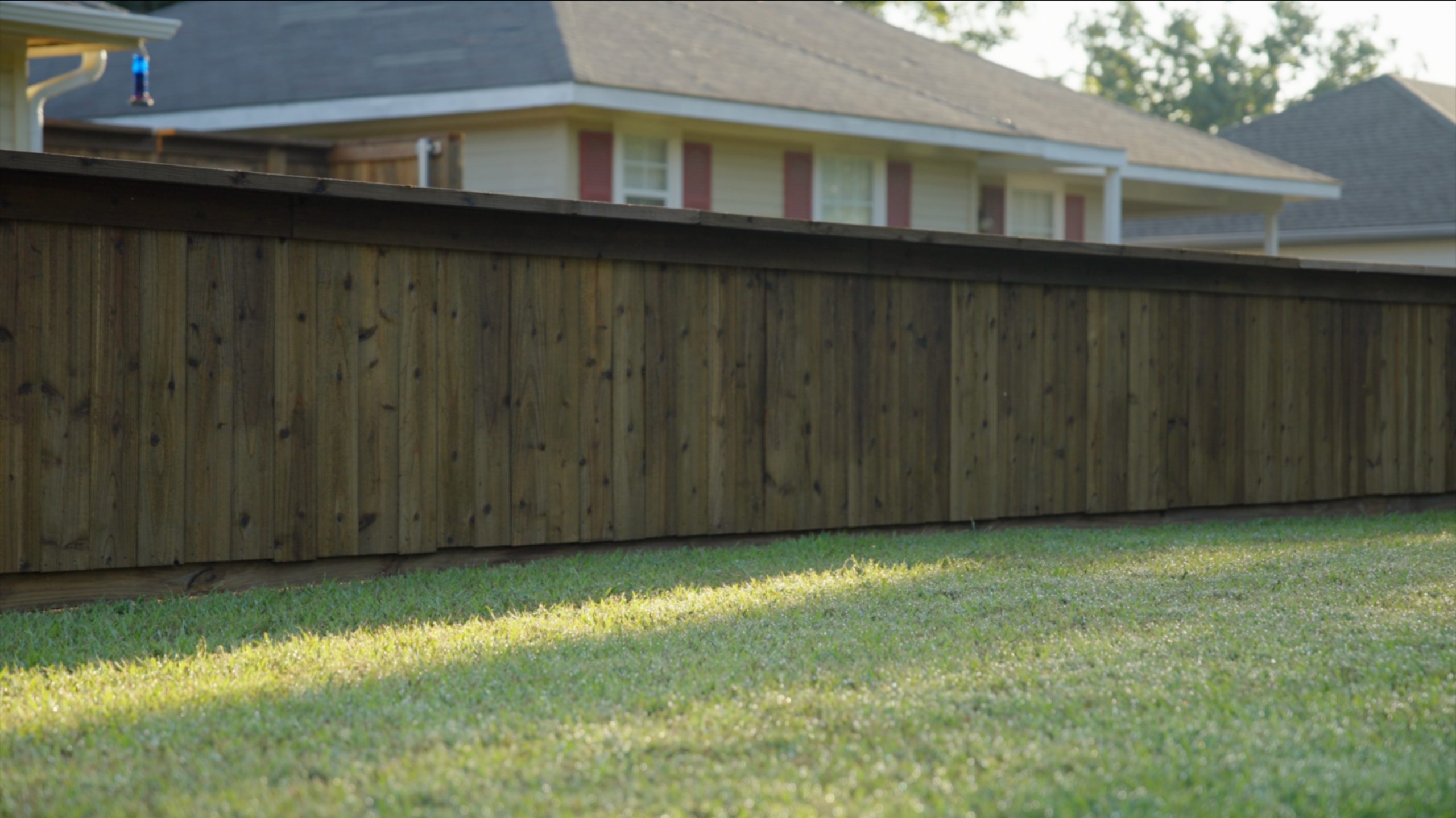
Look for soft spots, splintering, and rot near the bottom rails and post bases. If the framing is deteriorating, “spot fixes” can keep failing because the underlying support is weakened. If the boards are intact but faded or weathered, maintenance may be enough.
Fence Stain can help protect surfaces, but it will not correct structural movement.
Chain link fences
Check for missing or damaged links, stretched sections, and posts that have lost tension. Chain link repair is often possible when the framework is sound. When multiple sections sag due to post movement, reinstalling may be the more dependable path.
Chain Link Fencing can be designed for long-term stability, including proper tensioning and alignment.
Wrought iron and ornamental styles
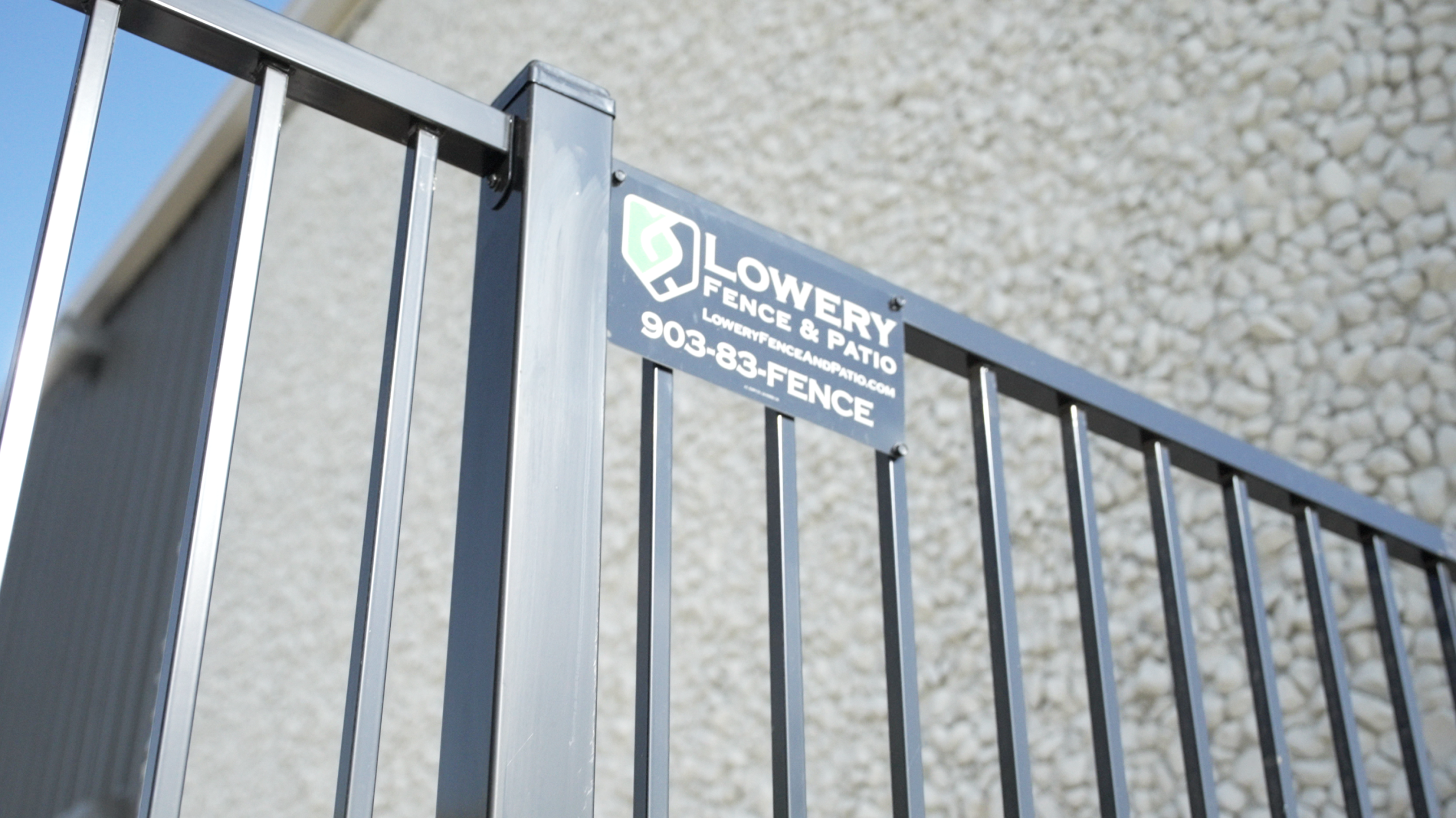
Inspect for rust that has spread beyond surface discoloration, plus loose connections at posts and rails. If the framework is intact, cleaning and protective coatings may extend service life. If sections are moving, the fix usually involves hardware and alignment, not only appearance.
Wrought Iron Fencing performance depends heavily on secure installation details.
Firsthand-style industry observation: In the field around Sherman, TX, the biggest “surprise” is that customers often replace a fence panel while the real issue is a shifted post line. Once posts move, the fence starts fighting the ground, and repairs become a cycle.
Why This Matters in Sherman, TX
Sherman weather can be tough on outdoor materials, and storms can reveal problems that were not obvious on a calm day. After heavy rain and wind, watch for new fence movement, gate misalignment, and early signs of rot near fence bases. If you have livestock, a backyard play area, or a business property that needs consistent access control, addressing structural issues promptly helps you avoid safety and security gaps.
| What you see | Likely next step | Why it matters |
|---|---|---|
| Leaning posts or fence line bowing | Reinstall or structural repair | Loose or shifted posts keep causing misalignment, so surface fixes rarely last. |
| Rot at post bases or bottom rails (wood) | Replace affected sections, then evaluate posts | Rot can spread where moisture collects, especially near the ground. |
| Rust spots on metal without movement | Repair and protective maintenance | If the framework is stable, you can often extend life with the right cleaning and protection. |
| Damaged chain links or bent sections | Chain link fence repair | Repairs are commonly practical when tension and posts are still solid. |
| Gate won’t latch, hinges are straining, alignment is off | Hardware and alignment adjustments, then confirm post stability | Gate issues usually point back to installation geometry and support. |
Need help deciding repair vs. replacement?
If you are in Sherman, TX, or the surrounding counties and your fence is shifting after storms, call Lowery Fence & Patio for an on-site assessment.
Request a fence evaluationCommon Mistakes to Avoid
These are the issues that most often lead to repeat work. If you are planning repairs or scheduling fence installation, double-check these points first so you spend money once, not twice.
- Replacing fence boards or panels without checking post stability and alignment
- Assuming a gate problem is “just the latch” when hinges are being pulled out of position
- Cleaning or staining over failing structural components
- Ignoring early rust or rot at the base, where moisture collects and damage spreads
- Waiting until the fence line is significantly out of plumb, which can increase labor to correct it
Customer Checklist
Use this quick walkthrough before you call. It does not require tools, and it helps your contractor focus on the real cause.
- Walk the fence line and note any leaning, bowing, or dips between posts
- Check that gates open and close smoothly and latch without forcing
- Look at post bases (especially at corners and near gates) for rot, looseness, or heavy rust
- Inspect bottom rails for soft wood, missing sections, or sagging
- For chain link, check for sagging sections, missing links, and bent framework
- Decide what you want most: privacy, security, appearance, or access control consistency
Representative Scenario
A Sherman homeowner noticed their wood fence looked “fine” from the street, but the backyard side had a gate that began sticking after rain. When the fence line was inspected closely, the posts near the gate had shifted enough that the latch no longer lined up. Instead of replacing individual boards, the solution focused on restoring alignment and stabilizing the support, then addressing the damaged sections. The result was a fence that stayed straight and a gate that closed properly without constant adjustments.
Frequently asked questions
Is there a set number of years when I must replace my fence?
There is no single timeline that fits every fence. Replacement timing depends on material condition, how well the posts are anchored, and how much the fence moves during storms. A fence with stable posts may only need repairs and maintenance, while a fence with shifted supports often needs reinstall work sooner. If you notice new leaning, sagging, or gate misalignment, treat that as a condition-based signal rather than waiting for a specific year.
Can I just re-stain a fence instead of replacing it?
Re-staining can help when the wood is mainly weathered, not structurally compromised. If you have rot at the base, soft rails, or posts that are loose, staining will not fix the underlying problem. Stain and seal work best as protection for sound surfaces. If you are unsure, have someone evaluate whether the fence line is still straight and whether the post bases show moisture damage.
When should a chain link fence be repaired versus reinstalled?
Chain link repair is often practical when damage is localized, like bent sections or missing links, and the posts remain stable. Reinstall (or more extensive work) is usually the better choice when you have widespread sagging, multiple bent framework areas, or tension problems caused by post movement. A careful check of alignment and tension helps determine what is truly failing.
Do I need to replace the entire fence if only one section is damaged?
Not always. Many fencing projects can address specific failing areas, especially when only one stretch of fence is affected. The deciding factor is whether the damaged section is tied to a larger structural issue like shifted posts or a line that has started to bow. If the surrounding posts and hardware are still holding alignment, targeted repairs may be enough.
How do gate problems relate to fence replacement?
A gate that will not latch or that drags is a strong clue that the fence line geometry has changed. That can happen when hinges are pulled out of position, posts have shifted, or the opening is no longer square. Fixing the latch alone may not solve the root cause. If your gate issues appeared after storms, have the support line inspected before planning replacement work.
Ready to get your fence line back to straight?
For fence installation decisions in Sherman, TX, Lowery Fence & Patio can help you choose between maintenance and replacement based on what is actually failing.
Visit Lowery Fence & Patio
About Lowery Fence & Patio
Lowery Fence & Patio provides fencing and outdoor living solutions for property owners and businesses in Sherman, TX and surrounding areas including Collin County, Grayson County, Cooke County, and Fannin County. Their team focuses on practical fence installation, repair, and related services such as gates and outdoor upgrades to help keep properties secure, functional, and looking their best.