
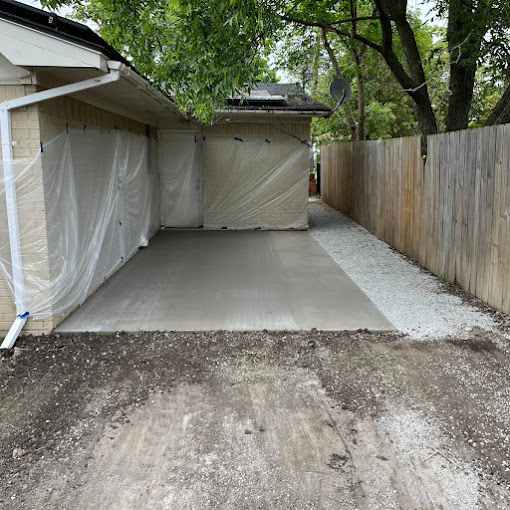
Signs Your Patio Needs Rebuilt by Professionals
If your patio in Sherman, TX is looking uneven, cracking, or draining poorly, you might not just be dealing with surface wear. A rebuild can be the difference between an outdoor space that’s safe and comfortable, and one that keeps giving you problems after every heavy rain.
Last spring, a homeowner near Sherman noticed hairline cracks in the patio, but figured it was normal settling. Then summer heat and a couple of strong storms turned those cracks into raised sections and puddles that would not drain. Walking across it became less comfortable, and the space started to feel more like a hazard than a hangout.
This guide helps you identify the real warning signs that your patio needs professional rebuilding, not just patchwork. You will also get a quick decision framework, a customer checklist, and local context for common outdoor-living issues in North Texas.
- Quick answer
- What to check first
- Main things customers should understand
- Why this matters in Sherman, TX
- Common mistakes
- Customer checklist
- Frequently asked questions
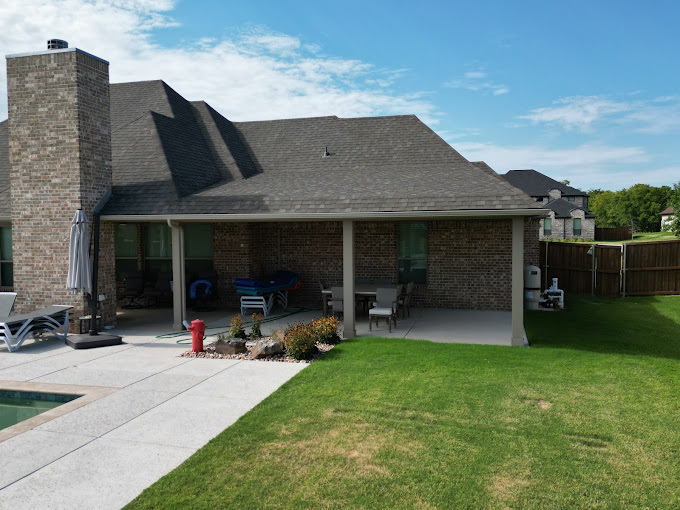
Quick Answer
You may need a patio rebuild when the damage is more than cosmetic: noticeable trip hazards, uneven or rocking sections, repeated pooling after rain, and cracking that keeps expanding instead of stabilizing. If you see movement around edges or drainage problems that affect adjacent areas, a rebuild is often the safer, longer-term fix. Start by checking for levelness and drainage paths, then compare how quickly the problems worsen after storms. For professional evaluation, contact Lowery Fence & Patio so the underlying cause can be addressed.
What to Check First
Before you commit to a rebuild, look for clear, repeatable signs that the patio base and drainage are failing. These are usually easy to spot during daylight and after wet weather. Focus on the areas that get walked on the most, the corners where water collects, and any spots where you feel movement underfoot.
Trip hazards and movement
Step across the patio and pay attention to rocking pavers or slabs, soft spots, and transitions near steps, doors, or expansion joints. Even a small height difference can worsen over time.
Water pooling and slow drainage
After rain, watch where water sits. If puddles remain for long periods, the patio may not be properly sloped or the base may be compromised.
Cracks that keep growing
Hairline cracks can be normal, but cracks that widen, spread, or connect across multiple sections are stronger indicators of movement in the structure.
Main Things Customers Should Understand
A patio is more than the top surface. The real performance comes from what is underneath: the base, the slope, and the drainage pathway. When those layers fail, resurfacing alone can look better for a short time while the underlying problem continues to push the surface upward or separate it from the base.
Professional observation: A rebuild is usually recommended when the patio shows both structural movement and drainage failure, because the next cycle of heat and rain tends to repeat the damage pattern.
1) Uneven surfaces that get worse after storms
In Sherman, TX, patios see sun exposure, heavy rain events, and temperature swings. If the patio feels level on a dry day but uneven after rain, that can point to water trapped beneath or a base that is no longer compacted correctly. That combination can lead to continued settling and cracking.
2) Edge separation and deteriorating transitions
Pay attention to where the patio meets the house, retaining edges, or borders. Separation gaps can allow water to migrate under the slab or between pavers. Over time, that can undermine sections and create trip hazards along the perimeter.
3) Drainage problems that affect nearby outdoor features
If water pooling is causing issues near steps, landscaping, or entry points, the patio rebuild may need to include adjustments to drainage grading. When you correct drainage, you often improve not just the look of the patio, but also how the whole outdoor living area behaves during wet weather.
4) When “patching” becomes the problem
Patchwork can hide symptoms, but it cannot reliably fix a failing base or poor slope once sections have started to move. If you keep returning to the same spots after repairs, it is typically a sign that the patio needs a more complete solution.
Practical recommendation: If you suspect the base or drainage is failing, ask for an inspection that looks at levelness and drainage paths, not just the surface cracks.
Why This Matters in Sherman, TX
Patio failures in Sherman, TX often show up as a repeating cycle. Sun and heat can contribute to material expansion, while heavy rain events test the drainage. When the patio surface is not properly sloped or when the base cannot shed water, the same areas tend to crack, settle, or pool again after each weather cycle.
| What you notice | What it can indicate | Repair may help if… | Rebuild is often the better direction if… |
|---|---|---|---|
| Hairline surface cracks only | Minor wear or early movement | Cracks do not expand and no pooling appears after rain | Cracks widen or spread over multiple sections |
| Puddles that linger | Sloping or drainage failure | Water drains normally and edges stay stable | Pooling persists and you see movement near low spots |
| Rocking pavers or uneven slabs | Base instability | Small localized movement with stable surrounding sections | Uneven areas expand or create repeated trip hazards |
| Edge separation near steps or doors | Water migration and settlement | Gaps are limited and do not worsen after storms | Separation grows and affects adjoining surfaces |
Get a professional patio evaluation
If your patio in Sherman, TX is showing unevenness or drainage trouble, a qualified inspection can help you choose the right next step. Lowery Fence & Patio can review the situation and recommend an approach that fits your outdoor living goals.
Contact Lowery Fence & PatioCommon Mistakes to Avoid
Patio problems can feel urgent when you notice cracks or pooling, but quick fixes are not always the safest path. Here are common mistakes homeowners make when deciding whether a rebuild is needed.

- Ignoring recurring puddles and only treating the surface after each storm.
- Trying to level or patch one section without checking whether the base has shifted across a larger area.
- Waiting until the patio becomes a trip hazard before getting an inspection.
- Assuming that sealing or resurfacing will fix drainage issues underneath.
- Overlooking transitions near doors, steps, or edging where movement often starts.
Customer Checklist
Use this checklist before you call for help. It is designed to capture the details that matter most for diagnosing whether your patio needs professional rebuilding. If you can answer these, you will be better prepared for an on-site evaluation.
- After rain, do you see water pooling in the same spots every time?
- Do you notice rocking pavers or a change in height when you walk across the patio?
- Are cracks spreading, connecting, or growing wider over time?
- Do edges separate near doors, steps, or borders?
- Have repairs helped temporarily, but the same areas keep failing again?
- Does the patio’s condition affect how you use nearby outdoor living areas?
Representative Scenario
A family in Sherman, TX planned to host friends on their patio after the first warm weekends of the year. By the time storms rolled through, they noticed the patio felt uneven near the back corner, and water pooled close to the edge where it met landscaping. They attempted minor patchwork, but the problem returned after the next rain because the underlying drainage and base stability had not been addressed.
Frequently asked questions
Here are practical answers to common questions homeowners ask when deciding whether their patio needs rebuilding. If your situation matches any of these, it is a good signal to schedule a professional evaluation.
How can I tell if it is a drainage problem or just surface wear?
Is it possible to rebuild only part of the patio?
What should I do before scheduling an inspection?
Will a patio rebuild affect nearby fencing or outdoor structures?
What if my patio looks bad but the cracks are not severe?
Ready to make your patio safer and more comfortable?
Whether you are in Sherman, TX or serving nearby communities, Lowery Fence & Patio can help you evaluate patio rebuild needs and plan next steps for your outdoor living space.
Call 903-833-3623If your project includes access updates, you can also explore gate options to match your upgraded outdoor area.

About Lowery Fence & Patio
Lowery Fence & Patio provides fencing and outdoor living services for property owners across Sherman, TX and nearby areas including Collin County, Grayson County, Cooke County, and Fannin County. From residential and commercial fence installation to outdoor living solutions, the team focuses on practical, long-lasting results that fit how customers actually use their space.
Related reading: If you are planning broader outdoor upgrades, consider reviewing concrete services and deck building for a cohesive backyard plan.