
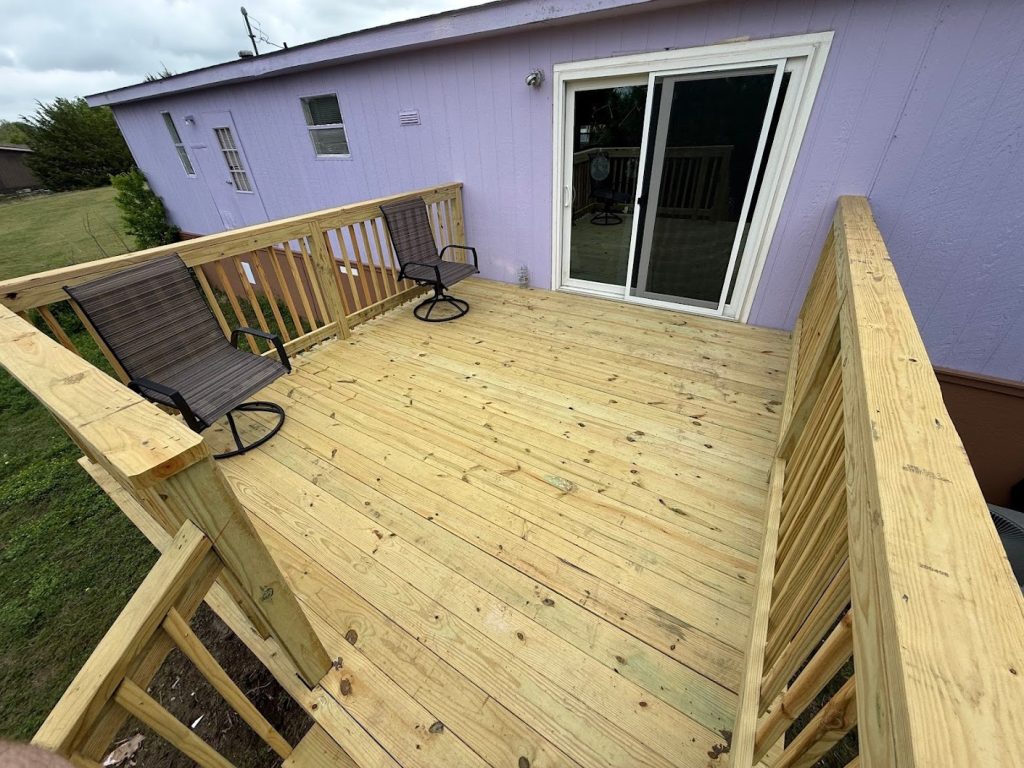
Deck Installation for Sagging Boards and Loose Railings
If your deck boards feel soft in spots or your railing wobbles when someone leans on it, you are not imagining it. In Sherman, TX, outdoor living surfaces take a beating from heat, moisture changes, and daily use, so fixes need to address the cause, not just the symptom.
You walk outside to enjoy the backyard, and the deck sounds different than it used to. A board near the walkway sinks under your weight, or a handrail shifts when you grab it. That is when you start thinking, “Is this safe, and can it be fixed without rebuilding everything?”
This guide helps you understand what typically causes sagging boards and loose railings, what to inspect before decisions get expensive, and what a proper deck installation or repair plan should include. It also highlights common mistakes homeowners make when they only tighten hardware or replace one damaged plank.
Whether you are dealing with a few problem spots or planning a full refresh, Lowery Fence & Patio can help you move forward with a clear, practical approach in Sherman, TX.
- Quick answer
- What to check first
- Main things customers should understand
- Local factors in Sherman, TX
- Common mistakes to avoid
- Customer checklist
- Frequently asked questions
Quick Answer
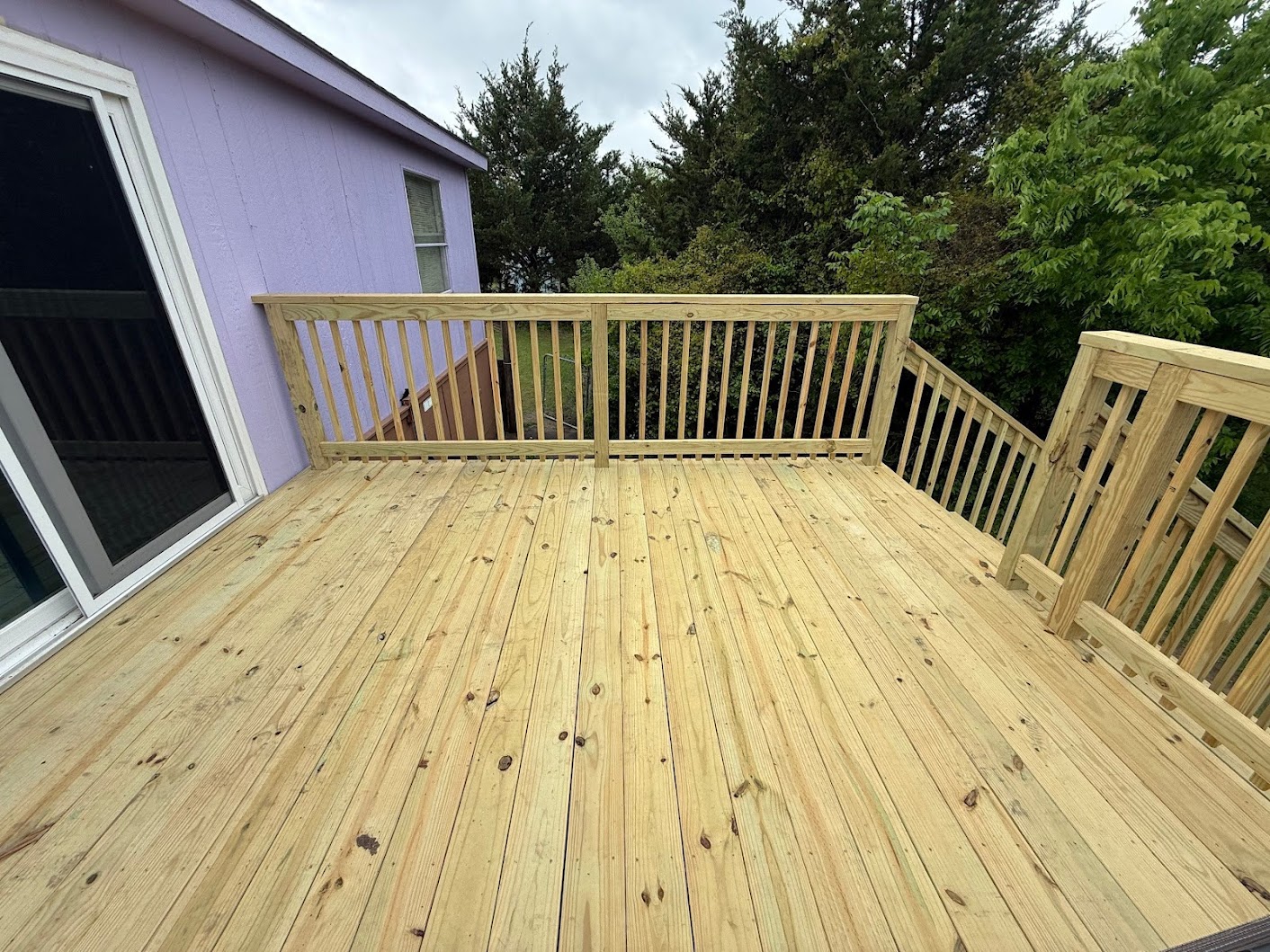
Loose railings and sagging deck boards usually signal movement in the frame, damaged support members, or fasteners that no longer hold securely. The safest next step is to stop using the affected area and have someone inspect the deck structure underneath the boards, not just the surface. In many cases, deck installation or partial rebuilds are the most durable fix because they restore the load path, re-secure posts and rail connections, and replace compromised materials. Lowery Fence & Patio can evaluate what needs to be repaired versus replaced for a stable, usable deck.
What to Check First
Before you start buying materials or tightening random parts, check where the movement actually comes from. Push on the railing in different directions (side-to-side and up-and-down) and note which post or connection shifts. Then step across the deck carefully and mark the exact board locations that feel springy or sink under pressure. If you can see discoloration, rot, or gaps around fasteners, that is another strong clue that the issue is structural.
Track the wobble
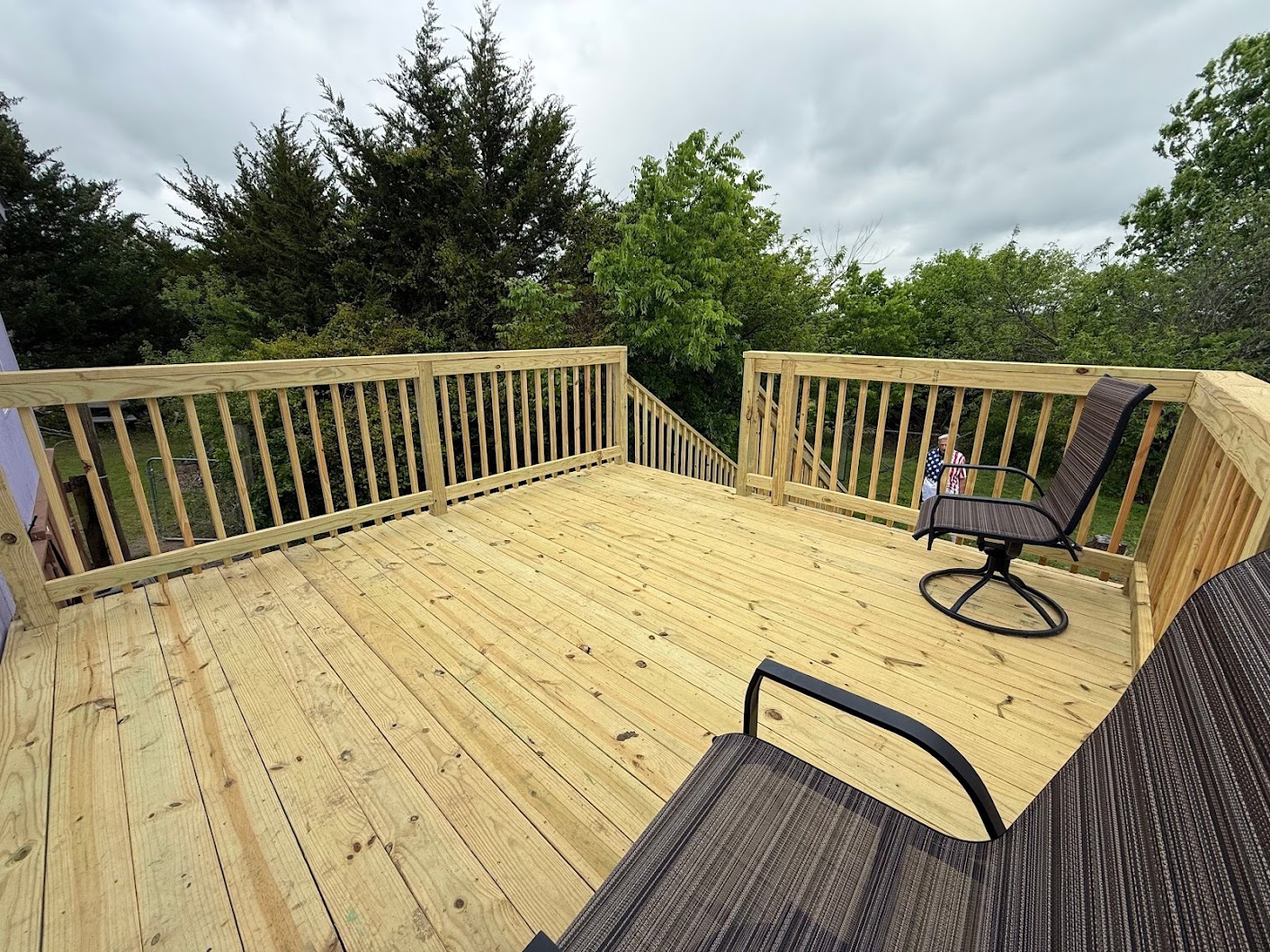
Identify whether the railing problem is at the top rail, the balusters, or the posts that anchor into the deck frame.
Find the soft spots
Test multiple boards near the problem area. Sagging often spreads when supports below are compromised.
Look for water paths
Check for discoloration, peeling, or standing moisture that can loosen deck fasteners over time.
Professional observation: If a railing moves, the connection points are usually the real issue. Tightening screws on the surface does not correct a loose post-to-frame connection.
Main Things Customers Should Understand
Deck installation for sagging boards and loose railings is not just swapping out a few boards. A stable deck depends on how the framing supports loads, how the rail posts are anchored, and whether the fasteners and materials are still functioning as a system. In Sherman, TX, the combination of sun exposure and moisture swings can accelerate wear on deck components, especially around joints and areas that trap water.
| What you notice | What it often means | Typical service approach |
|---|---|---|
| Sagging boards underfoot | Compromised supports or spacing that no longer supports the load | Targeted replacement of boards and associated structural members, plus re-securement |
| Railing wobbles at the post | Loose or failing connections where posts meet the deck frame | Rebuild or reinforce the post connections and rail layout for stability |
| Loose balusters (spindles) | Fasteners or attachment points that have loosened over time | Replace damaged balusters and re-secure using appropriate connection methods |
| Multiple problem areas | Widespread framing movement or broader material fatigue | Deck installation plan that addresses the full affected section, not just one spot |
Practical recommendation: When you request deck building help, ask for an inspection of the structure underneath the boards and the railing anchorage points. That is where “fixes that last” are usually decided.
Why This Matters in Sherman, TX
Deck performance in Sherman, TX is tied to how your deck handles heat, humidity changes, and repeated outdoor use. Boards can feel fine in one season and noticeably softer after periods of moisture, and rail connections can loosen as materials expand and contract. If your deck is near a patio, walk path, or gate area, daily foot traffic adds stress to the same framing members that already see movement from weather.
If you have a privacy fence nearby
Decks and fences often share the same outdoor footprint. If you are also dealing with fence repair services, you can coordinate improvements so the overall yard layout stays consistent.
If gates are part of your deck access
Gate hardware and access control systems need stable openings and correct alignment. A deck that shifts can make nearby gate operation harder.
If your deck ties into patios
Outdoor living updates work best when surfaces and transitions line up cleanly. If you are planning a patio cover or concrete refresh, it can affect how water drains off the deck area.
A Representative Scenario
A homeowner in Sherman notices that the deck board closest to the steps feels springy. A few weeks later, the railing near the corner post wobbles when children lean on it. The initial “quick fix” is tightening visible screws, but the wobble returns. After inspection, the problem is traced to a compromised connection at the post and worn support sections under the board line. The repair plan focuses on restoring the frame and re-establishing solid anchorage for the railing, then replacing the affected deck boards so the surface feels firm again.
Ready for a stability check before you commit?
If your deck in Sherman, TX has sagging boards or loose railings, schedule an assessment so you can plan the right scope for deck installation or deck building.
Call Lowery Fence & PatioCommon Mistakes to Avoid
Homeowners often try short-term fixes that do not address the root cause. The result is usually another round of looseness, water intrusion, or uneven support. Avoid these common missteps so your deck rebuild or deck installation is safer and more durable.
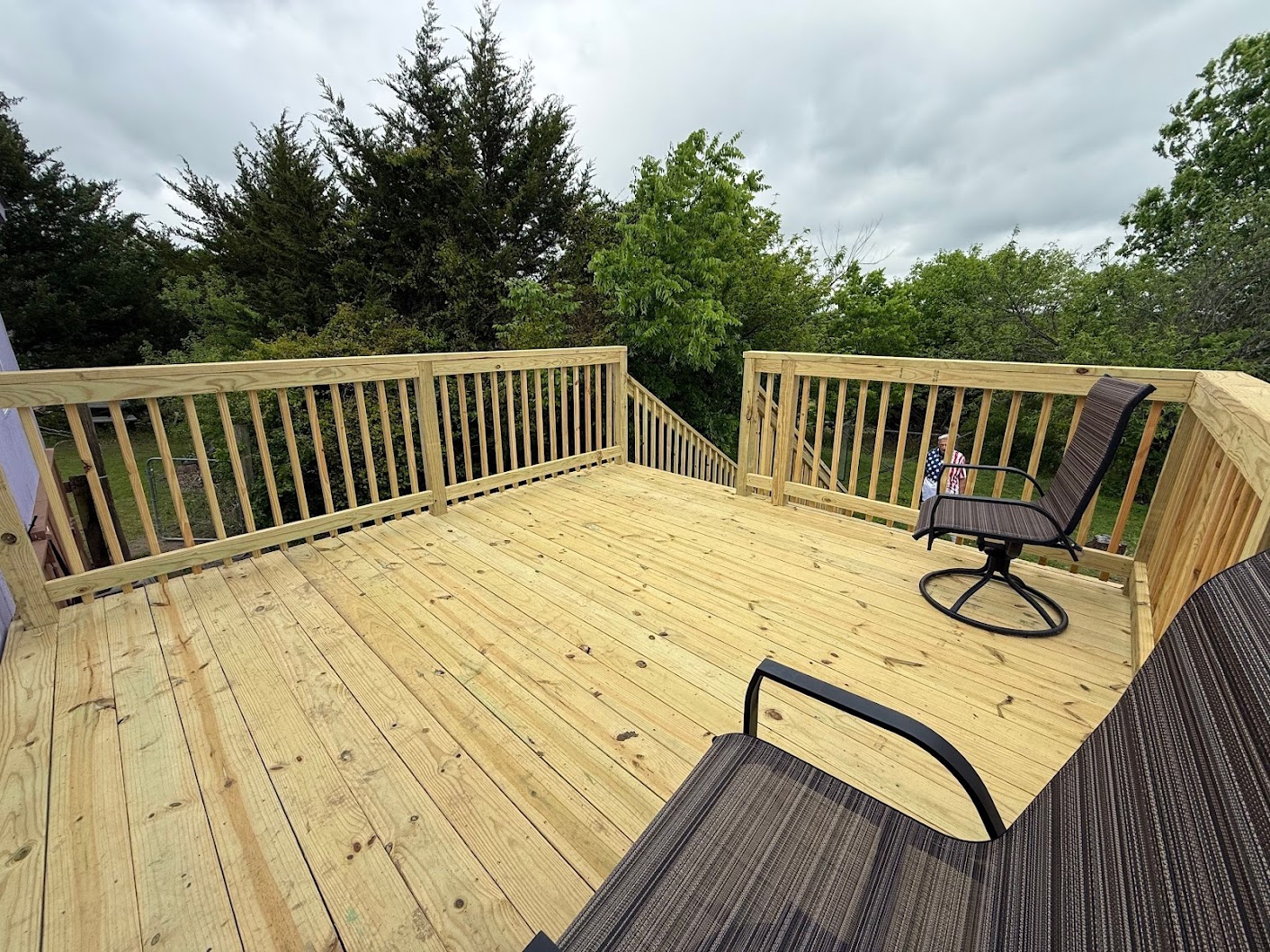
- Only tightening railing hardware without checking whether the post connection into the deck frame is secure.
- Replacing one board while leaving compromised framing members underneath.
- Ignoring soft spots because the deck “seems mostly fine.” Soft boards often mean supports have started to fail.
- Overlooking water and staining issues around fasteners and joints, which can keep deck materials degrading.
- Skipping a structural inspection and focusing only on the surface finish, such as fence stain or deck surface appearance.
Customer Checklist
Use this checklist when you are planning deck installation for sagging boards and loose railings. It helps you ask better questions, document the problem clearly, and make decisions based on what is actually moving.
- Mark the exact deck boards that feel soft or sink underfoot.
- Test the railing and note which post or connection point wobbles.
- Check for visible rot, discoloration, or gaps near fasteners and joints.
- Confirm whether the issue is isolated or appears in multiple sections of the deck.
- Ask about restoring the framing and anchorage, not just replacing surface boards.
- If you have nearby fencing, confirm whether gates and access points are staying aligned with the yard layout.
Frequently asked questions
These are common questions homeowners ask in Sherman, TX when they notice sagging deck boards or loose railings. The answers focus on practical next steps and what to inspect.
Can sagging deck boards be fixed without a full rebuild?
Often, yes. If the issue is limited to certain boards or localized support sections, targeted replacement can restore stability. The key is identifying whether the supports underneath are still solid. If the movement is spread across multiple areas, a larger section may need deck installation to bring the whole system back into alignment and safe load-bearing condition.
Why does my railing get loose even after tightening screws?
Loose railings usually point to a problem at the anchorage points, such as where posts attach to the deck frame. Screws can loosen again if the connection was not structurally secure to begin with, or if surrounding materials have degraded from moisture and movement. A proper repair evaluates the post-to-frame connection and corrects the underlying cause, not just the visible hardware.
Should I replace only the damaged deck boards?
Replacing only the top boards can help if the framing underneath remains strong. But if the deck feels springy in multiple spots, it may indicate that the supports have weakened too. A structural inspection helps determine whether board replacement alone is enough or whether deck installation needs to include the framing components for a long-lasting result.
How do moisture and weather affect deck stability in Sherman?
Outdoor decks expand and contract with temperature and moisture changes. Over time, that movement can loosen fasteners, widen gaps, and contribute to material degradation, especially near joints and areas that trap water. If you notice discoloration or soft spots, treat it as a sign to investigate structural connections before the problem spreads.
Can deck issues affect nearby gates or access?
They can. If a deck shifts or the railing area changes, it may influence how nearby pathways and openings line up, including gates used for yard access. That is one reason it helps to coordinate outdoor living improvements. If your plan includes gates or access control systems, make sure the deck stability is addressed so the rest of the yard layout stays functional.
Get a clear plan for safe deck installation
Lowery Fence & Patio helps homeowners in Sherman, TX and surrounding counties move from “it feels loose” to a stable deck you can use confidently.
Explore deck building
About Lowery Fence & Patio
Lowery Fence & Patio provides fencing and outdoor living services for property owners in Sherman, TX, including deck building and related exterior improvements. Their team focuses on practical, durable results for residential and commercial projects across Collin County, Grayson County, Cooke County, and Fannin County.