
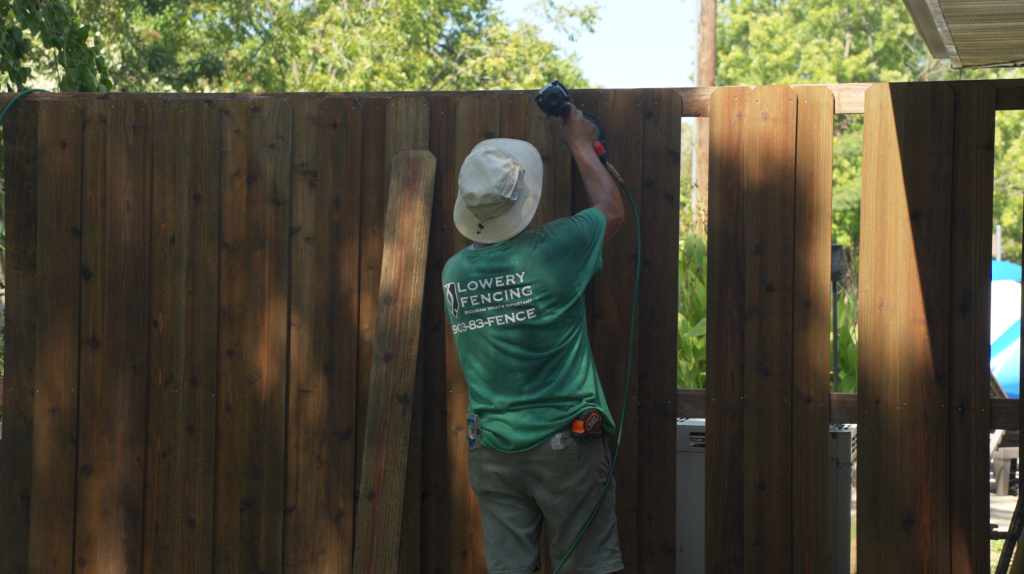
Need New Fence Installation After Storm Damage Fast
If a storm hit your property near Sherman, TX and left your fence leaning, broken, or stuck open, you are not alone. This guide helps you assess damage quickly, make safe next steps, and understand what matters most for a clean, secure replacement.
After high winds or heavy rain, fences often fail in ways that are easy to miss at first. A section may look “mostly fine,” but the posts can shift, pickets can twist, or the gate may no longer line up. In Sherman, TX, that can turn into a security and privacy problem fast, especially if your yard is a main entry path.
This article walks you through what to check first, what to plan for, and how to choose a replacement approach that fits your property and fencing style. You will also find practical mistakes to avoid so you do not pay twice or delay repairs.
- Quick answer
- What to check first
- Main considerations
- Local factors in Sherman, TX
- Common mistakes to avoid
- Customer checklist
- Frequently asked questions
Quick Answer
If your fence was damaged by a storm, start by prioritizing safety and containment: keep gates from hanging open, clear any loose debris, and note which posts moved. Next, schedule an on-site evaluation so the team can determine whether you need full fence replacement or targeted repairs, including gate hardware alignment. For fast stabilization, some properties may use temporary fence panels while the permanent section is rebuilt. A professional assessment helps ensure your new fence installation holds up in the next storm cycle.
What to Check First
Before you spend money on parts, walk the line of the fence and look for the “root cause.” Storm damage usually starts at the posts, then moves outward to rails, pickets, and gate components. If a post shifted deeper into the ground or leaned out, simply swapping boards or panels will not restore alignment.
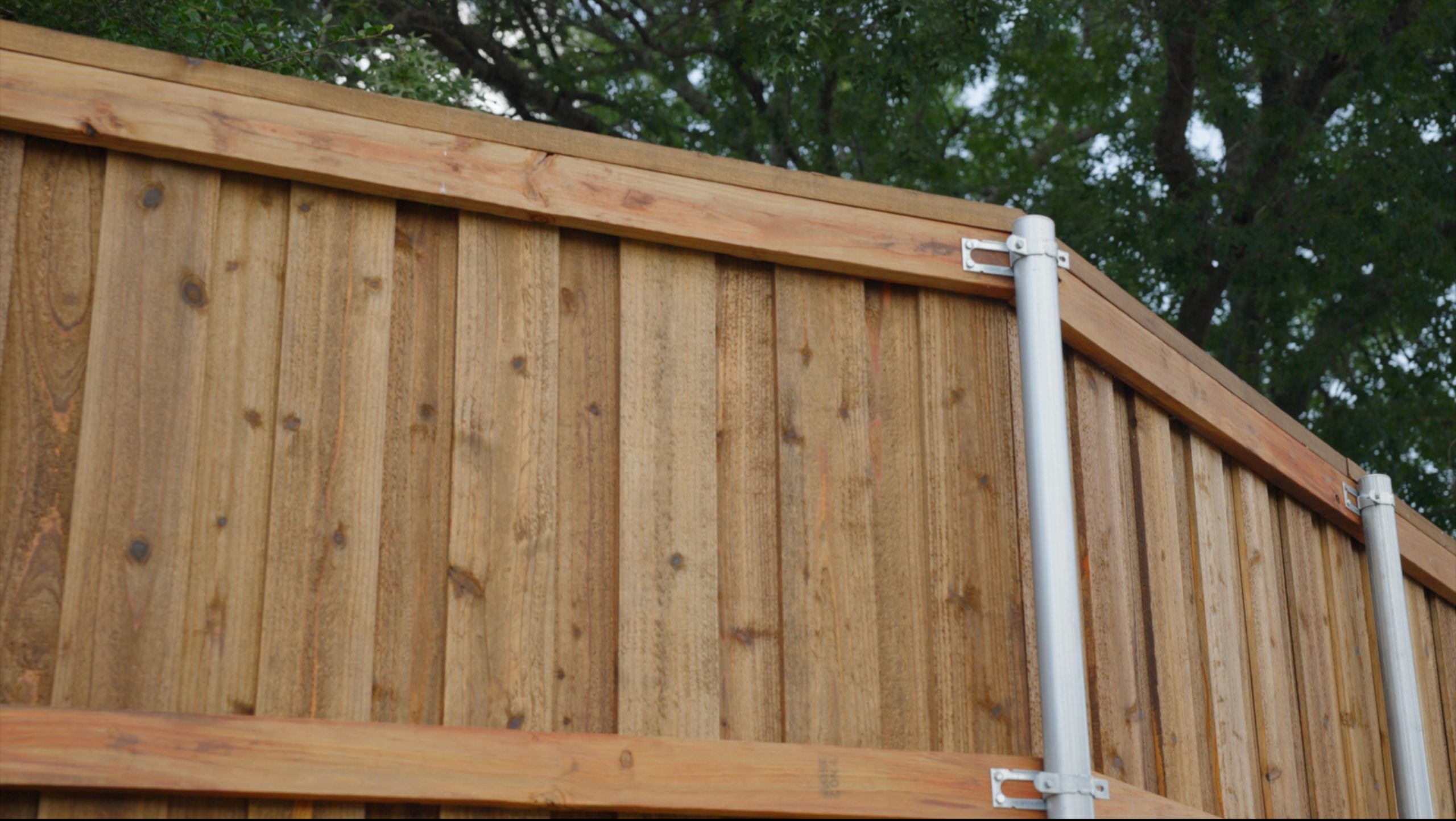
Here is a simple order that works well for Sherman, TX homeowners and property managers:
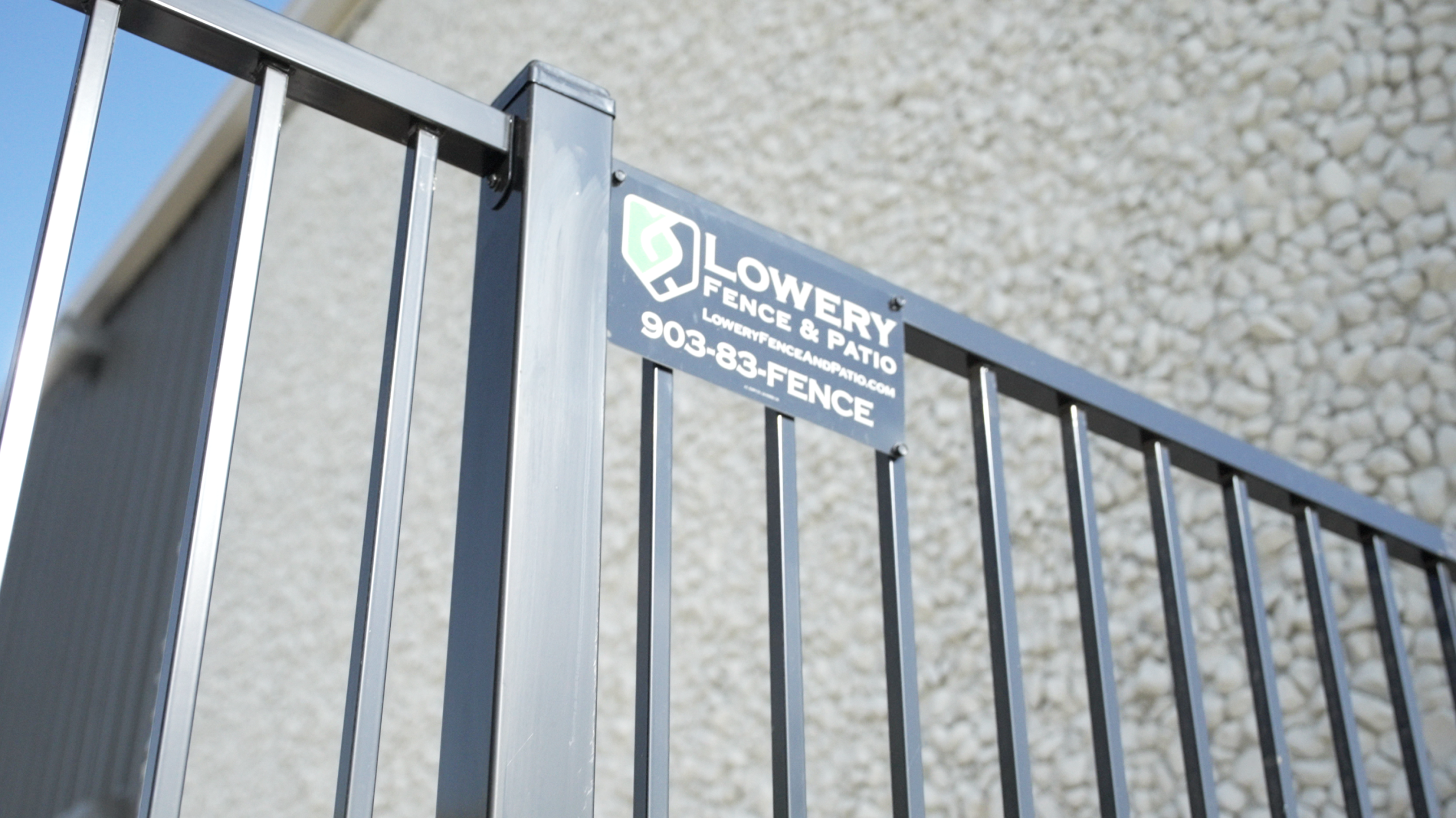
- Check the gate first: If the latch side is sagging, do not force it. Misalignment can damage hinges and catches.
- Look at post movement: Compare post spacing and straightness along the run.
- Inspect rail connections: Bent or separated rails often signal hidden post issues.
- Confirm material condition: Wood may have split or loosened; metal may have twisted sections that need straightening or replacement.
- Watch for safety hazards: Loose wire, sharp metal edges, or hanging boards should be secured before anyone goes near the area.
- Document the damage: Take notes on which sections are worst so the installer can plan the fastest route to secure the property.
Main Things Customers Should Understand
When you replace fencing after storm damage, the goal is not only to make it look straight again. The replacement should also handle wind load, keep gates aligned, and match your property’s existing layout. A good installer will evaluate the whole system, not just the visible break.
Post stability and layout
Posts are the foundation. If the storm shifted the base, the new installation needs the right placement and secure anchoring so the fence does not “walk” again.
Gate alignment and access
A gate that swings freely today might scrape tomorrow if hinges and latch alignment are not corrected during replacement.
Material choice for your yard
Your replacement should fit how you use the space, how much privacy you want, and how your neighborhood handles wind-driven weather.
Professional observation: Storms commonly damage fence gates and the section nearest the post first. If the gate is off by even a small amount, it usually means the supporting structure moved, not just the latch hardware.
Why This Matters in Sherman, TX
In Sherman, TX, quick containment matters because storms can leave yards partially open when you need them secure. That is especially true for residential properties with pets, shared driveways, or areas that act as access points. For commercial sites in the region, a broken fence line can also affect how safely employees and visitors move around the property perimeter.
If you are deciding on a fencing type, it can help to match the repair approach to the original style. For example, many properties already have chain link fencing and need a replacement plan that accounts for tension, line posts, and gate hardware. Others may prefer wood fencing for privacy, but replacement still needs stable posts so the panels do not loosen after wind.
Local insight: If debris fell onto fence sections, check for bent rails and hidden looseness along the run. A fast “board swap” can leave the fence misaligned when the ground shifts back and forth with weather.
| Situation after the storm | What to consider | Typical best next step |
|---|---|---|
| Gate hangs or will not latch | Hinges, latch alignment, and post movement need checking | Evaluate the gate frame and supporting posts before replacing boards |
| Multiple panels are twisted or rails are bent | Line posts may have shifted, not just the damaged section | Plan for section replacement with corrected alignment |
| Only one small area looks broken | Hidden looseness can still affect nearby sections | Have an installer verify post stability and rail connections |
| You need security immediately | Temporary containment can bridge the gap to permanent work | Use temporary fencing while the permanent replacement is scheduled |
Need your fence secured and rebuilt after storm damage?
Lowery Fence & Patio can help you evaluate the damage and plan the fastest safe path to replacement in Sherman, TX and nearby counties.
Contact Lowery Fence & PatioCommon Mistakes to Avoid
After storm damage, it is tempting to patch quickly. The problem is that storm issues are usually structural, not cosmetic. These are common mistakes that slow down repairs or create new problems.
Forcing a stuck gate
Trying to close or latch a gate that is off level can bend hinges and damage latch points. Fix alignment as part of the replacement plan.
Replacing only the visible boards
If the post shifted, nearby rails and panels may never sit correctly. Proper replacement often includes correcting the supporting structure.
Ignoring fence type details
Chain link, wood, ornamental iron, and other materials require different approaches. Matching the method to the fence style matters for a secure result.
Customer Checklist
Use this list when you call or when you prepare for an on-site evaluation. It helps the team understand the urgency and gives them the details needed to plan replacement options efficiently.
- Mark the damaged sections: Note the worst area and any gates that are not working.
- Identify your fence style: Wood, chain link, wrought iron, pipe fencing, or another type.
- Check for loose hardware: Hinges, latches, and any visible fasteners.
- Confirm where the fence runs: Along property lines, backyard fencing options, or driveway access.
- Decide on your priority: Security first, privacy first, or matching existing appearance.
- Ask about the full plan: Whether you need full replacement, partial replacement, or temporary security fencing first.
Representative Scenario: Sherman Home With a Gate That Won’t Close
After a storm rolled through Sherman, TX, a homeowner noticed the backyard gate would not latch. The fence section near the gate looked bent, but the rest of the line seemed intact. Instead of replacing only the broken slats, the team inspected the supporting posts and hinge alignment. The result was a corrected gate setup and a rebuilt section that restored a straight, secure line. The homeowner also chose a plan that included temporary containment while permanent work was scheduled.
Frequently asked questions
Here are practical answers to common questions homeowners and property managers ask after storm damage.
Can you repair a storm-damaged fence, or is replacement always needed?
Sometimes a fence can be repaired, but storm damage often shifts posts and rails, which affects alignment. A professional evaluation helps determine whether the structure is stable enough for targeted repairs or whether section replacement is the better route. The safest approach is based on what is happening at the posts and gate hardware, not just the visible break.
What should I do right after the storm to keep my property secure?
Start with safety. Clear loose debris that could cause injury and avoid forcing a gate that is hanging open. If the fence line cannot provide containment right away, temporary security fencing or temporary fence panels can help bridge the time until permanent installation. Document what is damaged so the installer can plan the fastest, most accurate fix.
Do gate problems mean the whole fence is damaged?
Not always, but gate problems are a strong sign that supporting structure may have moved. Hinges and latch alignment depend on stable posts and correctly positioned frames. If the gate no longer closes smoothly, it is worth checking the nearest posts and rails before assuming only the latch is broken.
Which fence types are commonly affected during storms?
Any fence type can be affected, but the failure pattern is often similar: posts shift first, then rails and panels follow. Chain link fencing may require attention to tension and line posts. Wood fencing often shows splitting, loosened connections, or twisted sections. Ornamental iron and wrought iron fences may need straightening and replacement of damaged components depending on the extent of twisting or impact.
How do I choose between residential and commercial fence installation?
The right choice depends on how the fence is used and who needs access. For homes, the focus is typically privacy, backyard fencing options, and driveway gate installation needs. For commercial properties, the focus often includes perimeter security and access control. If you manage a facility, you can review commercial fencing options to understand how the approach can differ.
Ready for a storm-ready replacement plan?
Lowery Fence & Patio serves Sherman, TX and surrounding counties. Get a clear assessment and a practical path back to a secure fence line.
Call 903-833-3623
About Lowery Fence & Patio
Lowery Fence & Patio is a local fencing and outdoor living company serving Sherman, TX and nearby areas including Collin County, Grayson County, Cooke County, and Fannin County. They provide residential and commercial fence installation and support outdoor projects like gates, custom patio covers, and related concrete services, helping property owners restore secure, functional fence lines after storm damage.
Helpful next reads: Residential fencing, Driveway and gate options, Fence stain and finishing, and 3D renderings for outdoor projects.