
Best Fence Types for Wind, Pets, and Families
If you are in Sherman, TX and trying to keep kids and pets safe while also standing up to strong winds, your fence choice matters. This guide walks through practical options, what to look for during installation, and how to avoid common issues that show up after storms or daily wear.
One of the most common homeowner conversations we have around Sherman, TX starts with a simple problem: the yard feels open, but a fence that looks good on day one does not always hold up after wind gusts, dog traffic, and everyday family use.
Maybe you are planning a Residential Fencing project, maybe you are replacing older sections, or maybe you want better access control systems at gates without creating a maintenance headache. This guide helps you match fence types to your needs, then choose details that reduce movement, gaps, and frustration over time.
- Quick answer
- What to check first
- Main things customers should understand
- Why this matters in Sherman, TX
- Common mistakes
- Customer checklist
- Frequently asked questions
Quick Answer
If you want a fence that handles wind, deters pets, and works for families, start by choosing the material that fits your goal for visibility and privacy. For wind-prone yards, open styles like chain link fence installation often move less because they have more “air flow.” For pet containment and privacy, wood fencing can work well when it is built with the right spacing, tension, and post support. For the cleanest, most consistent protection at entrances, pair your fence with a properly fitted gate and consider professional access control options.
What to Check First
Before you pick a material, walk the perimeter and measure your real needs. Note where wind hits hardest, where pets usually dig or test weak spots, and which areas require privacy versus visibility. Then look at how your gate will connect to the fence line, because gaps around entrances are where families and pets notice problems first.
Wind exposure
Fence lines that face open areas tend to experience more pressure and movement. Prioritize sturdy posts and bracing, especially in corners and along long runs.
Pet behavior
Containment depends on gaps and bottom clearance. If your dog pushes at fences, a tighter system and reliable hardware matter more than the fence label.
Family flow
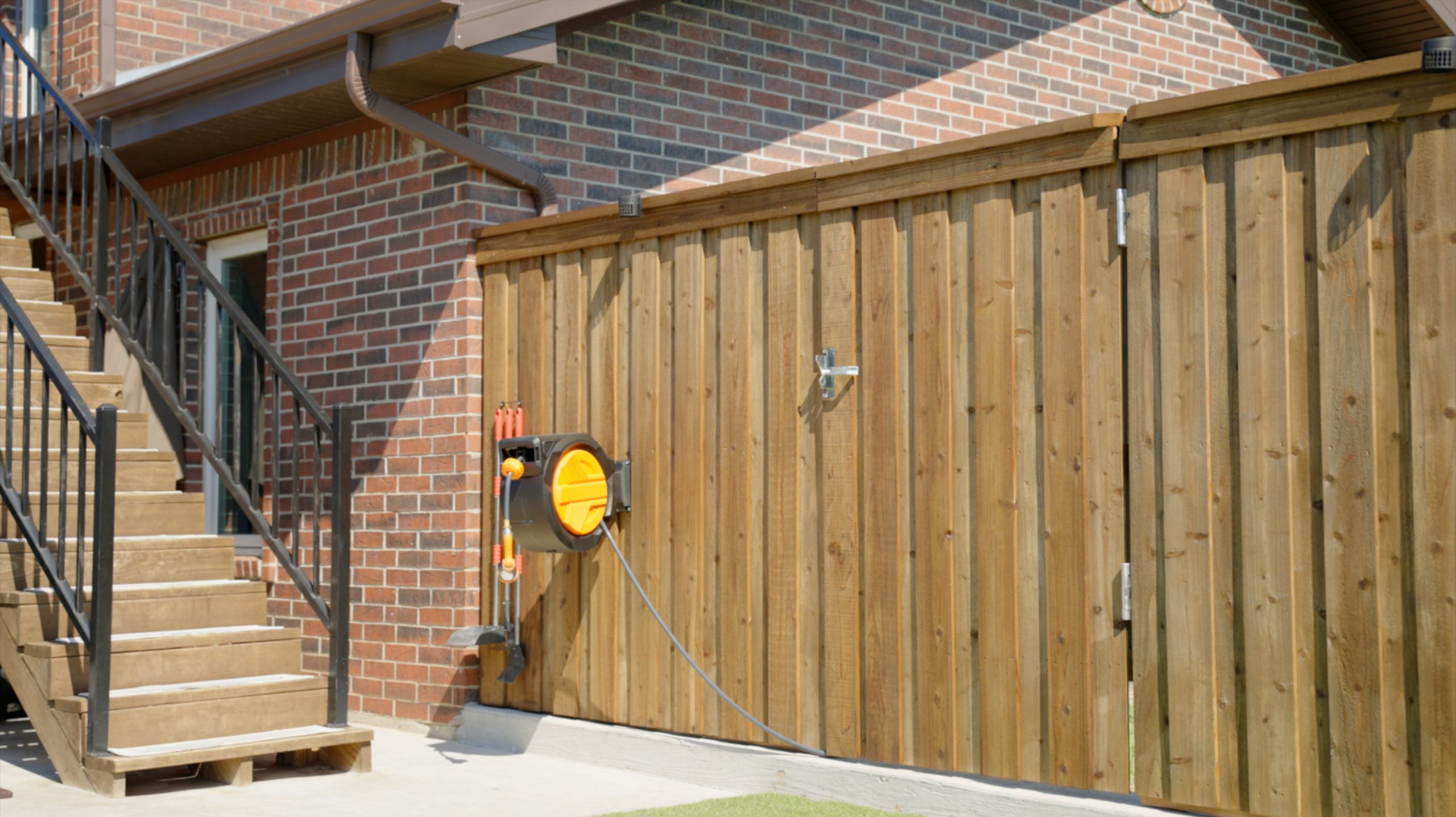
Think about gates you use daily. A fence can be strong and still be frustrating if your driveway gate installation or walk gate does not open smoothly.
Main Things Customers Should Understand
Choosing the “best” fence type is really choosing the right balance of strength, airflow, privacy, and maintenance for your property. In Sherman, TX, homeowners often want a fence that looks sharp, but also behaves well during windy stretches and normal daily use. Here is how the most common options stack up for wind, pets, and families.
Professional observation: The fence type matters, but the installation details matter just as much. Post depth, correct spacing, and properly fitted gates usually determine whether you will see sagging, gaps, or wobble later.
| Fence type | Wind performance | Pet & family fit | Best use cases |
|---|---|---|---|
| Chain link fencing (including chain link fence) | Often handles gusts well because air passes through the mesh. | Good for containment when the system is installed with secure tension and minimal gaps at the fence line. | Backyards that need visibility, mixed-use areas, and practical security around entrances. |
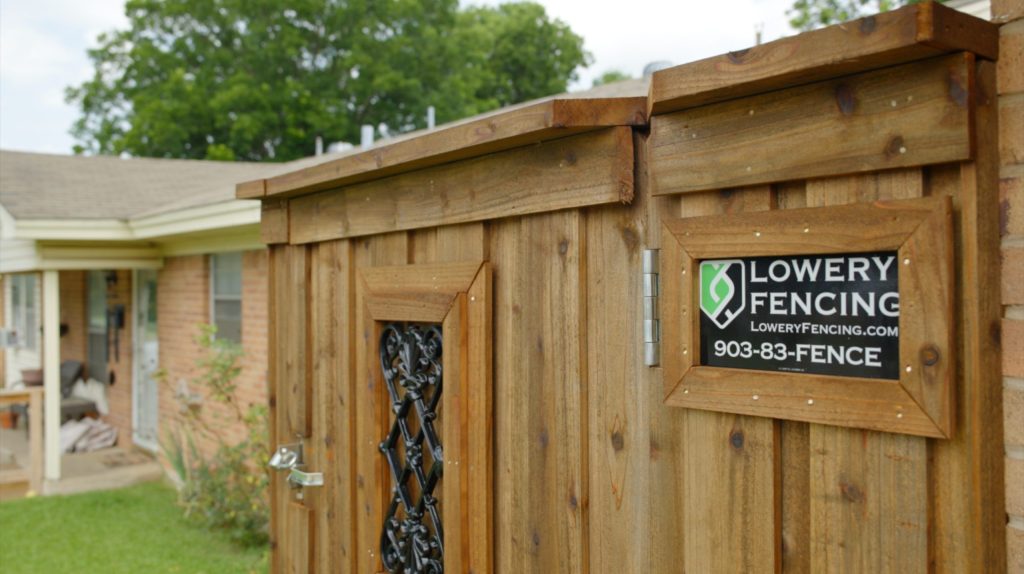
| Wood fencing (including wood fence) | Can perform strongly with proper post support, but solid sections catch more wind pressure. | Great for family privacy. Pet containment depends on panel spacing and bottom clearance. | Privacy goals, traditional curb appeal, and yards where you want a warmer look. |
| Wrought iron fencing (including wrought iron fence) | Often stable because the design allows airflow while maintaining a rigid framework. | Good for families who want strong perimeter definition without blocking sightlines. | Front yards, ornamental boundaries, and access-focused areas. |
| Pipe fencing (including pipe fencing) | Typically provides rigid structure with airflow depending on configuration. | Useful where you want a durable, open fence with clean lines. | Properties that need a practical, long-lasting perimeter. |
| Agricultural fencing (including agricultural fencing) | Built for workhorse conditions when matched to the site. | Great for larger property boundaries where animals and equipment routines matter. | Farms, ranch-style properties, and perimeter control. |
When people ask about wind, we usually see the same pattern: the wind itself is not the only factor. The fence line length, corner construction, and gate layout create the real stress points. For homes with pets, we also watch how animals interact with the bottom edge and where they “test” the perimeter. That is why your fence type needs to pair with smart installation choices, not just a style you like.
Why This Matters in Sherman, TX
In Sherman, TX, many yards sit near open stretches, and fence lines can experience repeated pressure during windy conditions. If you want a fence that stays aligned and keeps working for your family and pets, choose a material that fits your airflow needs and then plan the gate system as part of the same project. A fence with a great look but a loosely fitted gate can still leave the areas your family uses most as the weak points.
Local tip: If your project includes driveway access, ask your contractor how the gate hardware will be aligned for daily use. Proper fit helps reduce sagging and keeps the opening consistent over time.
Privacy with comfort
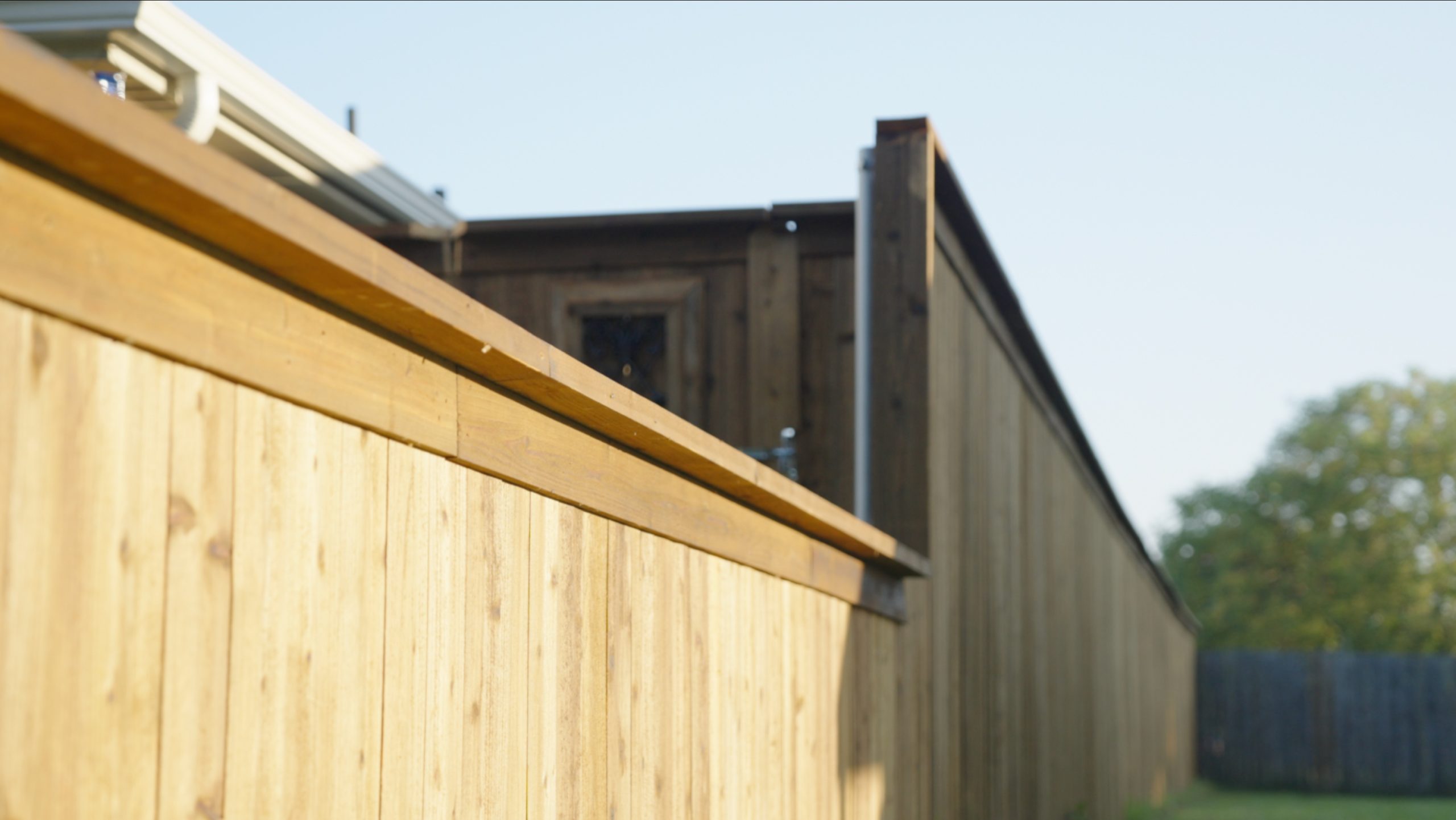
If privacy is your priority, wood fencing can deliver, but you will want a layout that reduces wind pressure on large solid sections.
Visibility for families
Chain link fence installation is a practical choice when you want clear sightlines and steady perimeter definition.
Entrance-first planning
For daily traffic, focus on gate operation and access control. If you need automatic gate installation, plan it during the initial layout.
Need help choosing the right fence type for your yard?
Tell us how you use your space and where wind and pets create the biggest challenges. Lowery Fence & Patio can help you match material and gate details for your home or property in Sherman, TX.
Contact Lowery Fence & PatioCommon Mistakes to Avoid
Most fence problems customers notice later are preventable. Here are the mistakes we see most often when families pick a fence type based on appearance alone or rush the details that affect day-to-day performance.
- Choosing a fence type without considering wind exposure. Open styles and solid styles behave differently when gusts hit long runs.
- Ignoring bottom clearance for pets. Even a strong fence can fail containment if gaps allow animals to slip, dig, or push through.
- Underestimating gate alignment. Gates take daily stress and can become the first weak point if installed without proper fit.
- Skipping matching materials for the full perimeter. Mixing styles without planning connections can create weak transitions where movement shows up.
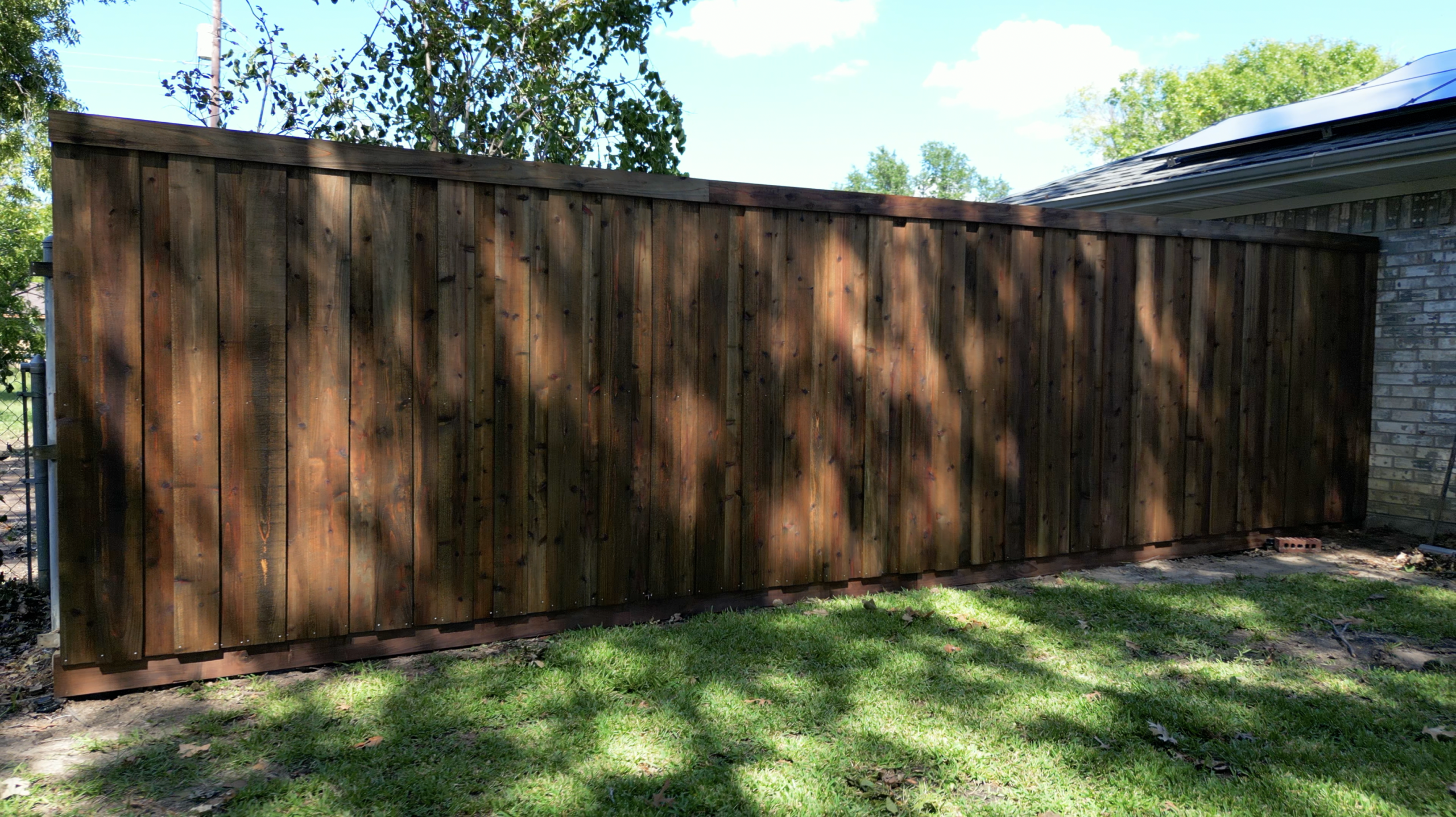
- Not planning for upkeep. If you choose wood fencing, budgeting for fence stain and sealing over time helps keep the look consistent.
Practical recommendation: If you are planning a wood fence, review fence staining options early so the finished look matches your long-term plan.
Customer Checklist
Use this checklist before you commit to a fence type. It helps you ask better questions and spot details that affect wind resistance, pet safety, and family usability.
- Walk the perimeter and mark where wind hits hardest and where pets test the fence line.
- Measure gate openings and confirm daily traffic paths for kids, guests, and pets.
- Decide privacy vs visibility based on how you use your yard.
- Plan for pet containment by asking how the system will minimize gaps at the bottom and at corners.
- Choose a finish plan if you are considering wood, including fence stain timing and maintenance.
- Confirm installation approach for long runs, corners, and entrances so the fence stays aligned.
A Representative Scenario (Anonymized)
A family in Sherman, TX wanted a backyard fence that kept their dog contained and gave the kids a safe space to play. They were torn between a solid privacy style and a more open perimeter. After reviewing where wind pressure hit the longest section and how the dog interacted near the bottom edge, they chose a fence approach that balanced airflow and containment, then focused heavily on gate fit. The result was a fence line that looked clean and felt reliable during everyday use.
Frequently asked questions
These are the questions we hear most often from homeowners and property managers who want a fence that stays functional for years, not just for the first weekend after install.
What fence type is usually best for wind-prone yards?
For many properties, open designs tend to handle gusts more predictably because air can move through the fence rather than pushing against a solid barrier. Chain link fencing is one common choice, especially when you still want clear sightlines. That said, wind performance is also shaped by installation quality, post support, and how corner and gate areas are built.
How do I choose a fence that keeps pets from escaping?
Pet containment usually comes down to gaps and bottom clearance. Even if the fence is strong, animals can find weak points at corners, near gates, or along the lower edge. Ask how your chosen material and panel or mesh spacing will be configured to minimize openings. If you have a digger or a jumper, plan the perimeter details around that behavior.
Are wood fences a good option for families?
Wood fencing can be a great fit for families because it provides privacy and a classic look. The key is matching the wood fence layout to your yard conditions and then maintaining it. If you go with wood, consider a maintenance plan that includes fence stain and sealing, so the fence continues to look consistent and performs as intended.
What should I consider for driveway gate installation?
Driveway gates are used constantly, so the fit and hardware alignment matter. Before installation, confirm the opening size and the daily traffic path for vehicles and people. If you want automated operation, plan the access control approach as part of the overall layout rather than as an afterthought.
Do you help with repairs or upgrades?
Yes. If you are dealing with fence repair needs or you want to upgrade your perimeter for better function, Lowery Fence & Patio can help evaluate the project. For example, if chain link fence repair is part of your plan, we can discuss practical options that improve performance without forcing you to replace everything at once.
Ready to talk through your fence options?
Tell us what you want to protect and what problems you are seeing now. Lowery Fence & Patio serves Sherman, TX and nearby areas including Collin County, Grayson County, Cooke County, and Fannin County.
Call 903-833-3623
About Lowery Fence & Patio
Lowery Fence & Patio helps homeowners and businesses across Sherman, TX choose and install fencing that fits real yard needs. From chain link and wood fencing to wrought iron, pipe fencing, and access-focused gate solutions, the goal is practical performance for families, pets, and everyday property use.
Helpful next step: If you are building a complete perimeter for your property, explore Residential Fencing so your fence and gate plan work together from day one.