
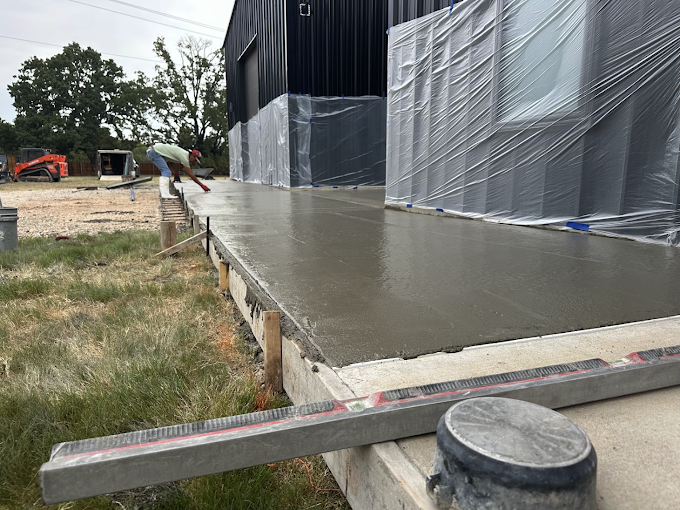
Patio Builder for Uneven Slabs and Water Pooling
If your patio in Sherman, TX looks level from a distance but puddles after rain, the slab may be out of grade. Lowery Fence & Patio can help you plan an outdoor living surface that stays comfortable underfoot and improves drainage where it matters.
After a rain, you step outside in Sherman, TX and notice the same spot stays wet. On a patio with an uneven slab, water can migrate to low areas, collect near doors, and leave surfaces slick or messy.
Most homeowners want a patio that looks right and feels safe, but they also want to avoid redoing the work twice. This guide breaks down what causes uneven slabs and pooling, what to check before construction, and which fixes typically hold up for outdoor living in North Texas.
- Quick answer
- What to check first
- Main things customers should understand
- Why this matters in Sherman, TX
- Common mistakes to avoid
- Customer checklist
- Frequently asked questions
Quick Answer
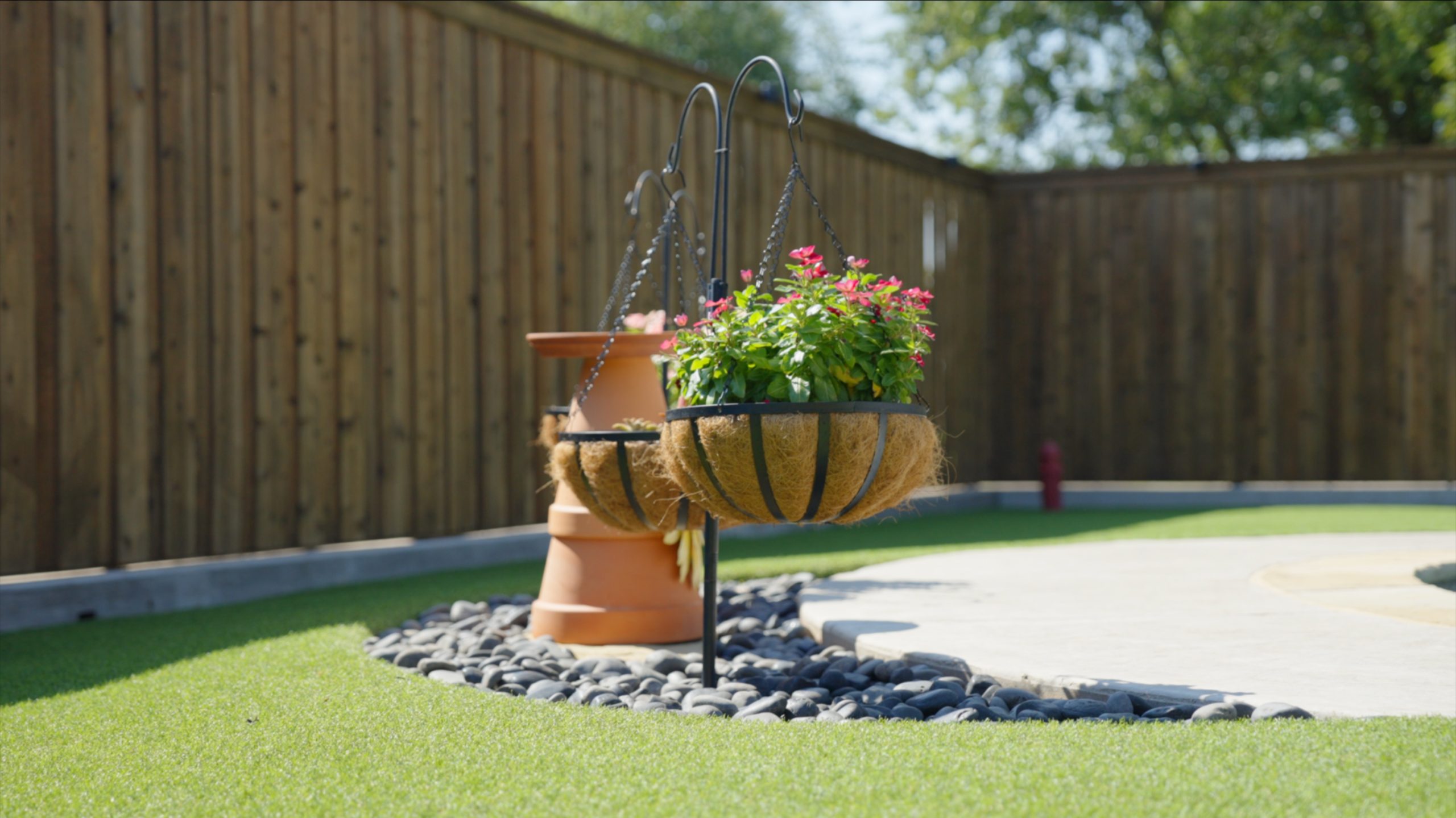
If your patio slab is uneven and water pools, the most practical approach is to identify the low spots and the direction water wants to travel before choosing a build method. A patio that is leveled “on top” without addressing drainage can still trap water under the surface and create maintenance headaches. In Sherman, TX, plan for proper slope, surface materials that handle moisture, and details at edges and transitions. Lowery Fence & Patio can help you evaluate the slab condition and recommend a patio plan designed to manage water, not just cover it.
What to Check First
Start with a simple site walk in daylight and after rain. Look for the exact pooling area, how water moves toward the home, and whether the surface feels spongy or uneven when you walk across it. If the patio is near a doorway, check whether water gathers at the threshold or runs toward landscaping.
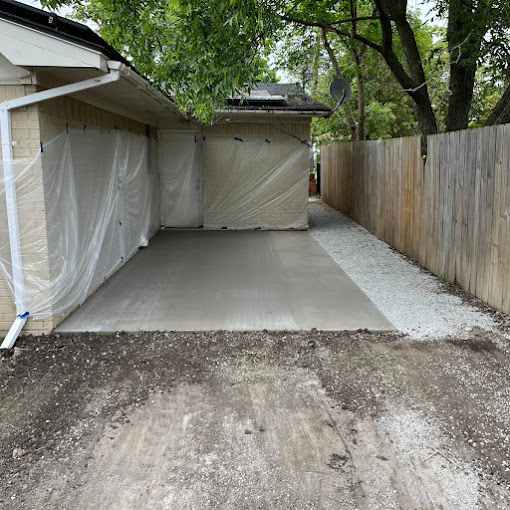
Next, confirm how the patio currently drains: does it sheet-flow to a gutter, downspout, or yard area, or does it stop and puddle? If you are also planning outdoor upgrades, it helps to coordinate the patio surface with nearby features like custom patio covers and pathways so the final layout supports drainage and comfort.
Professional observation: Uneven slabs often create “micro-low” zones that are hard to spot visually, but puddling reveals them quickly. The right fix depends on where water goes when it has somewhere to escape.
Main Things Customers Should Understand
Uneven patios usually come down to grade changes, settling, or original construction that did not leave enough slope for drainage. When water pools, it can keep materials damp, encourage grime buildup, and make walking surfaces feel slick. The goal is not just leveling. The goal is a patio system that can handle water movement reliably.
Surface slope and water direction
Even a small change in slope can change where water goes. Your patio plan should guide water away from doorways and toward an appropriate drainage route.
Edges, transitions, and thresholds
Where a patio meets the home, steps, landscaping, or a deck matters. Details at those transitions help prevent water from finding new low points.
Material performance in wet conditions
Choose finishes and surfaces that stay usable after rain, especially on areas that get direct runoff.
Representative scenario (Sherman, TX)
A homeowner near Sherman, TX noticed their patio felt “off” after rain. The water pooled near the far edge of the slab and slowly spread toward the walkway. Instead of trying to patch the look only, they evaluated the slab movement and planned a patio build that addressed drainage direction and surface grade. The result was a patio that dried more consistently and reduced the slippery, muddy areas that had been happening after storms.
How contractors typically approach uneven slabs
In practice, patio builders evaluate whether the slab can be worked with or whether a new approach is needed. Common strategies include adjusting the build height and slope, improving drainage pathways, and using systems that create a stable, maintainable finish. The best plan depends on the extent of unevenness and how water behaves once the surface is exposed to rain.
Key takeaway: Pooling is a drainage problem first. If the plan ignores grade and water flow, the patio may look good initially but still require repeated upkeep.
Why This Matters in Sherman, TX
In Sherman, TX, outdoor surfaces see a mix of sunny days and wet weather that can turn small drainage issues into persistent puddles. When your patio sits near a home entrance, water can create messes right where you want convenience. Planning the patio surface and drainage details with local conditions in mind helps the finished area feel dependable, not temporary.
Many homeowners also pair a patio project with other outdoor living upgrades, like fencing for backyard privacy or access control. If your outdoor layout includes gates, you may want to coordinate the patio edges with gate placement and movement. For example, you can review gate options while planning your patio so thresholds and walk paths line up cleanly.
| Situation you notice | What it usually suggests | What to ask your patio builder |
|---|---|---|
| Puddles form in the same spot after rain | Low area and inconsistent drainage direction | How will you redirect water and maintain slope after construction? |
| Water runs toward the home or doorway | Transition details need improvement | What edge and threshold details will keep water from collecting at the entry? |
| Surface looks level but feels uneven underfoot | Subtle grade changes or localized settling | How will you evaluate low spots and build a stable walking surface? |
| Patio needs frequent cleaning after storms | Moisture retention and runoff patterns | What materials and finishes help reduce grime and keep the surface usable? |
Get a practical patio plan for uneven slabs
If you are dealing with pooling water or an uneven feel, Lowery Fence & Patio can help you evaluate the slab condition and plan the next steps. Reach out so you can discuss your goals for your Sherman, TX property.
Contact Lowery Fence & PatioCommon Mistakes to Avoid
One of the most common issues we see is treating uneven slabs like a cosmetic problem. If water pooling is left unaddressed, it can keep the area damp and lead to ongoing cleanup, slippery spots, and faster wear on finishes.
- Ignoring drainage direction: leveling the top without planning slope means water still finds the lowest path.
- Overlooking transitions: edges near doors, steps, and walkways can become new pooling points.
- Choosing materials without wet-condition performance: some finishes look great initially but become harder to maintain when exposed to frequent moisture.
- Not coordinating with nearby outdoor features: if your outdoor living area includes fencing, gates, or cover structures, layout and elevation should work together. For example, aligning your patio with deck building or patio cover plans can reduce rework later.
Customer Checklist
Use this checklist before you commit to a build plan for your uneven patio slab. It helps you ask the right questions and compare solutions based on how they manage water, not just how they look.
- Identify the exact pooling spot(s) and when they happen (right after rain vs. hours later).
- Check whether water moves toward a doorway, walkway, or landscaping edge.
- Walk the patio and note where the surface feels noticeably uneven underfoot.
- Decide where you want water to go after rain and how you want edges to finish.
- Ask how the builder will maintain slope and stability through the entire patio area.
- Confirm how the plan handles transitions at the home, steps, and any adjacent outdoor structures.
Frequently asked questions
Here are common questions homeowners have when they are planning a patio over or around an uneven slab and dealing with water pooling in Sherman, TX.
Can a patio be built successfully on an uneven concrete slab?
Often, yes, but the key is evaluating what “uneven” means for drainage and stability. A patio surface can be planned to redirect water away from the home and create a comfortable walking grade. A builder should assess the low spots, how water behaves after rain, and how the final surface will perform in wet conditions so the fix does not simply hide the issue temporarily.
Why does water pool even if the patio looks mostly level?
Visual level can be misleading. Small grade differences can create low zones where water collects, especially after runoff from surrounding areas. Pooling can also happen at transitions, such as where the patio meets a walkway, step, or doorway. The goal is to understand where water wants to go and build the patio plan so water consistently drains in the intended direction.
What should I watch for after the patio is finished?
After rain, watch whether the same spot(s) still puddle and whether water gathers near entrances or along edges. You should also notice whether the surface feels stable underfoot when it is wet. If water behavior does not match the drainage plan, it is better to address it sooner rather than wait through repeated seasons.
Will a patio cover help with drainage issues?
A patio cover can reduce how much direct rain hits the surface, which may help with comfort and maintenance. However, pooling is still influenced by slab grade and water runoff paths. A cover can be a helpful addition for usability, but it should be paired with a plan that manages slope and drainage so water does not collect in low areas.
How do I coordinate a patio project with fencing or gates?
Coordination helps ensure walk paths, thresholds, and access points line up cleanly. If your outdoor plan includes gates or privacy features, review the gate layout early so the patio edges and elevations support smooth access. You can also explore related outdoor options like residential fencing while you plan your overall backyard flow.
Ready to stop the puddles?
Tell Lowery Fence & Patio what you are seeing on your Sherman, TX patio, including where water collects and how the surface feels. You will get a practical path forward for an outdoor living space designed for real drainage, not guesswork.
Call Lowery Fence & Patio
About Lowery Fence & Patio
Lowery Fence & Patio provides fencing and outdoor living solutions for homeowners and businesses, serving Sherman, TX and nearby areas including Collin County, Grayson County, Cooke County, and Fannin County. If your outdoor space needs dependable planning for surfaces, transitions, and long-term usability, their team can help you evaluate the site and choose next steps that work with real conditions.