Guidelines For Choosing A Patio Cover

The first summer you spend in a Texas home without a patio cover is usually all it takes to realize something has to change. Maybe you pictured quiet evenings on the back porch in Sherman, only to discover that the late-afternoon sun blasts your seating area, heats the concrete, and turns your outdoor furniture into a griddle. Or the one day you plan a family barbecue, a surprise shower sends everyone scrambling inside. That’s the moment many homeowners start searching for a patio cover, and just as quickly realize there are more options, materials, and design choices than they expected.

Choosing a patio cover is not just about shade. It affects how often you use your backyard, how your home looks from the street, how much maintenance you’ll be doing in a few years, and even the resale value of your property. In a place like Sherman, TX, where sun, humidity, wind, and sudden thunderstorms all share the same forecast, the right cover can mean the difference between a patio you love and a feature you regret. Instead of rushing into the first style that looks good, it pays to step back and follow some clear guidelines.

Lowery Fence & Patio works with homeowners across Sherman and the surrounding communities who are trying to answer the same core question: “What patio cover is right for my home, my lifestyle, and my budget?” The best decisions come from understanding how you plan to use the space, how local weather behaves, and which materials and designs will stand up to North Texas conditions. With the right plan, your patio can transform from an underused slab into the most comfortable “room” in the house.

Clarify How You’ll Use The Space

Before you look at a single material or style, get very clear on how you want to use your patio most days of the year. Are you imagining a quiet morning coffee spot, a place to host big family gatherings, or an outdoor room that functions almost like an extension of your living room? Each of these uses suggests different priorities for shade, coverage, and features. A simple lounging area might only need partial shade, while an outdoor kitchen or dining space often calls for a more substantial, weather-resistant cover.

Think about the time of day you’ll be outside the most. Many Sherman homeowners use their patios in the late afternoon and evening when the sun is lower but still intense. If your patio faces west, you may need deeper coverage and perhaps side shade options to block low-angle sunlight. On the other hand, if you mostly entertain in the evenings, you might be more concerned with integrated lighting and ceiling fans than with maximum shade during midday.

Also consider whether you want your patio to be a three-season space or primarily for warm months. If you can see yourself using it in early spring and late fall, a more enclosed, solid cover may be better at blocking wind and holding in the warmth from outdoor heaters. Homeowners who only use the patio during peak summer might prefer a design that maximizes airflow and ventilation, even if it offers slightly less total coverage.

Match The Cover To Sherman’s Climate

North Texas weather is a major factor when choosing a patio cover. Sherman experiences intense sun, high UV exposure, humidity, and sudden thunderstorms with gusty winds. A cover that looks good in a catalog but can’t handle local conditions will age quickly, fade, or even become a safety concern. When evaluating options, always ask how the material and design will perform in prolonged sun and fast-changing weather.

Sun exposure is usually the first issue. UV rays can degrade some plastics, fabrics, and lower-quality woods over time, causing fading, warping, or cracking. Materials like high-quality aluminum, steel, and properly treated wood tend to handle UV better, especially when installed by an experienced contractor who understands local conditions. For Sherman homes, it’s wise to avoid bargain materials that might look fine for a year or two, then deteriorate quickly under the Texas sun.

Wind and storms are the second big consideration. Patio covers act like sails if they’re not properly engineered and anchored. A structure that might be fine in a milder climate could suffer damage in one of Sherman’s strong spring storms. Working with a company like Lowery Fence & Patio means your cover can be designed with appropriate posts, connections, and footings to withstand local wind loads and drainage demands. This is especially important for solid roof covers, which collect water and must be built to shed it safely.

Understand Your Material Options

The material you choose for your patio cover will strongly influence its appearance, maintenance needs, and lifespan. Wood, aluminum, steel, vinyl, and composite materials are all used in Sherman, and each comes with its own advantages and tradeoffs. Rather than focusing only on looks, consider how much upkeep you’re comfortable with and how long you want the structure to last without major repairs.

Wood is a classic choice that many homeowners love for its warmth and natural look. It can be stained or painted to match your home or fence, and it blends especially well with traditional and farmhouse-style homes common in and around Sherman. However, wood requires periodic maintenance to protect it from moisture, insects, and sun damage. If you like the idea of refinishing your patio cover every few years, wood can be a beautiful option; if not, you may want to look at lower-maintenance materials.

Aluminum and steel covers offer excellent durability with far less upkeep. They resist rot, insects, and many of the issues that can affect wood in a humid climate. Aluminum is lightweight and versatile, while steel provides extra strength for larger spans or more substantial roof designs. These materials can be finished in various colors and textures to complement your home’s exterior. In Sherman’s climate, metal covers are popular because they stand up well to sun and storms and require minimal maintenance beyond occasional cleaning.

Vinyl and composite options exist as well, often used for pergolas or partial-shade structures. They can be attractive and resist many common problems, but quality varies widely. If you’re considering these materials, it’s important to discuss specific product lines with a knowledgeable installer like Lowery Fence & Patio to ensure you’re getting something that will perform well over time rather than a product that may warp or discolor in the Texas heat.

Choose Between Solid, Lattice, Or Hybrid Designs

Once you understand how you’ll use the space and which materials appeal to you, the next guideline is to choose the right style of cover: solid roof, lattice/pergola, or a hybrid that combines both. Each style manages light, shade, and airflow differently, and the right choice depends heavily on how much sun and rain protection you want throughout the year.

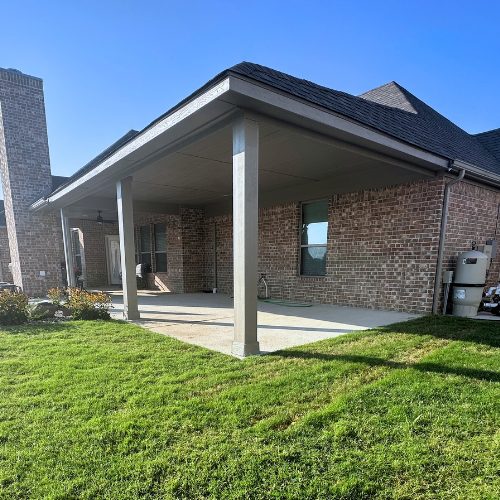
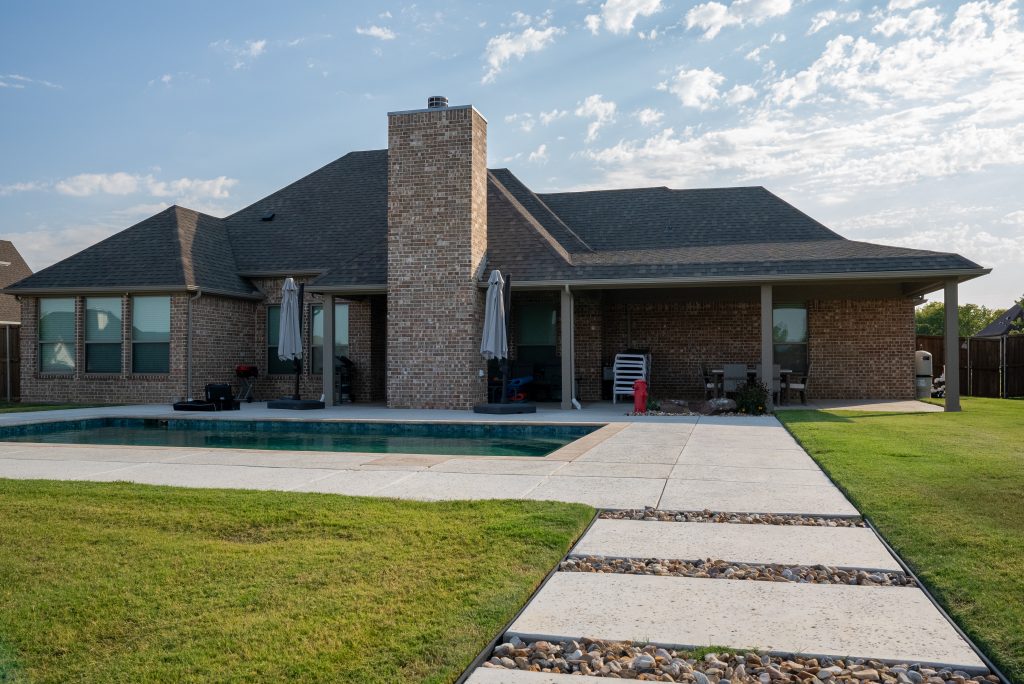
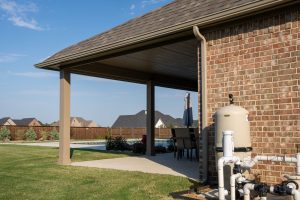
Solid roof covers provide the most complete protection from sun and rain. They can transform your patio into a true outdoor room, keeping furniture dry and cooler while providing a reliable space for cooking, dining, or relaxing regardless of weather. In Sherman, solid covers are especially appreciated on west-facing patios where afternoon sun is harsh. However, they do reduce natural light to nearby interior rooms, so you’ll want to think about how the cover will affect the brightness inside your home.

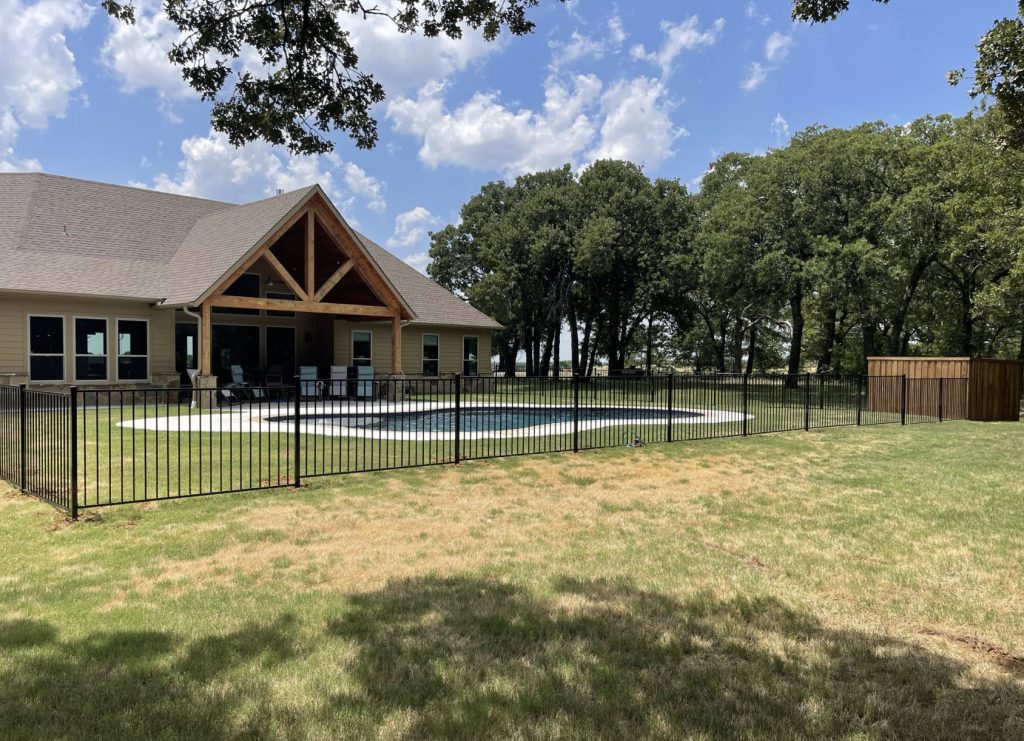
Lattice or pergola-style covers create partial shade while allowing some sunlight and rain through. These are ideal for homeowners who enjoy dappled light and want to maintain a more open, airy feel. A pergola can support climbing plants, string lights, or shade cloths, giving you flexibility to adjust the amount of coverage. In Sherman, pergolas are popular for patios that don’t need full rain protection but do need relief from direct midday sun.

Hybrid designs combine solid and open sections, giving you the best of both worlds. For example, you might opt for a solid area over an outdoor kitchen or seating zone, with a pergola extension over a garden or lounge area. This approach lets you customize sun and shade patterns across your patio. An experienced builder like Lowery Fence & Patio can help you visualize how the sun moves across your yard and design a cover that fits those patterns, especially important in the wide-open yards common in North Texas.

Blend With Your Home’s Architecture

A patio cover should feel like it belongs to your home, not like an afterthought. One of the most important guidelines is to match or complement your home’s architectural style, roof lines, and color palette. When done well, a cover looks as if it was part of the original design, enhancing curb appeal and property value instead of distracting from it.

Look at the existing roof pitch, trim details, and exterior materials of your home. A low-pitch roof may call for a similarly gentle slope on the patio cover, while a steeper roof can support a more dramatic design. Matching fascia boards, columns, and trim colors helps create visual continuity. In Sherman’s neighborhoods, you’ll see everything from brick ranch homes to newer craftsman and traditional styles; each benefits from a slightly different patio cover approach.

Scale is another key factor. A cover that’s too small will look out of proportion and may not provide enough usable space, while one that’s too large can dominate the backyard and make the house itself seem smaller. The posts, beams, and roof thickness should be sized to feel sturdy without appearing bulky. Lowery Fence & Patio regularly helps homeowners in Sherman find this balance, using on-site measurements and design experience to ensure the finished structure feels right for both the house and the yard.

Don’t overlook color and finish choices, either. Coordinating with existing siding, brick, or trim makes a big difference in the final look. Even metal covers can be finished in colors that complement your home. The goal is a seamless transition from indoor to outdoor spaces, so when you step out onto the patio, it feels like a natural extension of your home rather than a separate, mismatched add-on.

Plan For Comfort, Lighting, And Extras

The best patio covers are not just overhead structures; they’re the backbone of a comfortable outdoor living area. As you choose your cover, think ahead about the features that will make the space inviting and usable. In Sherman’s warm climate, ceiling fans are almost essential for keeping air moving and making summer afternoons more pleasant. That means your cover needs to be strong enough and wired correctly to support them.

Lighting is another major consideration. Recessed lights, pendant fixtures over dining tables, or string lights integrated into a pergola can extend your patio’s usefulness well into the evening. If you plan to add lighting, it’s much easier and cleaner to run wiring during the initial construction rather than retrofitting later. Lowery Fence & Patio can coordinate these details so your cover is ready for the electrical work needed to support your vision.

Think about other enhancements you might want, such as outdoor heaters, mounted TVs, speakers, or drop-down shades to block low sun or add privacy. Even if you don’t install everything at once, planning for these possibilities allows the structure to support them in the future. In Sherman, many homeowners eventually decide to turn their covered patio into a true outdoor living room, so it makes sense to choose a cover design that can grow with your needs.

Finally, consider how the patio cover will interact with the rest of your yard features, such as fencing, landscaping, and any existing decks or walkways. A cohesive design that ties your cover into elements like your Residential fence installation or garden layout will make your entire outdoor space feel more intentional and inviting.

Work With A Local, Experienced Installer

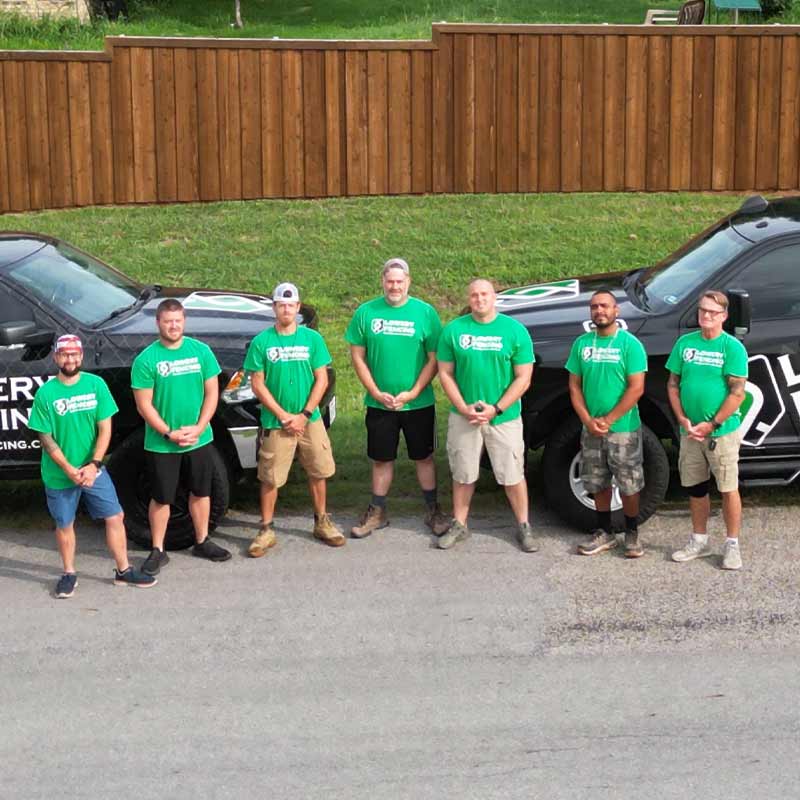
Even the best design ideas can fall short if the patio cover isn’t built correctly. Local experience matters, especially in a place like Sherman, TX, where soil conditions, wind patterns, and building codes all influence how a structure should be engineered. A company like Lowery Fence & Patio, which regularly works in the area, understands how to design footings, connections, and drainage for long-term stability.

Professional installers can also help you navigate any necessary permits or HOA approvals. Some neighborhoods have guidelines about the height, style, or placement of patio covers. Working with an experienced contractor means those rules are considered from the start, preventing costly changes or delays later. This is particularly important for larger or more visible structures that significantly change the appearance of the home.

Finally, a local expert can give you realistic expectations about maintenance and lifespan for different materials in Sherman’s climate. They’ve seen which products hold up well and which tend to cause problems after a few years. That insight, combined with a clear understanding of your goals and budget, is what turns a generic patio cover project into a long-term investment in your home’s comfort and value.

Frequently Asked Questions

How big should my patio cover be? The size of your patio cover should be based on how you plan to use the space, the size of your existing patio slab, and the proportions of your home. As a guideline, you want enough coverage to comfortably fit your main furniture layout with room to walk around, typically at least 8–10 feet deep for a dining area and often more for a full outdoor living room. At the same time, the cover should not extend so far that it overwhelms your yard or blocks too much light into adjacent windows. A site visit from a contractor like Lowery Fence & Patio can help determine an ideal footprint that balances function, aesthetics, and budget.

Is a solid roof or pergola better for Sherman’s climate? Both can work well in Sherman, but they serve different needs. A solid roof provides complete shade and rain protection, making it ideal if you want to use your patio in a wide range of weather or protect outdoor furniture and kitchens. It also tends to keep the space cooler during peak sun. A pergola or lattice cover offers partial shade and a more open feel, which some homeowners prefer for gardens or spaces where they still want some sun. Many people choose a hybrid design, using solid coverage for main seating or cooking areas and pergola sections for peripheral zones where dappled light is welcome.

What materials require the least maintenance? In Sherman’s climate, aluminum and steel patio covers generally require the least maintenance. They resist rot, insects, and many of the issues that affect wood, and they typically only need occasional cleaning. High-quality finishes help prevent fading and corrosion. Wood covers are beautiful but need periodic staining or painting to protect against moisture and UV damage. Composite and vinyl options can be relatively low-maintenance as well, but it’s important to choose products that are rated for high UV and temperature swings to avoid warping or discoloration over time.

Will a patio cover make my house darker inside? A solid patio cover can reduce the amount of natural light entering the rooms that face the covered area, especially if those rooms rely heavily on that side for daylight. However, thoughtful design can minimize this effect. Options include adjusting the depth of the cover, incorporating skylight panels, or using a combination of solid and open sections. Pergola or lattice designs allow more light through while still providing shade. During planning, it helps to discuss which interior rooms you’re concerned about so the cover can be designed to protect your patio without unduly darkening your home.

Do I need a permit for a patio cover in Sherman, TX? Many patio cover projects in Sherman do require permits, especially if they are attached to the home, are of a certain size, or involve structural elements like posts and footings. Local building codes and, in some cases, HOA rules will dictate what is allowed and what approvals are needed. Working with a local contractor such as Lowery Fence & Patio is beneficial because they are familiar with these requirements and can help ensure your project complies with all regulations. Obtaining proper permits not only keeps the project legal but also provides peace of mind that the structure is built to recognized safety standards.

Leave a Comment

Your email address will not be published. Required fields are marked *

Scroll to Top