The first time you stand on your back patio in the blazing North Texas sun and realize you can’t enjoy it for more than ten minutes, the idea of a patio cover stops being “nice to have” and becomes a necessity. Maybe you’ve just moved into a new home in Sherman, TX, and the concrete slab behind the house is bare and unshaded. Or maybe your existing cover is starting to sag, leak, or peel, and every storm reminds you it’s not going to last much longer. Either way, you’re suddenly faced with a surprisingly complicated question: how do you choose a patio cover that won’t disappoint you a year or two down the road?
On the surface, it sounds simple: pick something that looks good and fits your budget. But a patio cover has to stand up to Texas sun, wind, and heavy rain. It has to work with your home’s structure, meet local codes, and support the way your family actually uses the space. A cheap or poorly designed cover can warp, leak, or even pull away from your home, creating safety and maintenance headaches. A quality patio cover, on the other hand, becomes an outdoor room you rely on daily, adding comfort, value, and style. Understanding what “quality” truly means will help you choose wisely instead of just choosing quickly.
Homeowners around Sherman often call Lowery Fence & Patio after they’ve lived with the wrong cover: one that traps heat, blocks too much light, or looks out of place with the house. The difference between frustration and satisfaction usually comes down to planning and paying attention to details before anything is built. By looking at materials, structure, design, and installation with a critical eye, you can avoid those common mistakes and invest in a patio cover that will serve your family for years, not just a couple of seasons.
Start With How You Live
Before you think about colors, posts, or roof styles, take a step back and consider how you really want to use your patio. Are you imagining quiet mornings with coffee and a book, or big gatherings with neighbors and a grill going every weekend? The way you plan to use the space directly affects how much shade you need, how open the structure should feel, and whether you’ll want extras like lighting or ceiling fans. A family that entertains often might need a deeper cover to protect a large dining table, while someone who just wants to escape the sun for a little while may be perfectly happy with a smaller footprint.
Think about the time of day you’re most likely to be outside. In Sherman, TX, the afternoon sun can be brutal, especially on west-facing patios. If your patio faces west, you’ll want a cover that blocks low-angle sun and possibly even integrates side shade options. For a north-facing patio, the angle of the sun is different, and you might prefer a design that lets in more natural light while still offering overhead protection. Observing your yard for a few days at different times can reveal how the light moves and where shade is most needed.
It’s also smart to consider how your patio cover will interact with your indoor spaces. A solid, dark cover right outside a large living room window can unexpectedly darken the room inside. On the other hand, a thoughtfully designed cover can reduce heat gain and glare indoors, making your home more comfortable and energy-efficient. Lowery Fence & Patio often helps Sherman homeowners balance these tradeoffs, choosing designs that protect the patio while keeping indoor rooms bright and pleasant.
Finally, be realistic about your long-term plans. If you think you might add an outdoor kitchen, hot tub, or extended seating area later, mention that early in the planning process. A quality patio cover should be able to accommodate future upgrades, whether that means running electrical lines for fans and lights, designing for potential screen walls, or leaving space for future expansions.
Understand Material Options
One of the biggest decisions you’ll make is what your patio cover is made of. Different materials have distinct strengths, weaknesses, and maintenance needs, and what works in another region of the country might not be ideal for Sherman’s climate. Wood, aluminum, and engineered products are all common choices, and the right one for you depends on your priorities for appearance, durability, and upkeep.
Wood has a timeless, classic look that blends beautifully with many home styles. A well-built wood cover can feel warm and substantial, and it’s easy to customize with beams, trim, and stain colors. However, wood in North Texas must be properly sealed and maintained to resist sun damage, moisture, and insects. If you love the look of stained cedar and are willing to commit to periodic maintenance, a wood cover can be a high-quality, long-lasting option. Lowery Fence & Patio often uses high-grade lumber and proper finishing techniques to ensure wood covers hold up in the Sherman climate.
Aluminum and other metal systems appeal to homeowners who want low-maintenance durability. They won’t rot, and quality aluminum covers are engineered to handle wind and rain effectively. Some are insulated to reduce heat transfer, which can make a noticeable difference during hot Texas summers. The downside is that cheaper metal systems can look flimsy or industrial, and thin panels may dent or rattle in heavy storms. When considering aluminum, pay attention to the thickness of the material, the quality of the finish, and how the system is attached to your home.
There are also hybrid and engineered options that combine the look of wood with the resilience of synthetic materials. These can offer the best of both worlds: a more natural appearance without as much maintenance. They may cost more upfront but can pay off in longevity and reduced upkeep. Whatever material you choose, ask detailed questions about warranties, expected lifespan, and how the material has performed in similar installations around Sherman, TX. A quality patio cover isn’t just about how it looks on day one; it’s about how it looks and functions ten years later.
Evaluate Structural Strength And Design
A patio cover is more than a decorative element; it’s a structure that must safely support its own weight and withstand wind, rain, and sometimes even the weight of accumulated debris. In North Texas, strong storms can put real stress on outdoor structures. A quality cover is designed with these conditions in mind, using proper post sizing, beams, and connections to ensure stability. When you’re comparing options, don’t just look at the surface; consider what’s happening inside the posts and overhead framing.
Pay attention to how the cover will attach to your home. A properly installed ledger board, flashing, and fasteners are critical if the cover ties into your existing roofline or exterior wall. Poor attachment methods can lead to leaks, siding damage, or even structural failure over time. Experienced builders like Lowery Fence & Patio understand how to integrate a patio cover with the home’s structure while protecting against water intrusion. Ask how the connection will be made and what materials will be used to seal and secure it.
The spacing and size of posts and beams also matter. Fewer, larger posts can create a more open feel and better sightlines, but they must be correctly sized to carry the load. Undersized posts or beams might look acceptable at first but can sag or twist over time, especially under heavy rain or wind. Quality design takes into account span lengths, load paths, and soil conditions for the footings. In Sherman’s clay soils, proper footings help prevent shifting and uneven settling that can crack concrete or tilt posts.
Don’t overlook the roof design itself. A solid roof provides maximum shade and rain protection, but it must be pitched correctly to shed water. Flat or nearly flat roofs are more prone to pooling and leaks. Lattice or pergola-style covers create filtered shade and allow more light but offer less rain protection. Some homeowners choose a combination, with a solid section over a seating area and a more open design elsewhere. The key is to match the roof style to your needs and ensure that, structurally, it’s built to handle the local weather patterns.
Consider Comfort, Shade, And Climate
In Sherman, TX, the whole point of a patio cover is to make the outdoors more comfortable, especially during hot months. Not all covers provide the same level of shade or cooling effect, so it’s important to think through how the design will actually feel when you’re sitting under it in July. A cover that looks great in photos but traps heat or fails to block the sun where you need it most won’t be enjoyable to use.
Start with the amount and type of shade you want. A solid roof will give you consistent shade and better protection from sudden showers, making it ideal if you envision using the space frequently regardless of weather. If you prefer dappled sunlight and a more open feel, a pergola or slatted design may be better, especially if your patio is not in the direct afternoon sun. You can also combine designs, using heavier shade over seating areas and lighter coverage over garden features or walkways.
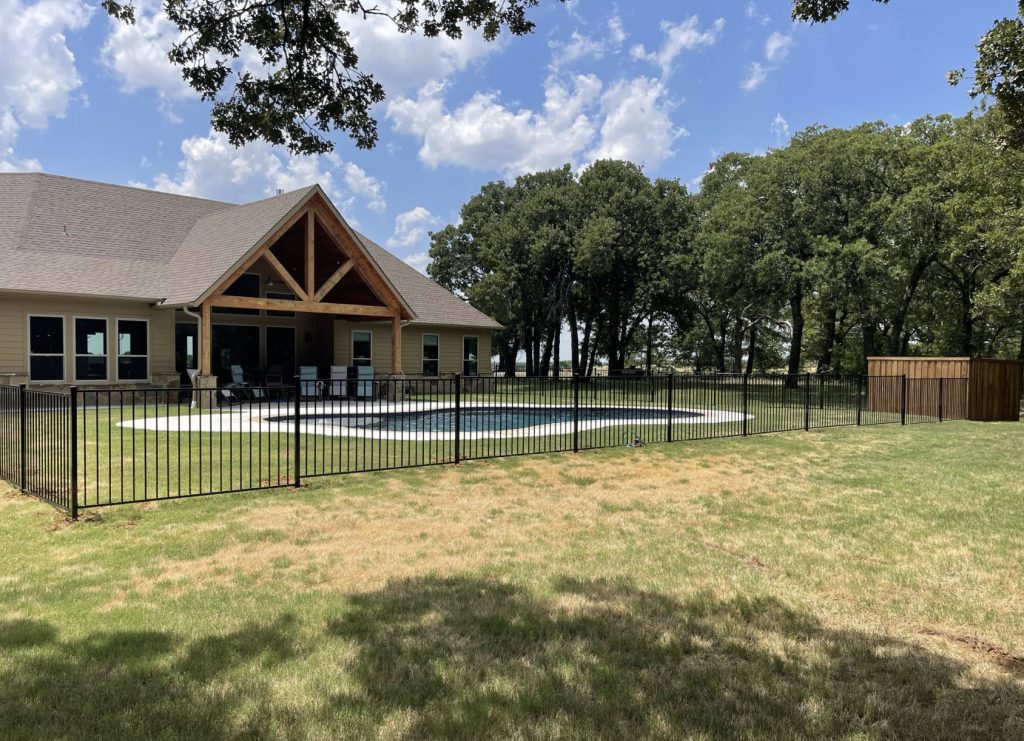
Ventilation and airflow are another big part of comfort. A low, solid cover with no air movement can feel stuffy and hot. Higher ceilings, open gable designs, or integrated fans can dramatically improve comfort on warm days. During design conversations with Lowery Fence & Patio, many Sherman homeowners decide to include electrical wiring for ceiling fans and lighting so they can use the space well into the evening. Planning for these features from the start avoids exposed wires and awkward retrofits later.
Glare and reflected heat are also worth considering. Light-colored roofing surfaces can reflect sunlight, helping keep the space cooler, while darker finishes may absorb heat. The color and texture of your patio surface matter too; for example, a light concrete slab can bounce a lot of light and heat upward. A thoughtful patio cover design takes these interactions into account, using orientation, materials, and even optional side shades to create a cooler, more comfortable microclimate under the cover.
Match Your Home’s Style And Add Value
A quality patio cover should look like it belongs to your home, not like an afterthought that was bolted on later. The proportions, roof lines, materials, and color palette all contribute to whether the cover enhances or distracts from your home’s appearance. When these elements are in harmony, the cover can increase curb appeal and overall property value. When they clash, they can make even a new installation feel out of place.
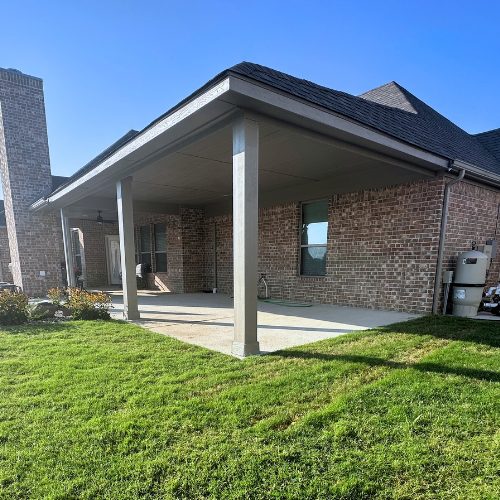
Look at your home’s existing architectural style and roof shape. A low-slope modern roof may pair best with a sleek, minimalist cover, while a traditional gabled roof often looks most natural with a cover that echoes similar pitches and lines. Matching or complementing your home’s trim colors and finishes helps the cover blend seamlessly. Lowery Fence & Patio frequently works with Sherman homeowners to select stains, paints, and materials that coordinate with brick, siding, and existing exterior features.
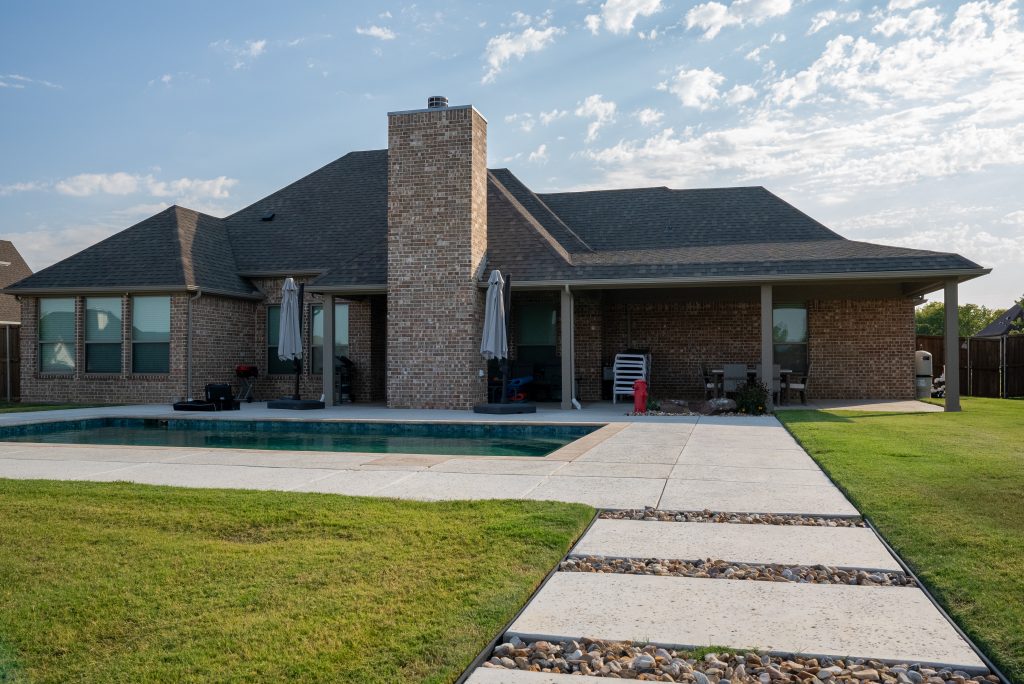
Think beyond the structure itself to the overall outdoor room you’re creating. Where will furniture go? Do you want room for an outdoor kitchen or grill? How will pathways connect the covered area to the yard, pool, or driveway? Planning these details up front helps ensure the cover is sized correctly and positioned in a way that feels natural. A too-small cover can feel cramped once you add a dining table and chairs, while an oversized structure may overwhelm a small yard.
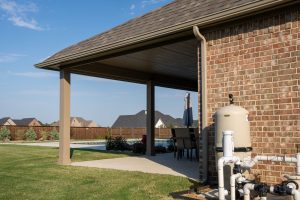
Quality also shows in the finishing touches. Clean, well-planned column bases, neatly concealed wiring, and carefully trimmed edges all contribute to a professional look. Even small details like gutter placement and downspout routing can make a difference in everyday use, preventing water from splashing where you walk or sit. When evaluating proposals, look at photos of completed projects and pay attention to these details; they often reveal the difference between basic construction and true craftsmanship.
Work With The Right Professional
Even the best design and materials can fall short if the installation isn’t done correctly. Choosing a reputable, experienced contractor is one of the most important steps in getting a quality patio cover. In the Sherman, TX area, that means working with a company that understands local codes, weather patterns, and soil conditions, and that has a track record of successful outdoor projects. Lowery Fence & Patio, for example, focuses on outdoor structures and fencing, giving them practical insight into how these installations hold up over time.
When you’re interviewing potential builders, ask to see examples of similar projects and, if possible, talk with past clients. A quality contractor should be willing to explain their process, from initial design and permitting through construction and cleanup. They should also help you understand the differences between material options, structural choices, and price points, rather than just pushing the most expensive package. Transparent communication is a strong indicator that the builder takes pride in their work and cares about long-term results.
Permits and code compliance are another area where professional guidance matters. Depending on the size and design of your patio cover, local regulations may require specific structural standards or inspections. Skipping this step can create problems if you ever sell your home or if an issue arises that involves insurance. A knowledgeable contractor will handle permitting and design to meet or exceed code, giving you peace of mind that your new outdoor space is both safe and legal.
Finally, review warranties and follow-up support. A quality patio cover should come with clear information about what is covered, for how long, and what maintenance is expected from you as the homeowner. Ask what happens if you notice a leak, a crack, or a shifting post a year or two after installation. Companies that stand behind their work will explain how they handle service calls and what kind of post-installation support you can expect.
Frequently Asked Questions
How big should my patio cover be? The right size depends on how you plan to use the space and the layout of your yard. As a general rule, you want enough covered area to comfortably fit your main furniture arrangement with room to walk around it. For a dining table and chairs, that might mean at least 10–12 feet of depth; for a larger entertaining space with seating and a grill, you may want more. In Sherman, TX, many homeowners also consider the angle of the sun, extending the cover farther in the direction of the harshest afternoon light. A professional like Lowery Fence & Patio can help you visualize different sizes on-site before you commit.
What type of patio cover is best for the hot Texas sun? For maximum protection from heat and UV rays, a solid roof with a reflective or light-colored finish usually performs best. Insulated aluminum panels or well-constructed wood roofs can significantly reduce the temperature under the cover compared to open patios. However, ventilation is critical, so incorporating higher ceilings, open gables, or ceiling fans helps keep air moving. Some homeowners prefer a combination of solid and open sections, using solid coverage where they sit most and a more open design where they want additional natural light.
How much maintenance will my patio cover need? Maintenance needs depend heavily on the material. Wood covers typically require periodic cleaning, inspection, and refinishing or sealing every few years to protect against sun and moisture. Aluminum and other metal systems are generally lower maintenance, often needing only occasional washing and inspection of fasteners and sealants. No matter the material, it’s wise to check your cover after major storms, clear debris from gutters, and look for early signs of wear. Lowery Fence & Patio can provide maintenance guidelines tailored to the specific cover they install at your Sherman home.
Will a patio cover add value to my home? A well-designed, professionally built patio cover often increases both the usability and perceived value of a home, especially in a climate where outdoor living is a big part of daily life. Buyers in Sherman, TX frequently appreciate shaded, functional outdoor spaces, and a quality cover can make your home stand out. The key is ensuring the cover looks integrated with the home’s architecture and is built with durable materials. Poorly constructed or obviously temporary covers may not offer the same value and can even be seen as a liability.
Can I integrate other outdoor features with my patio cover? Yes, and planning for that integration from the start is one of the best ways to get a truly functional outdoor space. Many homeowners add lighting, ceiling fans, outdoor speakers, or even TV mounts under their covers. Others plan for future outdoor kitchens, fire features, or adjacent fencing and landscaping. Coordinating these elements with a single contractor like Lowery Fence & Patio helps everything work together visually and structurally. For example, if you also need property boundaries or livestock areas addressed, you might explore options like Agricultural Fencing as part of a broader outdoor plan that complements your new patio cover.